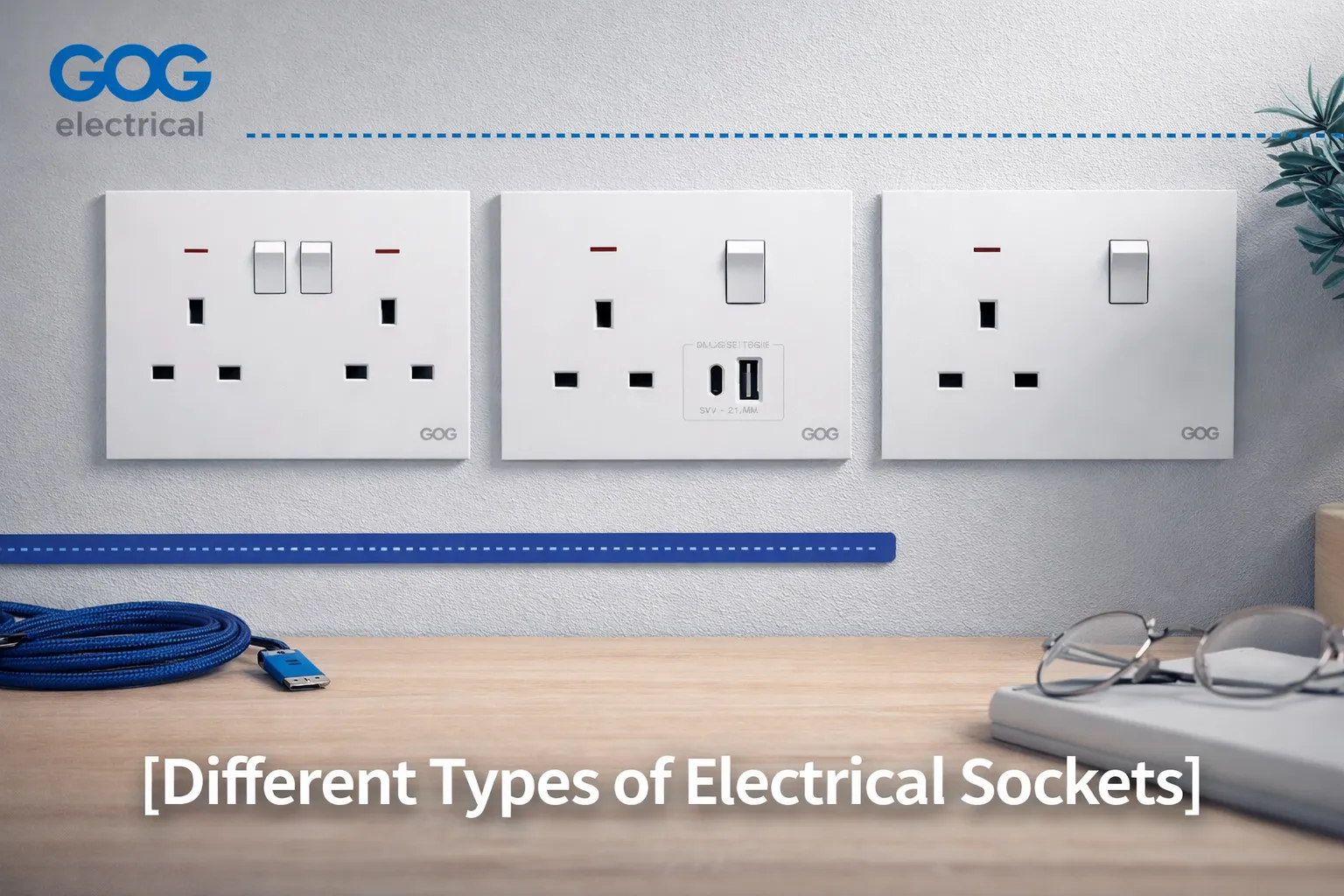
There are major differences in how a wall socket looks around the world. Below are some of the most common wall socket types and their main features:
1. Type A and Type B Wall Sockets
Type A and B wall sockets are used primarily in North America, Central America, and Japan. They are designed to accommodate two flat, parallel prongs (typical for type A) and an additional grounding prong (type B) with voltages ranging from 100 to 120 volts. These amps are sufficient to power small electronics such as cellphones and lamps.
2. Type C Wall Socket (EuroPlug)
Type C wall sockets have two round prongs and are present throughout Europe, South America, and parts of Asia. They are available for use with voltages ranging from 220 to 240 volts and are frequently used in both residential and commercial environments. In addition, type C plugs will often fit other socket types in Europe (e.g., type E and type F).
3. Type G Wall Socket
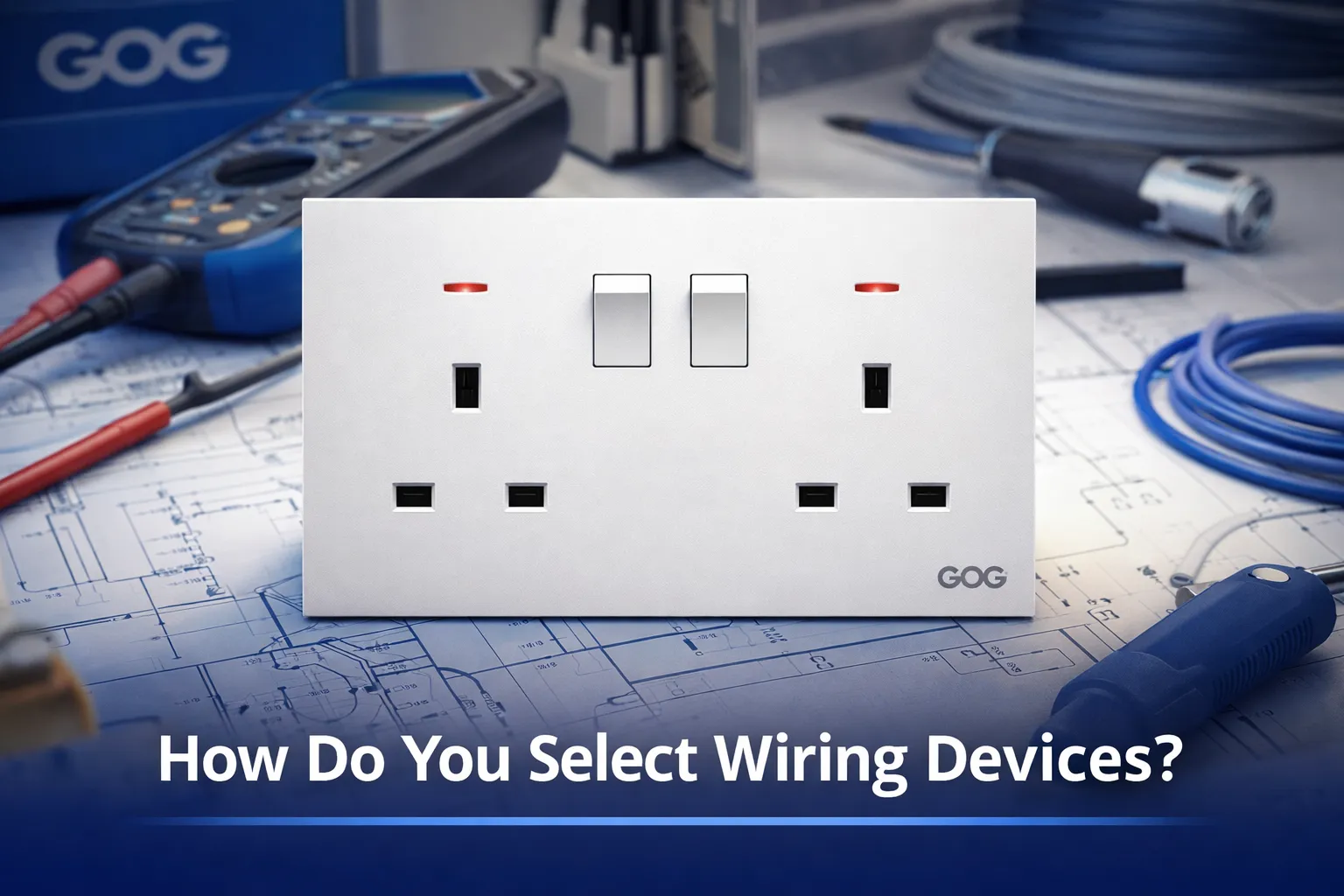
The most popular outlet in the United Kingdom, Ireland, and in many countries in the Middle East and Africa is called a Type G. It has three rectangular prongs, one of which serves as a grounding pin. This type of outlet operates on 230 volts and has the most safety features of all electrical systems.
4. Type I Wall Socket
The Type I outlet is the most commonly used outlet in Australia, New Zealand, and in China. It has two angled pins and sometimes the third pin (ground). This type of socket works on 220-240 volts and is generally used in both residential and commercial applications.
5. Universal Wall Socket
As you travel through your region, especially while staying in hotels or business establishments, you may come across outlets that are called Universal. These universal outlets can accept many different styles of plugs (A, B, C, & G) and provide flexibility for those who are traveling internationally. However, they may best fit only one or two styles, or they might not have been made to meet high safety standards.
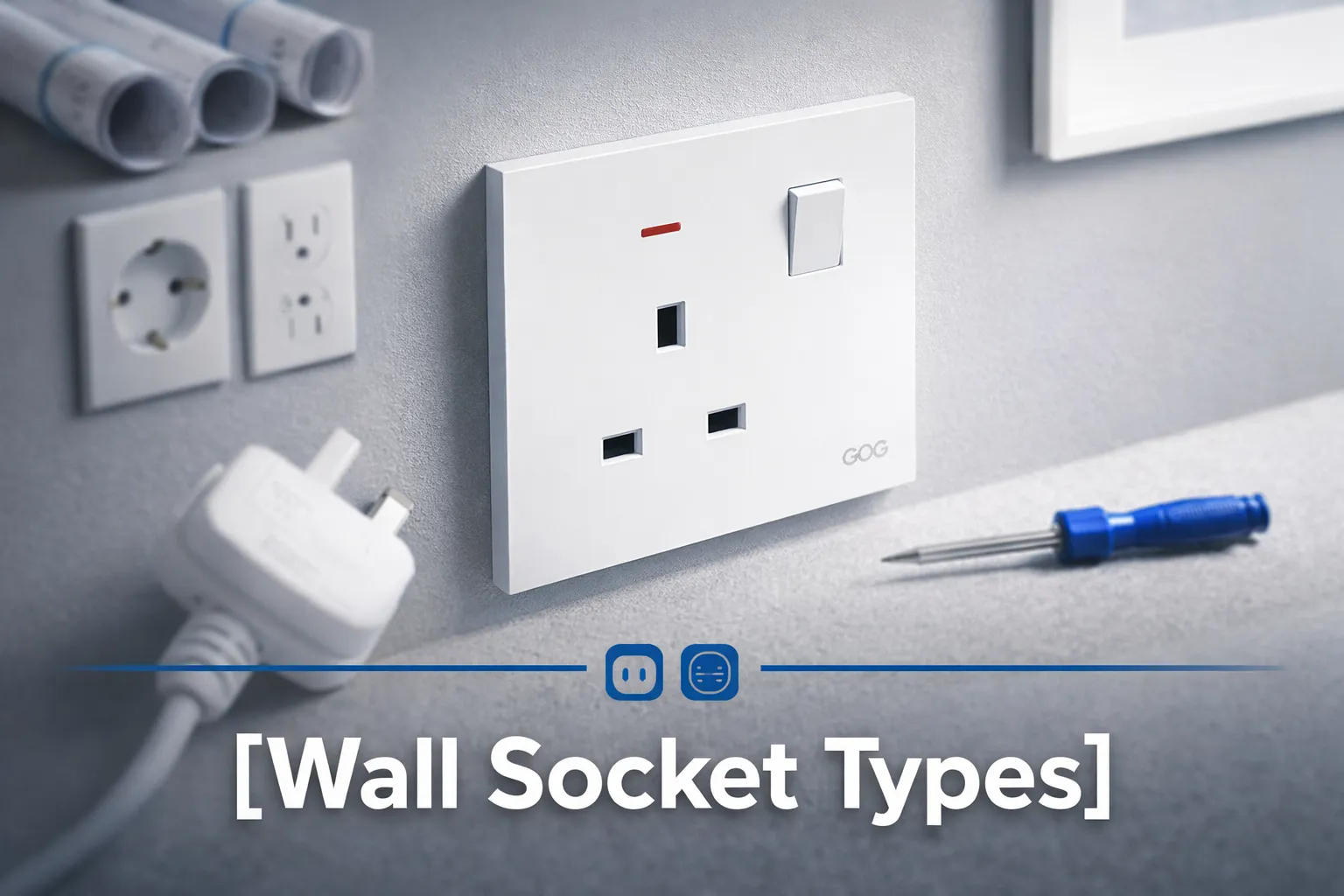
Factors for Determining Which Wall Socket to Use
The wall socket you use is determined by several conditions, including the country you are in, the devices you will plug into that wall socket, and the country’s electrical standards.
1. Verify Local Electrical Codes
Each country has different voltage and plug styles. Before plugging into an outlet, ensure you determine what type of outlet is in your area and what voltage is required to make a safe plug-in.
2. Device Type
Determine what voltage and plug style are needed for the device(s) you want to plug in. An appliance designed for use with a Type-C plug will not work in a Type-G outlet without an electrical adapter.
3. Examine Socket Grounding
Most electronics today require grounding (or ground pins) to operate safely. If you want to use a device with a ground pin, look for wall outlets with ground pins like Type B and Type G.
4. Universal Socket for Versatility
A universal socket can make adapters more versatile. This is particularly useful when traveling to a hotel or conference with an international audience.
Things to Bear in Mind When Choosing a Wall Socket
In addition to compatibility, other factors must be considered when selecting an outlet:
Safety Features: Many of today’s new outlets have built-in safety features (shutters) to protect against accidental electrocution, especially in children’s bedrooms.
USB Ports: Newer outlets often come with built-in USB ports to allow you to charge your smartphones, tablets, and other electronics directly from the wall without needing an adapter.
Smart Features: Smart outlets (those that can connect to a “smart” home system) can be remotely controlled via apps or voice commands.
Aesthetic Considerations: The style of the outlet should complement your overall appearance. Outlets come in a variety of shapes, sizes, colors, and materials to match your space.
Plug Adapters vs. Voltage Converters
If you are traveling or using devices from another country, it is important to understand the difference between a plug adapter and a voltage converter.
Plug Adapter: A plug adapter allows you to connect a device that has a different plug shape to a wall socket. However, it does not change the voltage.
Voltage Converter: A voltage converter adjusts the electrical output voltage of the electrical outlet to be compatible with your devices. This is very important if you are using an appliance that is rated for a lower or higher voltage than what is provided.
Verify the specifications of the appliance you are using to make sure that you are using the right voltage converter or the right type of socket to operate the appliance safely and effectively.
Frequently Asked Questions
Q: How do I know what wall outlet to use?
A: Where you live, the types of electronics that you have, and the voltage rating of those electronics will determine which wall outlet to use in your home. Use your local electrical standards and the acceptance and proper use of your electronic devices to determine what type of socket you should use.
Q: Can I use universal outlets in my home?
A: Yes, universal outlets can be a great way to save time and money when visiting people from all over the world who may have electronic devices that require different types of sockets. Please make sure that the universal outlet you install in your home meets the safety requirements for that outlet (i.e., it has a safety rating).
Q: Are wall outlets that have USB ports safe?
A: Yes, as long as the USB outlet meets safety requirements and has a safety certification. Be sure that the USB ports are rated for the wattage of the device that is plugged into them to avoid damage.
Q: Can I have multiple types of wall outlets installed in my home?
A: Even though it’s technically possible to do this, it’s generally impractical. You should keep your home to the electrical standards of your area and use adapters or other specific products for your special needs.
Q: What is the difference in wall outlets that are grounded and not grounded?
A: Grounded wall outlets (i.e., Type B or Type G) provide an extra level of safety. They reduce the chance of receiving an electric shock or fire when you use an appliance that requires a ground connection. Always use an appliance that requires a ground connection with a grounded outlet.
It is very important to understand the many different wall socket types that exist, as well as what their intended use is, for electrical safety, electrical functionality, and device compatibility. Taking the time to learn about the right socket type to use will save you time, money, and may prevent possible injury. Ensure that the wall sockets meet your local area electrical and mechanical code, and have all the necessary features for your devices. Once you have considered these things, you are positioned to make the best decision for your needs.