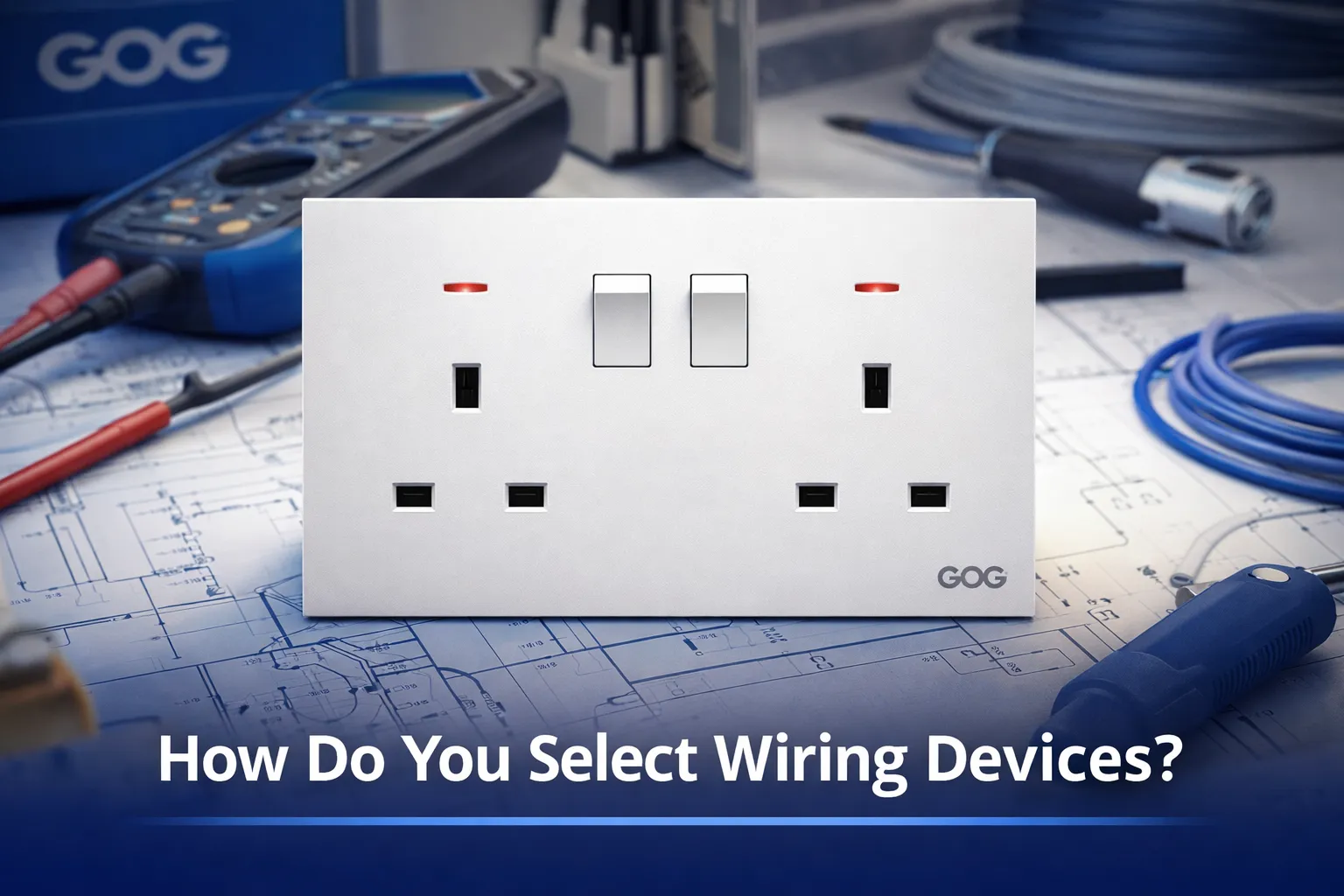
It is essential to select the correct Electrical Sockets to provide a safe, functional, and usable electrical system for any building or electrical application. Whether you are a homeowner, contractor, or distributor, understanding the types of sockets available will aid you in making educated decisions on what meets your functional needs and adheres to local codes and regulations.
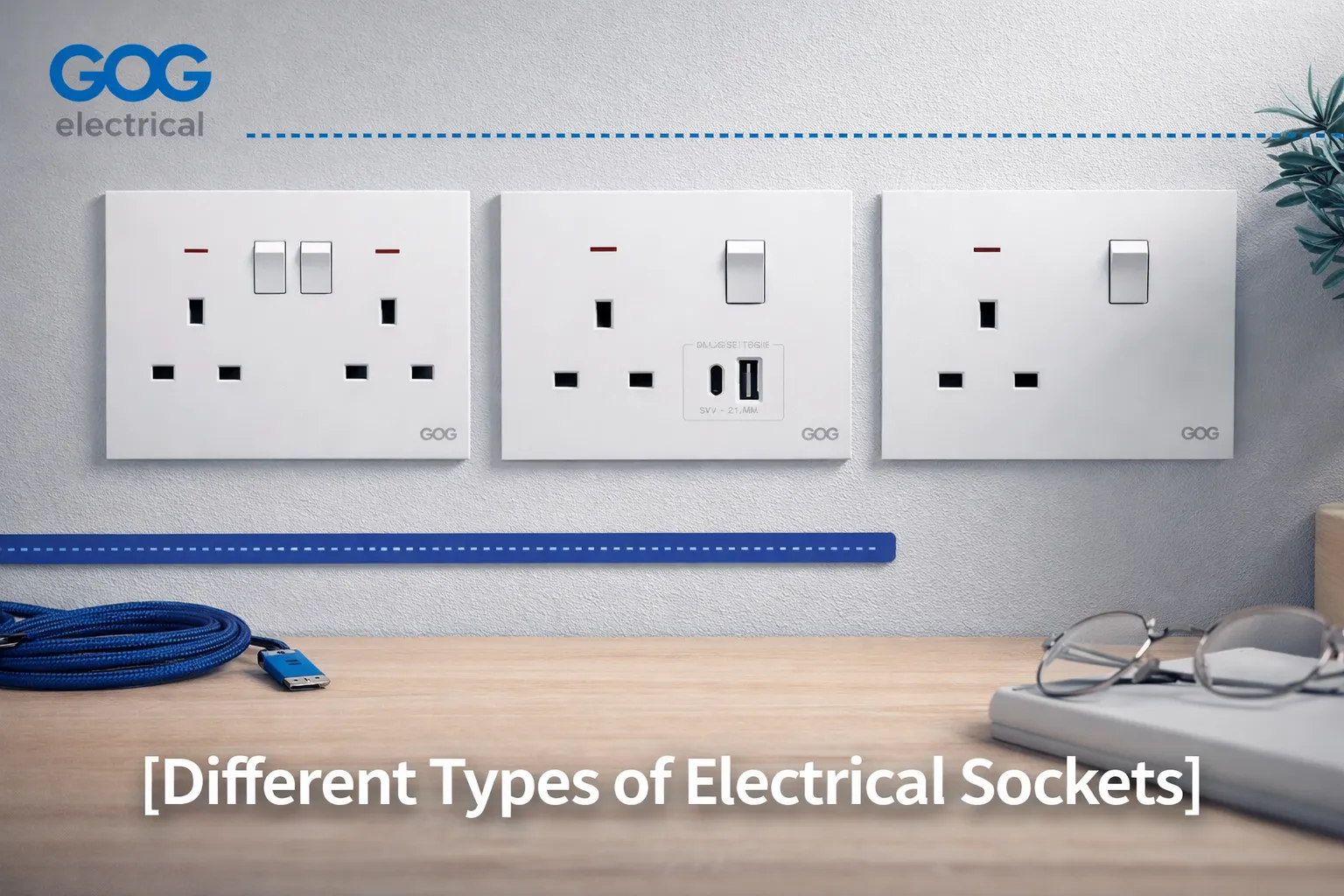
Electrical Sockets – What Are They and Why Are They Important?
Electrical Sockets are connection points that allow electrical devices to safely connect to the source of electricity. They are considered to be the interface of the electrical system and electrical devices, and thus are crucial to the operation of most daily activities, from charging a phone to operating large equipment.
Modern-day sockets include a number of various safety features, as well as the durability and/or smart technology that make them more than just a place to plug something in.
Main Categories Of Electrical Sockets
There are several different types of electrical sockets that have been developed to suit different applications and areas of the world. Understanding the types of sockets that are available will help you to find the best-suited solution to meet your needs.
Standard Wall Sockets
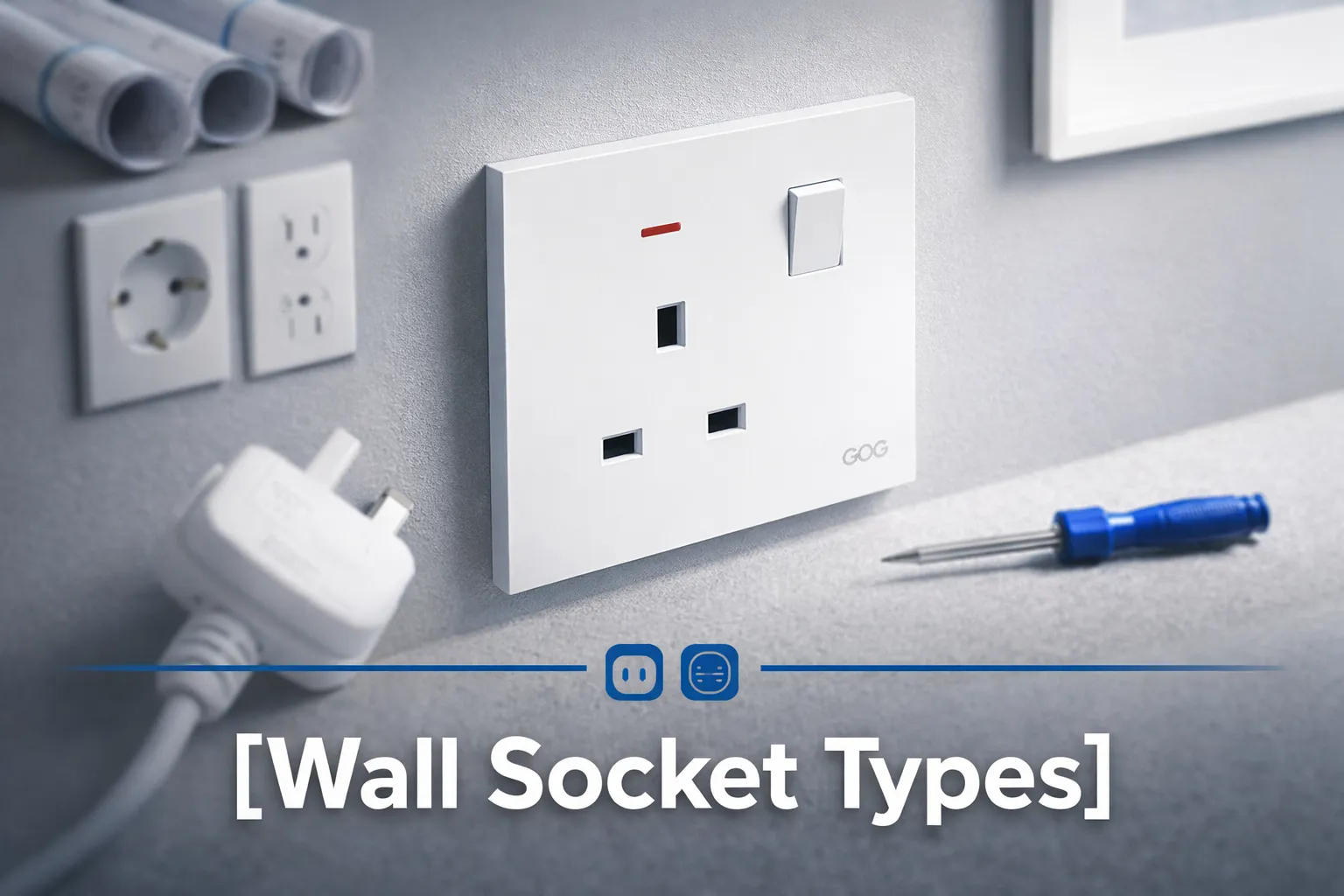
The standard electrical socket type of electrical socket produced is generally used in homes and business settings. The majority of these types of sockets are rated for general-purpose use, and there are a variety of different configurations (Type A, Type G, Type C) of this socket type based on the country you are located in.
Ground Fault Circuit Interrupter (GFCI) Sockets
The GFCI socket is designed to help prevent an electrical shock by cutting the power when there is an imbalance in power use. These sockets are usually used in bathrooms, kitchens, and outdoor locations where the chance of moisture exposure is greater.
Arc Fault Circuit Interrupters (AFCI) Sockets
AFCI Sockets are designed to protect against fires caused by electrical arcing and interruptions. These types of sockets will automatically interrupt the circuit if they detect any arcing. These sockets are used primarily in living spaces such as bedrooms and living rooms. As per modern electrical codes, these devices are becoming more and more common for general usage in bedrooms and living areas as well as throughout the home and work environment.
USB Sockets
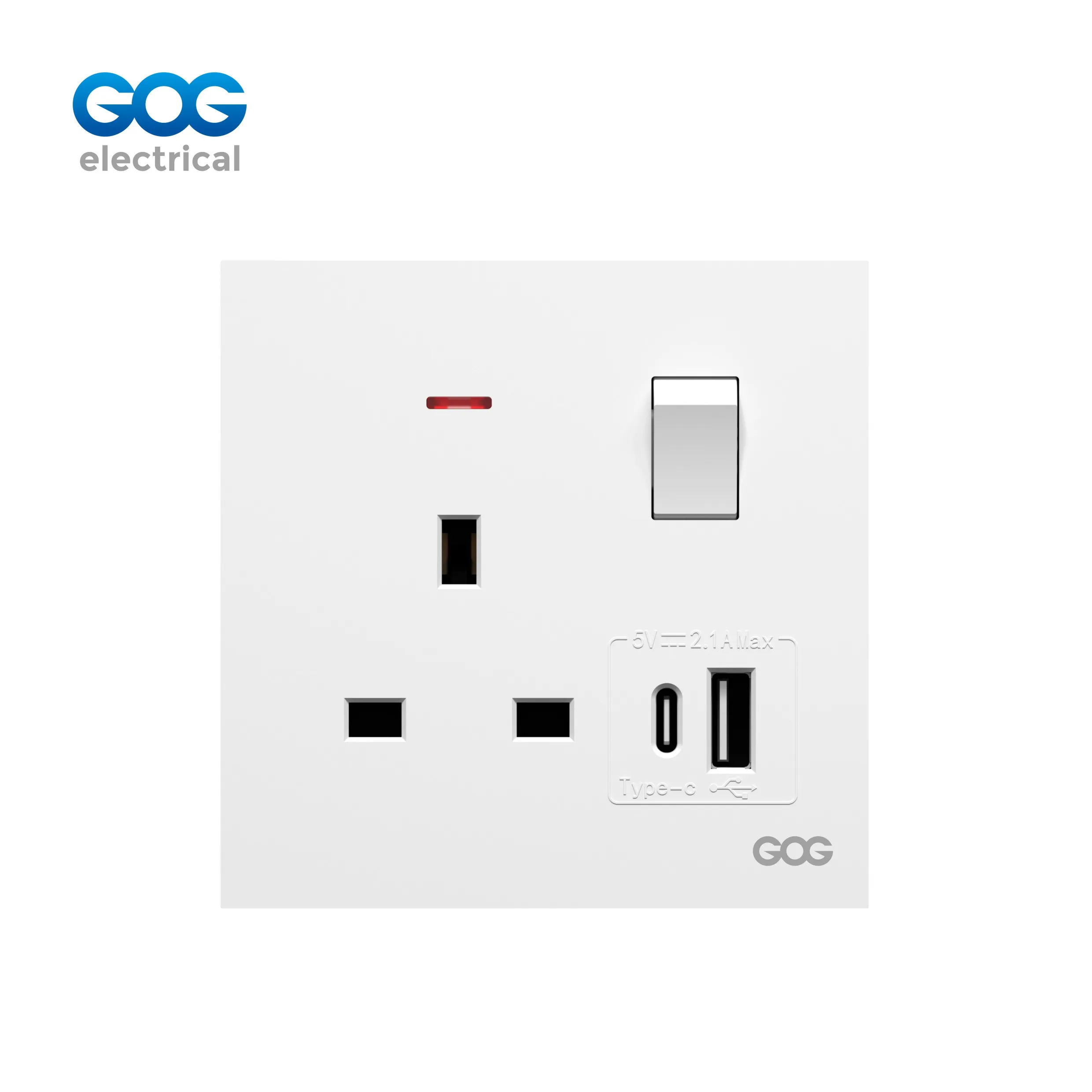
USB sockets allow for direct charging of mobile devices without requiring additional adaptors. USB sockets are particularly prevalent in today’s homes, offices and hospitality industries.
Industrial Sockets
Industrial sockets are designed specifically for heavy-duty applications. Industrial sockets support higher voltages and currents than residential and commercial-grade sockets. Industrial sockets can be found in factories, construction sites, and garages.
Exterior Electrical Sockets
Exterior electrical sockets are specifically designed for outside use. They offer weatherproof designs that provide better protection from rain, snow, and ice. These sockets include higher IP ratings for moisture, draughts, dust, and extreme temperatures.
How to Select an Electrical Socket
When selecting an electrical socket you should take into consideration more than just whether your electrical appliance will fit into the socket. The two most common considerations are as follows:
Specific Use Environment
When using a socket in your home or business, you will need different levels of protection between indoor and outdoor applications. Outdoor sockets must be designed for wet environments and indoor sockets should focus more on aesthetics and user experience.
Electrical Load and Type of Sockets
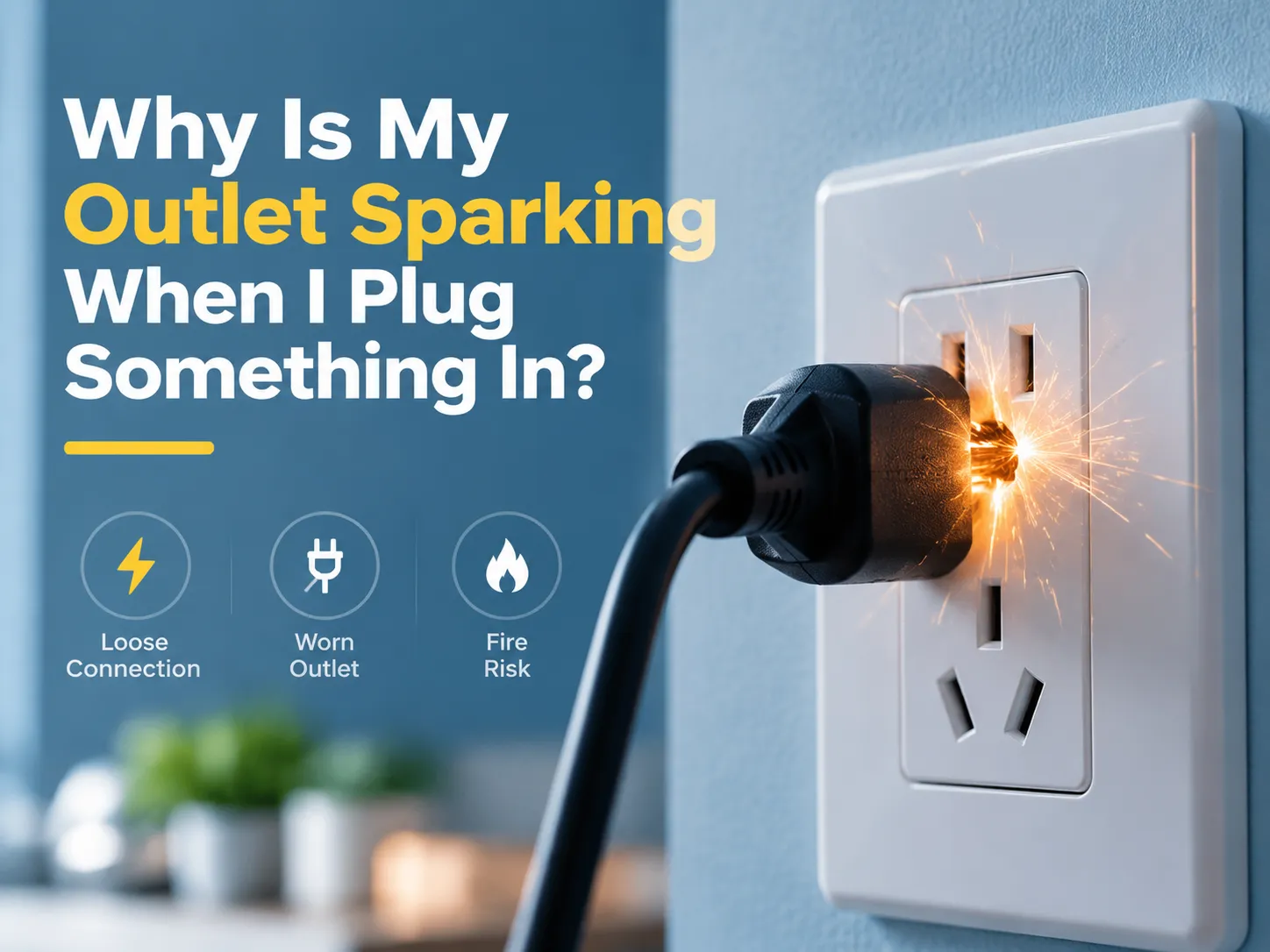
Make sure the electrical socket chosen can handle the electrical load required by the appliance being plugged into it. Overloading the socket can lead to overheating and potential hazards.
Safety Features
Be sure the electrical socket has built-in GFCI (Ground Fault Circuit Interrupter) or AFCI (Arc Fault Circuit Interrupter) systems, particularly if it is being installed in an area that presents a larger-than-normal risk of electrical shock.
Power Quality Compliance and Certification
Always select sockets that comply with standards like UL, CE, or IEC to ensure safety and reliability.
International Socket Types and Compatibility
There is a wide variety of electrical outlets worldwide. North America uses primarily Type A and B, England uses Type G, Europe uses primarily Type C and F, and some countries may even use multiple types of sockets in the same country. Knowing which types of electrical sockets are used in various countries is important when working on international projects or installations involved with travel.
When considering purchasing devices for use in different countries, you may not want to choose the wrong type of socket as it could lead to device failure due to compatibility issues, or potentially damaging devices themselves, so when purchasing equipment, it is best practice to verify what the standard for the country you are using it in is.
New Innovations in Electrical Sockets
In today’s evolving world of electrical wiring devices, there are increasingly smarter, and more efficient electrical socket designs coming available, including smart sockets that have remote control capabilities, energy monitoring capabilities, and integration with home automation systems.
All of these advanced electrical sockets that are available can provide convenience to users and help them to manage their electrical consumption more effectively.
Common Errors Made When Selecting Electrical Socket Types
Many consumers make the mistake of selecting an electrical outlet by only their price and do not take into account the safety requirements or type of sockets they need when selecting the correct electrical outlets. For example, low-quality electrical socket products may not be insulated properly and do not meet safety requirements or are incorrectly used. It is also common for consumers to ignore the environmental requirements, such as the difference between indoor and outdoor sockets and how they can be installed.
Additionally, selecting the correct socket rating based on the electrical load is important because frequent failures in sockets can cause safety issues.
Frequently Asked Questions
Which type of electrical sockets are the most prevalent in the marketplace today?
Both standard wall sockets and the types of electrical sockets vary by country of installation. For instance, in North America, the types of electrical sockets that are common are Type A and B. In the United Kingdom, the Type G, and in most of Europe the Type C.
What is the difference between a GFCI and an AFCI electrical socket?
In basic terms, GFCI electrical sockets are used to provide protection from ground fault electrocution, while AFCI electrical sockets are used to provide protection from arc faults and thereby prevent fires from occurring.
Can an indoor electrical socket be used outdoors?
Indoor electrical sockets are not made to withstand the elements and exposure to moisture or outside environmental conditions; therefore, anytime you are going to be installing electrical equipment or electrical products outdoors, it is important to use electrical sockets that have been certified by the appropriate authorities and are weatherproof with the proper IP ratings.
How do I know what electrical socket rating I need?
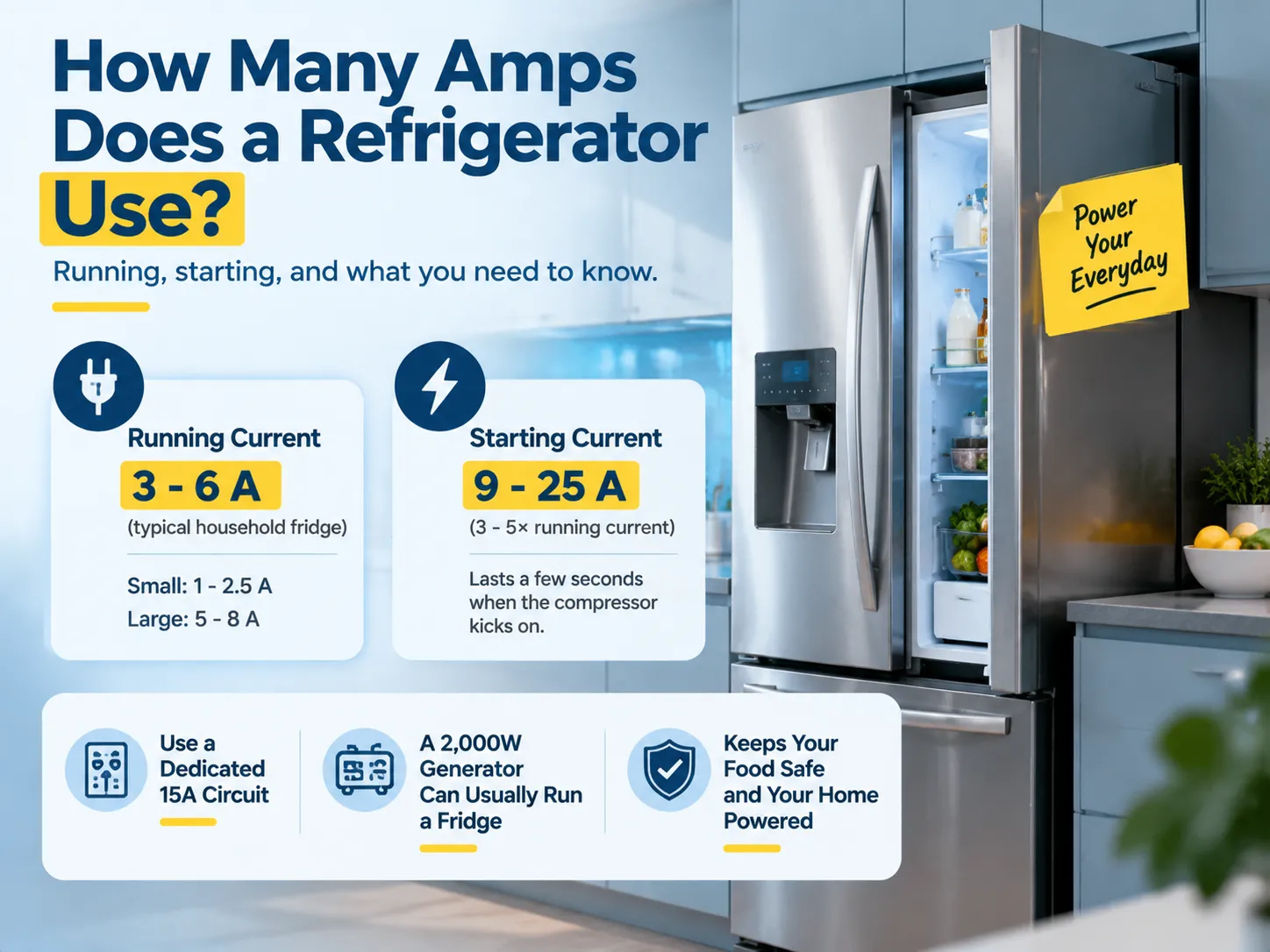
Electrical socket ratings include two aspects: their amperage and voltage ratings. When choosing an electrical socket, it is important that the rating of voltage and amperage for the socket chosen matches the circuit on which it will be installed.
For example, a high-power appliance will require an electrical socket with a higher amperage rating than a low-power appliance.
What benefits do smart sockets provide?
Smart sockets provide conveniences through the remote control of appliances, electrical scheduling, and energy monitoring. Smart sockets can be especially beneficial in energy-efficient homes and systems.
What certifications should I look for when purchasing electrical sockets?
Look for certification marks from recognized standards such as UL, CE, or IEC. These certifications indicate that the product has been tested and meets acceptable standards for safety and performance in various markets.
What is the expected life of an electrical socket?
Electrical sockets that are made from high-quality materials typically will last from 10 years to 15 years of normal use; however, there are many variables that could shorten the life cycle of an electrical socket, including excessive wear and tear or plugging and unplugging electrical devices with poor quality materials.
By gaining an understanding of the different types of electrical sockets, consumers can select their electrical sockets more intelligently and make informed purchasing decisions based on cost, safety, and reliability. By understanding the type of electrical socket application, electrical safety features, and regional compatibility of electrical sockets, users will be able to provide consistent, reliable performance, ensure safety, and develop long-term value through cost savings and increased efficiency.