First step to do before upgrading or installing an electrical system is learning about how to differentiate Switch and Socket Outlet. Both components are common in any type of electrical installations; however, their uses are different. Both homeowners and electricians have to understand how Sockets and Switches work, and how they’re different, so they can safely and effectively use an electrical system.
So, what are some differences between a switch and a socket or outlet?
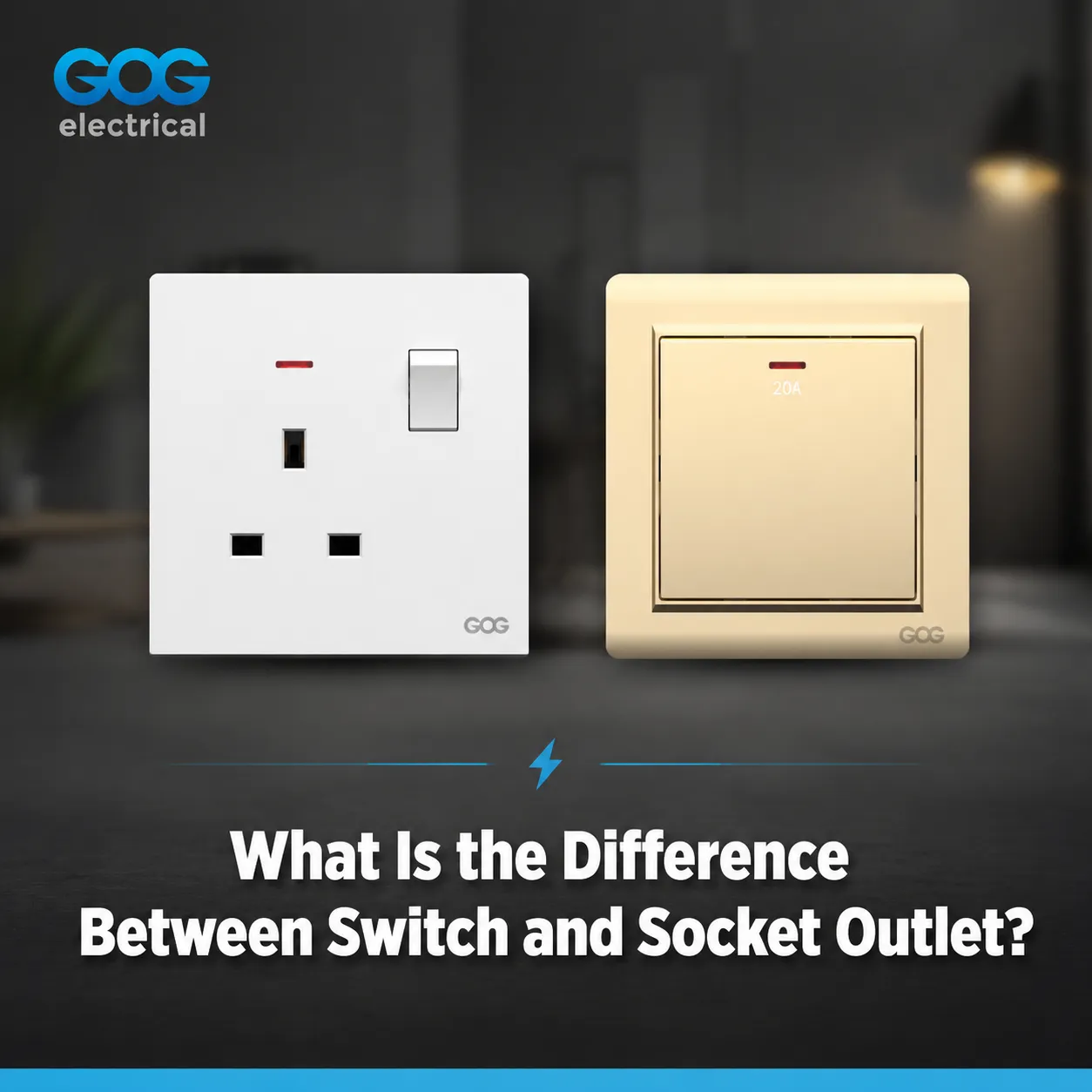
1. Usage A switch is used to make or break the connection (or path) of electricity through the circuit to provide an open or closed condition of the switching circuitry. An outlet is used to provide a means of connecting electrical devices directly to the source of electricity.
2. Physical Structure Switches are typically made from plastic, metal, or a combination thereof, while sockets or outlets are commonly made from plastic and, less often, some have a metal base.
3. Connectivity Switches provide only a connection to an electrical source. By contrast, sockets or outlets provide for the ability to connect an electrical user to the source of power and to another user or device.
4. Wiring Requirements The purpose of a switch is to turn on or off (control) the live electrical current to the load (appliance), while sockets need to accommodate both types of wiring (live and neutral) to allow electricity to flow continuously.
5. Placement Generally, switches will be located in accessible locations such as doors, while the socket placement will typically be at lower heights to allow for ease of plugging and unplugging cords from appliances.
Where Electricity is Controlled – Switches
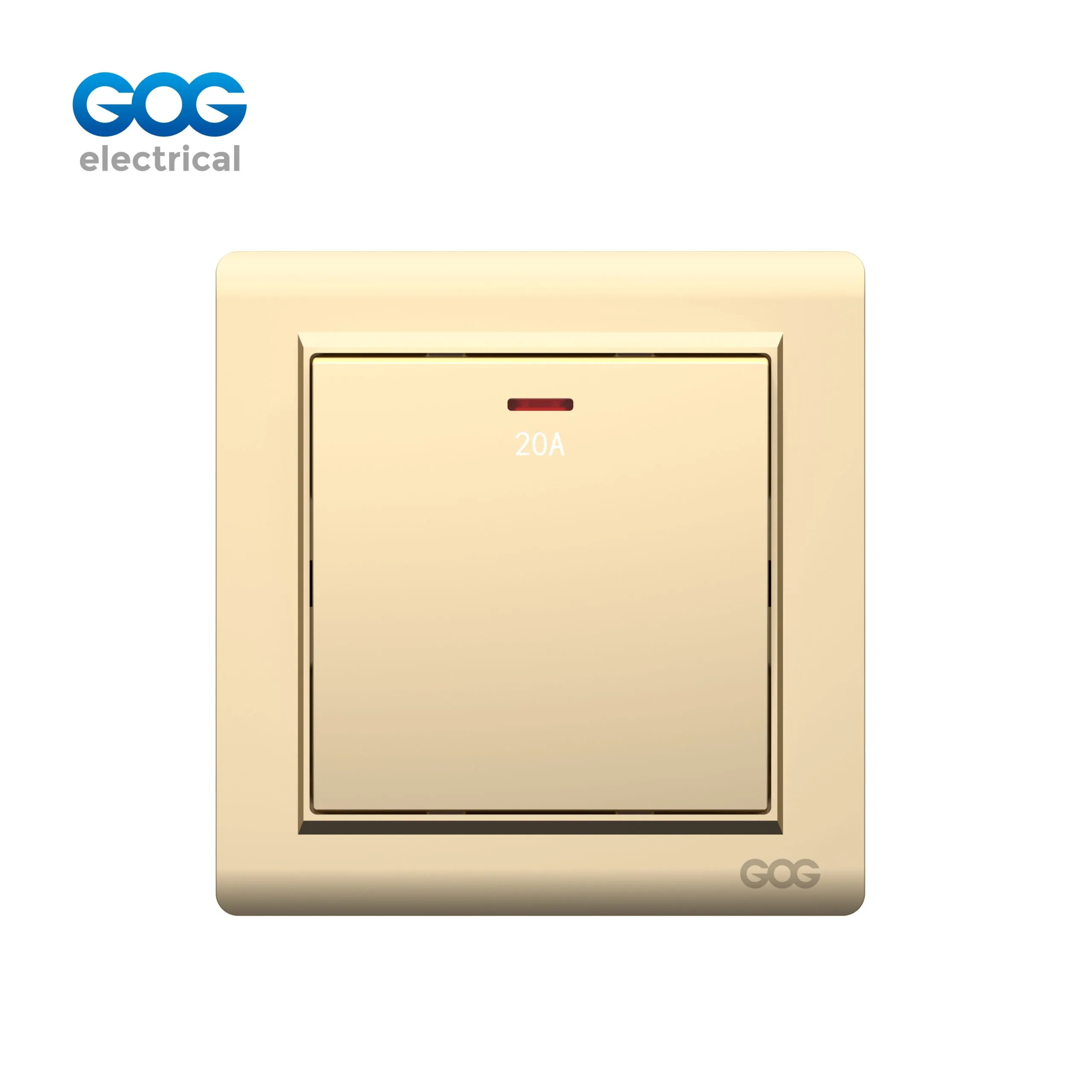
Switch is an electronic device that controls the flow of electricity through a circuit. A switch connects the circuit or creates a break in the circuit through its mechanical operations that sequences the opening and the closing of that circuit and/or with other devices to allow or prevent flow of power to appliances, lamps, equipment, etc. Switches give you the ability to control electric power to devices. Examples of switches include:
– Single Pole Switch: A basic switch used for controlling one circuit to light on a wall.
– 3-way Switch: Used to turn on/off the same light in two different locations.
– Dimmer Switch: Controls brightness of a lumen to create an ambiance.
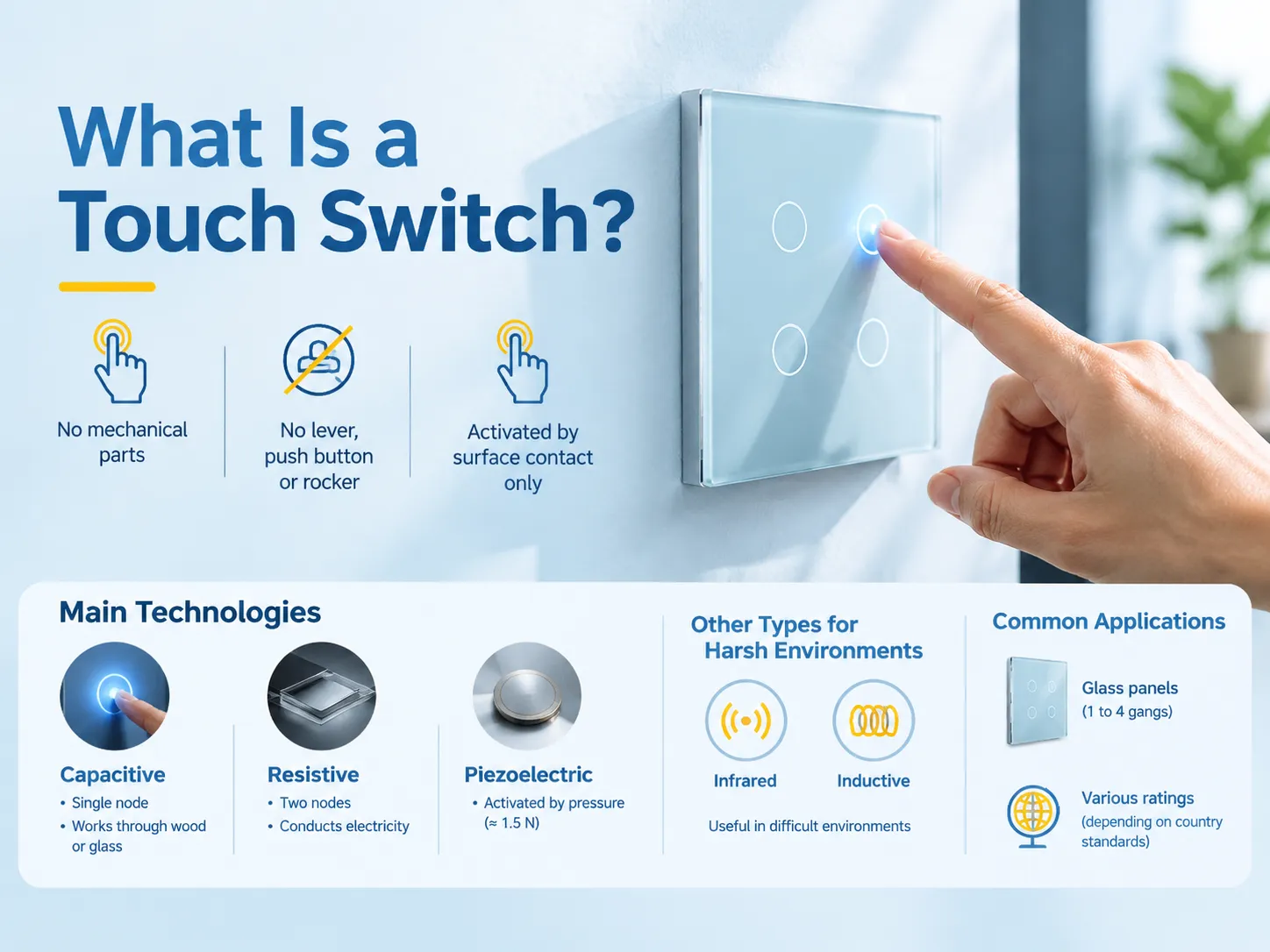
– Smart Switch: Switch with built-in wireless or Bluetooth, can be controlled through a smartphone or with voice.
Most switches in homes are mounted in easily accessible or usable areas. They can also be used to control other devices like ceiling and exhaust fans, HVAC equipment, and more.
Power Connectors for Appliances – Socket Outlets
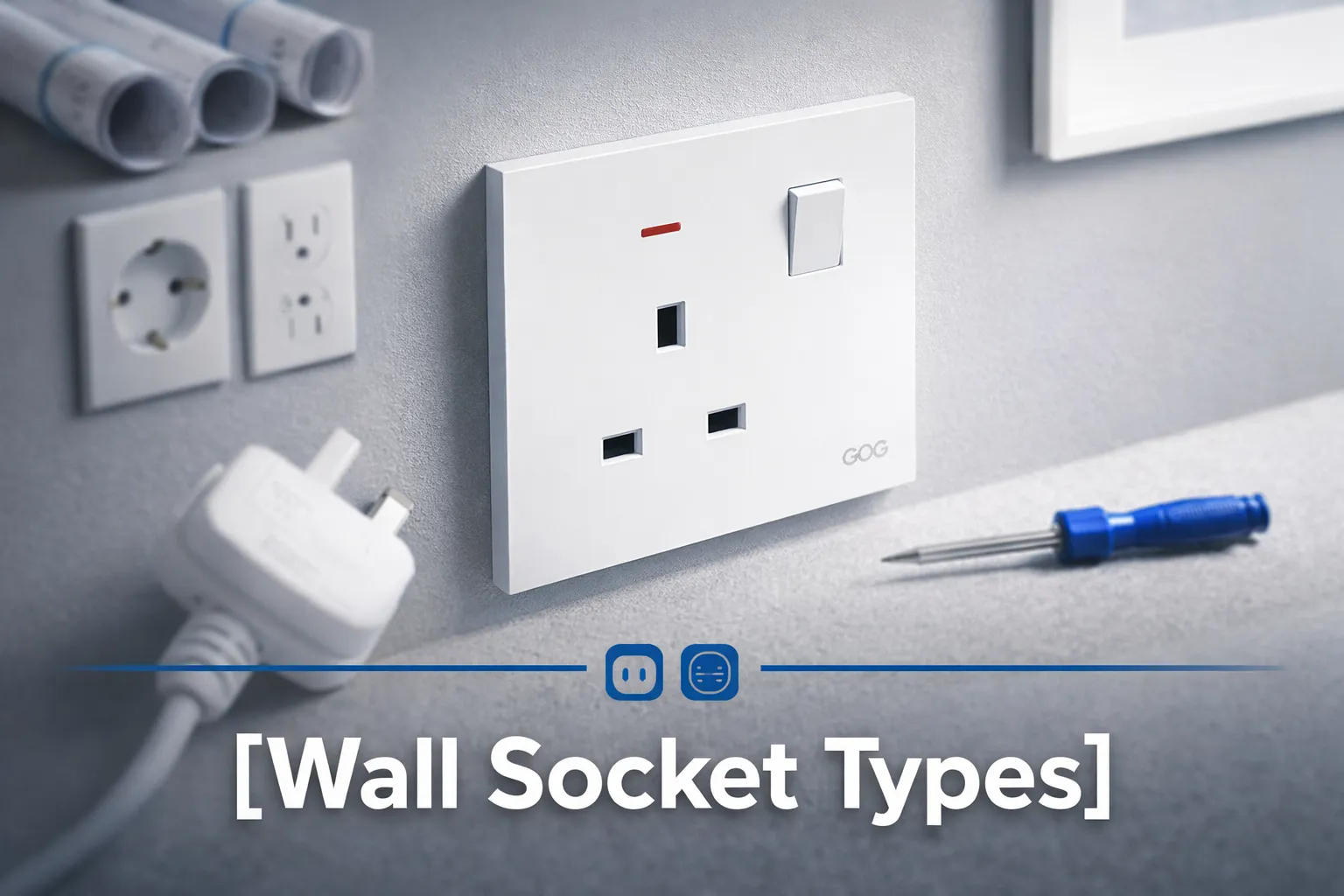
Power connector sockets, called accessory receptacles, are devices that connect electrical equipment to electricity to draw current. Sockets are different from switches in the sense that sockets connect electrical devices and equipment to electric supply, while switches simply control the flow of electricity. There are many types of sockets found in homes today, including:
– Standard Power Outlets: The basic outlet, commonly found throughout the home, used to operate lamps, televisions, and appliances.
– USB Outlets: Allow you to plug a mobile phone or similar device directly into the outlet to charge without the need for another adapter.
– Smart Outlets: Allow you to control and monitor connected devices from your smartphone or smart home network.
– Weatherproof Outlets: Designed for use outside in wet weather; these outlets are fully water-resistant. Properly locating sockets is critical to ensuring that appliances or equipment can be operated. Kitchen outlet locations, per the National Electrical Code (NEC), specify where an outlet should be placed based on the zone in which the outlet will be used; this ensures easy access to an outlet when preparing food.
How Do Switches and Sockets Work in an Electrical Circuit?
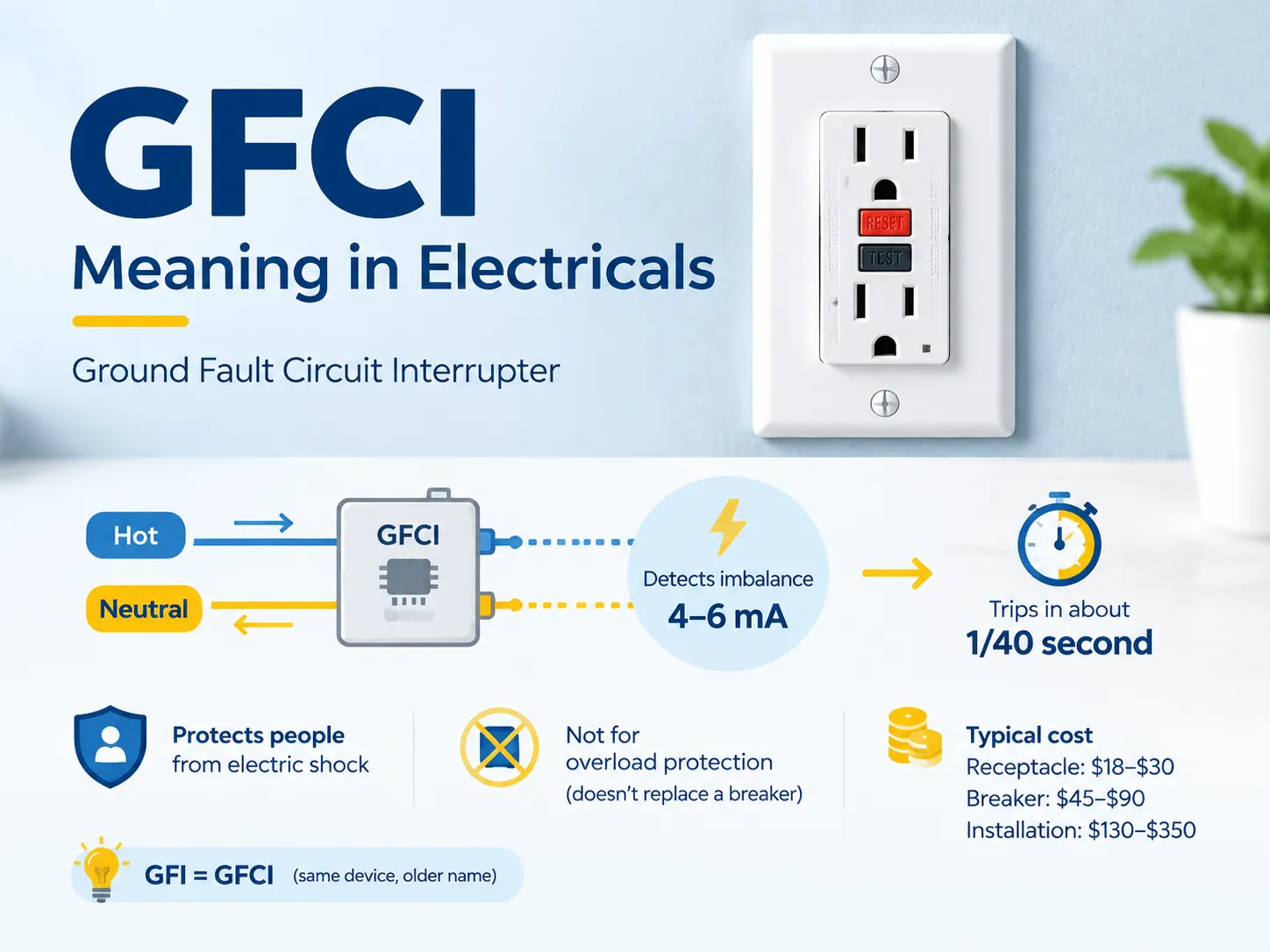
Switches work as a controller of the electrical (power) circuit. When a switch is turned on (enabled), it closes (completes) the raceway circuit in order for the power to flow from the source through the wiring to the load (the connected device). When switched off, the circuit is open (disconnected) and power cannot flow to the load since there is an incomplete raceway circuit. Sockets work by creating a connecting point between the source of power and the appliance. When a plug is inserted into the socket it connects to the electrical system (power). The addition of safety devices such as fuses and circuit breakers work to eliminate conditions of short circuit and overcurrent.
Types of Sockets and Switches for Specific Uses
Technology advances have brought forth many emerging technologies which provide new features for sockets and switches, which means they can fulfill an infinite number of user requirements as examples below will indicate:
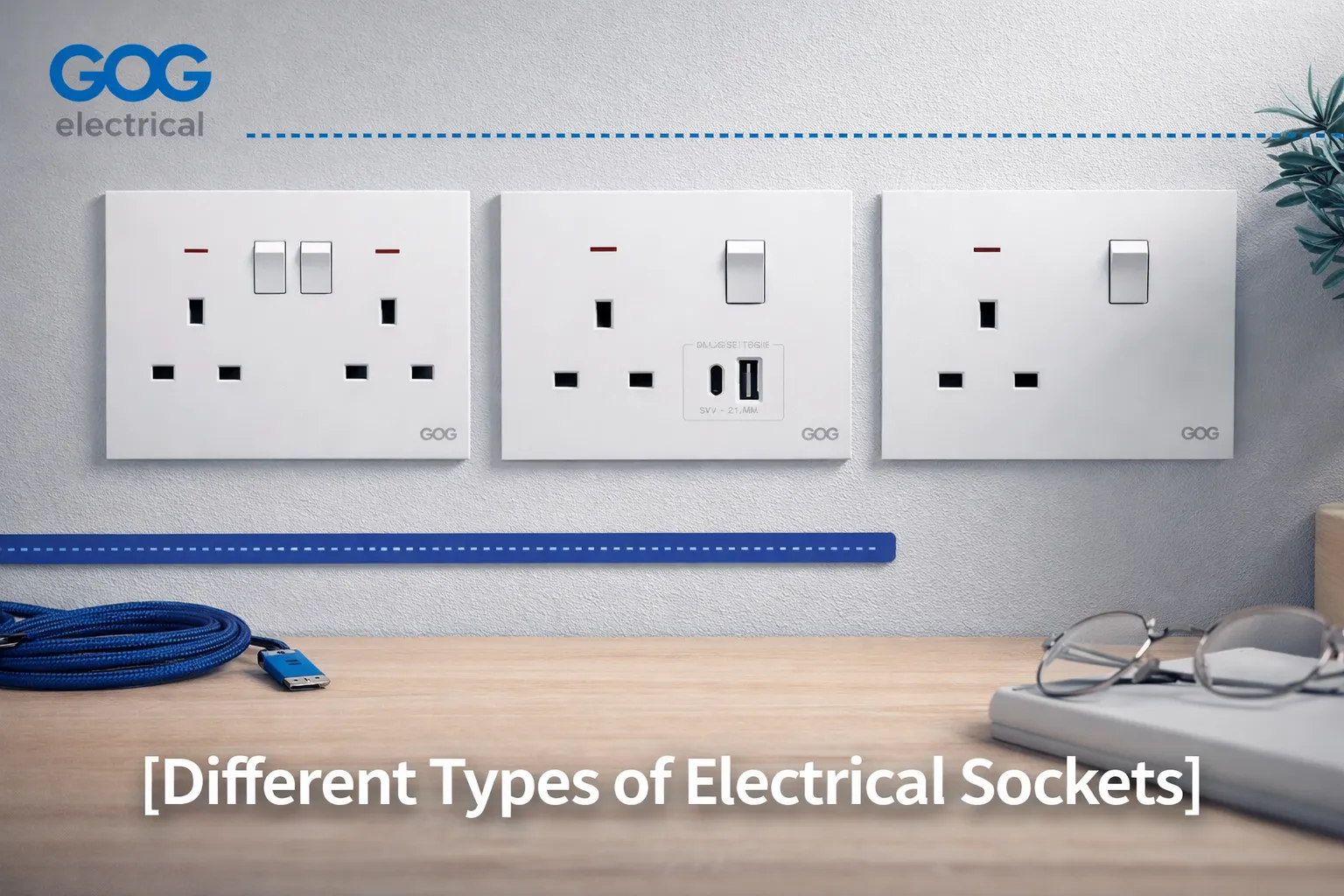
– Combination Units: Socket and switch inside an “all-in-one” box, perfect for bathrooms or kitchens.
– Childproof Sockets: With built-in safety shutters so children cannot accidentally contact them, these sockets are especially great for homes with small children and provide users with peace of mind.
– Multi-Socket Outlets: A multi-socket outlet allows the user to plug multiple devices into the same wall outlet, making them ideal for use in offices and entertainment systems as well as at home.
– Decorative Covers: Decorative covers complement any decor style and allow the user to harmonize the look of their switches and sockets with the rest of their home decor. To determine which type of switches and sockets are right for you, consider the variety of functions that are available, how well they meet your functional needs, and how they will help improve the appearance of your home.
Factors to Consider When Choosing Switches and Sockets
When making the final decision on what switches and sockets will work best for you, pay careful attention to the following key points: Safety, Aesthetics, Functionality & Energy Efficiency!
– Safety Standards: Check that any products you consider meet the local regulations and codes that apply in your region, as well as carry the appropriate certification markings such as CE Marking or UL-listed products.
– Durability and Quality: Select durable products made from high-quality, fire-retardant materials such as polycarbonate, and ensure that both the product and its components are sufficiently robust to withstand normal wear and tear.
– Aesthetics: Select products based on their appearance and finish so that they blend well with the rest of the interior design of your home.
– Capacity: The rated capacity of your socket and switch should always exceed the power demands of the devices that you intend to connect to them.
– Future-Proofing: Think ahead when selecting switches and sockets by installing smart technology to allow for future upgrades of any type (remote functionality, compatibility with new devices, automation capabilities, etc.).
FAQs
1. What is the basic function of a switch and socket in an electric circuit?
In simple terms, a switch is a circuit device that regulates the flow of electricity through a circuit by turning a circuit on/off, and a socket is a connection point from where electrical devices draw power from the circuit.
2. Can I install a switch or socket on my own?
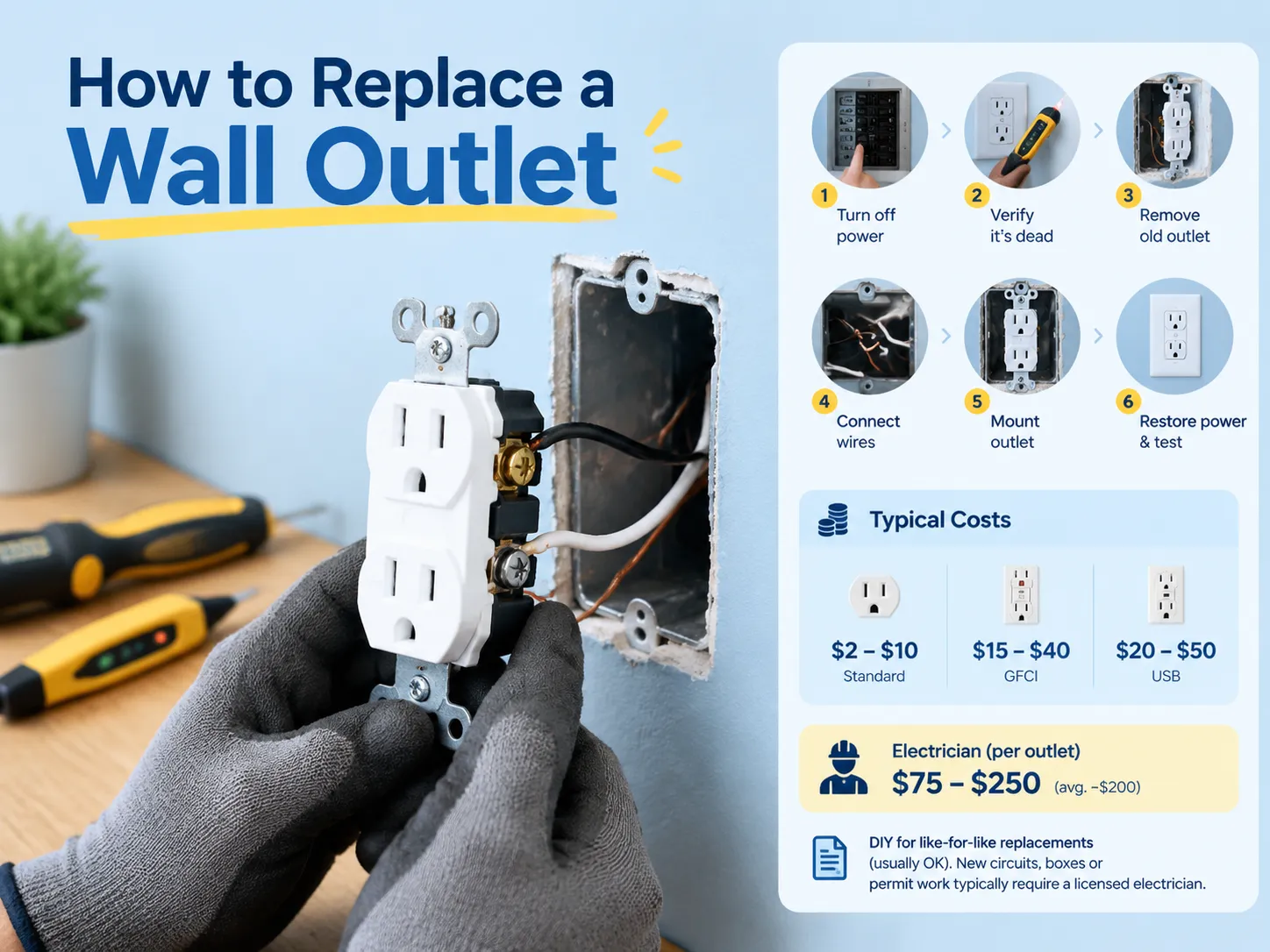
Although some homeowners can perform minor installations of a switch and socket, the safest way to install a switch or socket is by hiring a qualified and certified electrician to ensure they are installed correctly and meet all required regulations.
3. What is the difference between a single switch and a combination switch?
A single switch is designed to control one electrical circuit, while a combination switch combines multiple functions into one switch/sockets.
4. Is it worth the investment to buy smart sockets or switches?
Yes! Smart sockets and switches allow remote operation, monitor energy usage, and provide automated controls, making them ideal for today’s technologically enabled homes.
5. How do I determine if an outdoor socket is safe?
When looking for an outdoor socket, look for UL rating or appropriate rating intended for use outdoors (i.e., IP-rated), which provides protection against moisture or dust.
Ideally, your home should include switches to control the electrical circuits within it, and sockets to connect your electrical devices to the power source. Understanding which type of switch/socket performs what task, as well as how numerous different types of switches and sockets are available to be installed into the home, will help to make informed decisions when choosing switches and sockets. You can find the best products by considering your own individual needs concerning functionality, appearance, safety, and electrical performance, and purchase products that improve the convenience, efficiency, and safety of your home.