An appliance that is based on a normal electrical supply can operate as either a power receptacle or switch. An outlet can be equipped with a switch, which allows for control of power directly to the outlet. However, over time, some parts of the appliance may have become defective or dysfunctional, thus requiring an owner to learn how to repair his/her receptacle switch (commonly known as a socket switch). It is good practice to have knowledge of how to fix a socket switch because repairing your appliance could save you money in both repair costs and future safety hazards. This article will provide basic troubleshooting steps for common defects that may occur with one of these types of switches and give some preventative maintenance tips to help your switch function properly in the future.
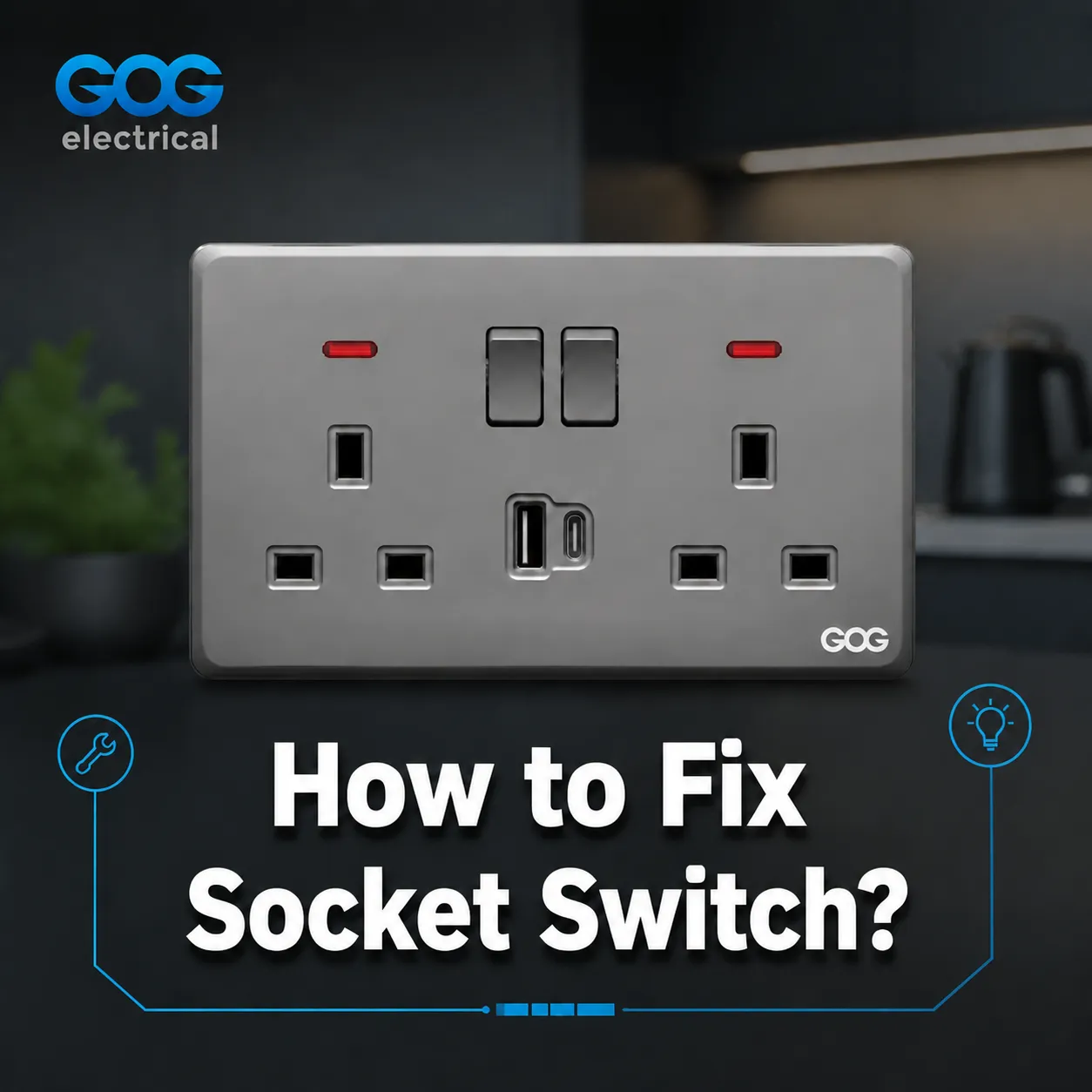
Common Issues with Socket Switch/Power Outlet Combination
Before discussing the steps to take to repair a socket switch/power outlet combination, it will be helpful to provide a list of the more common defects associated with one of these devices.
- Poor or loose wire connections: As time goes by, the connection between the wire and the switch may become loose and, in some cases, even break, resulting in the connection of the switch to the power source becoming inconsistent or fully ineffective.
- Physical damage: Physical damage to the unit could result from cracks, breakage, or burns to either the switch or to the outlet-style housing unit.
- Moisture and/or dust buildup: Moisture and/or dust buildup within the switch housing unit could cause corrosion or wear that could impact the performance of the unit, potentially leading to electrical fires due to exposed electrical components.
- Switch mechanisms fail: The switch mechanisms may fail to toggle or completely fail, resulting in the switch failing to control the device connected to it.
Steps to Repair a Socket Switch/Power Outlet Combination
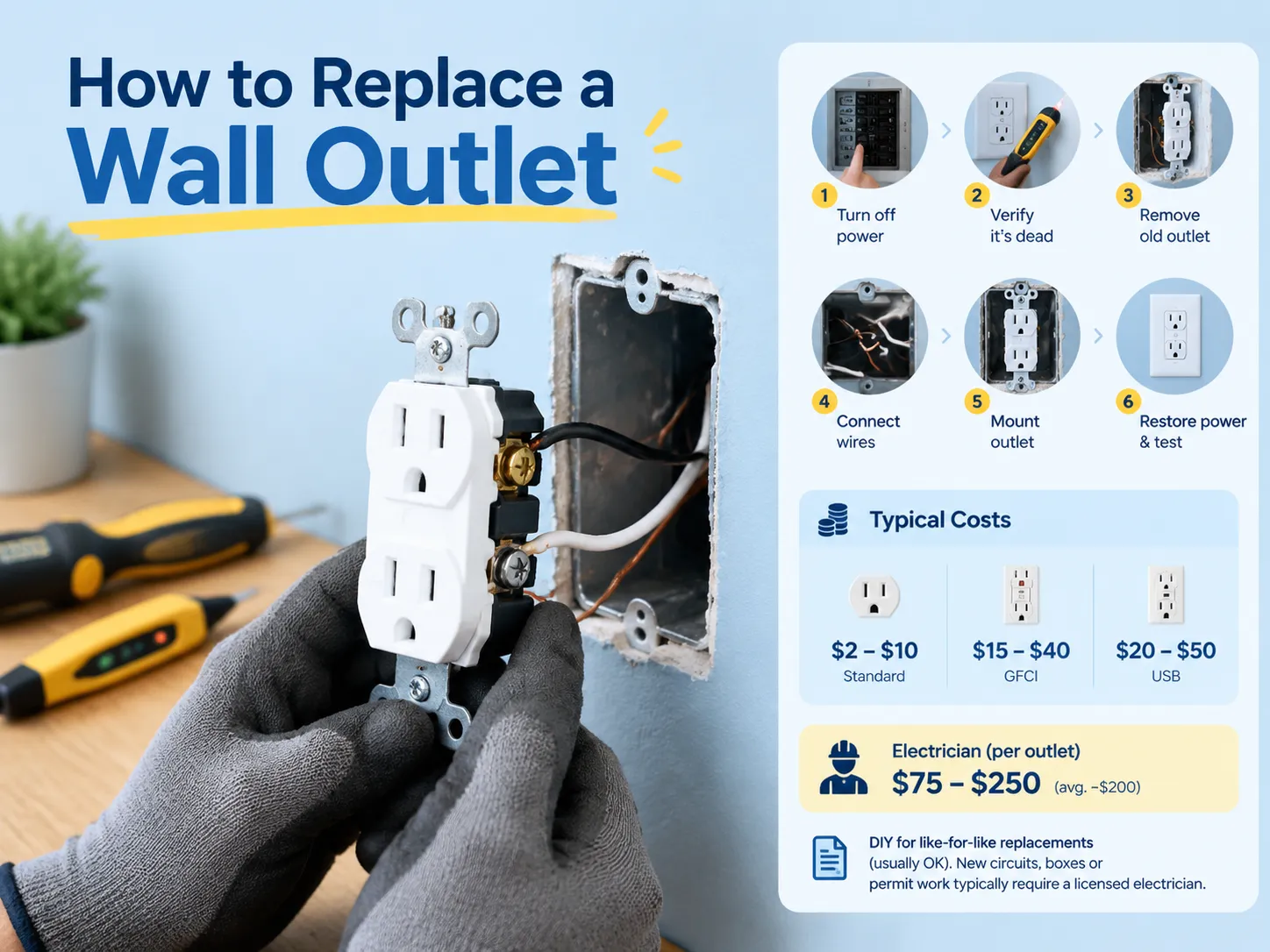
To be able to safely and effectively repair a defective socket switch/power outlet device, the following key steps should be followed.
1. Turn Off the Power
The first and most important step is to turn off the power to your switch/socket combination. First, find your electrical panel and switch off the circuit supplying power to your socket switch. Once off, check the socket itself using a voltage tester. If there is no electrical current running through it, proceed to step two.
2. Remove the Faceplate
Second, remove the faceplate using a screwdriver to expose the wiring behind the faceplate, including the screws. During this step, check for any visible damage to either the wiring (such as burned insulation) or the screws (such as rust).
3. Inspect the Wiring
Next, check the wiring for any loose screws or connections that may have become disconnected or corroded. Tighten any connections that have become loose by using a screwdriver, and clean off any corrosion from the contacts using either a dry cloth, or some fine sandpaper.
4. Replace Damaged Components
If there are any defective components such as the socket switch, or any of the wires (hot, neutral, ground) connected to the socket switch, these should be replaced with matching parts so that the socket will operate correctly and safely. Most manufacturers provide installation instructions with replacement parts.
5. Test the Socket Switch
Finally, once all repairs have been completed and the faceplate has been reattached and secured with screws, then turn the power back on and try plugging something into the socket switch and toggling the switch on and off. This paragraph is successfully completed if everything has gone according to plan.
When to Get in Touch with an Expert
One of the most common ways for individuals to get involved in home improvement is through DIY, so replacing a socket switch can fall into that category as well. On the other hand, replacing a sock switch requires an experienced, licensed electrician in the following situations:
- When you don’t know how to wire it or if there are any mistakes with the safety.
- If the socket switch has extensive damage (e.g., melted plastic or scorched plastic).
- Even after repairs, if the socket continues to function poorly or trips the breaker.
Electrical fixes can be hazardous when not done properly. If you are unsure about how to fix a socket switch, you’ll want to put safety first and consult with an expert.
Preventing Problems with Socket Switches
Taking care of your socket switches and sockets wall switches can help prevent problems in the future. Here are some helpful tips to avoid any socket switch problems:
- Check your sockets and switches for indications of wear and damage on a regular basis.
- Avoid putting too much load onto an outlet so that it will not overheat.
- Always ensure that electrical systems are properly grounded to avoid safety issues.
- Keep your switches and outlets clean and dry to avoid corrosion.
Frequently Asked Questions
How do I Replace a Socket Switch?
First, check that you have turned off the power supply to the circuit before replacing your socket switch. Then, remove the faceplate and inspect the wiring. Next, tighten all connections that might be loose, replace any parts that might be broken, and finally test your socket switch after you put it all back together. If at any stage during this process you feel uncomfortable replacing your socket switch, then please consult with a licensed electrician.
How Much does Replacing a Socket Switch Cost?
Generally speaking, replacing your socket switch yourself is cheaper than hiring a contractor to replace your socket switch for you. The price of parts generally runs between $10 and $30, though the price will vary based on the type of socket switch you are using. However, if you decide to hire a qualified electrician to perform the work then you will have to add in your electrician’s cost to the price of replacing your socket switch.
Can You Repair a Burned Socket Switch?
If your socket switch has burn marks or melted plastic, it is generally better to replace the entire unit than to attempt to repair your socket switch, as the damage may have caused a safety issue.
Is it Safe to Use Contemporary Electric Sockets with Switches?
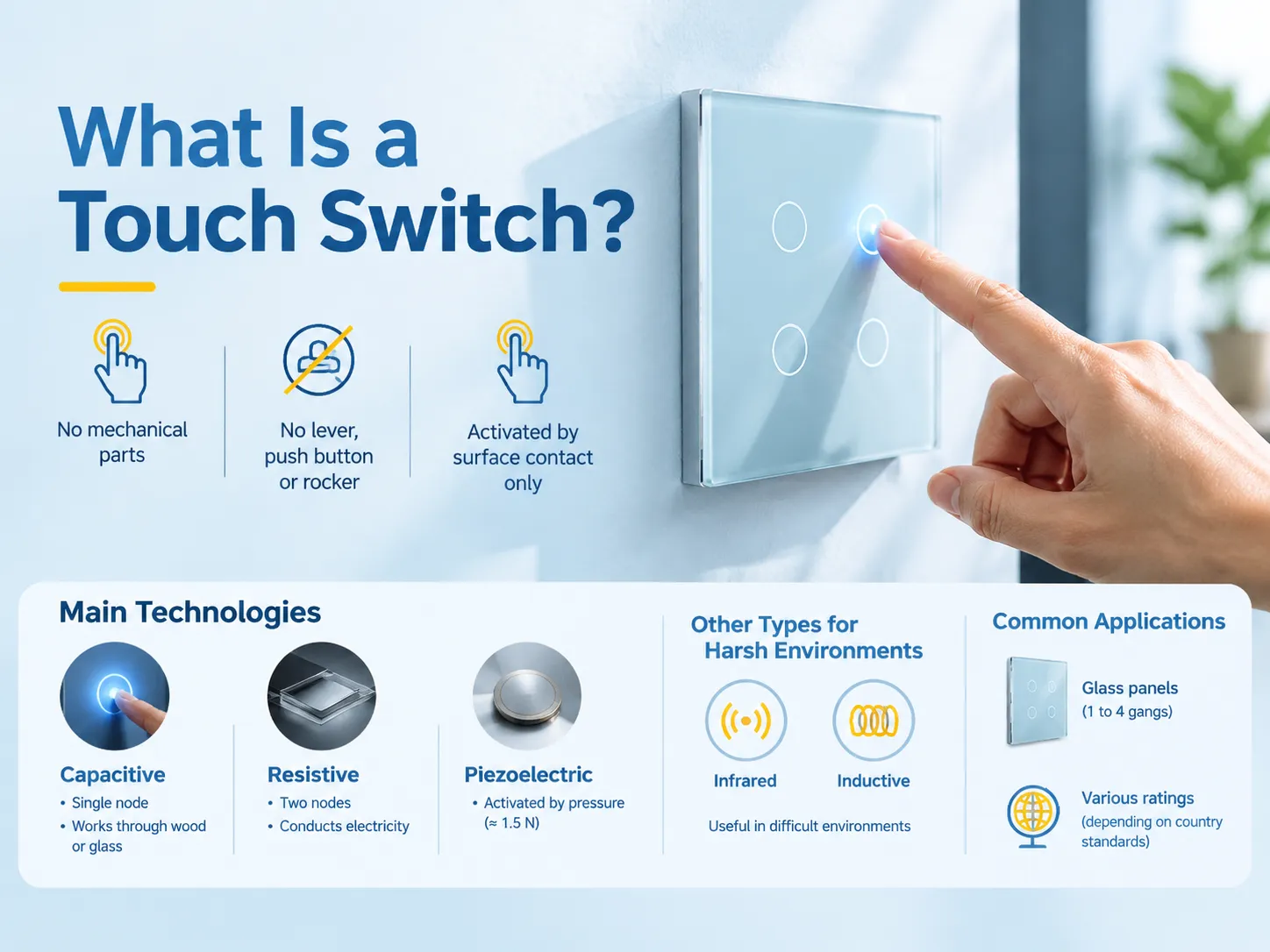
Absolutely! If you are looking for an upgrade in terms of safety features, appearance, and function; if you convert to a contemporary electric socket with an integrated switch you will receive all three. Some contemporary electric socket switches also come with built-in surge protectors or USB charging ports.
To sum up, changing your socket switch shouldn’t be that difficult if you take your time and use the right equipment and materials. Regular maintenance and prompt repairs will make your sockets and switches last a long time. But once again, when you are unsure of how to do your socket switch repair, you need to contact a qualified electrician.