Designing or remodeling your kitchen can be a lot of fun, but you also have to plan carefully to create an efficient and functional kitchen. One of the key components of kitchen design that most people don’t think about is the electrical plan. Having the right locations for electrical outlets and power sockets will provide ease of use when cooking and will also enhance the safety and code compliance of your kitchen.
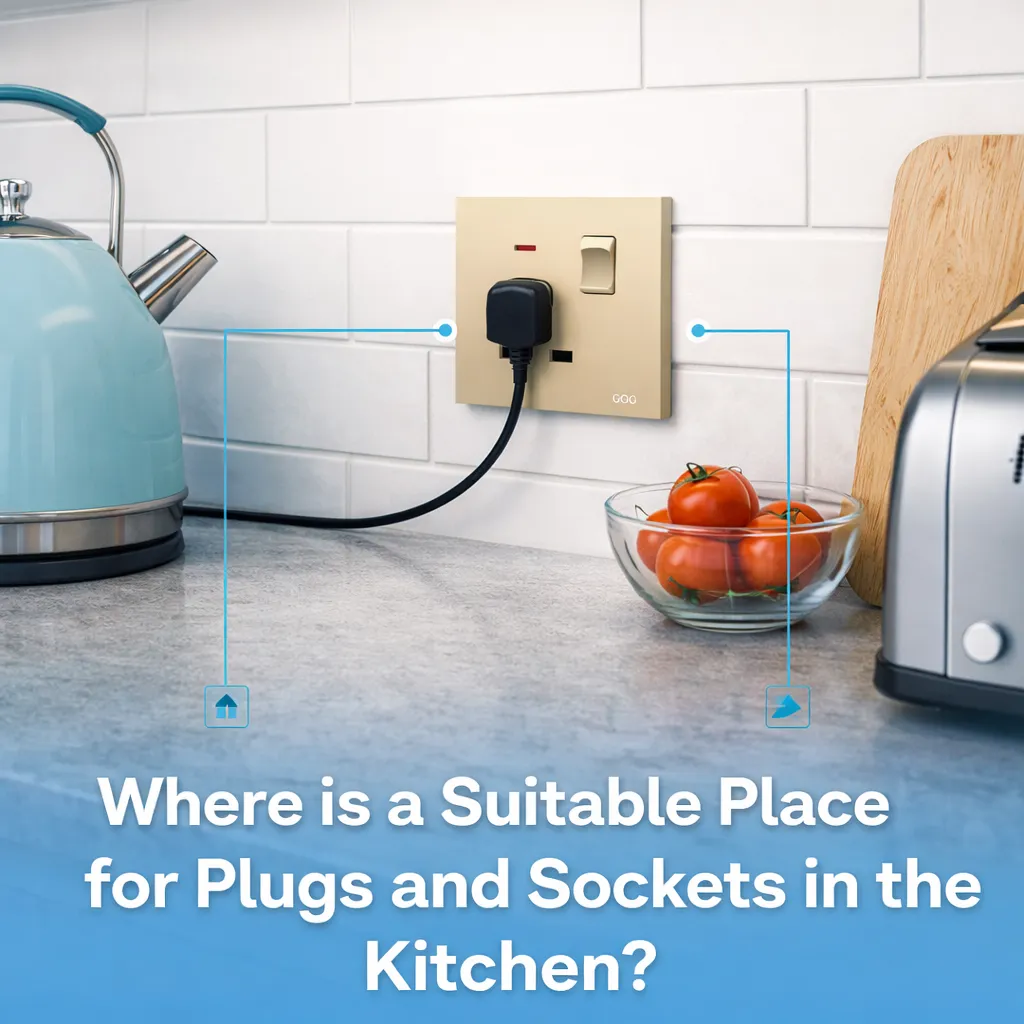
Things to Think About When Placing Electrical Outlets and Power Sockets in Your Kitchen
Placing electrical outlets and power sockets in a kitchen involves more than just aesthetics; they also have an impact on how usable, safe, and functional your kitchen is. Here are three important factors you need to keep in mind as you create your electrical plan:
1. Easy Accessibility and Convenience
You will use electrical outlets and power sockets almost every time you work in the kitchen. You should place these outlets very close to where you will frequently use small appliances like kettles, toasters, and blenders. Typically, electrical outlets installed at countertop height will be the easiest to access when using appliances. By using countertop height outlets, it will give you the easiest way to use an appliance without having to reach up or unplug other appliances.
2. Appliance Zones
When placing electrical outlets and power sockets in your kitchen you should consider where you are going to be putting your appliances. For example:
-
Cooking Zone: You should put electrical outlets near your cooktops and ovens to use for small cooking tools, such as timers or mixers.
-
Preparation Zone: You should have plenty of electrical outlets near your counter for your appliances, including food processors and coffee makers.
-
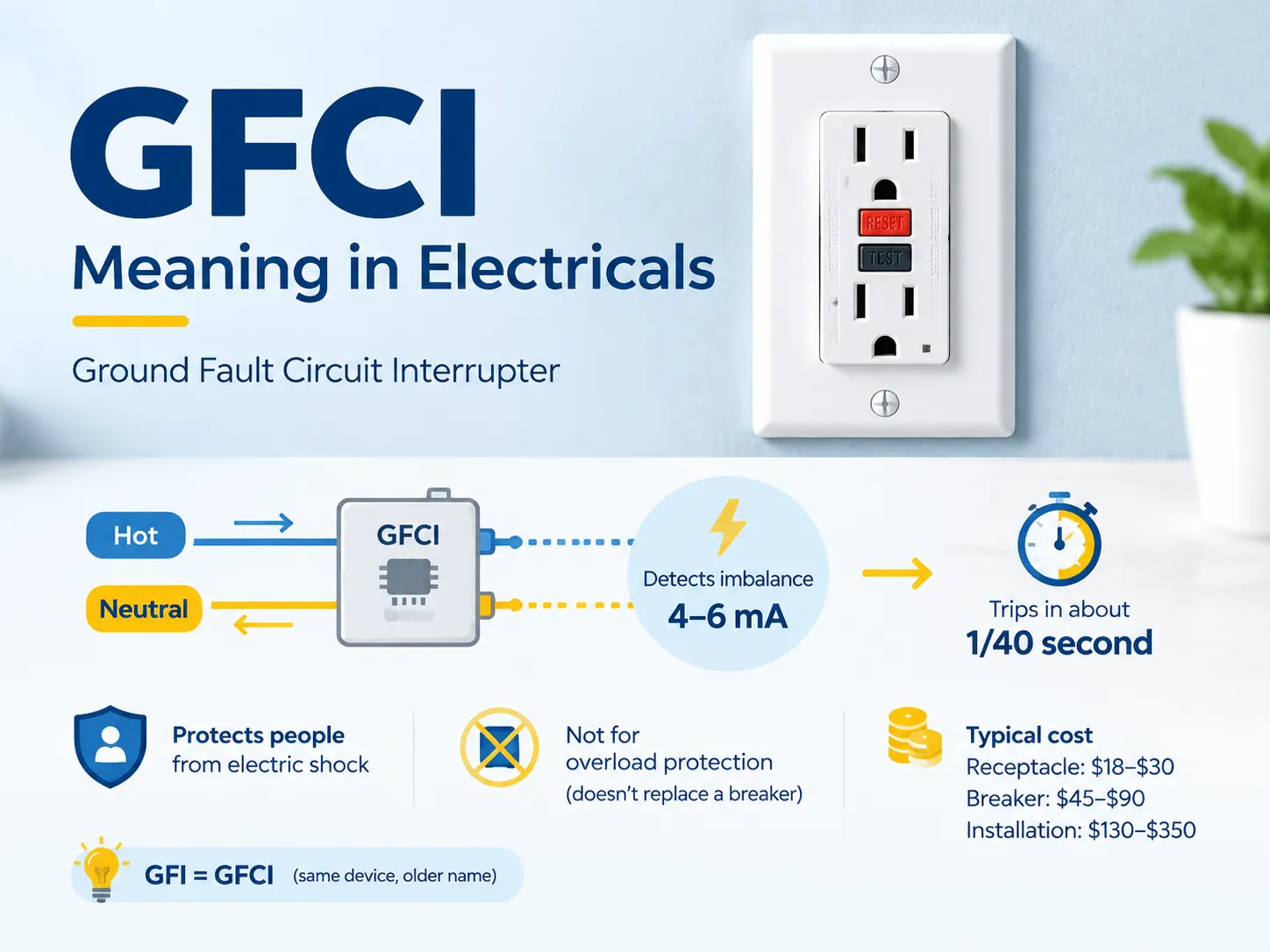
Clean-Up Zone: You should have your electrical outlets near your sink to plug in your dishwasher, but be sure to keep them at least 2 or 3 feet away from your sink. Make sure your electrical outlets comply with local standards. For example, if you have electrical outlets in the vicinity of water sources (like sinks), they need to be fitted with ground fault interrupters (GFCI’s), which will prevent electric shocks through improper means.
3. Safety Standards
Safety is crucial when planning your kitchen’s electrical layout. Ensure all outlets near water sources are equipped with GFCIs, and follow local regulations to maintain a safe and compliant environment.
4. Planning for the Future
Your kitchen will likely house a growing range of electric appliances. When planning where to place your electric outlets, be sure to consider your future needs. For example, do you want USB outlets in your kitchen to charge your electronic devices, or do you want to install additional outlets in your kitchen to accommodate future electric appliances or smart home technology?
How Many Electrical Outlets Do I Need in a Kitchen?
The number of electrical outlets you will need in your kitchen will depend upon the size of your kitchen, how often you cook in your kitchen, and what types of electrical appliances you have in your kitchen. A good guideline is to have a minimum of one electrical outlet every two to four feet of counter space, and no fewer than two electrical outlets on each countertop. If your kitchen has a lot of appliances (especially if you frequently host parties or entertain people), your kitchen will likely need more electrical outlets than a smaller kitchen.
In addition to the electrical outlets in your kitchen on counters, you can also use electrical outlets inside of cabinets as a way to hide electrical outlets for appliances such as a microwave oven or under-cabinet lighting. Lastly, if your kitchen has an island, make sure there is at least one electrical outlet on your island for convenience while preparing meals and cooking.
Special Electrical Outlet Solutions for Modern Kitchens
Modern kitchens require innovative solutions to help maximize usable and functional space. Consider the following creative solutions:
1. Pop-Up Electrical Outlets
Pop-up electrical outlets are mounted in countertop surfaces or kitchen islands. They stay hidden when not in use, keeping your space clean and clutter-free while being easily accessible when needed.
2. Under-Cabinet Sockets
You can hide or camouflage the plugs by putting them underneath your cabinets. This will help to provide a clean look for your countertops as they won’t have visible wiring or cables running over them. This is especially useful for small or minimal kitchens with limited electrical outlets.
3. Smart Sockets
Smart plugs and sockets allow you to control your devices through your smartphone or voice assistants like Alexa or Google Home. These sockets can also monitor energy consumption for a more efficient kitchen setup.
Common Mistakes to Avoid
When determining the location of plugs and socket placements, avoid these common pitfalls:
- Overcrowding outlets in one area while neglecting others, leading to inconvenience.
- Placing outlets too close to water sources, increasing the risk of shocks or fire hazards.
- Failing to meet local electrical codes, which could result in project delays or fines.
FAQs
Q: How many electrical outlets should you install in your kitchen?
A: For every 2–4 feet of countertop space, you should install at least one outlet. Larger kitchens with multiple appliances will require additional outlets to accommodate current and future needs.
Q: Can outlets be installed inside cabinets?
A: Yes. Installing outlets inside cabinets allows you to hide cords and power devices like microwaves discretely.
Q: What type of outlets are best for kitchens?
A: Kitchens should prioritize GFCI outlets near water sources. USB-integrated sockets and pop-up outlets are excellent choices for modern functionality.
By carefully considering the layout of plugs and sockets, safety, and future needs, you can create a kitchen that is both functional and visually appealing. Thoughtful electrical design ensures that your kitchen will remain a convenient and enjoyable space for years to come. Work with a licensed electrician to ensure all installations are safe, compliant, and built to last.