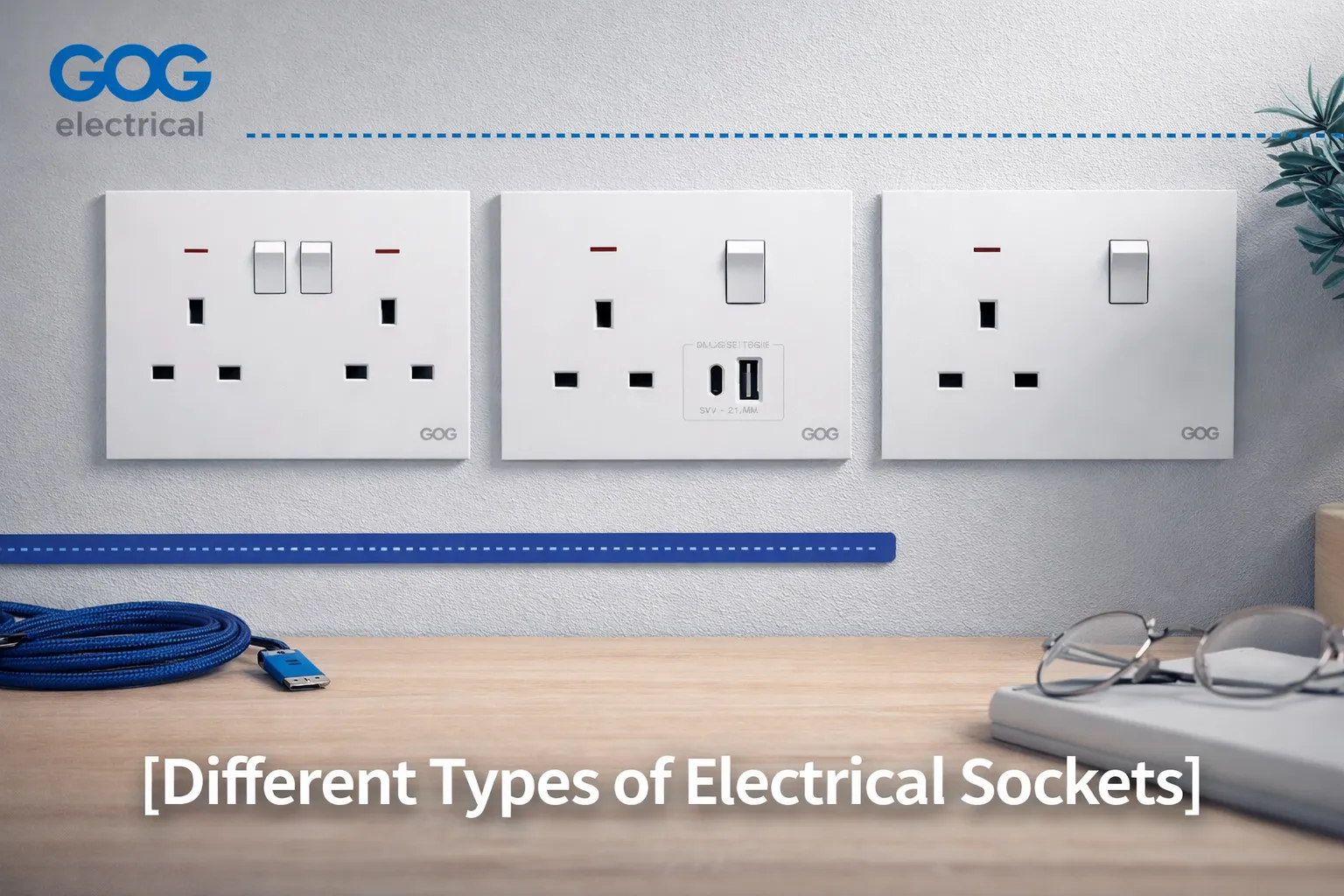
The addition of electrical outlets in your home will add additional functionality and practicality to the areas where you reside, including, for example, adding an wall electrical sockets near the area where your new audio/video system was installed in your living room or removing any clutter created by cords crossing over your kitchen countertop. There are other instances in which additional outlets would be needed for safety reasons. This guide will show you step by step how to install an electrical outlet along with additional safety practices that should be followed and what to consider when installing an electrical outlet.
Basic Electrical Knowledge
Prior to installing any new electrical outlet, it is very important to know the electrical system of your home, since there is a danger associated with working with electrical power and you want to make sure to be as safe as possible. A few key electrical items that you should familiarize yourself with are:
- Electrical Outlets Found in the Home: Electrical outlets found in most homes are either rated at 15 amps or 20 amps, which will determine the type of outlet and type of wire used in the installation of the electrical outlet.
- Circuit Breaker Panel Found in Most Homes: The circuit breaker panel controls and regulates the circuits supplying electricity to your home.
- Tools to Use for Installation: When installing an electrical outlet, you need the usual professional electrician hand tools.
Type of Circuit: The type of circuit you need to work with will be determined by whether you need to install a 15-amp or 20-amp outlet.
Circuit Load: Know the load capacity associated with the circuit to avoid overheating, damaging, or creating an electrical hazard.
Is It Possible to Add Electrical Outlets by Yourself?
If you understand the electrical systems in your home and how those systems interact with the circuit(s) supplying your home and the circuits located in the circuit breaker panel, you can add home electrical outlets by yourself. It is important to use caution when doing electrical work as it is highly dangerous. It is strongly suggested you hire a licensed electrical contractor if you are uncertain about your ability to perform the work or do not have any previous experience. If you choose to perform the installation on your own, you should have a complete assortment of tools and will need to wear protective equipment such as rubber gloves and use a voltage tester.
Step by Step Instructions to Add an Electrical Outlet
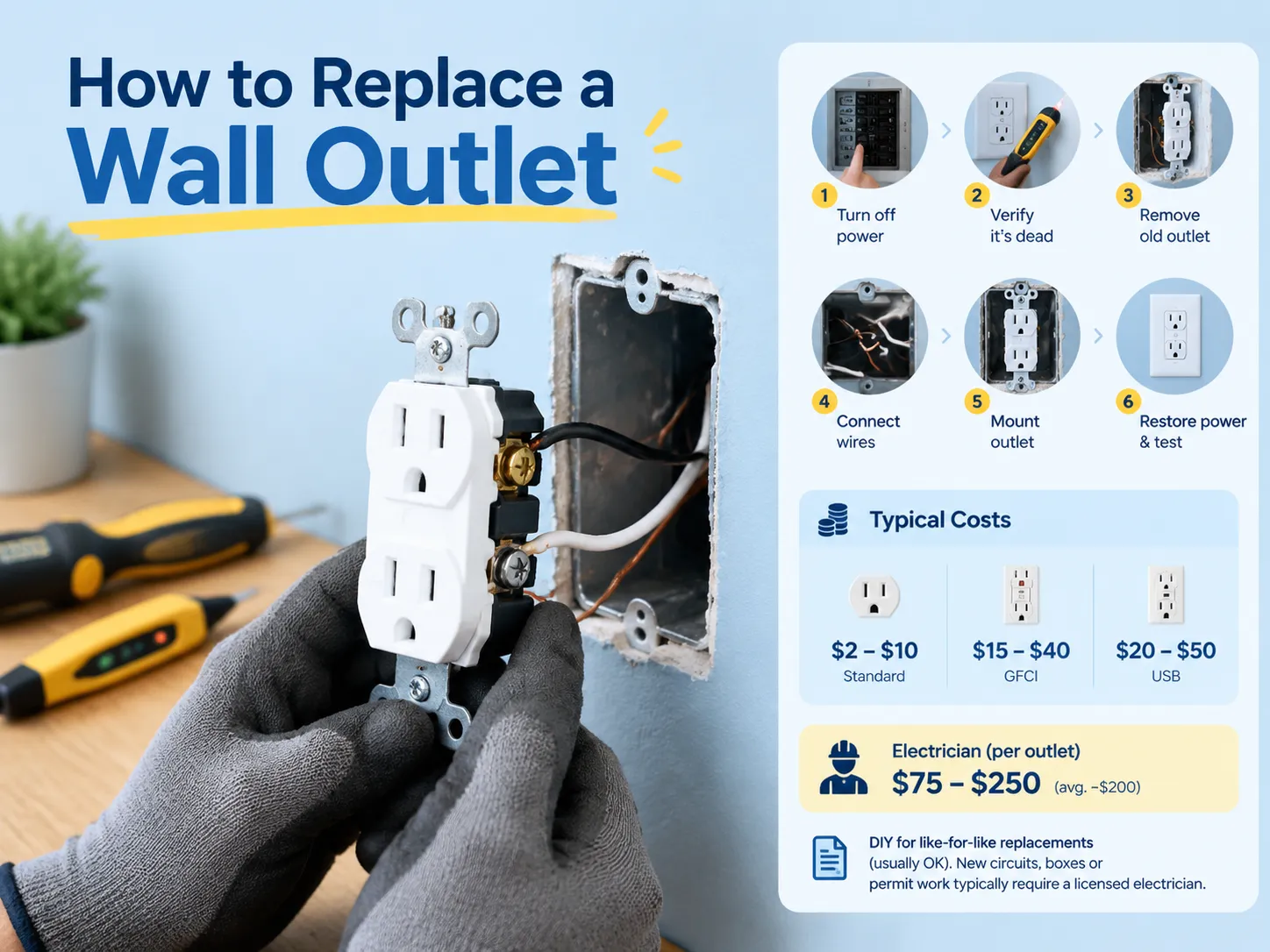
Step 1: Plan Your Project: Select the location of the electrical socket outlets. Measure the distance between existing outlets to verify you will have enough length of wire to run to the new outlet.
Step 2: Check Local Building Codes: Check for any local codes or regulations that apply to electrical installations before proceeding with your project.
Step 3: Turn Off Power: Switch off the breaker in the electrical panel that supplies power to the circuit you are working on to allow you to access and handle wires safely.
Step 4: Make the Opening: Using a utility knife or drywall saw, carefully cut a hole for the new outlet box in the wall where you want it installed.
Step 5: Run the Wiring: Install the cable/wire (sized according to your circuit’s amp rating in accordance with local codes) from an existing outlet or junction box to the new outlet’s location.
Step 6: Connect Wires: Make the necessary connections at the new outlet. The white wire is attached to the silver screw (neutral), the black wire is attached to the gold screw (hot), and the green or bare copper wire is attached to the green screw (ground).
Step 7: Secure Everything: Securely install the outlet into the wall and then replace the faceplate.
Step 8: Restore Power: Turn on the breaker and test the outlet to ensure it works properly.
What is the 2-6-12 Electrical Outlet Rule?
The “2-6-12 Rule” for electrical outlets is applicable for proper use and safety. Follow the guidelines below when installing electrical outlets:
- Electrical outlets must be within 2 feet of a door for convenient access to lamps and appliances.
- Outlets should be spaced 6 feet apart from each other horizontally on the wall, with no part of a wall 6 feet from an outlet.
- When an outlet is installed on a standalone wall longer than 12 feet, the outlet should be spaced 12 feet apart to reduce the reliance on extension cords.
Additional Considerations
Use a Voltage Tester: Before you touch the wires, always confirm that power to the wires is off.
Retrofitting: Consider retrofitting existing outlets with USB ports for additional convenience.
Hire a Professional: Consult with a licensed electrician for complicated wiring or servicing a panel.
Frequently Asked Questions
Can I Install an Outlet Next to an Existing Outlet?
Yes. You can install an outlet on the same circuit as an existing outlet as long as there is enough capacity on the circuit to service the added outlet.
What Is the Cost of Installing an Electrical Outlet?
Depending on the complexity of the installation and how the circuit is wired, the expense of hiring an electrician to install an outlet will vary from $100 to $300.
What Is the Maximum Number of Electrical Outlets on a Circuit?
Maximum outlet count on a circuit is determined by local building codes and the amperage of the circuit. In general, a 15-amp circuit will support 8 to 10 outlets, and a 20-amp circuit will typically support up to 12 outlets.
What Tools Do I Need to Install an Electrical Outlet?
Tools included with an electrical outlet installation typically will include: stud finder, drywall saw, wire cutters/strippers, screwdrivers, voltage tester, electrical tape, fish tape/wire puller, and possibly a drill with bits.
Can I Add an Outdoor Outlet?
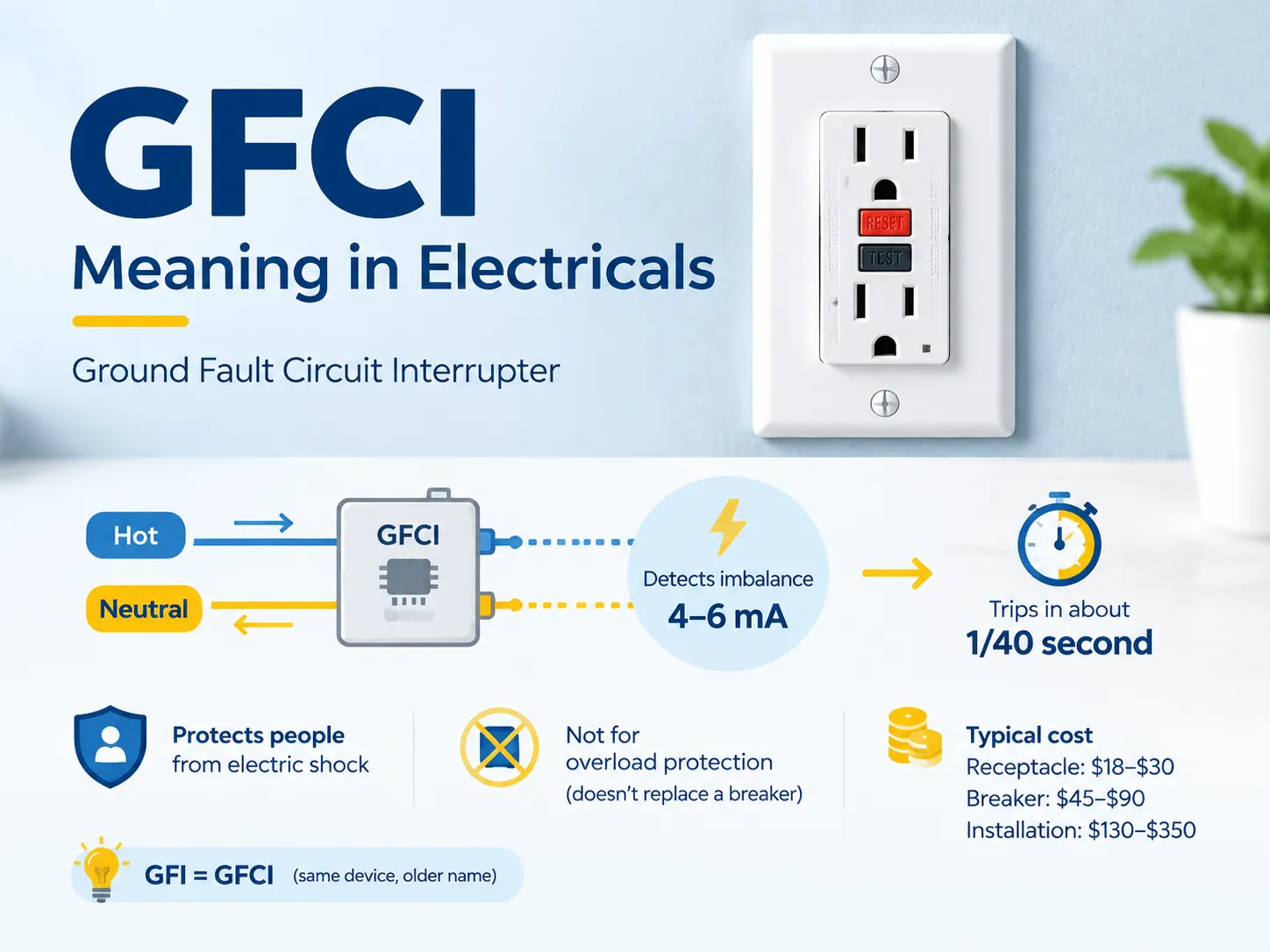
Yes. You can install an outdoor outlet for holiday lights, outdoor tools, and any other device. Weatherproof covers and GFCI outlets must be used for safety.
Do I Need a Permit to Add an Outlet?
Permit requirements for electrical outlet installations will vary depending on location; review the installation with your local building department for permit requirements before starting.
What Are GFCI Outlets and Where Are They Required?
GFCI outlets will disable themselves when a ground fault occurs to protect against electrical shock. They are required where there is a chance of water touching the electrical outlet; such areas include bathrooms, kitchens, and outdoor spaces.
What Is the Proper Height to Install Electrical Outlets?
If there are no local code requirements to comply with, electrical outlets are commonly installed 12 to 18 inches off the floor in residential spaces and 4 inches above countertops in kitchens.
The installation of an electrical outlet will require careful planning, adherence to safety measures, and following all applicable electrical codes at the local level. Proper installation will enhance the functionality of the home and ensure safety for occupants.