If you are thinking about installing a Wall Electrical Socket, you may be concerned with how to do so. By reading this article, you will learn all about the installation process of an Electrical Outlet Socket. Also, included in this article are safety precautions when installing a wall electrical socket, step-by-step instructions to guide you through the installation process, and frequently asked questions related to installation of an electrical outlet socket.
Are There Special Tools Required For Installing Wall Electrical Sockets?
Before you begin the installation process, there are several tools that you will require in order to complete the installation. The following is a list of items that you will need:
- Flathead Screwdriver
- Philips Screwdriver
- Voltage tester/multimeter
- Wire Stripper
- Electrical Tape
- New Socket Outlet And Wall Box
These tools are all available through hardware stores or online stores and are easy to find. A Voltage Tester is especially important because it will confirm whether or not there is any live current present prior to completing the installation.
Step By Step Guide To Installing A Wall Socket
The following is a step-by-step guide to safely installing an Electrical Wall Socket.
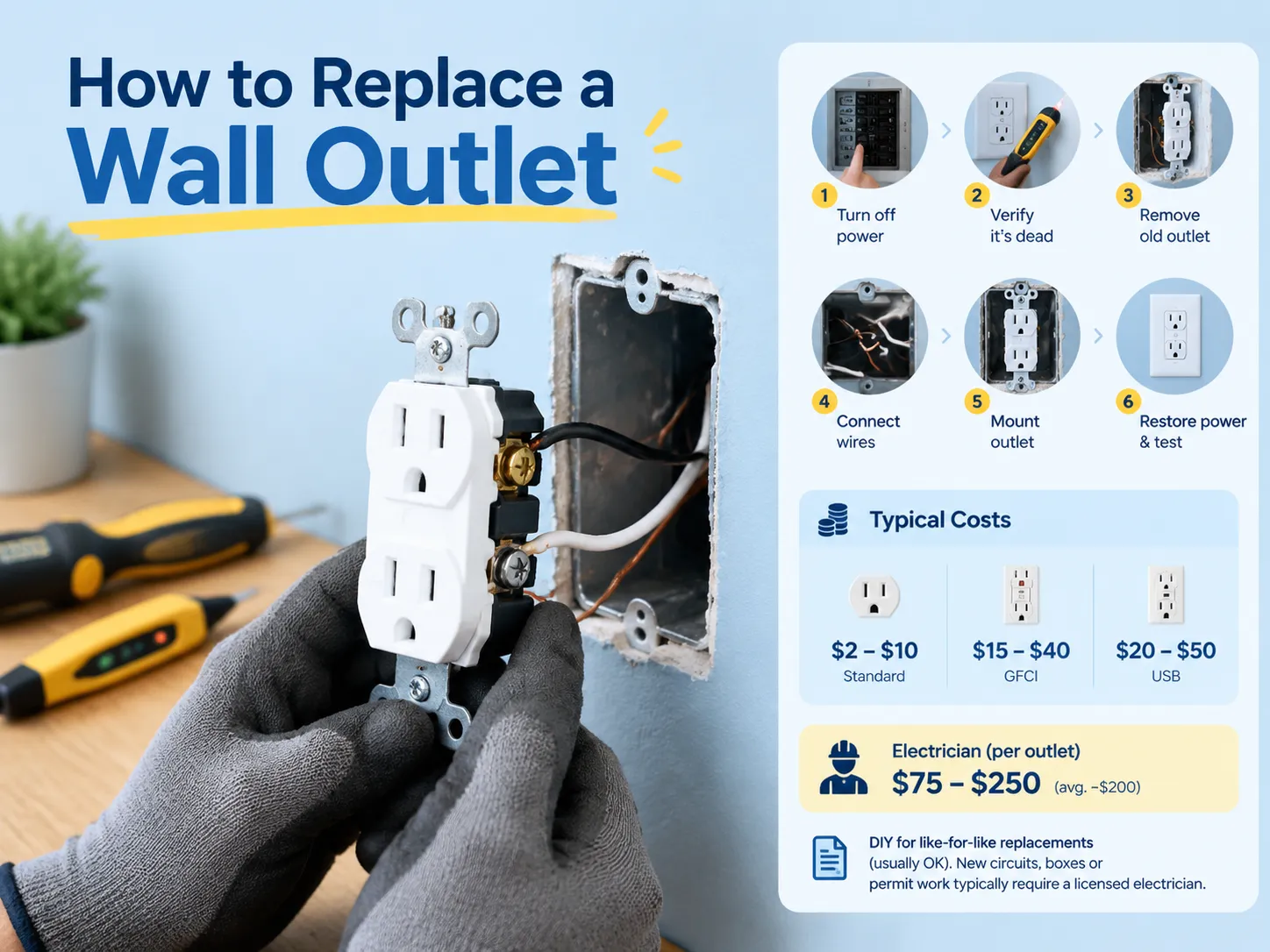
Step 1: Turn Off Power
Locate your home’s circuit breaker box and turn the power off to the area in which you will be conducting the work. Use a Voltage Tester to be sure that the wires are not live before proceeding with the installation.
Step 2: Remove Existing Socket (if applicable)
Remove the Cover Plate and the Electrical Socket from the wall. Disconnect the old socket wires carefully, ensuring that you document how they were wired correctly beforehand.
Step 3: Wire Prep
Strip approximately 0.50 inches of insulation off the ends of the wires. This ensures that when you connect them, you will create a perfect bond to your new sockets.
Step 4: Attaching the New Socket
Wire the new socket according to the wiring to the old socket wiring. The common (hot/live) wire will go to the brass terminal, neutral wire will go to the silver terminal and ground wire will go to green terminal.
Step 5: Secure New Socket & Cover Plate
Carefully place the new socket/attached wiring in the wall box and secure with screws. Then place the cover plate over the new socket and you’re finished!
Step 6: Turn Power On
Turn the circuit breaker back on and test the new socket with an appliance or voltage tester to ensure it is functioning correctly.
Things to be Aware of Regarding Safety
Safety should be your number one priority when dealing with any type of electrical project. A few guidelines you should keep in mind include:
- Check and confirm that power has been turned off prior to beginning work.
- Wear insulated gloves so that you do not accidentally electrocute yourself.
- If you are unsure about how to wire anything, please contact an electrician for assistance.
- Assure that any electrical components you purchase to install as an electrical outlet conform to the electrical codes for your area.
Frequently Asked Questions
Is installing a wall socket easy?
Yes, if you have some understanding of basic wiring and follow electrical safety practices, installing a wall socket can be easy. If you have any doubt about how to do this yourself, please reach out to a licensed electrician for assistance.
What is the cost of installing a new electrical outlet?
The price varies by whether you hire an electrician or install it yourself. If you hire an electrician, the cost of having them install one wall socket can range from $100-$250 on average. If you plan to do the installation yourself, the only cost associated with this is the cost of the tools and materials.
Can I install wall sockets wherever I want?
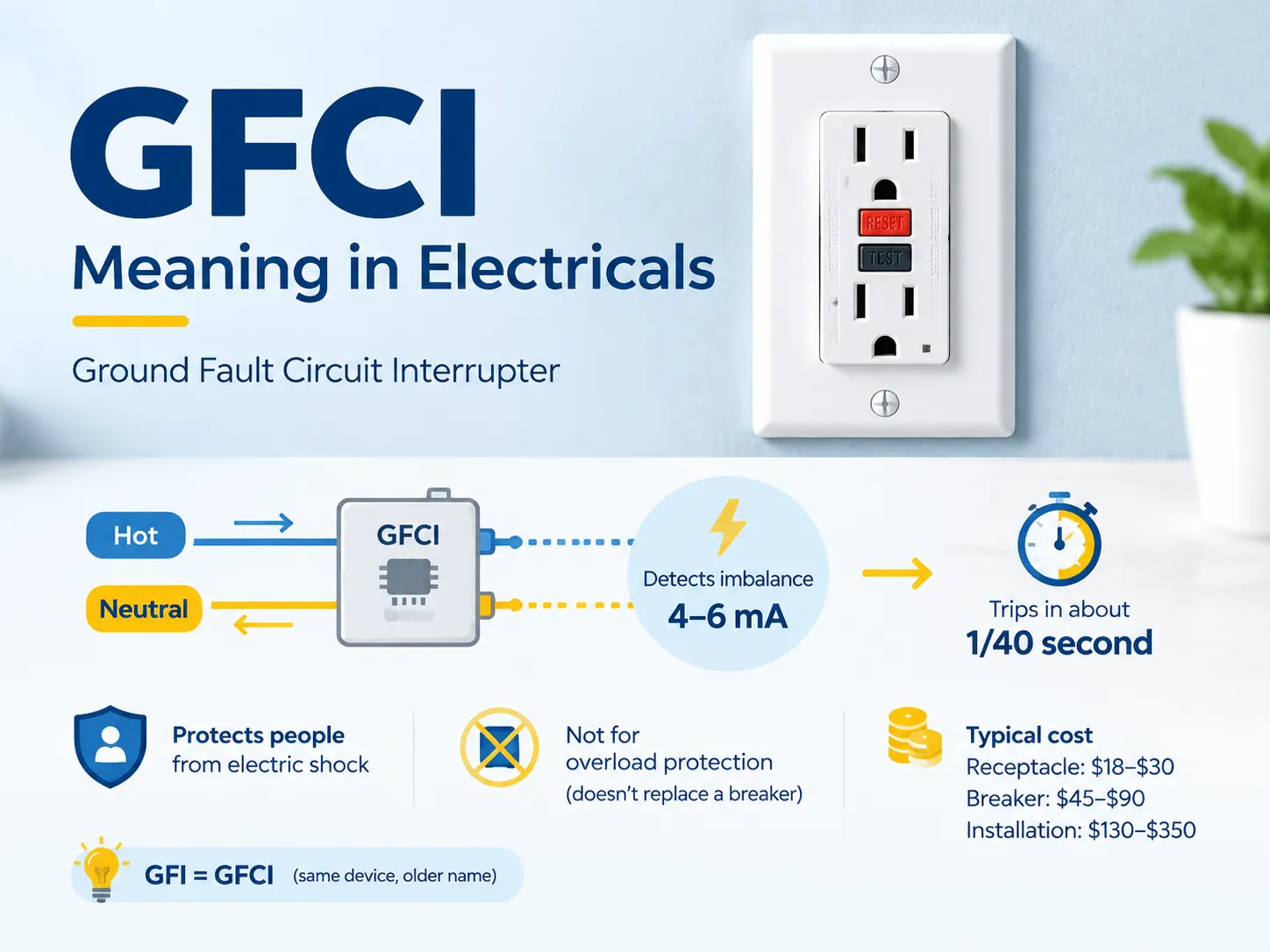
No, there are electrical codes that dictate where it is acceptable to install wall sockets. For example, kitchens and bathrooms have special wall sockets called Ground Fault Circuit Interrupters (GFCI) to protect against electrical shocks.
For those who are relatively comfortable and capable as DIY-type people, the chance of successfully installing a wall electrical socket on their own is fairly high. Always put yourself and your safety first when working on an electrical project; this means turning off all power and using the proper tools during your electrical project installation. If you have any questions about any part of the installation process, please reach out to a licensed electrician for help completing the installation correctly and according to the electrical code in your area. You will successfully have installed a new functioning electrical outlet shortly. Good luck and stay safe!