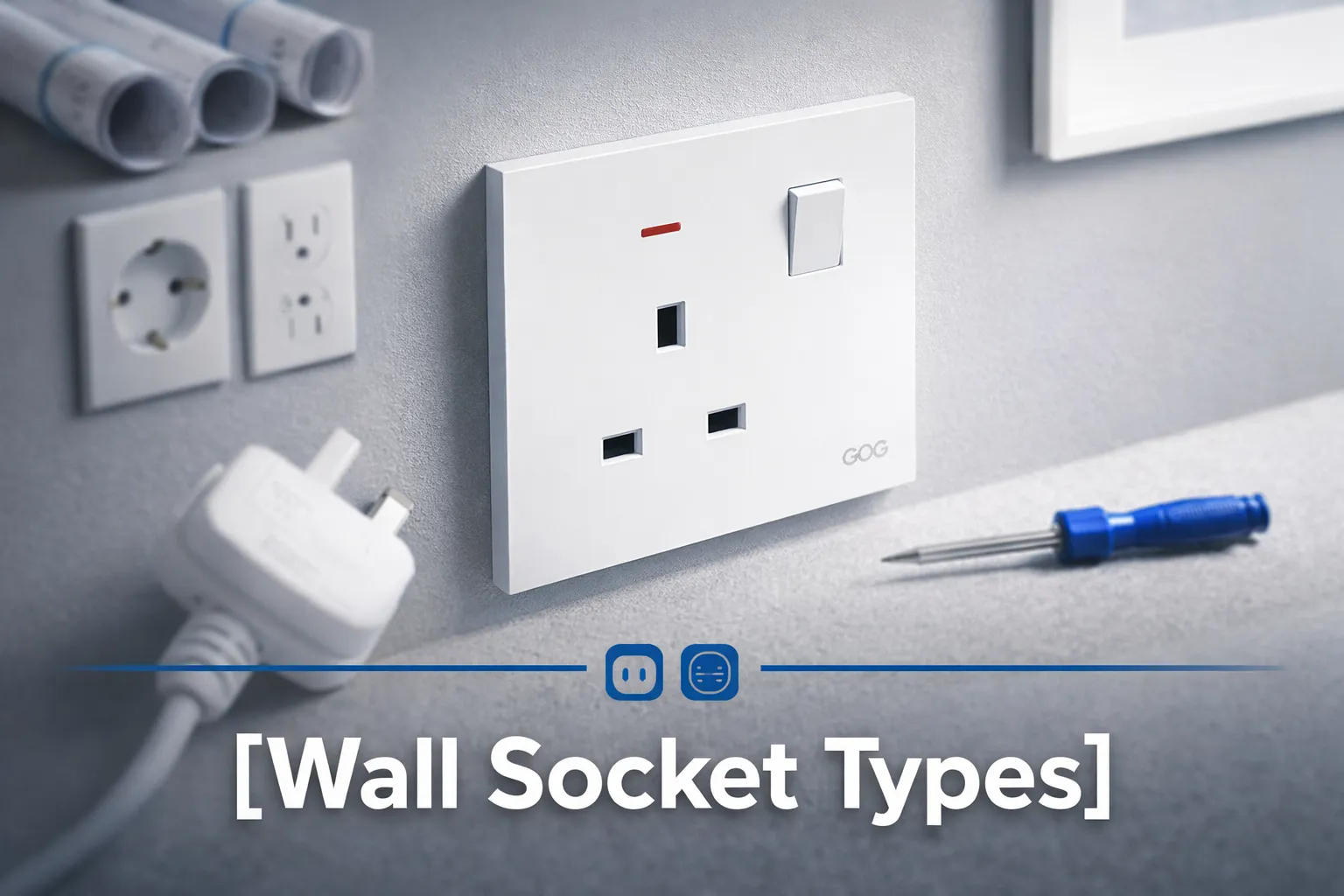
It is essential to understand local standards and specifications when using equipment and systems that use electricity. If you travel to, move to, or import electrical equipment into Canada, it will be important to know about the Canadian Electrical Socket Types. This document provides a more in-depth explanation of the types of sockets that are used within Canada, how they work, and important tips to make sure your devices will work with these sockets.
Overview of Canadian Electrical Socket Types
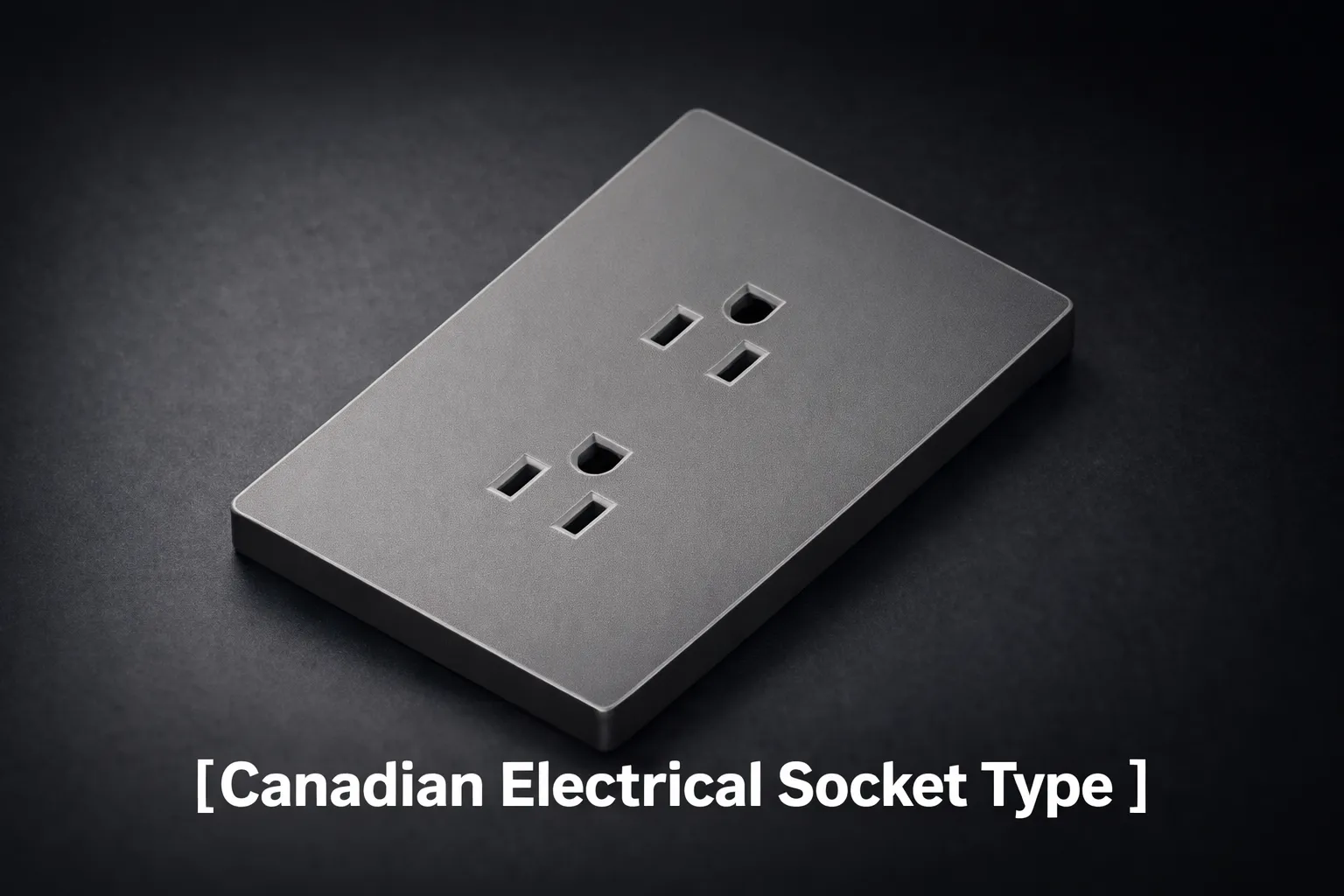
In Canada, as well as the United States, generally there are two types of electrical sockets used throughout the entire country, known as Type A and Type B. These sockets are standardized throughout Canada and are therefore the types of sockets that will be found in residential, commercial, and public facilities throughout the country. Below is a breakdown of their characteristics.
Type A Socket
The Type A socket, also referred to as a “two-prong” socket, is an ungrounded socket-type. This type of socket has two parallel flat slots that connect electrical devices to the electrical supply. Type A sockets were more commonly used with older electrical systems and devices. Type A sockets are still commonly used, but due to safety reasons, newer electrical installations are designed to include Type B grounded sockets instead.
Type B Socket
Type B sockets are an updated version of Type A sockets. They have an additional grounding pin in addition to the two parallel flat slots, making them “three-prong” sockets. Type B sockets are considered to be safer than Type A sockets because they greatly reduce the possibility of someone receiving an electrical shock or damaging their devices if there is some sort of electrical fault with the device being connected to the supply. The Type B electrical outlet is the most common type of electric outlet in Canada. You will find Type A and Type B outlets in residential homes, businesses, and in industrial settings.
Voltage and Frequency in Canada
The electrical grid in Canada operates on a standard voltage of 120V and a frequency of 60Hz. Knowing about these standards is essential before traveling to Canada, as not all countries use the same specifications. If you are bringing devices from another country with different voltage or frequency standards, you will require a voltage converter and adapter in addition to using a plug adapter.
Tips for Using Electricity in Canada
If you are traveling to a Canadian city or planning to buy a device made in Canada, you may find the following tips helpful:
- Make Sure Your Devices Can Be Used in Canada: Check to see if the voltage and frequency of the device you are bringing are compatible with the electrical system of Canada. Most electronic devices made today, such as laptops and mobile devices, can work with both 100 volts to 240 volts. If you have an older electric device, you need to check the voltage of the device.
- Buy a Plug Adapter: You will need a plug adapter (which will permit you to attach your device to a Type A or Type B electric outlet) if you are bringing devices from countries where they use different electric plugs.
- Use a Voltage Converter: If your device is not compatible with use in Canada (i.e., it is 240 volts but needs 120 volts), then you may need to use a voltage converter to match the Canadian electric system.
- Check Older Types of Electric Outlets: If you are in an older building, then you may encounter Type A electric outlets. While Type A sockets are functional, using a Type B grounded plug is generally safer.

Frequently Asked Questions about Canadian Electrical Socket Types
What are the electrical socket types in Canada?
The electrical sockets used in Canada are Type A and Type B. Type A has two flat parallel slots, while Type B includes the same slots plus a grounding pin.
Are Canadian outlets the same as US outlets?
Yes, Canadian and US outlets are the same. Both countries use Type A and Type B sockets and share the same voltage (120V) and frequency (60Hz).
Can I use a European appliance in Canada?
European appliances often operate on a voltage/frequency of 230V/50Hz, which is not compatible with Canada’s 120V/60Hz system. You will need a transformer and an adapter to use your European appliance in Canada.
Will all plugs work in Canadian outlets?
No, only plugs designed for Type A or Type B sockets will fit directly into Canadian outlets. If your plug type differs, you’ll need a plug adapter to make it compatible.
Are grounded sockets more prevalent in Canada?
Yes. Type B sockets with a grounding pin are more common and are now the standard in Canada. These provide an added layer of safety against electrical faults.
Why Understanding Electrical Socket Types Matters?
By knowing the Canadian Electrical Socket Types, you will avoid unnecessary hassles or expenses when traveling or living in Canada. It is essential to understand the electrical standards and types of sockets used in order to safely and effectively operate your devices. Businesses that are operating within Canada or considering expanding their products or services into Canada must account for these standards when manufacturing or importing electrical products.
For people involved with tourism, international logistics, or electronics, being informed about local electrical standards makes all the difference. Take the necessary precautions to protect your valuable products and enjoy an effortless and trouble-free experience while using Canada’s electrical system.
Understanding and adjusting to the Canadian electrical socket types is simple; you just need to prepare for your travel or move. By equipping yourself with the appropriate adapters or converters and using this information, you can confidently and safely navigate Canada’s electrical systems.