Polycarbonate (PC) is an extremely diverse material that is used frequently as PC raw materials across many different industries due to its durability, resistance to impact, and versatile characteristics. If you work in manufacturing, product design, construction, etc., you will benefit from understanding how to effectively use polycarbonate for your application. The following article will provide you with information about PC raw materials and their uses, pricing, safety, and other items to keep in mind before purchasing PC raw materials.
What Are Polycarbonate Raw Materials?
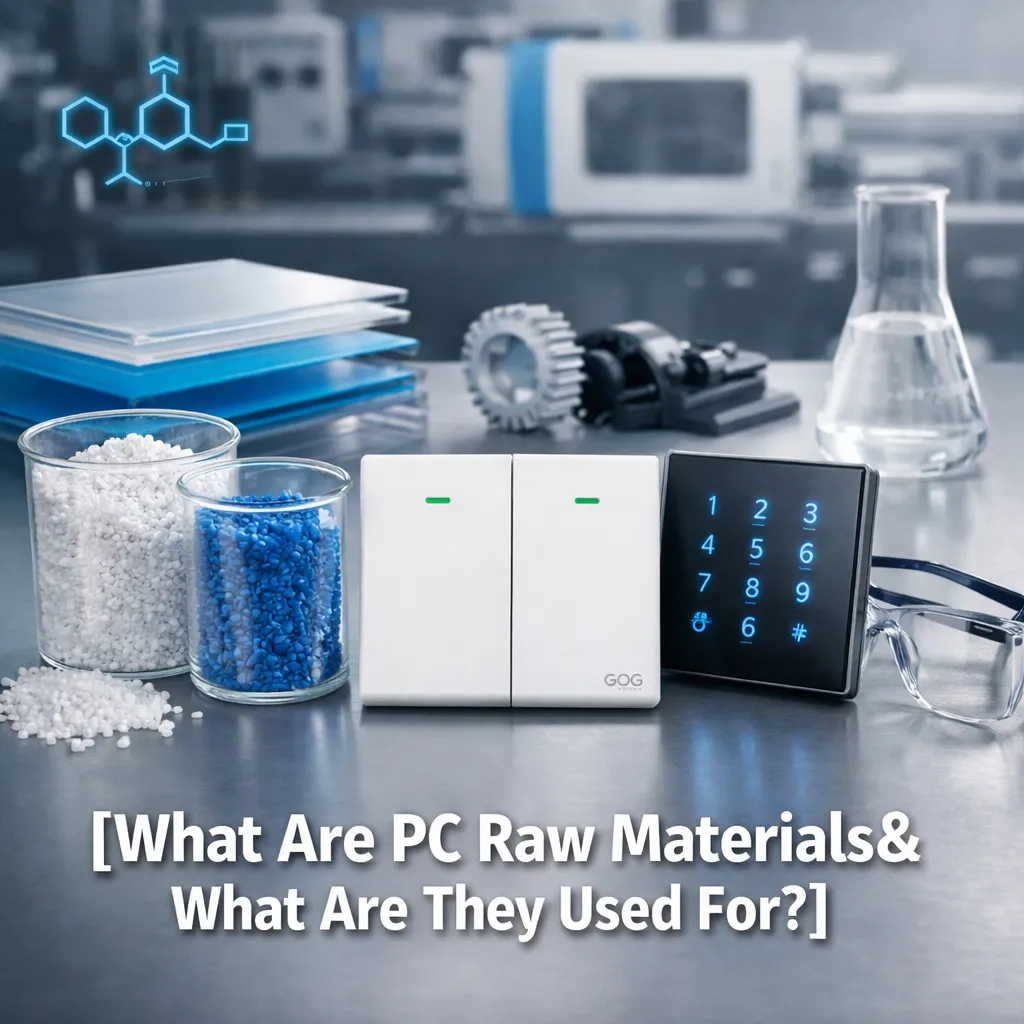
PC raw materials consist of thermoplastic polymers that are produced from the chemical reaction of bisphenol A (BPA) and phosgene. PC raw materials are available in a variety of forms, which makes them relatively easy to manufacture a finished product (e.g., pellets, granules, sheets, etc.). One of the main advantages of polycarbonate is its lightweight, as well as being clear, having high impact strength and heat resistance. Therefore, polycarbonate is often preferred for durable and flexible uses. Another reason many manufacturers prefer to use polycarbonate as a substitute for heavier materials (glass, metal, etc.) is because they will continue to provide a long service life while being recyclable.
Key Uses for Polycarbonate Raw Materials
PC raw materials are used in a variety of applications because of their various properties. The following represents a list of the main industries utilizing PC raw materials:
Electronics & Electrical Components
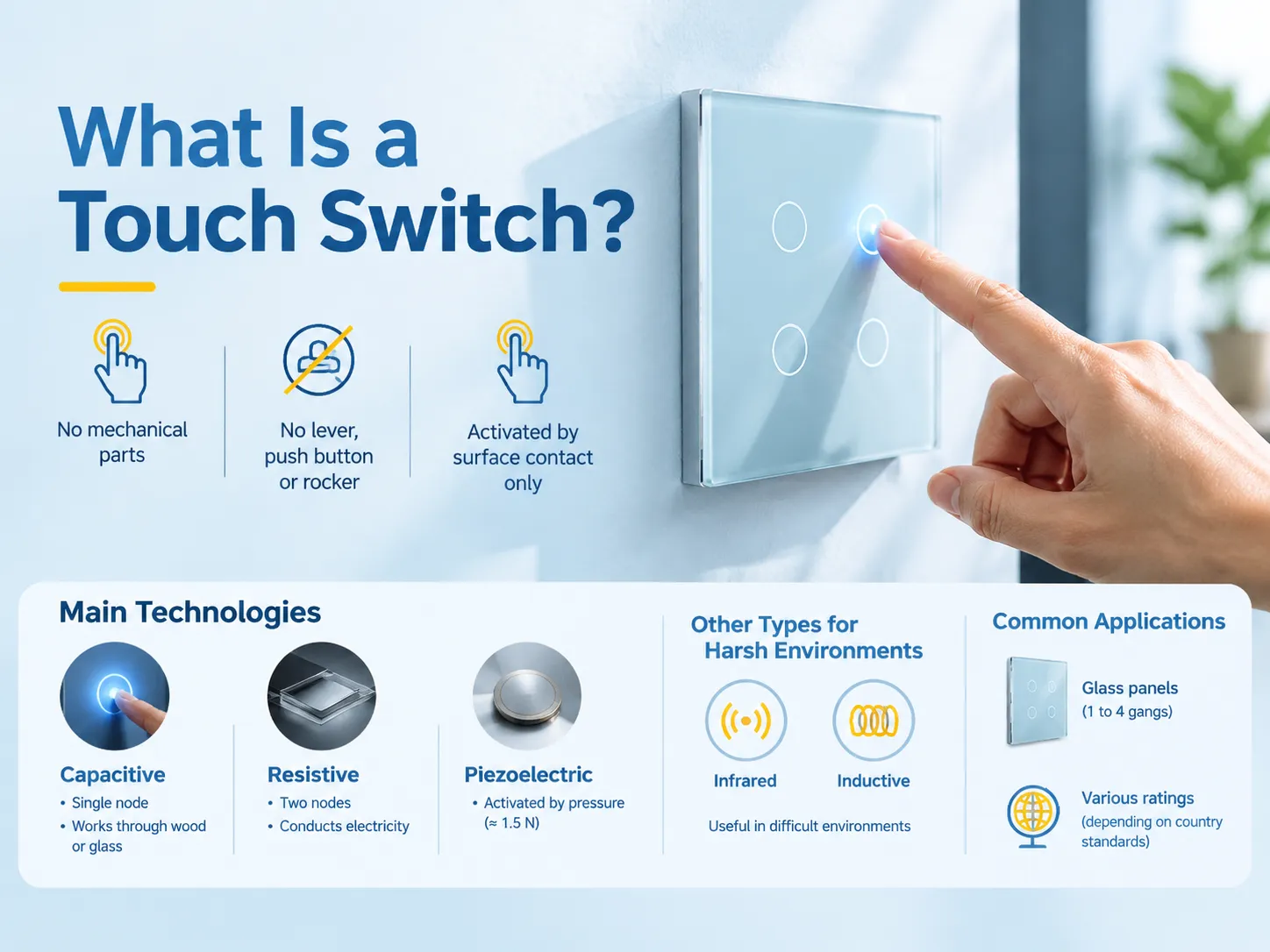
Due to the flame-retardant properties of PC, the electronics industry commonly utilizes PC raw materials for their insulation properties found in switch panels, LED light covers, electrical housing, and components for portable devices. In addition, PC demonstrates thermal stability making it suitable for continued safe and reliable use in electrical applications.
Automotive Industry
Automotive manufacturers use polycarbonate raw materials for a variety of products, including headlight covers, dashboards, and lightweight panels. Polycarbonate is a trusted material for developing automotive solutions by lowering the weight of vehicle components and enhancing their ability to withstand impact.
Construction Applications
In the construction sector, polycarbonate (PC) is commonly used for roofing, skylights, and protective glazing because of its excellent light transmission capabilities and good crack/break resistance. Polycarbonate sheets offer a perfect balance of aesthetics and strength in architectural design.
Healthcare & Medical Devices
Polycarbonate is widely used by the medical industry to manufacture syringes, surgical instruments, and protective gear. Its high durability and resistance to sterilization processes make polycarbonate suitable for a range of critical medical applications.
Consumer Products
Polycarbonate products such as water bottles, food containers, eyewear lenses, and cell phone cases are all examples of everyday consumer goods made with polycarbonate. The strength, lightweight, and shatter-resistant properties of polycarbonate make it convenient for many manufacturers to utilize in their products.
Why Is PC Used in Electrical Applications?
Because of its superior insulating characteristics, polycarbonate is an excellent option for use in electrical applications. The potential for overheating and fire hazards associated with many components used in high-current electrical applications is prevented by polycarbonate; there is no more reliable alternative available. Further enhancing the service life of polycarbonate products used in the most demanding applications—such as circuit board assemblies and LED covers—is the strength and resistance of polycarbonate to environmental deterioration.
PC Raw Material in the Production of Switches and Sockets
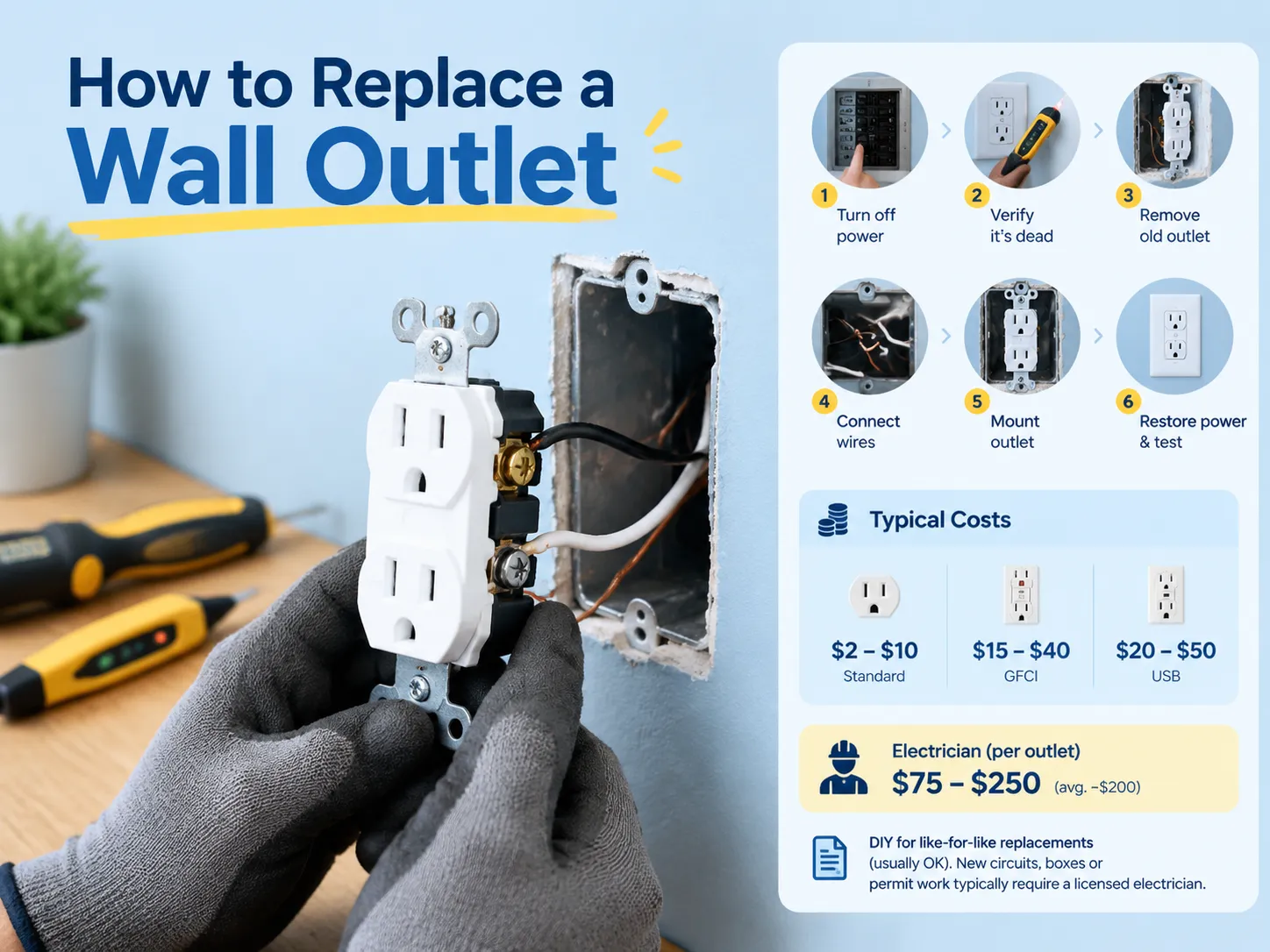
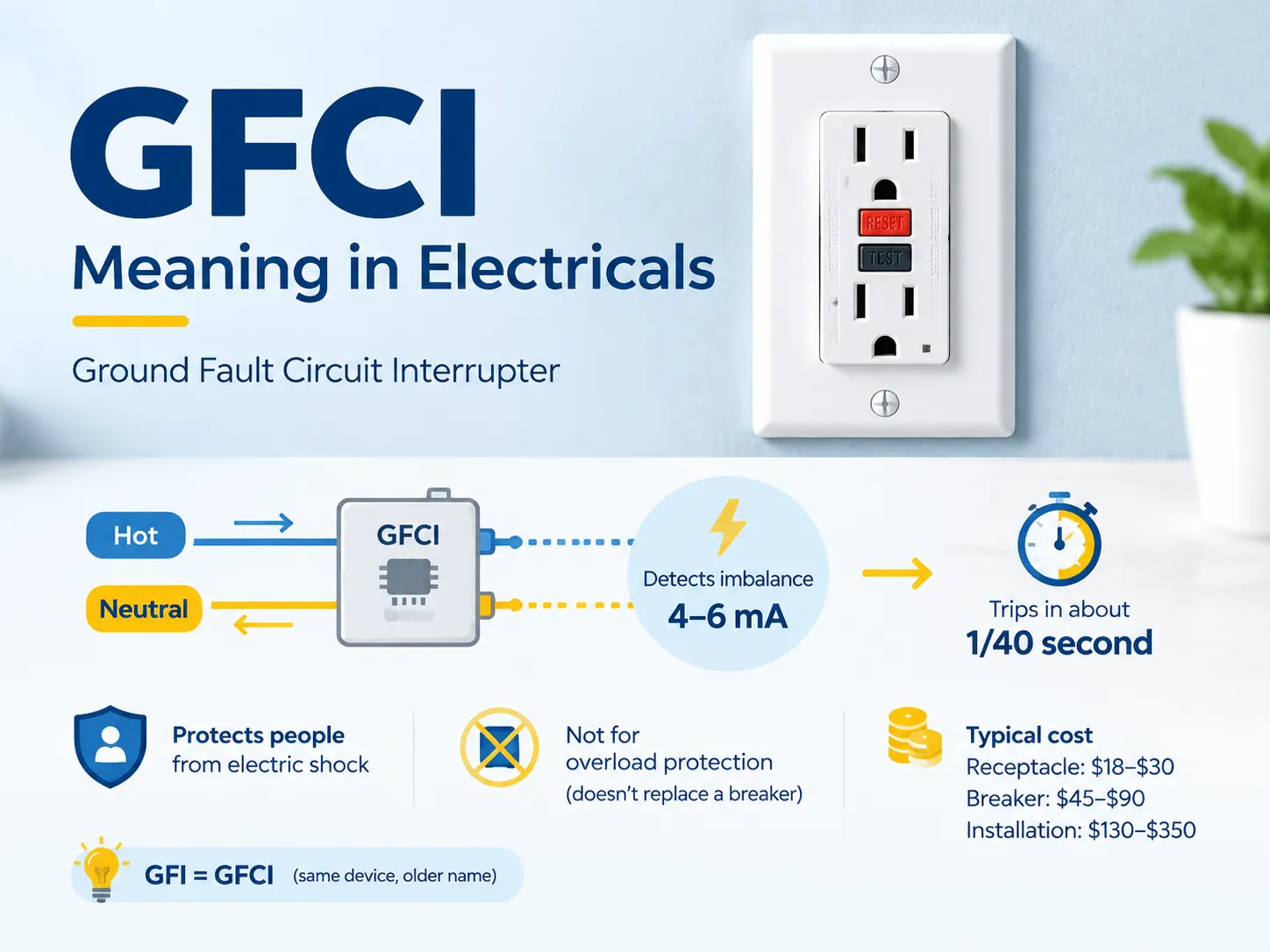
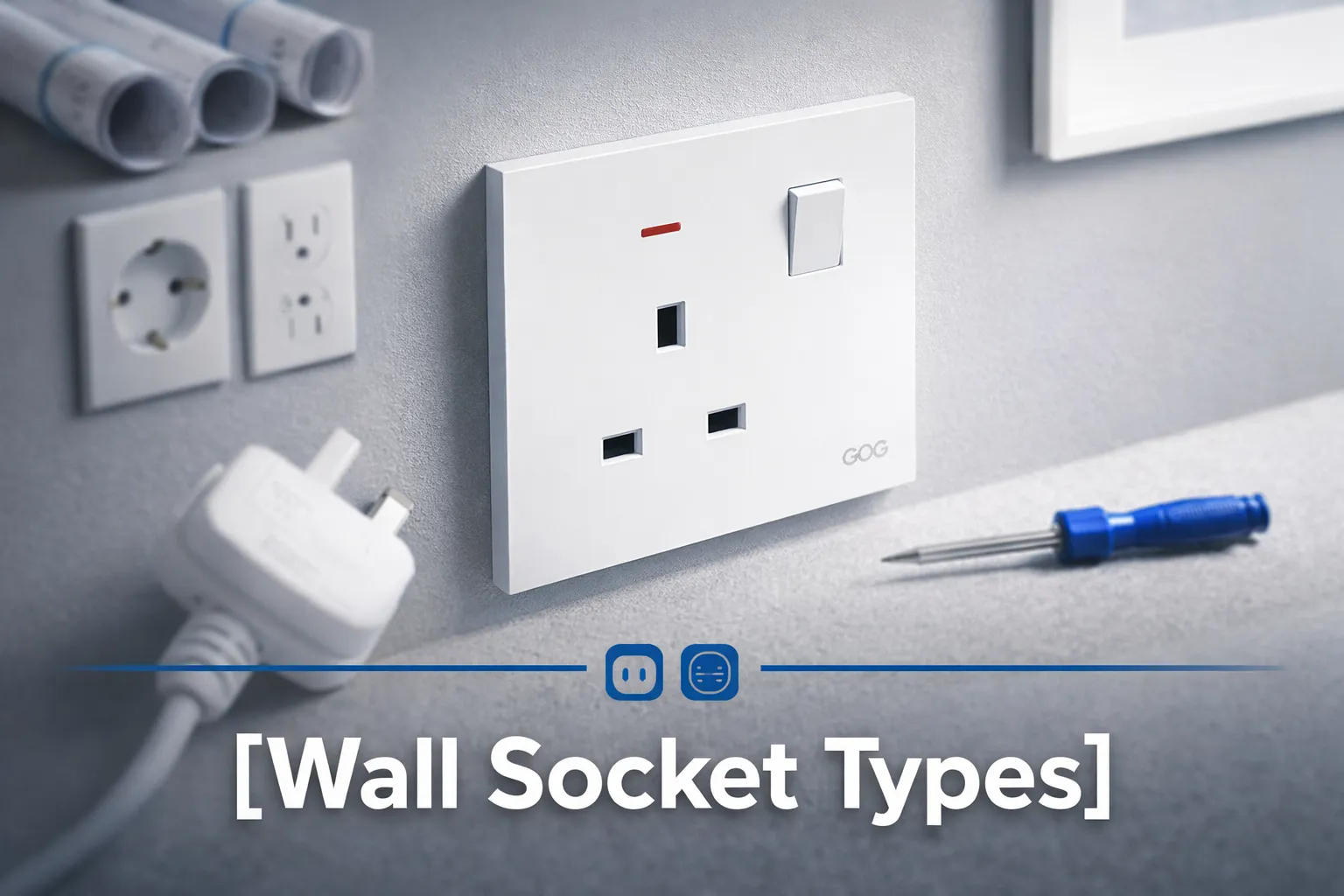
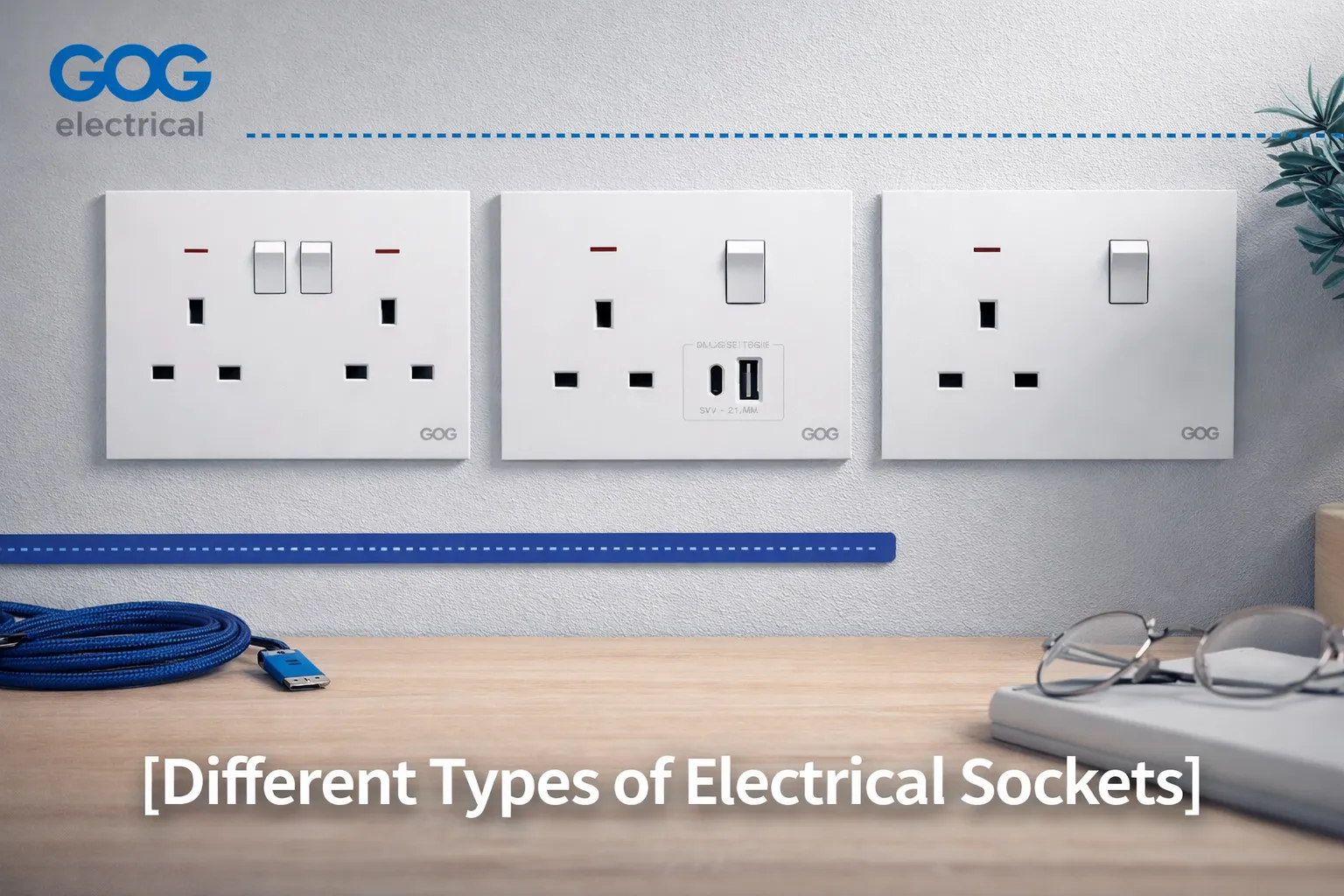
Polycarbonate is an ideal material for use in making switches and sockets since it can provide electrical insulation, flame retardancy, and durability. These properties can ensure that the finished product is both safe and functional. PC is also aesthetically versatile in that different shapes and finishes can be produced to fit the style of contemporary homes. Because of PC’s ability to withstand high temperatures without distortion or melting, it is an excellent choice when making electrical switches and sockets. PC has excellent impact resistance, so even if a switch or socket falls to the ground during installation or is knocked down during normal operation, the product will remain free from cracks and have a long lifespan, especially in high-traffic areas where switches and sockets are frequently used. Because PC is a non-conductor of electricity (not conductive), users can feel safe using switches/sockets made with this material and will not have to worry about potential electric shock or short circuits from improperly connected wires. These characteristics make PC raw material one of the essential materials used to manufacture long-lasting, operationally effective, and safe switches or sockets for residential, commercial, and industrial applications.
Factors That Affect PC Raw Material Prices
The following are the primary factors affecting the price of polycarbonate raw materials:
– The composition of the material itself: Specialty grades of polycarbonate (such as UV-stabilized or flame-retardant) will generally cost more than conventional grades.
– Market Demand: The cost of raw materials is affected by fluctuations in global demand. There tends to be higher demand in certain industries that utilize a lot of polycarbonate.
– Production Costs: The cost of producing bisphenol A and phosgene will also have an effect on pricing.
– Bulk Ordering: When you purchase items in bulk, your costs tend to be less. Therefore, it is more beneficial for a manufacturer to purchase their raw polycarbonate materials in bulk. When purchasing polycarbonate, suppliers should be compared and bulk pricing options explored in order to obtain the most competitive rate.
Polycarbonate Safety
One of the main concerns for polycarbonate products is the presence of bisphenol A (BPA), which may present health risks in certain cases. However, nearly all contemporary raw polycarbonate materials utilize very little BPA in their production, making them increasingly safe for use. The FDA and European Union set strict guidelines for food and medical grades, ensuring polycarbonate products meet these industry safety requirements. In general, polycarbonate will remain a reliable material used in healthcare applications, consumer products, etc.
Purchasing Considerations for Raw Polycarbonate
When you are ready to order your raw polycarbonate products, the following items should be taken into consideration:
– Application: Be sure to identify the properties that are necessary for your product or application (e.g., clarity, heat resistance, strength, etc.).
– Supplier Reputation: Choose a trustworthy supplier that can provide you with detailed product specifications and/or required certifications.
– Price Comparison: Be sure to research the variations in polycarbonate raw material price between suppliers in order to obtain the best price.
– Quality Level: Select the appropriate polycarbonate level (e.g., flame retardant, UV protective, etc.) for your particular needs.
Frequently Asked Questions
Why Is Polycarbonate the Preferred Choice for Electrical Applications?
Polycarbonate is preferred for electrical applications because of its heat resistance, insulation capability, and flame-retardant characteristics, which provide for safety and reliability.
What Is the Average Cost of Polycarbonate Raw Materials?
Cost will vary based on each vendor’s grade, quantities of bulk orders, and availability. Specialty grades, such as medical grade, may cost more than other grades.
Is Polycarbonate Safe to Use?
Yes, polycarbonate is safe to use in many applications assuming it meets the regulatory requirements for your industry. The manufacturing techniques that are currently in use greatly reduce concerns over the use of BPA with food- and medical-grade-related applications.
Polycarbonate raw materials are a great resource across various industries due to their excellent qualities of impact toughness, high clarity, and excellent thermal stability. It continues to be an important contributor to innovation and sustainability through a cost-efficient manner from industries like automotive and medical to construction and consumer products. For those considering polycarbonate raw materials for their projects, identifying reputable suppliers and understanding the price dynamics will ensure they obtain the right quality and cost that meets their needs. If you would like expert advice or would like to discuss more about purchasing polycarbonate raw materials, please feel free to contact us today and we will provide personalized recommendations.