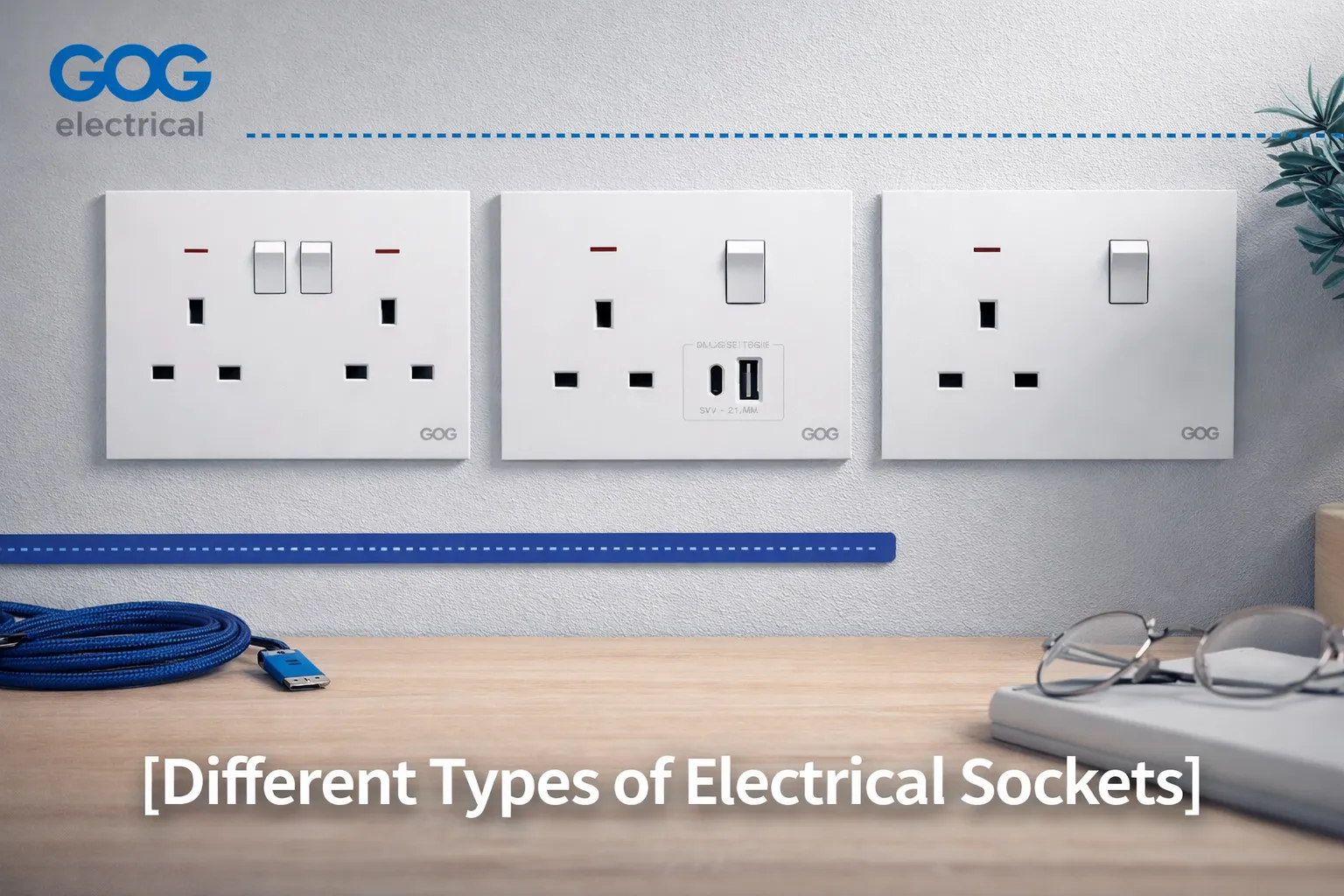
For many individuals, an electric plug falling out of an electrical socket can prove to be quite the bother; inconveniencing him/her greatly, and even posing some hazard, depending upon the circumstances. So why do electrical plugs fall out of their sockets? More so, how can I prevent my electrical plug from falling out of the electric socket? Throughout the agenda of this article, we will discuss the causes of a loose electric wall socket, known as the potential dangers of having a loose electric wall socket, and propose ways to keep your electric plugs secured into the electric wall socket.
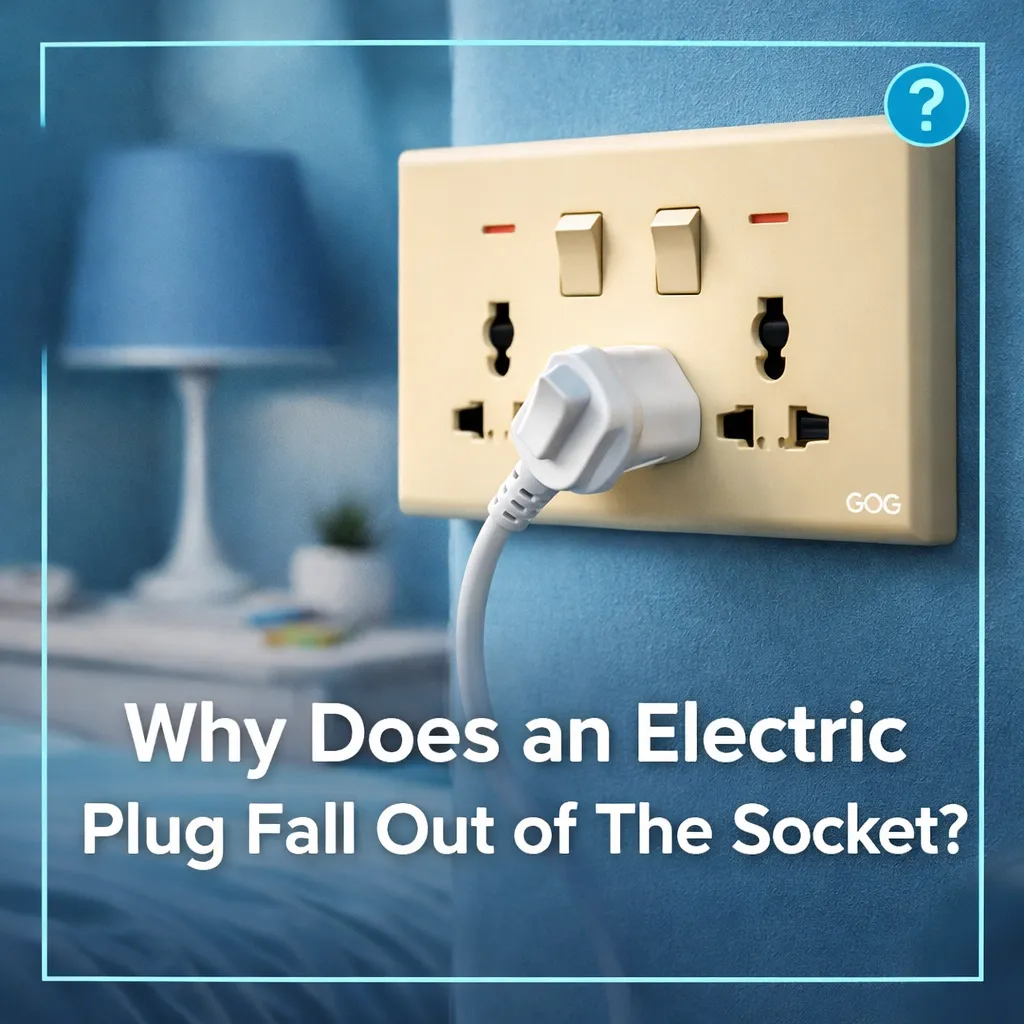
Understanding Why an Electrical Plug Falls Out of the Electrical Socket
When an electric plug will not stay secure in its respective electric socket, it is typically the result of one or more of the following reasons:
1) Worn Out Contacts within the Electric Socket: Over time, when the electric socket contacts are engaged by the electric plug terminals, the terminals will wear out as a result of the constant use. As such, the contacts lose their holding tension allowing for the plugs to lose their holding position and fall out.
2) Low Quality Electric Sockets: Some electric sockets are made of inferior materials or manufactured using lower quality standards, thus will wear out much quicker than higher quality electric sockets.
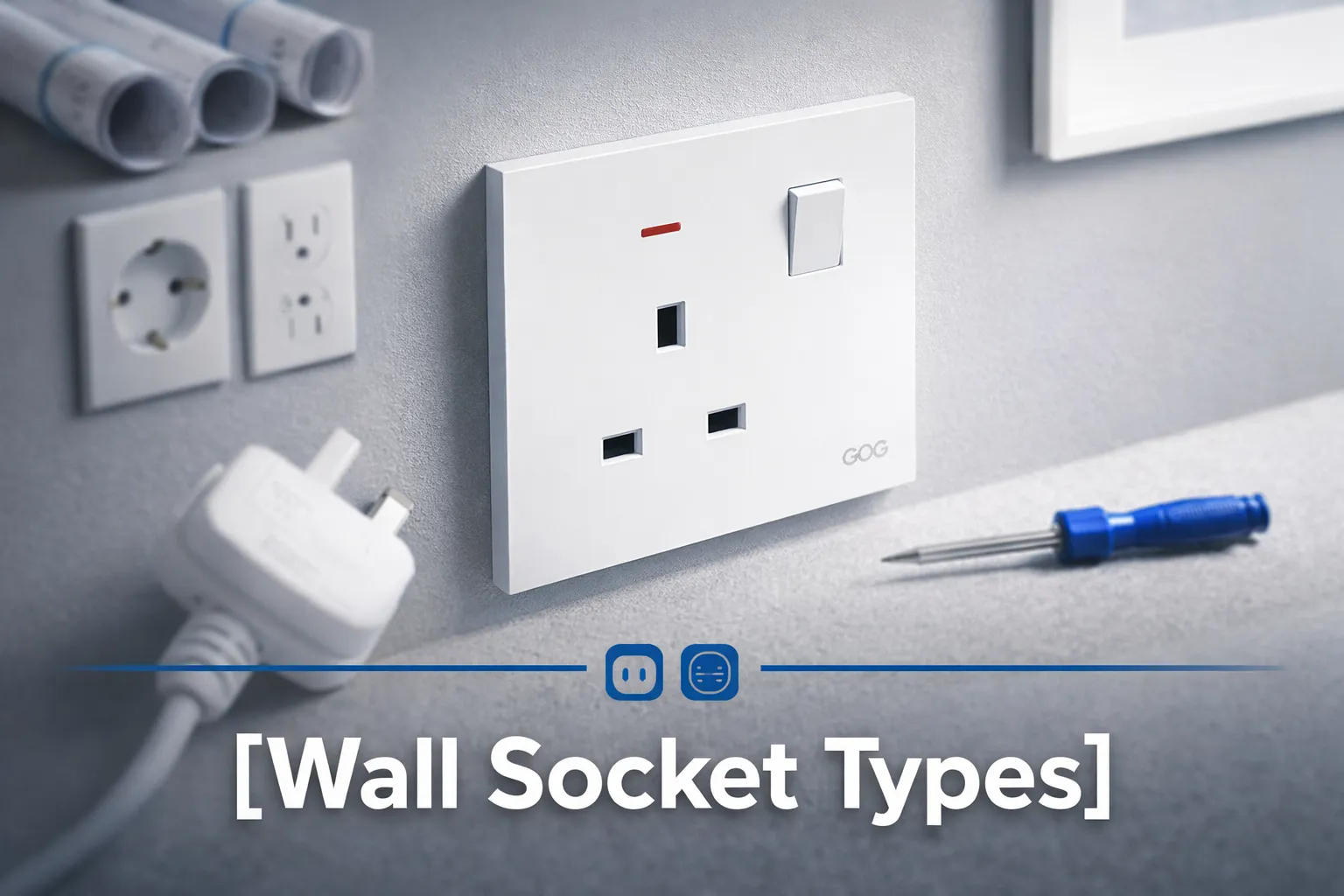
3) Size Mismatch Between Plug and Socket: Not every electric socket is designed for every electrical plug since they do not use the same size standards to manufacture their respective electric plugs and electric sockets.
4) Damage to Electric Socket (e.g., Bending Contact Points and/or Cracks): If someone drops or mishandles their electric socket, the contact points may become bent or may crack which could cause the electric plugs from fitting into their respective electric socket.
5) Movement of the Wall Plate: In some cases, the wall plate that surrounds the socket could be loose or out of alignment, which could affect the socket’s ability to properly hold the plug in place.
How to Prevent Plugs from Falling Out of Sockets in Your Home
If you have a faulty socket and want to prevent future problems, use one or more of these fixes:
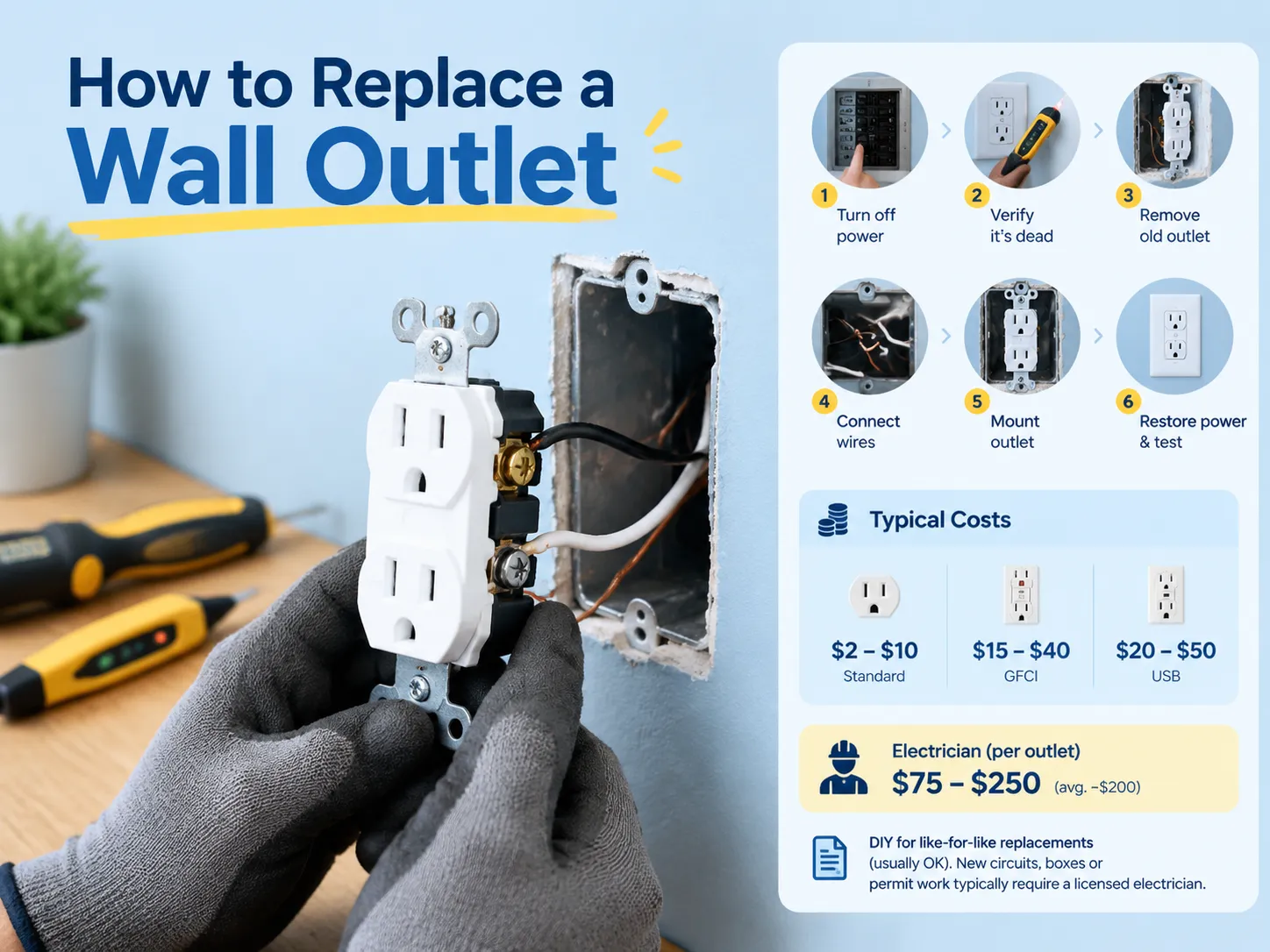
1) Replace Worn-Out Sockets: If you find that your electrical sockets are worn down and no longer work well, then replacing them is a good option. Newer sockets will offer a better grip on the plug being inserted into it and assure they will operate safely.
2) Tighten Loose Wall Plates: Check to see if there is any looseness in the wall plate that is around your electrical socket as it can move around and destabilize the devices plugged into it by securing with screws.
3) Use Outlet Extenders: Outlet extenders, also referred to as socket savers, are created specifically to go into existing sockets and provide an additional grip while extending the life of older style connections.
4) Purchase High Quality Sockets: Again, if you are using a socket with a high quality of materials for the insulation around the wires and the metal parts of the socket, the likelihood of having a malfunction with that type of socket is much lower over time.
5) Check Compatibility of Plugs with Socket: Before inserting any plug into an electrical outlet, always verify that it is compatible with it. If it doesn’t fit correctly, utilize plugs that work specifically with that particular type of outlet.
Can a Loose Connection in an Outlet Cause a Fire?
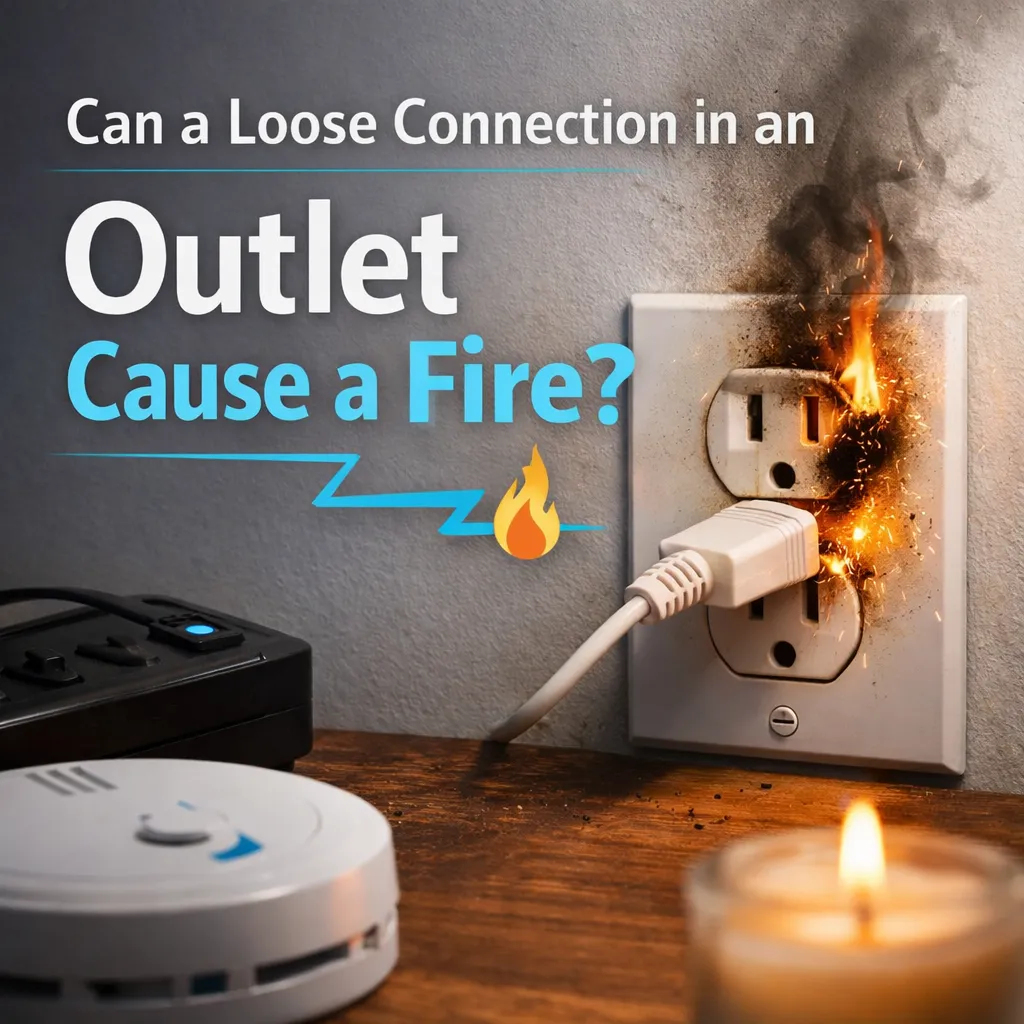
A loose connection in an outlet could potentially be extremely dangerous and create a fire hazard. When there isn’t a proper fit between the plug and the electrical socket, it can cause links to be made intermittently, which leads to an arc of current. The heat generated by faulty connections can ignite the materials surrounding it, especially if flammable materials are near the area. To reduce your risk of fire due to arcs, immediately repair any loose sockets or do not use any plug or outlet that is damaged.
Periodic inspections should be done on your electrical system to check for issues that may arise before they become significant. If you ever suspect that you are having overheating problems, such as a warm socket or strange odours coming from the outlet, don’t use that socket again until you consult an electrician.
 FAQs
FAQs
Q: What are the signs of a defective socket?
A: A defective socket has several signs including but not limited to: loose-fitting plugs; sparks when you plug the device into the socket; burn marks on the outlet; audible sounds such as a buzzing noise when the device is plugged in; or burnt sulphur odours. If you notice any of these issues, do not use that socket until you contact an electrician.
Q: Can I fix a socket myself?
A: You can perform many maintenance tasks at home; however, deadly electrical parts should only be repaired by a qualified person. For example, you can replace a cover plate, but you shouldn’t try to repair electrical components inside the socket. An electrician has the tools required to properly fix the connection; it is unsafe for an unqualified person to attempt such things.
Q: What tools do I need to fix a loose outlet?
A: To fix a loose outlet, you will most likely need a screwdriver, possibly spacers to allow you to securely install the outlet and, if you wish to ensure that there is no current on the outlet, a voltage tester. Remember to use caution and turn the breaker off before you get to work.
Q: Is it safe to use tape to hold a plug in the socket?
A: It is not safe to use tape to hold a plug in a socket; it can be a fire hazard and does not resolve the underlying issue, which requires repairing or replacing the outlet properly.
Q: How often should you have an electrical socket inspected?
A: You should have your electrical sockets professionally inspected at least yearly, especially if you live in an old home. Regularly scheduled inspections can reduce hazards by allowing you to identify and correct potential problems early, such as new wear and tear or loosely connected wiring.
Q: Do childproofing covers provide enough stability to prevent a plug from falling out?
A: Childproofing outlet covers do provide additional stability to keep plugs from falling out because they support the prongs; in addition, they provide electrical safety for children.
Loose plugs falling out of a socket can be annoying; however, the true danger to your home comes from a loose plug. By understanding the causes of plug/socket disconnections such as worn contacts, damaged socket springs, poor fitting plugs, etc., you can troubleshoot effectively. The best way to prevent your home from becoming unstable due to bad wiring, etc. is to perform quick maintenance by replacing old outlets with newer and higher quality types of outlets and periodically performing maintenance.
If you are continually experiencing a problem or think that damage has occurred in your electrical systems, consult with a certified electrician. Maintaining your electric wall outlets in like new condition will help keep your home and family safe from being exposed to all of the dangers that can be created by electricity if used improperly.