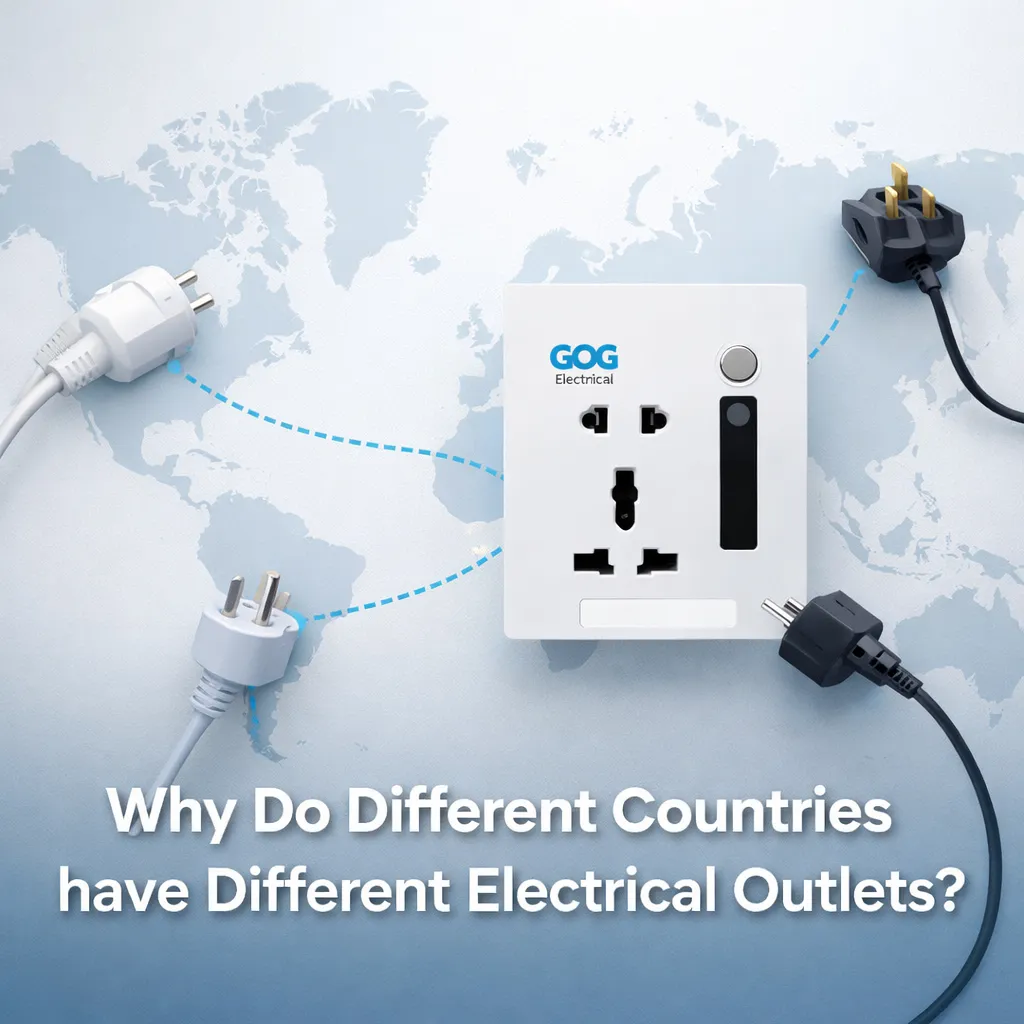
Globalization has caused people to travel and trade internationally. When travelling or doing business overseas, one of the first things that most travellers will notice is that their electrical devices may not fit into the electrical outlets of the country where they are now residing. There are very few countries in the world that have a standard format for electrical outlets, so why does this happen? Additionally, how did we come to this conclusion? The answer can be traced back through history, engineering, and practicality. Read on to learn more about the reason behind the different electrical outlet types as well as what this means for you as a traveller or expatriate living in another country.
The Historical Development of Electrical Outlets
The development of the electrical outlet originates back to the late 19th century to early 20th century when electricity was being produced for home use. Many countries were building their own electrical systems around this time independent of each other and with very little thought given to whether or not their outlet configurations would work with outlet configurations used in other countries. Engineers, manufacturers, and governments developed outlets based upon their needs, and existing technology available.
Over the course of time, as countries developed their own electrical outlets each country created its own standard, thus creating a broken-up and fragmented electrical environment around the world. For example, in the United States there is the US standard which is 120 volts using a Type A outlet and for the majority of Europe they have a different standard which is 230 volts with a Type C or Type F outlet. The voltages, frequencies, and plugs/sockets are as much a result of political decisions and conditions of the time, as they are engineering decisions based on the best method for providing electricity to the citizens of each country. By the time the world began to globalize there was really no ability to create a worldwide standard to convert the electrical systems of the countries into an electricity system that could work around the globe. The differences between electrical supply systems continue to create a world filled with an uneven assortment of electrical plug sockets today.
Types of Electrical Outlets Across the Globe
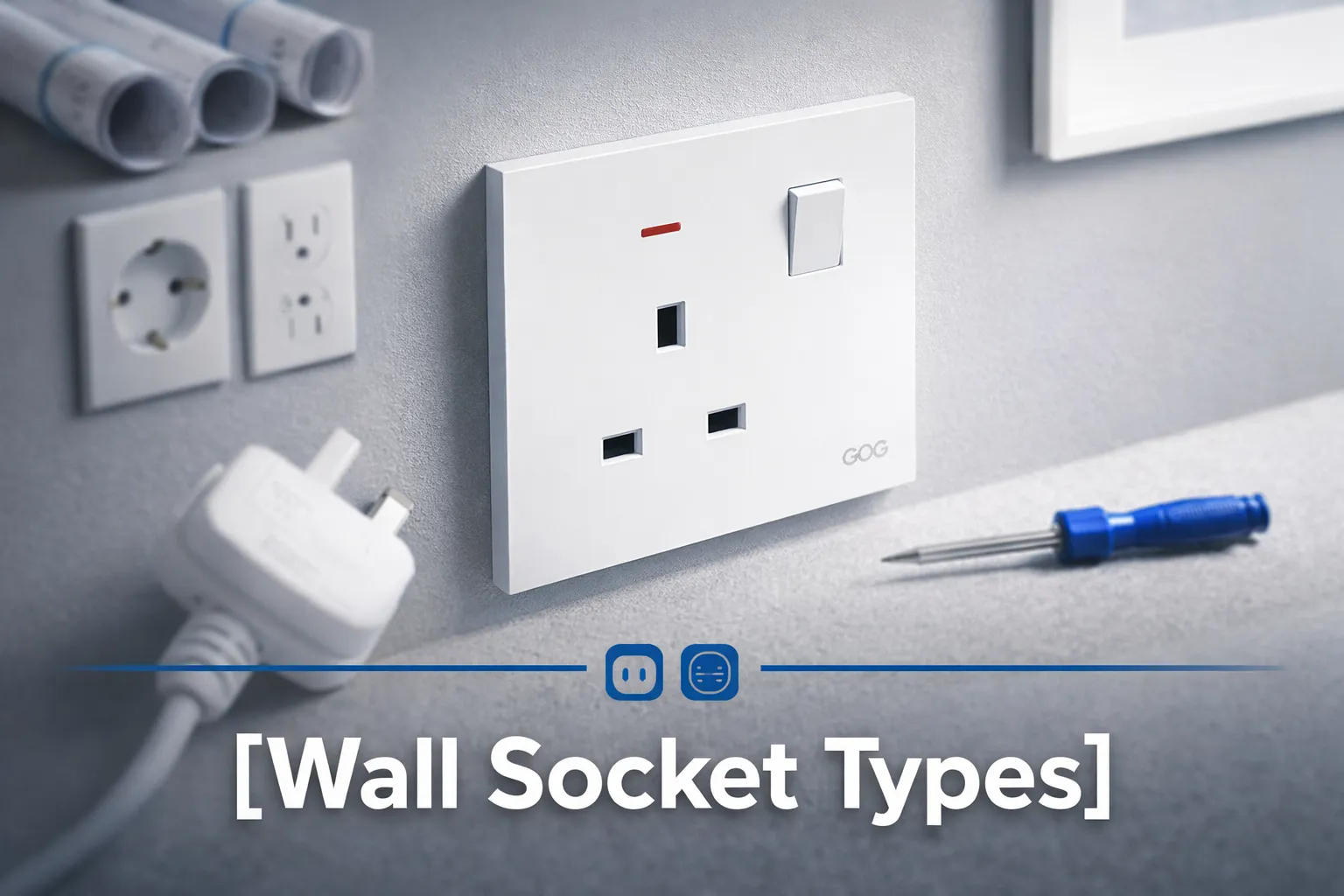
At this moment, there are over a dozen types of approved plug and electrical outlet systems worldwide. Examples of some include:
- Type A and Type B: The two most common electrical outlet types used in the U.S., Canada, Mexico, and Japan that operate on 120 volts and have flat prongs.
- Type C and Type F: Sockets used throughout Europe and Asia that require 230 volts and have round holes.
- Type G: Sockets found in the U.K., Ireland, and former British territories that utilize 3 rectangular holes and operate on 230 volts.
- Type I: Sockets commonly used in Australia, New Zealand, and China and have either 220 or 240 volts depending upon where you are located.
There are many countries that have parallels; however, the variance in electrical sockets creates many challenges for people that travel to Italy, Thailand, and Canada. For example, Italy uses Type C, F, and L outlets; Thailand typically uses Type A, B, and C outlets; and Canada’s outlets are the same Type A and B outlets that are found in the United States. If you are unsure of what type of electrical socket is used at your destination, buying a universal travel adapter can resolve most problems associated with incompatibility.
Why Don’t We Use a Universal Socket?
A universal electrical socket is an appealing idea. One global electricity system would do away with the need for adapters, voltage converters, and different type (incompatible) devices across multiple countries. However, the challenges of making this happen (due to legitimate/practical/financial hurdles) mean it’s not likely that we will see such a universal approach any time soon. The cost of replacing millions of electrical sockets (the physical sockets installed in walls around the world) would be astronomical in terms of time, money, and labour. The disruption and costs from this to the infrastructure/supply chain level, and to consumers/businesses, would be many times greater than the added convenience of having everything standardized.
Notice also that there are political complexities and different energy needs in the globe. Different countries have custom-built their electrical systems to meet the needs of their regions. Changing or eliminating these custom-built systems in order to implement a universal system would necessarily decrease reliability and also create conflicts of interest due to regional priorities. Despite the fact that standardizing electrical outlets would ease travel and manufacturing around the world, the cost involved in making this transition is simply prohibitive at present.
FAQs: Common Questions About Electrical Outlets
1. When Will a Universal Outlet Ever Become Available?
At this point in time, while it may be technically feasible to build a universal electricity system globally, there are many factors (political, economic) making it impractical to develop in the foreseeable future. The significant differences in voltage and types of electrical outlets around the world virtually eliminate the possibility of putting into place a universal electricity outlet.
2. What Are the Most Common Types of Electrical Outlets in the World?
The most used types of electrical outlets, by country globally, are Type A and Type B (North America, Japan), Type C (Europe, Asia, South America) and Type G (UK/former British Commonwealth).
3. What Type of Electrical Outlets Are In Use In Mexico?
In Mexico, most electrical outlets are Type A or Type B. These are compatible with the outlets in North America, and the voltage usually ranges around 127 volts.
4. Are Electrical Outlets in Italy Compatible with US Plugs?
No, the Italy electrical outlets do not accept plugs from North America. Type C, F, and L plugs are commonly used in Italy, and they operate at an approximate voltage of 230 volts. Adapters are required.
5. What Type of Sockets Does Thailand Use?
Thailand electrical outlets often support Type A, Type B, and Type C sockets, and they operate at 220 volts. Visitors from North America will need compatible plug adapters and voltage converters for their devices.
How to Prepare for Electrical Outlet Differences When Traveling
To prepare for the various types of electrical outlets and plug types, it is essential to be familiar with the electrical regulations and standards of your destination country. Universal adapters are increasingly accommodating a wide range of plug shapes, enabling travellers to use multiple plug types with ease. Additionally, ensure your device chargers can accept input voltages of both 120 volts and 240 volts for seamless usage across regions.
If possible, invest in a high-quality adapter set and, if necessary, bring voltage converters to avoid any damage to your electronics. While modern devices like laptops and smartphones are often equipped for dual voltages, double-checking specifications beforehand can ensure reliability during your travels.
The multiple types of electricity outlets worldwide reflect the diverse ways electrical systems were independently developed across countries. While the idea of universal socket standardization is attractive, economic, technical, and political barriers make it unattainable in the near future. By preparing ahead of time and obtaining the necessary adapters and converters, you can ensure your devices stay powered, whether visiting historic landmarks in Italy or enjoying the serene beaches of Thailand. With adequate planning, staying connected as you navigate different regions becomes a seamless experience.