Grounding your socket is essential for providing safety and functionality when using electric appliances. Most homeowners and businesses do not know the reasons for grounding their sockets; therefore, this article will explain the purpose of grounding your sockets, discuss what happens if your socket is not properly grounded, and answer common questions regarding grounded wall sockets. Once finished reading this article, you will have an adequate understanding of this very important aspect of electrical safety. 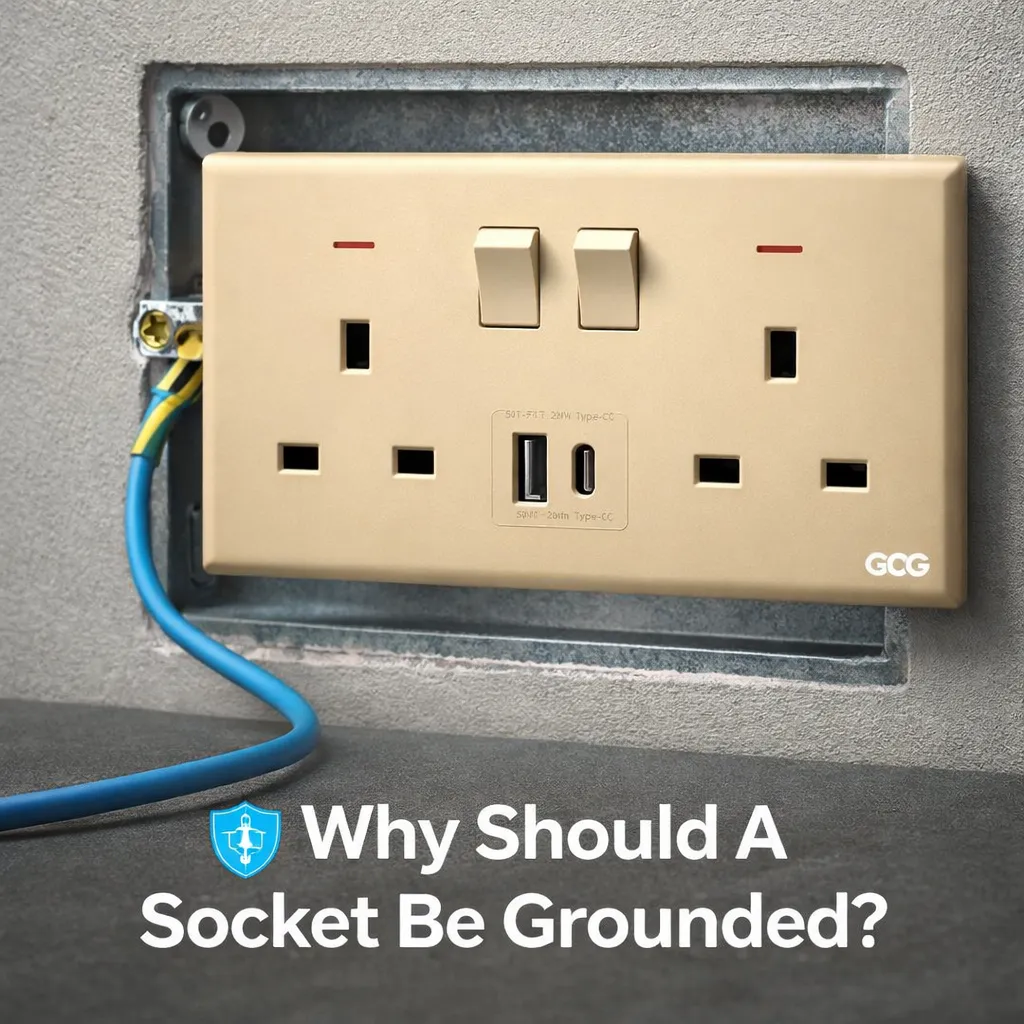
What Does It Mean for a Socket to Be Grounded?
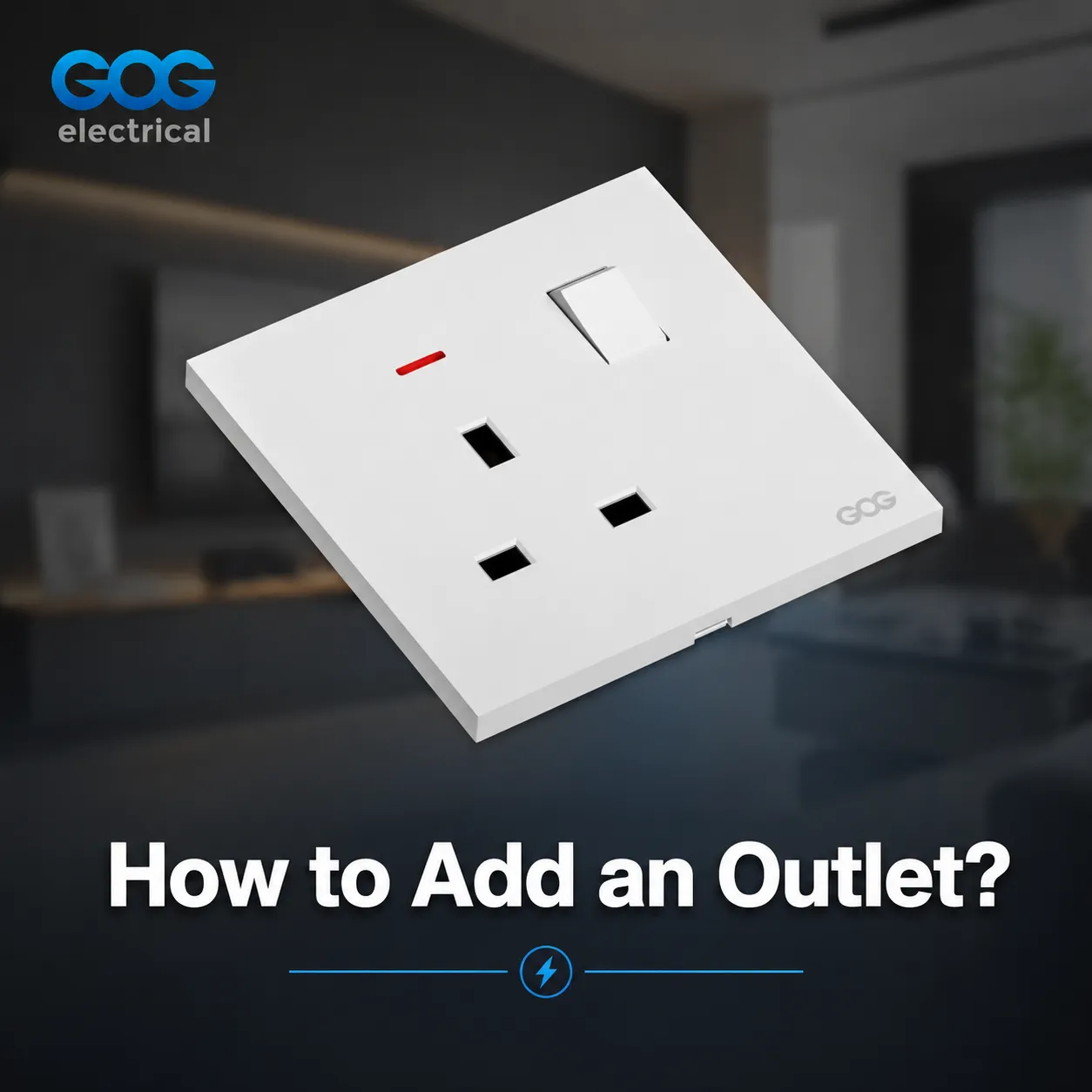
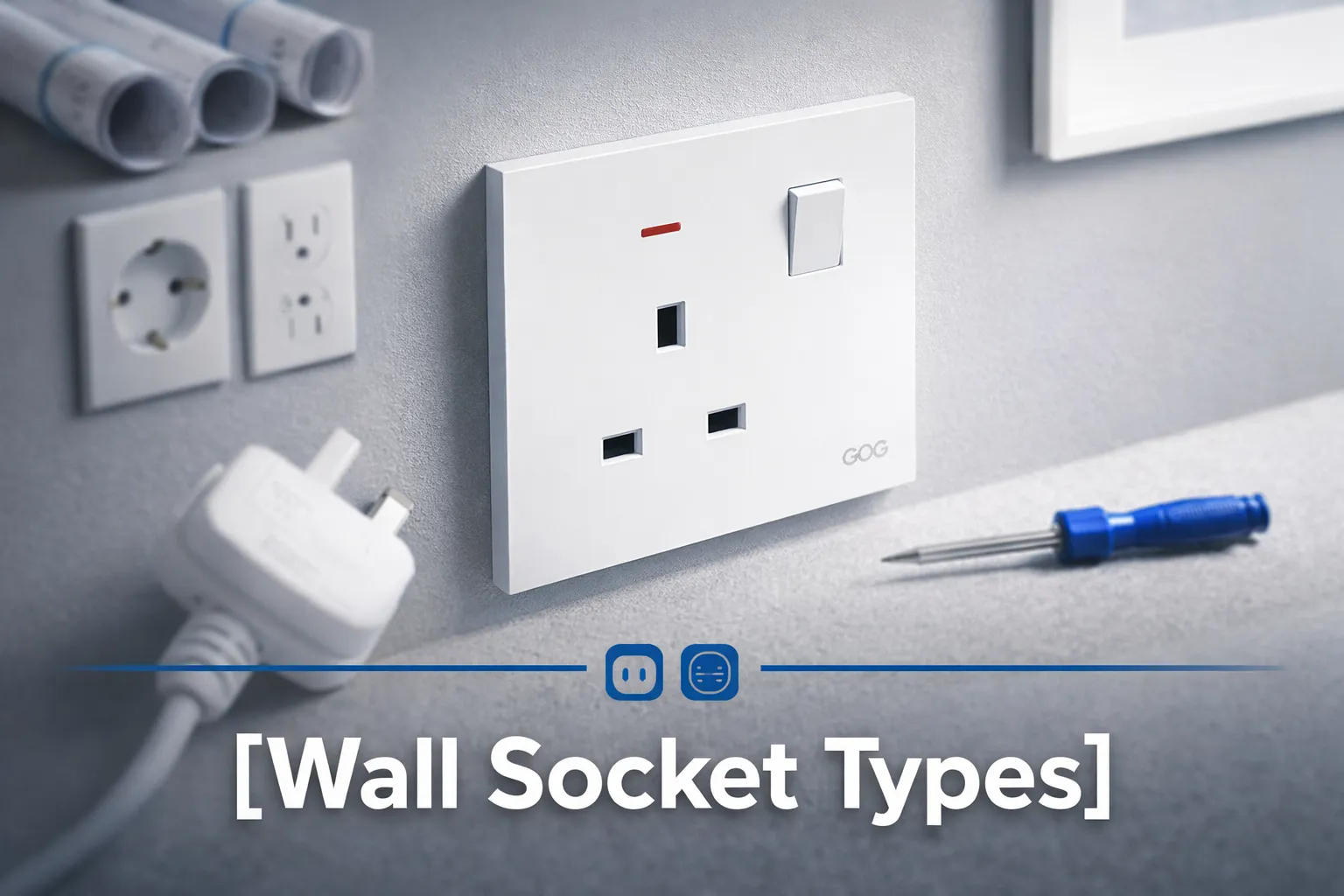
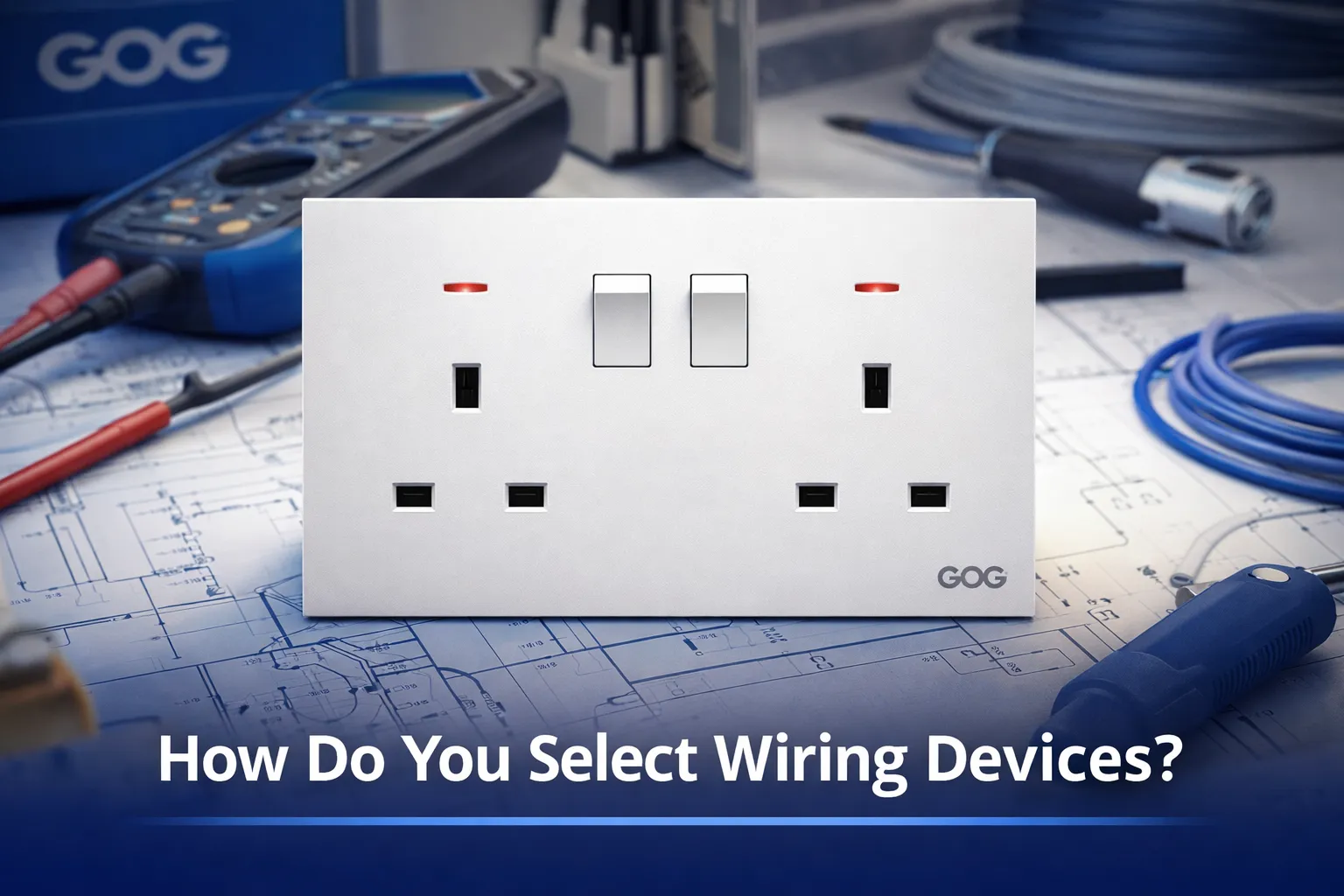
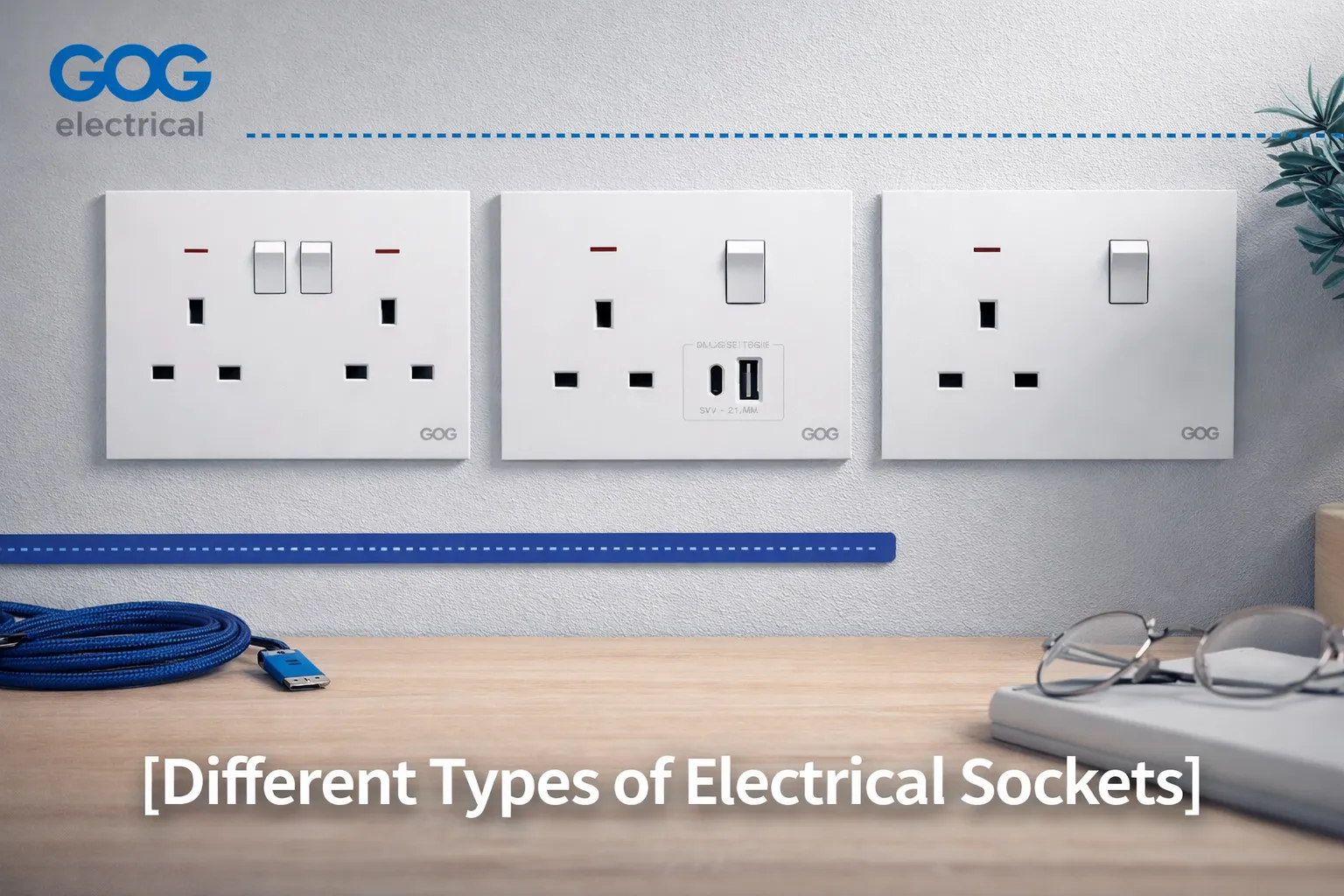
Grounded sockets are types of electric outlets that have a connection to the earth, generally using a grounding pin and the associated grounding wiring. This is accomplished by connecting the metal parts of an electric system to the ground thereby providing a safe pathway for excess electrical current to travel. In general, grounded sockets have a three-prong configuration; the two prongs provide positive and negative current, while the third prong leads to the ground.
The primary purpose of a well-functioning grounding system is to minimize the risk of an electric shock occurring, and to prevent electrical devices from being damaged by excessive amounts of stray current that are delivered to a grounded wall outlet.
Why Are Grounded Sockets Important?
1. Enhanced Electrical Safety
The first reason is that they provide the greatest protection against electric shock. In case of a short circuit or electrical fault, grounded electrical sockets have a low-resistance path to carry excess current directly into the earth, helping reduce the risk of dangerous electrical accidents.
2. Protecting Your Electronics
Modern electronic devices are highly sensitive to voltage surges and fluctuations. By providing a grounded electrical outlet, you will protect your electronic devices from damage from stray currents, lightning strikes, and sudden power surges, which will prolong the service life of the devices and help them function correctly.
3. Preventing Fires
When the electrical circuit is overloaded or experiences a fault, it can generate heat, which will increase the risk of an electrical fire. Grounded electrical systems lower this risk by safely dissipating excess current, which will help keep your home or workplace safe from the risk of disaster.
What Will Happen If My Electrical Outlet Is Not Grounded?
An ungrounded or improperly grounded electrical outlet may have multiple risks, making the electrical system unsafe and unreliable. Here are some things that could happen if the electrical outlet is not grounded:
The Risk of Electric Shock: If there is no proper ground, stray current may be able to travel through metal appliances or electronics when there is an electrical fault, increasing the chance of an electric shock.
Damage to Equipment: If there is no proper grounding, sensitive electronics like computers and smartphones may not have any protection from voltage surges, which could result in repair or replacement costs.
Increased Fire Hazard: When there is an electrical fault, the increased temperature will result in a higher chance of an electrical fire; however, grounding systems will redirect any excess energy safely to the ground.
Inconsistent Performance: Proper grounding allows for stable voltage levels in your electrical system. If you do not have a grounding system for your appliances, you will most likely have erratic performance from your electronics and appliances.
Are Grounded Sockets Common in Japan?
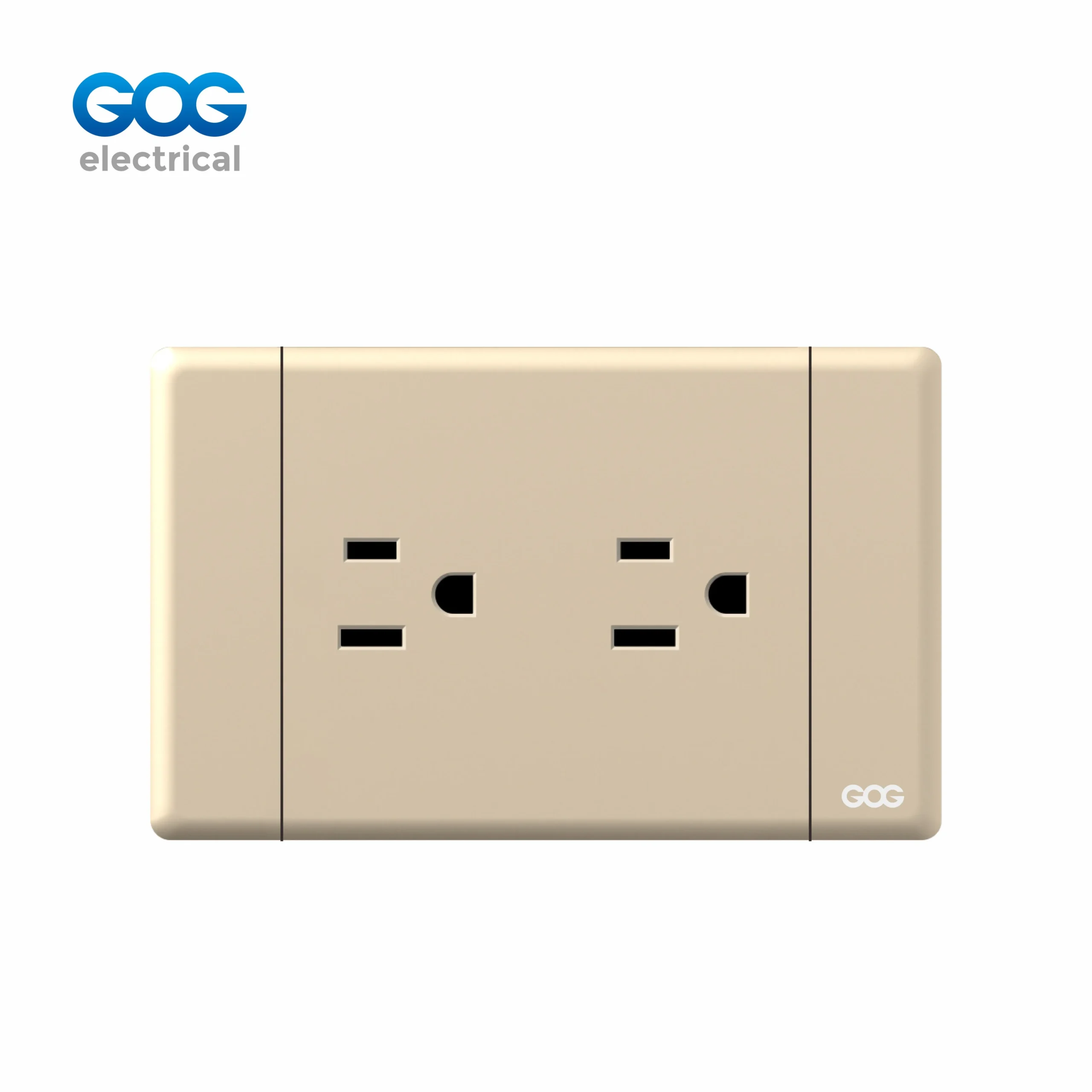
Japan is unique regarding grounded wiring, as there are typically two sockets in Japan (pronged) rather than the three-pronged design commonly seen in Western countries’ grounded systems. Some newer buildings and facilities include grounded wall sockets, but many older establishments do not have grounding systems in place.
For travelers or residents who regularly use appliances requiring a ground wire, this issue can be frustrating.
To solve this issue, many people in Japan use plug adapters or portable grounding. However, if you would like to have the most reliable and safe way to assure your safety, the best way is to have a licensed electrician install a ground outlet where needed.
How Can I Ensure That My Outlets Are Grounded?
Ensuring that there is adequate grounding at your outlets should always be a priority. Here are some ways to verify and achieve proper grounding:
1. Check Outlets: By visually checking, you can determine if your outlets are a three-pronged (grounded) outlet.
2. Use a Circuit Tester: An easy way to verify a grounding connection is to use a circuit tester. You can use it to verify that there are no wiring problems associated with the ground.
3. Consult a Professional: Hire a qualified electrician who has experience evaluating your home for the safe installation of grounded outlets.
4. Consider Whole-House Surge Protection: Installing a whole-house surge protector complements individual grounded sockets and offers additional safety from power surges.
FAQs About Grounded Sockets
What happens if a socket is not grounded?
If a socket is not grounded, it increases the risk of electric shocks, equipment damage, and even fires due to stray electrical currents. Sensitive electronics may malfunction or suffer irreparable harm, and overall electrical safety is compromised.
Are grounded sockets mandatory in all countries?
No, grounded sockets are not mandatory in all countries. For instance, Japan commonly uses two-prong outlets that lack grounding. However, countries like the United States and many others prioritize grounded sockets as part of standard electrical infrastructure regulations to ensure safety.
Can I convert my two-prong outlets to grounded sockets?
Yes, you can convert two-prong outlets into grounded sockets – but this requires professional help. A licensed electrician will assess your electrical system and install proper grounding to comply with safety standards. DIY attempts can be risky and are generally not recommended.
How do I know if my socket is grounded?
The most reliable way to confirm if your socket is grounded is by using a circuit tester. These inexpensive devices can verify proper grounding and detect electrical issues. Alternatively, consult an electrician for a thorough inspection of your system.
Do grounded sockets require maintenance?
Grounded sockets themselves do not require frequent maintenance, but it’s important to ensure your entire electrical system is in good condition. Periodic inspections by a certified electrician can help detect faults and ensure residual current devices (RCDs) are functioning properly to increase safety.
In conclusion, grounded outlets will help ensure the safety of your home’s electrical system and appliances, help protect your electronics from damage, and reduce your risk of an electrical-related fire. If you are getting a new home, redoing your electrical system, or moving to a country that has different electrical codes, understanding what grounded wall outlets are, the functions they perform, and their potential advantages to you and your home, will aid you in making informed decisions. If you are unable to determine whether your home is being given proper care regarding the grounding of your electrical systems, you should contact a licensed electrician for further inspection of your home’s electrical systems. If you value electrical safety, do not forget about the importance of having a grounded outlet in your home as they are one of the most important components of an effective electrical system.