Key Features & Typical Use
Designed Around Conversion Layouts
Renovation often results in the creation of pathways that were never intended to exist. For example, when a wall is taken out to create a large kitchen, or when an existing corridor is expanded to go to a new area of the building, or when a new level is added to a building. Each of these cases gives rise to junction boxes which need to receive 3 or more supply sources. It is the intermediate curcuit that makes wiring feasible without designing the complete circuit over again.
The Middle Position, Not an End One
An intermediate switch consists of four terminals but does not have its own on and off position; it simply alters the circuit path in order for the two way switches at both ends to keep functioning. An intermediate switch cannot substitute a two way switch at the finishing point of the circuit, which is one count error that must be avoided.
Narrow Reveals on Long Runs
Extra positions of control in a corridor often end up being located near door frames or at the corners of structural columns, which also happen to be places where the height needed for a panel is restricted. The 80 x 73 mm panel comes to the rescue; therefore, the added switch can go wherever it is needed without being limited to a spot where the square panel can fit.
Conductor Count on Long Runs
In order to add control to the third position with intermediate switching, it is necessary to have an additional run between the two adjacent switches otherwise another switched cable would have to be run back to the controlling board. The long run makes the intermediate module necessary because it eliminates the need for a lot of copper and containment.
Specifications
| Series | EF EU standard series |
|---|---|
| Item Code | EF-003 |
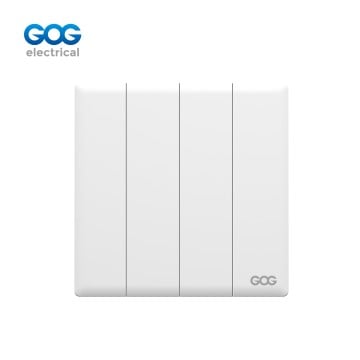
| Description | 1 gang intermediate switch, slim panel |
| Panel Size | 80 x 73mm rectangular format |
| Rated Current / Voltage | 10A 250V~ (listed as 10AX on the EF sheet) |
| Wiring | Intermediate — four terminals, inserted between two 2 way switches |
| Installation | Flush mounting |
| Plate Material | PC (polycarbonate) |
| Contacts | Red copper with silver alloy contact points |
| Supply Form | Finished product, or switch module + frame |
| Related Switches | EF-001 (1 way), EF-002 (2 way, one at each end of the run) |
| Packaging | Finished product packaging, or switch + frame packaging |
EF-003 – Multi Position Control on Routes That Were Never Designed as One
Refurbishment is normally performed in the following manner, with control positions added individually, starting with a switch at a point farthest from the corridor. After that, a switch is installed at the new door and then again at the stair. If the project is done in three separate circuits, it will require much more cable than if it is treated as a single circuit with intermediate points.
Also, the intermediate method of installation is the least obtrusive solution for a building that’s already in use because it utilizes the wiring which is already there between the two way switches, instead of needing a cable back to the distribution board. In a multi-storey conversion, this can mean the difference between merely changing fittings and rewiring partially, and the smaller intermediate panel allows the installation of the extra switch at the right place in the layout without the need for a bigger alternative.

Factory-Direct OEM / ODM Manufacturer
We Manufacture, You Brand
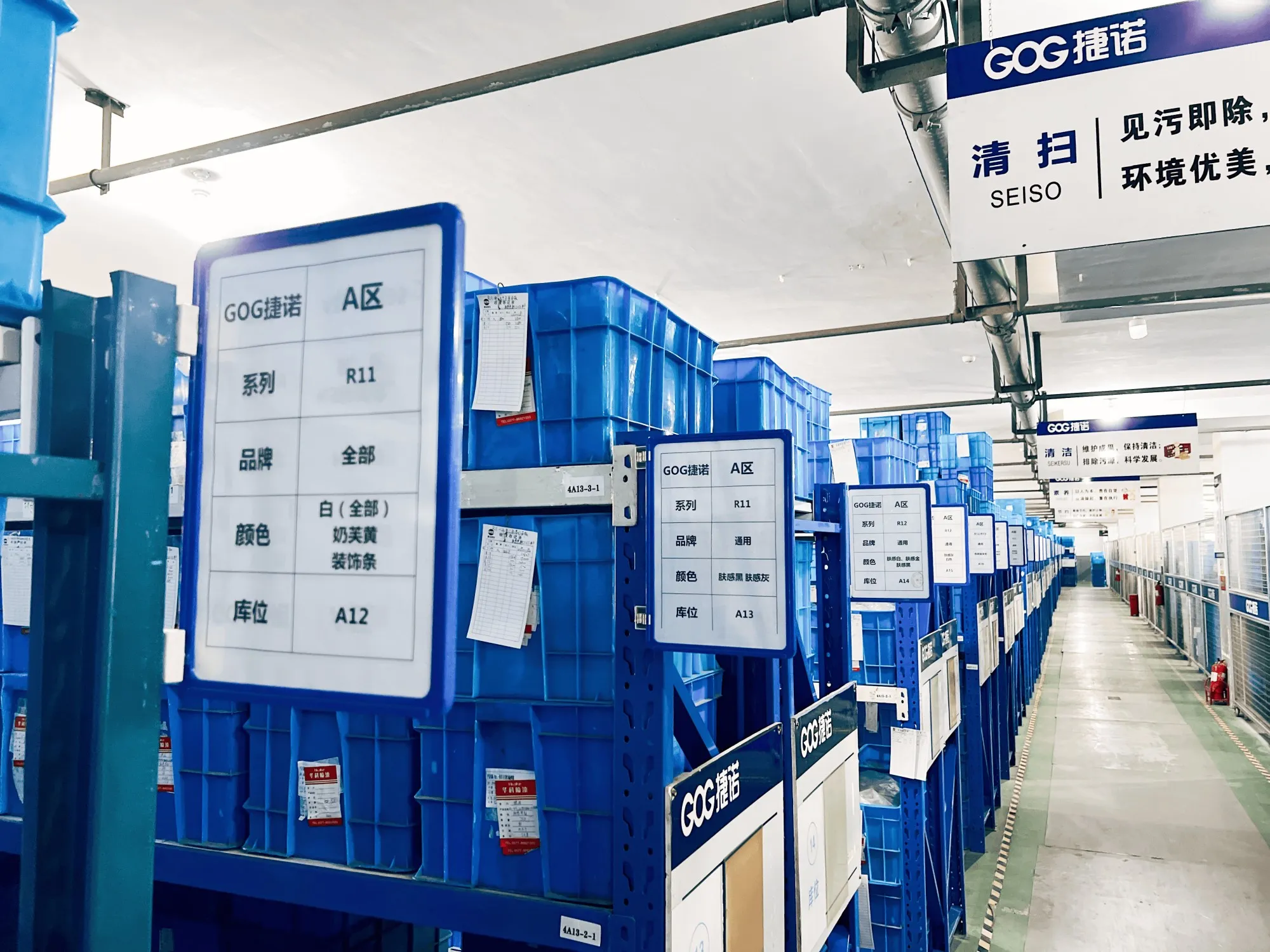
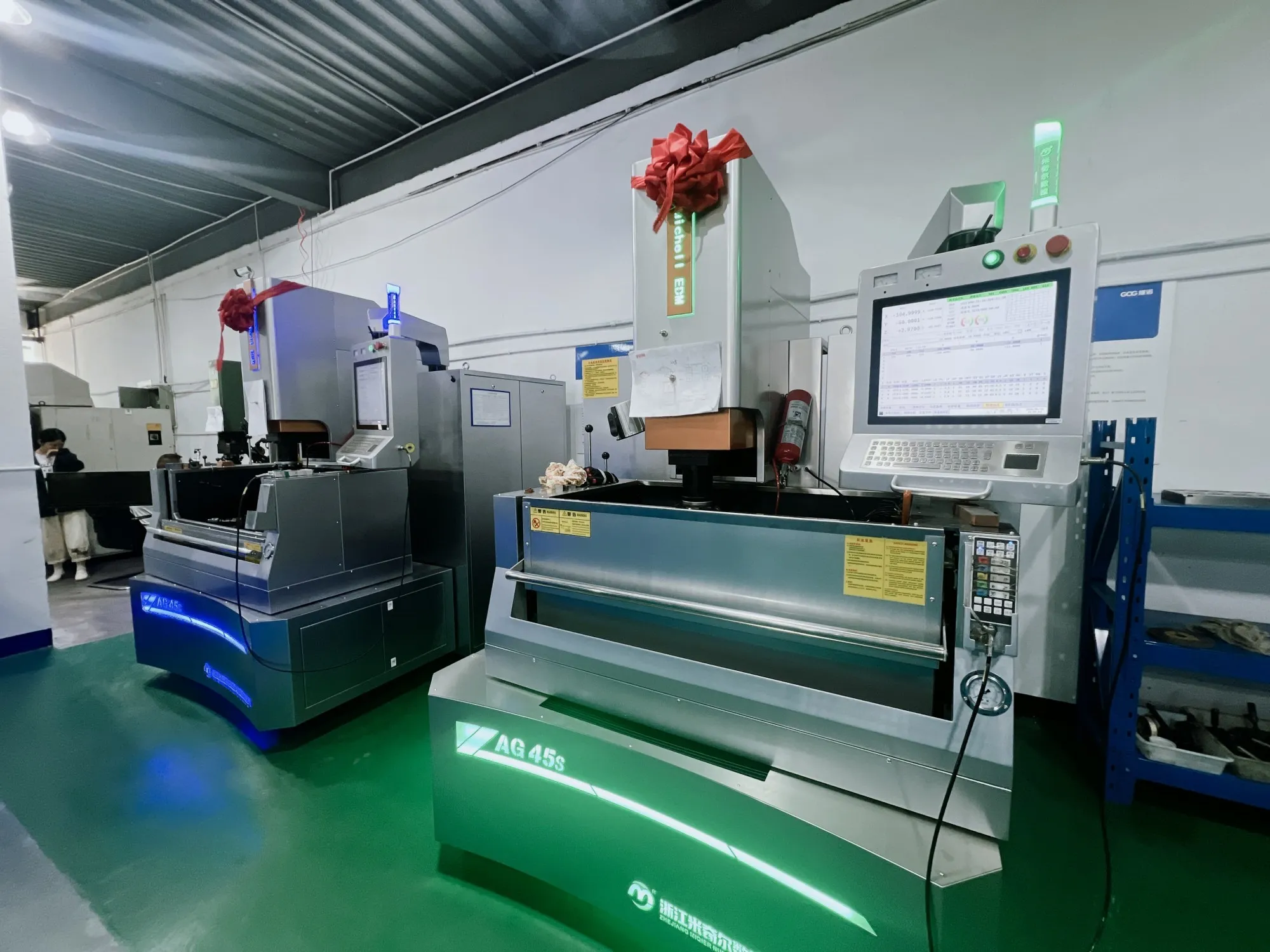
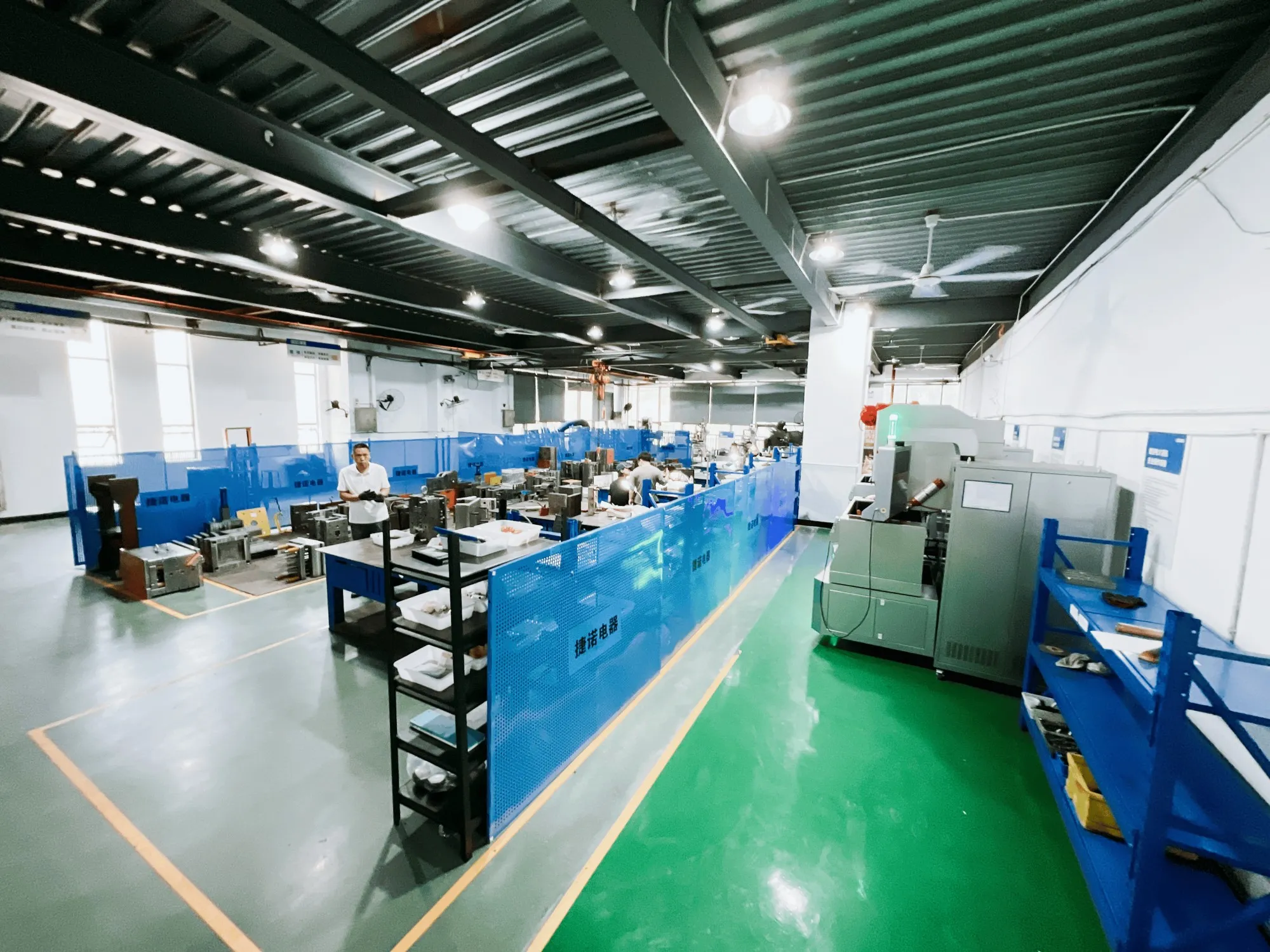
Panel tooling in-house · PC moulding and copper contacts · OEM branding
- OEM branding – logo on the plate, custom carton and instruction sheet.
- ODM options – panel format, plate colour, module mix and packaging format.
- Testing – function and electrical tests recorded for each production batch.
- MOQ – flexible per item; confirmed with the quotation for your configuration.

Buying Guide
- List the circuits that will be controlled from more than two positions after the works.
- Order a two way pair (EF-002) for the two ends of each circuit.
- Add one intermediate module (EF-003) for each further position along the run.
- Check the cable route allows the intermediate modules to be inserted between the two way ends.
- Confirm the panel format each position allows and approve a sample plate.
- Confirm quantities and configuration with our team.
How We Support Your Business

OEM / ODM
Custom housing colour, module mix, frame layout and retail packaging built on our standard EU wiring device platform — your logo on the plate, your carton on the pallet.
Custom moulding · Branded packaging · Private label
Wholesale
Factory-direct pricing with a flexible per-item MOQ, mixing modules, frames and finishes in one container for importers, wholesalers and retail chains.
Factory pricing · Mixed models · Container loading
Distributor Support
Account management, market-specific socket format advice and priority production slots for channel partners building a European wiring device range.
Account manager · Market advice · Priority lead times
Ready to Order the EF-003?
Please let us know how many additional control positions are needed per circuit so that we can give you a price quote for the EU standard slim panel intermediate switch ex works along with a two way pair for each circuit.
Contact Our Sales Team
Frequently Asked Questions
Where is an intermediate switch used in a refurbishment?
When dealing with a lighting circuit that has three or more switching locations after a construction project, such as a corridor that has been extended, or a large open area formed by taking out walls, or the multiple storeys of a circulation route that has been modified.
Can it be used instead of a two way switch?
No. An intermediate switch does not have its own on or off position and must be connected to two two-way switches. Thus, a function composed only of intermediate switches will not work and a pair of two-way switches will always be present in the system.
How many intermediate switches does a circuit need?
It is equal to the number of control positions beyond two minus one. If controlled from three positions it requires one; from four positions, two; from five positions, three. Two-way switches are situated on the two ends of the run.
Does adding a position require a cable back to the distribution board?
Certainly not via intermediate switching. The extra switch is in the circuit between the two ordinary switches. Because of this reason, such an approach is helpful for construction projects where the installation of a new wiring back to the switchboard is too inconvenient.
Will the plate suit a narrow reveal in a corridor?
The rectangular panel with dimensions of 80 x 73mm is meant for such situations since the height of the panel can often be the constraint in the frame of doors and structural piers. Measure the width and fixing centres in the position where it is to be installed before placing an order.
Can the intermediate module share a plate with something else?
Indeed, the switch comes in a module form meant for the EF frame system which allows it to be combined with other modules in different units where lighting control would be desired along with a plug or outlet. The completed plate version comes fully equipped.