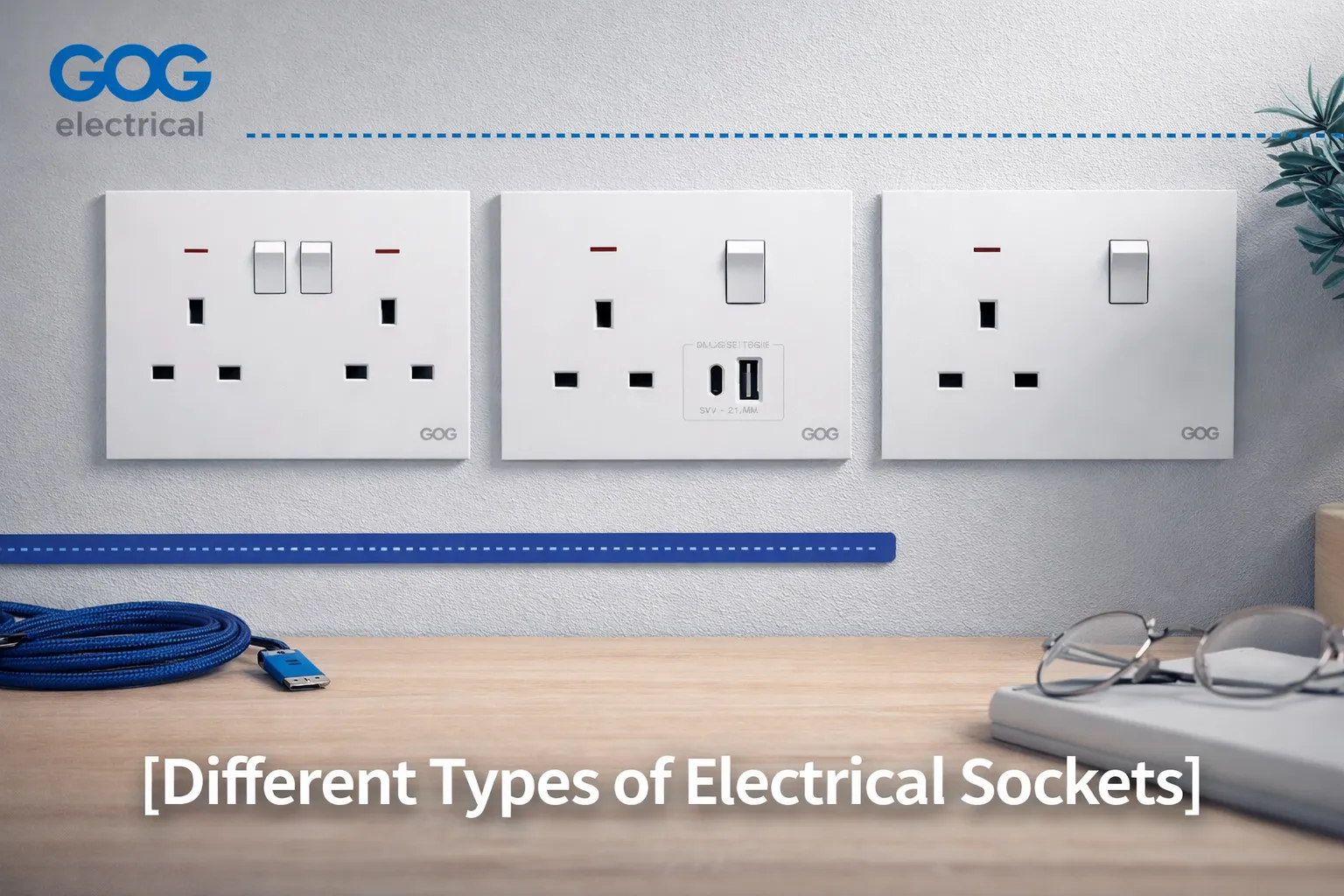
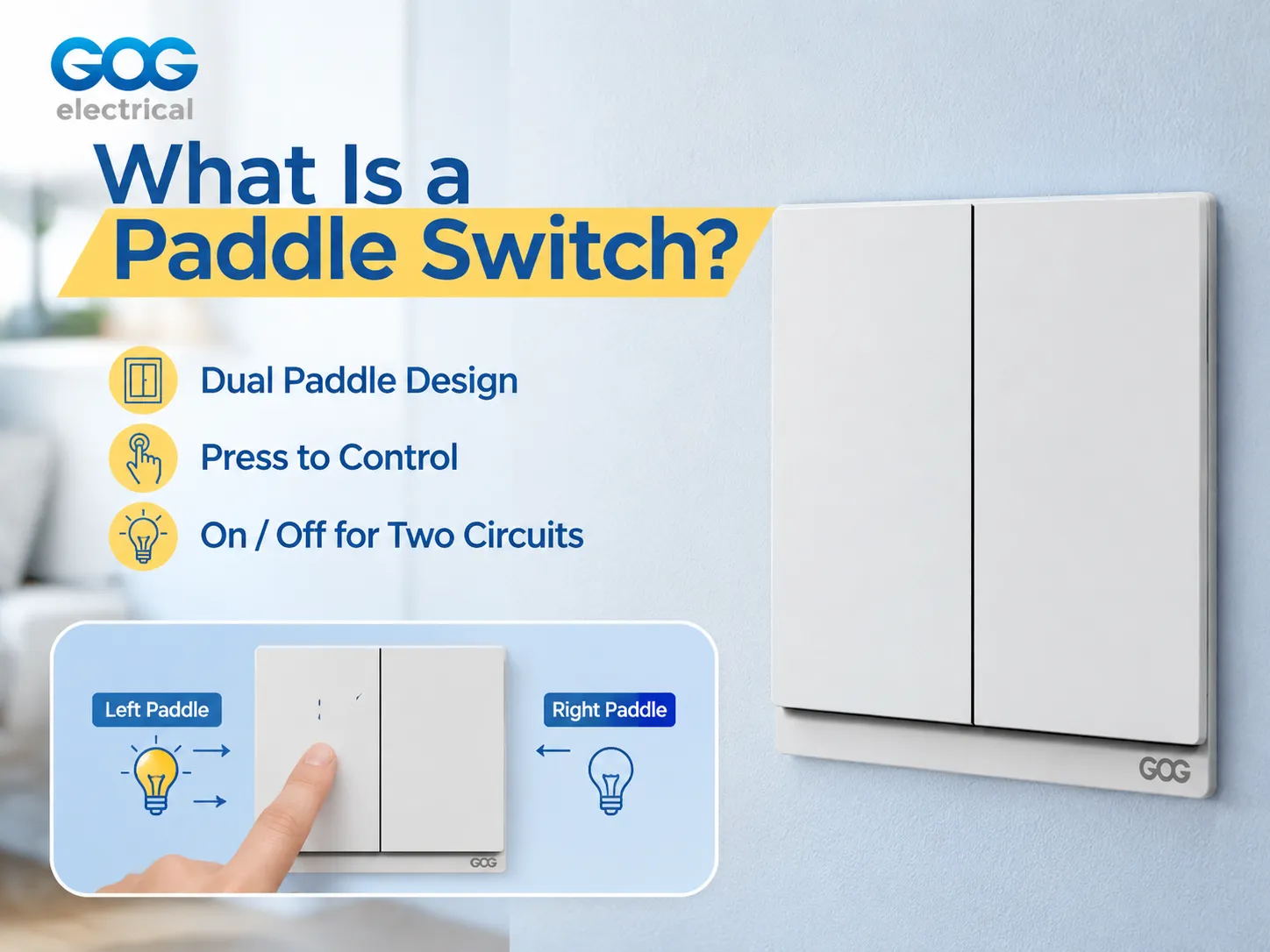
إذا دخلت إلى منزل حديث، ستلاحظ هيكل تصميم مكون من شكل مستطيل يعمل على تأرجح المفتاح. يُطلق على هذا الجهاز أسماء مثل مفاتيح الروكر، مفاتيح الديكور، مفاتيح البادل، إلخ. لقد حلت مفاتيح البادل بالكامل محل مفاتيح التبديل التقليدية بسبب سهولة استخدامها. يصف الدليل كيفية عمل مفاتيح البادل، وكيف تبرز مقارنة بمفتاح التبديل، وعدد أنواع مفاتيح البادل المتوفرة في السوق اليوم، وكيف يمكن توصيلها، وكيفية اختيار النوع المناسب من بين الأنواع المتاحة.
باختصار، مفتاح البادل هو نوع من مفاتيح الإضاءة التي تحتوي على بادلة ذات شكل مستطيل بدلاً من ذراع التبديل. عند الضغط على البادلة، تدور حول نقطة ارتكاز، مما يحرك ذراعًا محملاً بنابض إما لإنشاء الدائرة أو قطعها. ستظل البادلة في نفس الوضع حتى يضغط عليها شخص ما مرة أخرى. يتميز مفتاح البادل بالرمز “I” للتشغيل و“O” للإيقاف. الأنواع المختلفة من مفاتيح البادل المتوفرة في السوق هي مفاتيح ذات قطب واحد، 3 اتجاهات، و4 اتجاهات، حيث تتراوح التكاليف من $2 إلى $50 اعتمادًا على جودة المفاتيح.
ما هو مفتاح Paddle؟
مفتاح البادل هو مفتاح جداري يحتوي على سطح واسع ومسطح يسمى البادلة، يتم الضغط عليه لتشغيل أو إيقاف تشغيل ضوء أو حمل آخر. يسميه الكثيرون مفتاح روكر أو مفتاح ديكور نسبة إلى نمط “Decora” للمفتاح الذي تصنعه Leviton. المصطلحات قابلة للتبادل في الصناعة:
- مفتاح البادل – الاسم العام لمفتاح الروكر الواسع.
- مفتاح الروكر – يشير إلى نفس الجهاز بسبب حركة التأرجح الخاصة به.
- مفتاح ديكورا/مفتاح الديكور – اسم العلامة التجارية المشتق من نوع اللوحة المستطيلة التي تناسب لوحات الحائط “الديكور” القياسية.
الفرق بين البادلة ومفتاح التبديل القديم يكمن في السطح. يحتوي مفتاح التبديل على ذراع صغير يتم تحريكه لأعلى ولأسفل بينما يحتوي مفتاح البادل على سطح كبير ومسطح يتأرجح.
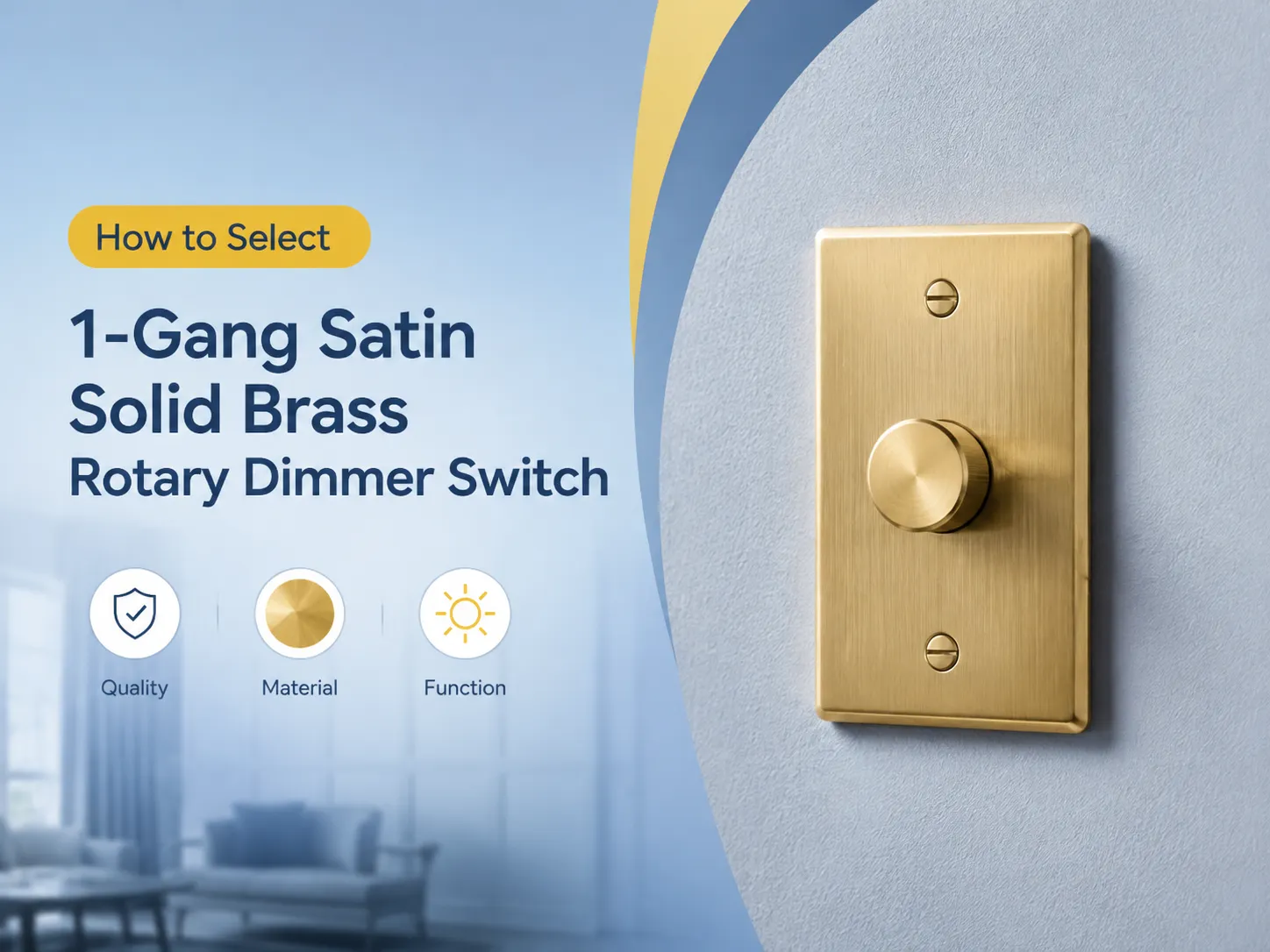
شكله: وجه نمط ديكورا
تظهر مفاتيح البادل الشائعة بالشكل التالي:
- البادلة نفسها واسعة ومستطيلة، بعرض حوالي 1-1/4 بوصة وارتفاع 3/4 بوصة لتشغل غالبية الفتحة في لوحة الحائط.
- تُعرف لوحة الحائط ذات الشكل المستطيل باسم “لوحة الديكور” لأنها تحتوي على بادلة مستطيلة كبيرة بدلاً من ذراع تبديل دائري.
- تعرض مفاتيح البادل رموزًا مثل “I” و“O”، أو أحيانًا تحتوي على ضوء مؤشر.
حجم اللوحة موحد بحيث تناسب أي إنتاج لمفتاح البادل من أي علامة تجارية لوحة الديكور. لذلك، فإنها ذات أهمية كبيرة للبناء الجديد لأنها تسمح بخلط مفاتيح مختلفة، ومخفتات، ومنافذ USB، وأجهزة ذكية على لوحة متطابقة.
كيف يعمل مفتاح البادل
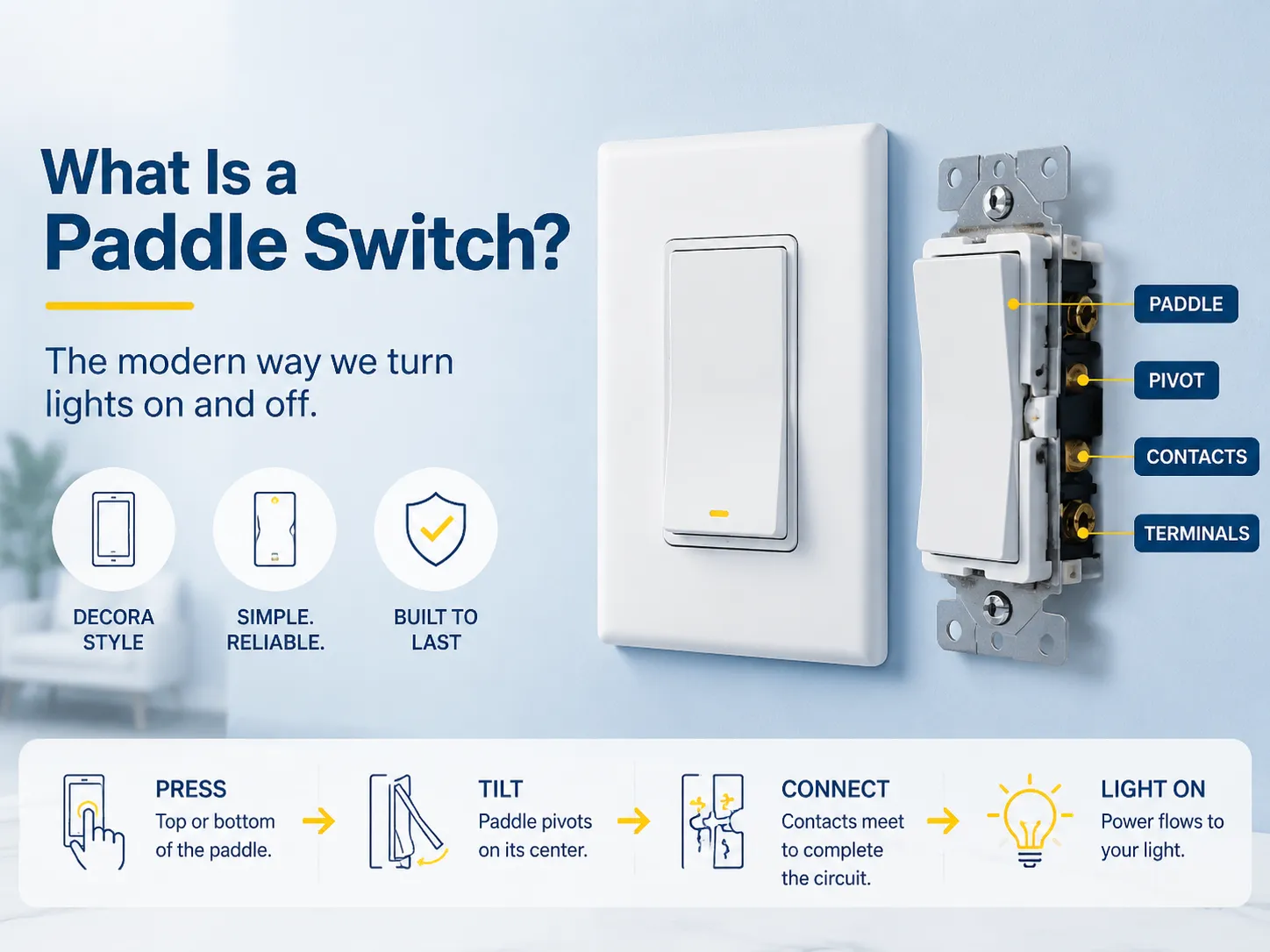
هناك آلية بسيطة جدًا مغلقة داخل الغلاف البلاستيكي — هي أساسًا أرجوحة تعمل كما يلي:
- كلما ضغطت على الحافة العلوية للبادلة، تدور حول نقطة الارتكاز في مركز الغلاف.
- يتسبب حركة المحور في دفع المشغل الداخلي، أو بدلاً من ذلك، تحريك ذراع التلامس المحمّل بالزنبرك مباشرة نحو الطرف الثابت.
- يمارس التلامس المتحرك (زر صغير من الفضة أو سبيكة فضية) ضغطًا ضد طرف التلامس الثابت.
- في هذه المرحلة، يُغلق الدائرة الكهربائية وتنتقل الكهرباء من طرف الإمداد إلى طرف الحمل مما يجعل الضوء يضيء.
- يمكن للوحة، بفضل زنبرك التثبيت، أن تحافظ على وضعها حتى يتم الضغط عليها مرة أخرى (وهذا ما يسمى بمفتاح تثبيت/مفتاح مستمر).
عندما يتم دفع الطرف الآخر للوحة، تعود العملية إلى الوراء وتُفتح الدائرة. الحقيقة الأهم حول هذه الآلية هي أنها تحتوي على نقرة — في اللحظة التي يفتح فيها التلامس الدائرة، لا يسمح بحدوث قوس كهربائي، لذا فإن مفاتيح اللوحة عالية الجودة تعمل بشكل حاد وتدوم لسنوات.
لوحة مقابل رافعة: الفروقات الرئيسية
| الميزة | لوحة (روكر) | رافعة (ذراع تقليدي) |
|---|---|---|
| سطح التشغيل | لوحة عريضة مسطحة | ذراع صغير بارز |
| الحركة | اضغط على أحد الطرفين؛ تتأرجح | اقلب لأعلى/لأسفل |
| سهولة الاستخدام | سهل — اضغط بكف اليد، الكوع، الركبة | يحتاج إلى دقة الأصابع |
| المظهر | حديث، متساوي السطح، خطوط نظيفة | تقليدي، بارز |
| نمط اللوحة | فتحة مستطيلة “ديكوراتية” | فتحة دائرية للرافعة |
| سهولة الوصول | أفضل لمن يعانون من محدودية في المهارة الحركية | أصعب في التشغيل بيد واحدة مع التهاب المفاصل |
| السعر النموذجي | $2-$8 الأساسي | $2-$6 الأساسي |
| التوفر | يهيمن على البناء الجديد | شائع في المنازل القديمة، يفضل البعض مظهره |
في النهاية، يعود الأمر إلى التفضيل وسهولة الاستخدام: اللوحات أسهل في الاستخدام وتبدو أكثر عصرية؛ الرافعات لها مظهر وإحساس تقليدي أكثر في التبديل وهو ما يفضله الكثيرون. من حيث طريقة عملها، كلاهما متشابهان أساسًا في الدائرة الكهربائية الداخلية — الفرق في كيفية استخدامها وشكلها.
أنواع مفاتيح اللوحة
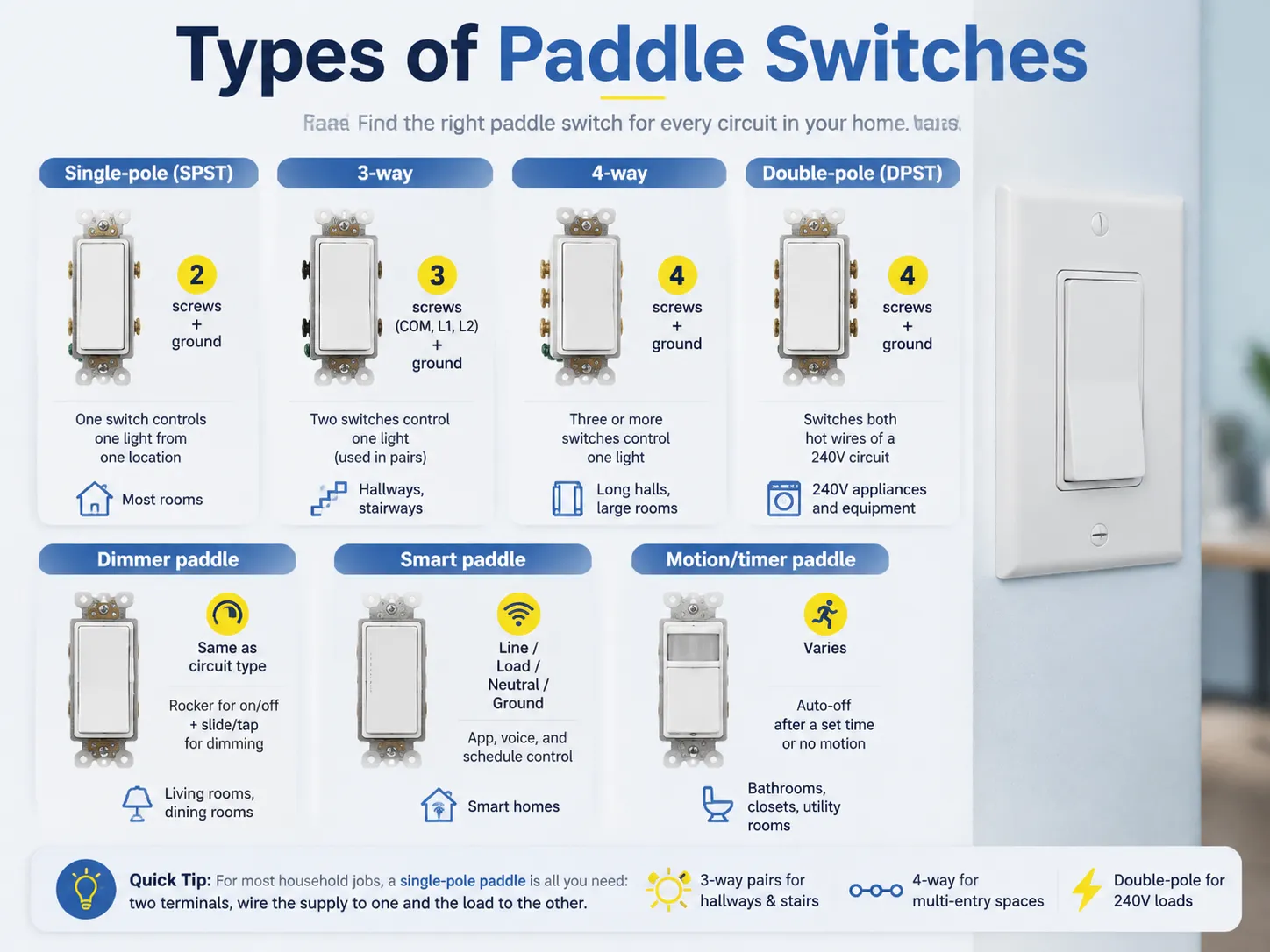
تغطي مفاتيح اللوحة كل نوع من الدوائر التي قد تجدها في المنزل. تخبرك الأطراف أي نوع لديك:
| النوع | الأطراف | ما يفعله | الاستخدام النموذجي |
|---|---|---|---|
| قطب واحد (SPST) | ٢ براغي + الأرضي | مفتاح واحد يتحكم في ضوء واحد من موقع واحد | معظم الغرف |
| ٣ اتجاهات | ٣ براغي (COM, L1, L2) + الأرضي | مفتاحان يتحكمان في ضوء واحد (يستخدمان في أزواج) | الممرات، السلالم، الغرف ذات المدخلين |
| ٤ اتجاهات | ٤ براغي + الأرضي | ثلاثة مفاتيح أو أكثر تتحكم في ضوء واحد | الممرات الطويلة، الغرف الكبيرة |
| مزدوج القطب (DPST) | ٤ براغي + الأرضي | يقطع المفتاح كلا السلكين الحارين في دائرة ٢٤٠ فولت | الأجهزة والمعدات ٢٤٠ فولت |
| مفتاح تعتيم بمجداف | نفس نوع الدائرة | مفتاح روكر للتشغيل/الإيقاف + منزلق/نقرة للتعتيم | غرف المعيشة، غرف الطعام |
| مفتاح ذكي بمجداف | الخط/الحمل/الحيادي/الأرضي | التحكم عبر التطبيق، الصوت، والجدولة | المنازل الذكية |
| مفتاح حركة/مؤقت بمجداف | يختلف | إيقاف تلقائي بعد وقت محدد أو عدم وجود حركة | الحمامات، الخزائن، غرف الخدمات |
معظم مهام المنزل تتطلب مفتاح قطب واحد فقط: قم بتوصيل الكهرباء إلى أحد الطرفين والجهاز إلى الطرف الآخر. للممرات والسلالم، يُنصح باستخدام مفاتيح ٣ اتجاهات، بينما المناطق ذات المداخل المتعددة تحتاج إلى آليات ٤ اتجاهات، والأجهزة ٢٤٠ فولت تحتاج إلى مفاتيح مزدوجة القطب.
أي اتجاه هو التشغيل والإيقاف؟
في مفتاح المجداف، هناك معيار مكتوب على المجداف: ‘I’ تعني تشغيل و ‘O’ تعني إيقاف (رموز الطاقة IEC 60417). إذا ضغطت على جانب “I” من المفتاح للأسفل، فسوف يعمل؛ وإذا ضغطت على جانب “O” للأسفل فسوف يتوقف.
- عند تفسير المجاديف بدون أي علامات، الجانب المضغوط للأسفل يشير إلى وضع التشغيل: إذا كان أسفل المجداف مضغوطًا للأسفل، فالمفتاح في وضع التشغيل.
- بالإضافة إلى المجاديف ذات العلامات المطبوعة، يمكن أن تكون هناك مجاديف مضيئة بضوء أبيض يشير إلى حالة التشغيل والإيقاف للمجداف. في هذه الحالة، قد تكون هناك أضواء نيون تضيء عندما يكون المجداف في وضع الإيقاف، لذا من المهم جدًا التحقق من الملصق.
- من المهم ملاحظة أنه يجب ألا تعتمد أبدًا على الافتراضات عند التعامل مع مفتاح بدون أي علامة. من المستحسن التحقق من حالة المصباح أو العداد وفصل التيار الكهربائي قبل العمل على المجداف.
خدعة بسيطة للتذكر: بفضل شكل الحروف، ستتمكن بسرعة من تذكر أن ‘I’ تشير إلى دائرة كهربائية مغلقة، بينما ‘O’ تعني دائرة مفتوحة.
كيفية توصيل مفتاح مجداف
توصيل مفتاح مجداف قطب واحد عادي إجراء بسيط ولكن تأكد من اتخاذ تدابير السلامة:
- أولاً، افصل التيار عند القاطع وتأكد من إيقاف تشغيله باستخدام جهاز اختبار الجهد قبل القيام بأي شيء.
- حدد خط التيار القادم من مصدر الطاقة وخط الحمل المتجه إلى الضوء.
- قم بتوصيل سلك الخط إلى أحد الأطراف النحاسية وسلك الحمل إلى الطرف الآخر على التوالي. لا يهم ترتيب التوصيل في حالة مفتاح SPST لأن التوصيل متماثل.
- قم بتوصيل سلك الأرضي بالبرغي الأخضر.
- شد البراغي، ضع الأسلاك في الصندوق، وقم بتركيب المفتاح على اللوحة.
- في حالة وجود مفتاح مجداف ثلاثي الاتجاهات، يجب توصيل السلك المشترك إلى طرف COM والسلكان الآخران إلى L1 و L2 على التوالي. تأكد من توصيل الأسلاك بنفس الطريقة تمامًا كما في المفتاح القديم قبل تغييره. (من المستحسن التقاط صورة للأسلاك السابقة كمرجع.) في حالة وجود مفتاح مجداف ذكي، ستحتاج إلى سلك محايد متصل بصندوق المفتاح، وصندوق خلفي أعمق، وتطبيق مفتاح مجداف ذكي للتركيب.
للقراء من المملكة المتحدة/الاتحاد الأوروبي: المنطق هو نفسه ولكن الألوان مختلفة حيث البني هو الحي، الأزرق هو المحايد (عند التبديل الحي)، والأصفر-الأخضر هو الأرضي (COM=L1=L2).
هل مفتاح المجداف هو مفتاح الرجل الميت؟
لا، مفتاح المجداف ليس هو نفسه مفتاح الرجل الميت. كلا المفتاحين يحتويان على كلمة “مفتاح” في أسمائهما، وهو ما يسبب ارتباكًا للكثير من الناس. ومع ذلك، هما مختلفان جوهريًا.
| الميزة | مفتاح المجداف | مفتاح الرجل الميت |
|---|---|---|
| النوع | مثبت (مستمر) | لحظي (عودة نابض) |
| الحالة | يبقى في وضع التشغيل/الإيقاف حتى يتم الضغط عليه مرة أخرى | نشط فقط أثناء الضغط/الإمساك |
| الاستخدام النموذجي | الأضواء، الأجهزة، التحكم الجداري | أقفال الأمان، الآلات (مقبض جزازة العشب، المناشير)، أدوات التحكم في الونش |
| وظيفة الأمان | لا يوجد شيء جوهري | يوقف الآلة عندما يتركها المشغل |
يعمل مفتاح الرجل الميت كجهاز أمان مصمم للفشل بطريقة آمنة: عندما يتوقف المشغل عن القيام بما كان يفعله، يتوقف الجهاز أيضًا. في هذه الأثناء، مفاتيح المجداف الجداري هي أنواع من الأجهزة المصممة للراحة — لمسه مرة واحدة ويظل مضغوطًا.
التطبيقات الشائعة وأماكن استخدامها
اختار المحترفون المشاركون في البناء والتجديد مفاتيح المجداف كخيارهم الأول لكفاءتها ومظهرها الأنيق:
- مفاتيح الحائط السكنية – هي القاعدة في معظم المنازل الحديثة في أمريكا الشمالية، لكنها أصبحت خيارًا متكررًا في أجزاء أخرى من العالم.
- المساحات التجارية والمكتبية – مجاديف بأسلوب مصمم مع حساسات ومؤقتات في الحمامات وغرف المؤتمرات.
- التصميم المتاح – شفرات كبيرة تسمح بتشغيل أسهل بيد واحدة.
- الفنادق والضيافة – أطباق مجداف أنيقة، متوفرة مع شواحن USB ومخفتات.
- المنازل الذكية — مفاتيح المجداف الذكية (Wi-Fi، Zigbee، Z-Wave) توفر التحكم عبر التطبيقات والصوت مع الحفاظ على المجداف الفيزيائي المألوف — مثل مفتاح إضاءة ذكي Tuya/Zigbee ثنائي القناة, ، الذي يوضح كيف يحمل واجهة الروكر الكلاسيكية إلى الأجهزة المتصلة.
العلامات التجارية، الأسعار والمواصفات
مفاتيح المجداف هي أجهزة غير مكلفة ومتوفرة عالميًا:
| النوع | السعر النموذجي |
|---|---|
| مجداف أحادي القطب أساسي | $2-$8 |
| مجداف 3-طرق / 4-طرق | $3-$10 |
| مجداف مضيء | $5-$12 |
| مخفت مجداف | $15-$40 |
| مجداف حساس للحركة | $15-$35 |
| مجداف ذكي (Wi-Fi/Zigbee) | $15-$50 |
الميزات التي تميز المجداف الجيد عن الرخيص:
- علامات الاعتماد — مثل UL/ETL (للولايات المتحدة)، ENEC/CE (للأتحاد الأوروبي)، أو ما يعادلها في السوق المحلي لديك.
- جهات اتصال مصنوعة من سبيكة الفضة — لا نحاس عاري أو فولاذ قد يسبب تكون قوس كهربائي أو حفر.
- تثبيت قوي — يجب أن يصدر صوتًا واضحًا عند انتقال المجداف إلى حالة مختلفة.
- يجب أن يكون مصنفًا لأقصى حمل — على سبيل المثال، 15A/120V أو 10A/250V.
- أطراف موثوقة — إما من نوع البرغي أو نوع التوصيل السريع الذي يمكنه الإمساك بالسلك بإحكام.
من بين العلامات التجارية الكبرى شركات مثل Leviton (التي روجت لـ Decora)، Lutron (المتخصصة في مفاتيح المخفت والمجاديف الذكية)، Eaton، Pass & Seymour (Legrand)، Hubbell، بالإضافة إلى علامات تجارية مخفضة مثل BG، GE، TopGreener، ENERLITES، وكذلك علامات التكنولوجيا الذكية مثل TP-Link Kasa وLutron Caseta. لبرامج OEM والجملة، المصنعون المعتمدون مثل كبار المصنعين في سوق أجهزة الأسلاك العالمية يزودون مجاديف بأسلوب الديكور عبر الأسواق.
الأسئلة المتكررة
ماذا تفعل مفاتيح المجداف؟
مفتاح المجداف هو نوع من المفاتيح يعمل باستخدام مجداف. اضغط المجداف في اتجاه واحد لتشغيل الضوء وفي الاتجاه المعاكس لإيقافه. يحتوي مفتاح المجداف على آلية قفل تبقيه في وضعه حتى يتم الضغط عليه مرة أخرى. يمكن تحويل مفاتيح المجداف إلى مؤقتات، مخفتات، كاشفات حركة، وأنواع أخرى من المفاتيح الذكية.
ما الفرق بين مفتاح التبديل ومفتاح المجداف؟
التمييز الأساسي هو الواجهة: المفتاح ذو الرافعة يحتوي على مقبض صغير يمكن تحريكه عموديًا، بينما المفتاح ذو اللوح يحتوي على سطح أفقي واسع يتأرجح ذهابًا وإيابًا. قابلية تشغيل المفاتيح ذات اللوح أعلى بكثير من تلك ذات الرافعة لأن اللوح يمكن تشغيله بالكف أو المرفق أو الركبة؛ كما أن له مظهرًا أكثر حداثة ويتوافق مع لوحات المفاتيح الزخرفية المستطيلة بينما تحتوي المفاتيح ذات الرافعة على آلية معروفة وحركة رافعة مادية. الآلية الداخلية لكلا النوعين من المفاتيح هي نفسها: نفس جهات الاتصال ونوع الدائرة. تُستخدم المفاتيح ذات اللوح على نطاق واسع في المنازل الجديدة؛ بينما لا تزال المفاتيح ذات الرافعة تُستخدم في التجديدات.
كيف يعمل مفتاح اللوح؟
يعمل مفتاح اللوح بنفس طريقة عمل الأرجوحة؛ حيث يؤدي تطبيق القوة على أحد الطرفين إلى تأرجح اللوح حول نقطة محوره المركزية، مما يجعل ذراع التلامس الذي يحتوي على نابض يضغط على طرف التلامس، وبالتالي يغلق الدائرة. عند دفع الجانب الآخر، يتحرك التلامس بعيدًا عن الطرف وتُفتح الدائرة. نابض التثبيت يثبت اللوح في مكانه.
هل مفتاح اللوح هو مفتاح الرجل الميت؟
مفتاح اللوح هو مفتاح يمكن تثبيته في وضع “تشغيل” أو “إيقاف” — سيظل هناك حتى يُضغط مرة أخرى. مفتاح الرجل الميت هو مفتاح لحظي مع آلية نابض، يكون في وضع “نشط” فقط عندما يضغطه المشغل — مما يوقف الجهاز فورًا عند تركه (على سبيل المثال، مشغل جزازة العشب أو الونش). على الرغم من أن وظيفة “المفتاح” هي نفسها في الحالتين، إلا أن تداعيات تطبيقهما مختلفة تمامًا.
المراجع
- NFPA 70 — الكود الكهربائي الوطني (NEC)، المادة 404 المفاتيح
- UL — UL 61058 مفاتيح للأجهزة / UL 20 مفاتيح للاستخدام العام
- IEC 60669 — مفاتيح للتركيبات الكهربائية المنزلية والمماثلة الثابتة
- Leviton — خط منتجات مفتاح اللوح Decora
- Lutron — منتجات مفتاح اللوح المخفت والمفتاح الذكي
- ADA — إرشادات التحكم القابل للتشغيل (إمكانية الوصول إلى المفتاح ذو الرافعة/اللوح)
الخاتمة
يعمل مفتاح اللوح كنسخة متقدمة من مفتاح الحائط: رافعة مستطيلة عريضة تدور إما لإيقاف أو إكمال الدائرة من خلال تلامس يعمل بنابض. بمجرد الضغط عليه، يتم تثبيته ويبقى في مكانه — ضغطة واحدة للتشغيل، وضغطة أخرى للإيقاف. إنه مريح جدًا مقارنة بالمفاتيح ذات الرافعة لأنه يبدو أنظف عند تركيبه على لوحات الحائط الزخرفية، والمفاتيح متوفرة بأنواع عديدة من الدوائر وتختلف عن المفاتيح التي تأتي فقط مع المخفتات، وأجهزة استشعار الحركة، والتصاميم الذكية. مفتاح اللوح يختلف تمامًا عن مفتاح الرجل الميت. يستغرق توصيل مفتاح اللوح أحادي القطب البسيط وقتًا قليلًا، ولكن عند شراء المفتاح، يجب الانتباه إلى شهادته، وجهات الاتصال الفضية، والتوقف الإيجابي. لعائلة المفاتيح الأوسع وأنطق التوصيل الخاصة بها، تغطي أدلتنا أربعة أنواع من مفاتيح الإضاءة, ودليل, ، و متطلبات توصيل المفتاح الذكي كل ما ستواجهه في صندوق الحائط.