Thailand attracts thousands of visitors for business and leisure every year, making it one of the most frequented places on Earth. However, the biggest issue for travelers and expatriates with regards to traveling to and living in Thailand is getting acquainted with the electrical outlets used in Thailand. Regardless of the reasons you are in Thailand (i.e., travel, relocating, business), knowing what electrical outlet types are available will help ensure your electronics work correctly and that you do not have any issues due to incorrect connections.
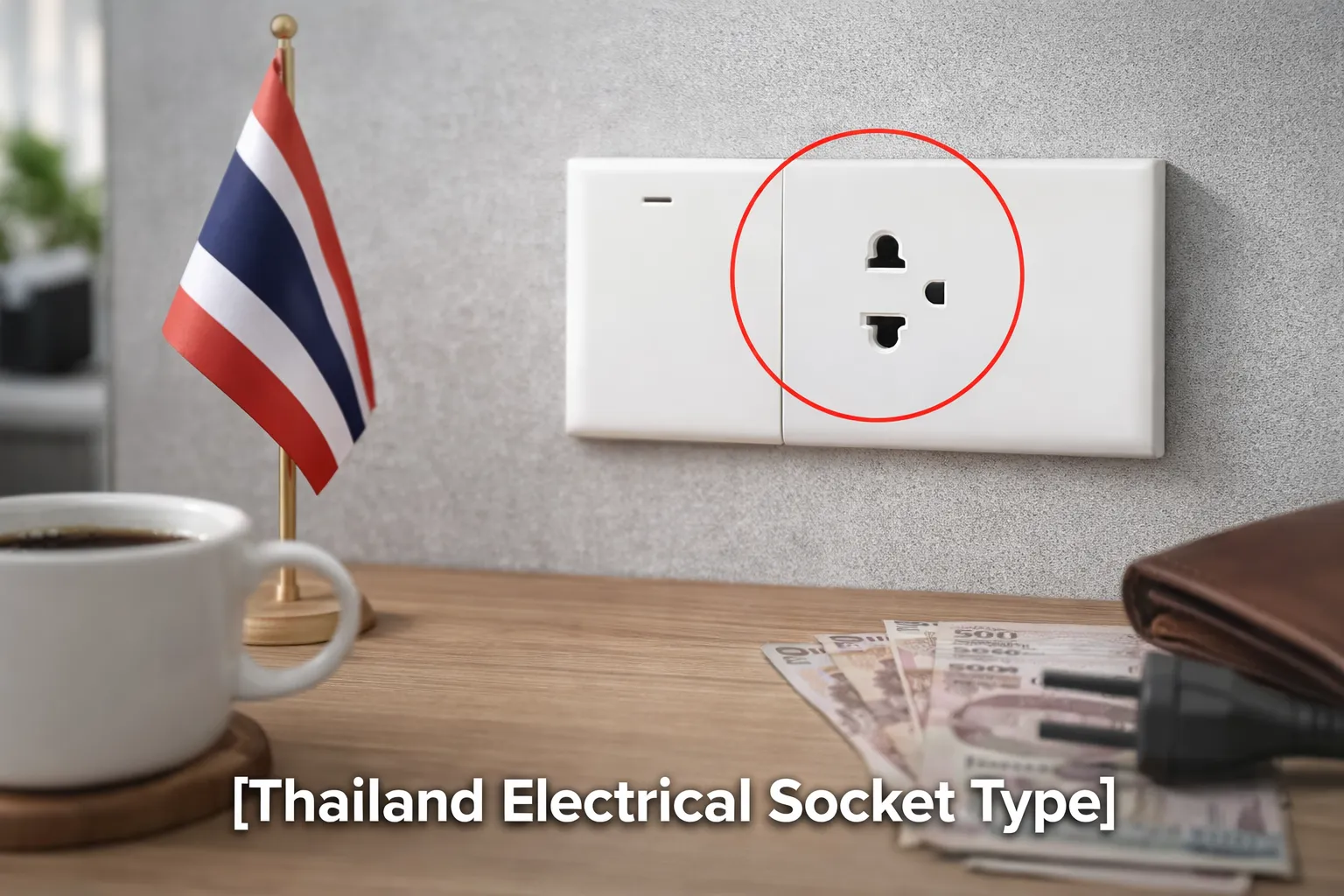
Which Types of Electrical Outlets Are in Thailand?
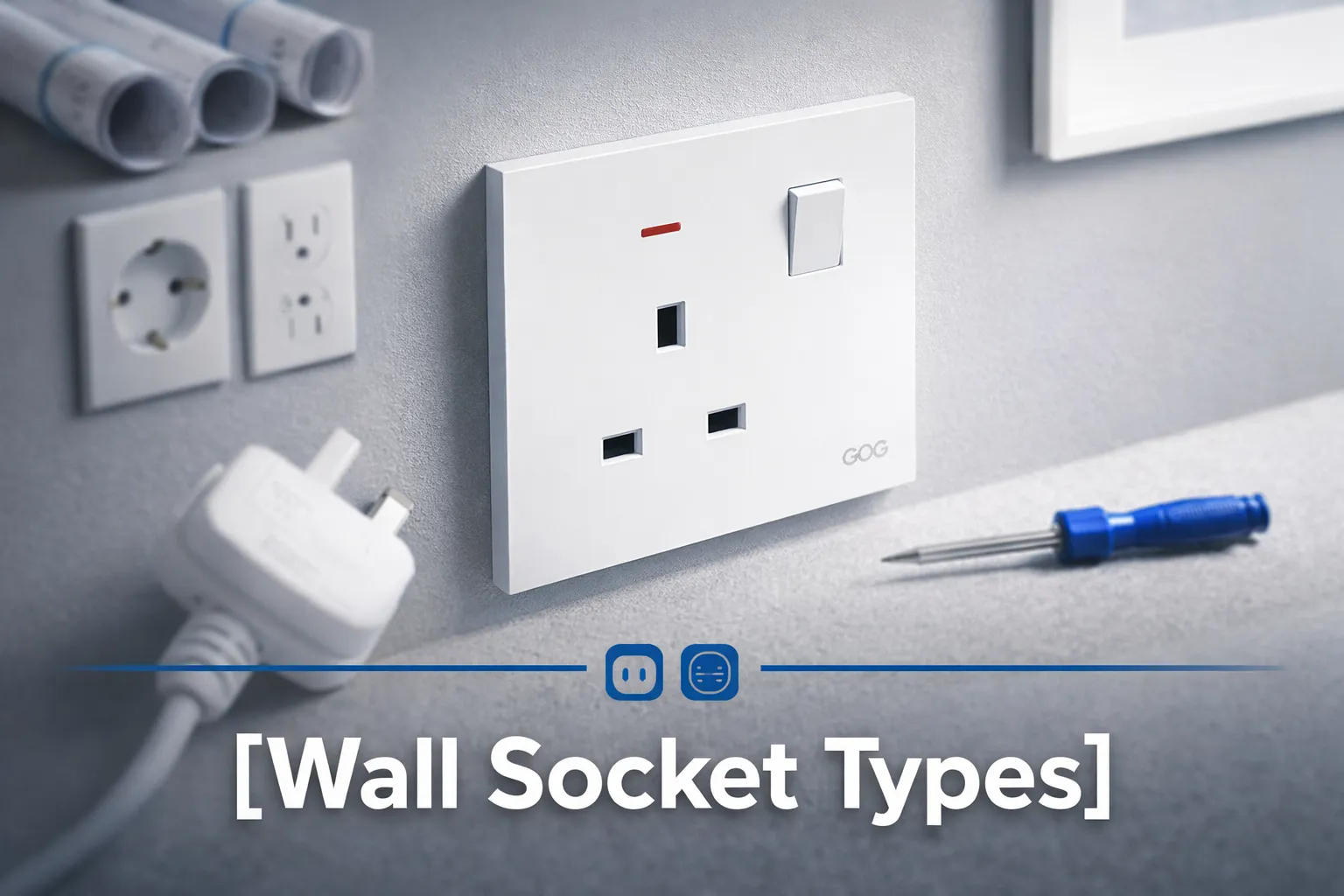
Thailand typically utilizes two types of electrical outlets: Type A and Type C. Both of these types are commonly found throughout Thailand in hotels, residences, businesses, and around the community. – Type A: The Type A electrical outlet is comprised of two flat, parallel pins that are used primarily in North America (USA and Canada) and parts of Asia. The voltage supplied for your use with this type of outlet is 220V; this is the standard voltage for power systems (including the electrical outlets) used in Thailand, while the US and Canadian voltage supply (outlets included) are rated at 110V respectively. Therefore, if you wish to power an appliance rated for 110V to use with an electrical socket in Thailand, you must use a voltage converter with an electrical plug adapter.
– Type C: The Type C electrical outlet, or “Europlug,” contains two round pins and is generally the most common type of outlet found in European countries. If your appliance or device can accept the Europlug’s electrical connector, you can use your electrical device in an electrical outlet in Thailand (if you are using a 220V power source). Many newer facilities and/or infrastructure in Thailand may contain , which allow for a variety of plug types to be connected to the outlet. These universal outlets allow for many plug types to be plugged into them including Types A, C, G, and more. However, because some facilities may not have universal electrical outlets, you should always verify the types of electrical outlets that are available for your use before you plug your devices into them.
What Is the Voltage and Frequency in Thailand?
In Thailand, the standard voltage is 220 volts and the frequency is 50 Hz. Therefore, if you live in a country that uses either a different voltage or frequency (e.g., 110 volts/60 Hz in the USA), then you may require a voltage converter along with a plug adapter. In particular, some travelers will have electronic devices (e.g., laptops or phones); therefore, it is advisable to look for the input voltage range on the devices’ charger. The majority of contemporary devices are dual voltage and therefore should work fine using the voltage range from the USA (i.e., 100–240V).
Do I Need to Take Power Adapters With Me to Thailand?
Yes, it is advisable to take a reputable set of power adapters with you. Although many hotels and Airbnbs in tourist areas will have available international sockets and/or adapters, it is always best practice to be prepared with power adapters so as not to be inconvenienced. Use a universal travel power adapter that will work with both Type A and Type C sockets. Also, where your device is not compatible with Thailand’s electric voltage/frequency, purchase a power converter. Additionally, for lengthy trips, you may want to look into purchasing power strips to use with surge protectors locally, many of which will be compatible with several different plug types.
Common Questions Around Electrical Sockets and Plugs in Thailand
Do I need a power adapter when traveling to Thailand?
If your device has a Type A or Type C plug, then you will need to bring along a power adapter. Investing in a universal travel adapter would make life easier for anyone who plans to visit Thailand.
Are my US appliances compatible with Thai plugs?
Most US appliances operate at 110 volts, while Thailand requires 220 volts. To have the possibility of using your appliance, be sure to check if you have dual voltage; if you do not, you will need both a power adapter and a voltage converter.
Are USB ports found throughout the country of Thailand?
USB ports are becoming increasingly popular in places like airports, coffee shops, and hotels throughout Thailand. You should carry your own adapter/charger for emergencies, as some establishments might run out of them.
Do power outages occur in Thailand?
There may be occasional power outages due to heavy rains in rural areas or older cities. If you are traveling in an area prone to rain, it is recommended to keep an extra power bank handy, along with surge protectors for any sensitive equipment.
Helpful Tips
1. Call Your Accommodation: Call your hotel before traveling to see what types of sockets they use and if they have adapter plugs available for use. 2. Carry Backup Chargers: Always bring at least one extra charger with you in case of an emergency, especially if you have more than one appliance to charge.
3. Purchase Surge Protectors: If you have sensitive devices like a laptop or camera, use surge protectors to prevent fluctuations in voltage that could damage your device.
4. Buy Local Adapters: If you forgot to pack an adapter, you can usually buy one at any travel store or marketplace in Thailand fairly cheap.
5. Seek Help: If you’re unsure whether or not your device will work, ask hotel staff or other professionals to verify its compatibility.
Knowing how to use the electrical sockets in Thailand will help you avoid headaches, whether you’re traveling or moving. Most of Thailand uses Type A or C sockets with a standard voltage of 220 volts and 50 Hz frequency. If you’re coming to Thailand from an area that requires different types of plugs or voltages, you should pack a universal travel adapter and a voltage converter (if needed). Preparing before your trip will help you enjoy your visit without worrying about keeping your devices charged and working properly.