O dimmer ideal para suas luzes LED nem sempre será a opção mais cara ou aquela compatível com sua placa de interruptor existente. Em vez disso, a solução de dimerização ideal é aquela que possui as especificações corretas em relação à carga mínima, compatibilidade com controle de fase e necessidades de neutro para a luz LED que está sendo dimerizada. Se você cometer algum erro em relação a esses três critérios, suas luzes piscarão independentemente do dimmer usado.
Assim, vamos examinar como escolher o dimmer certo do tipo correto com as especificações necessárias.
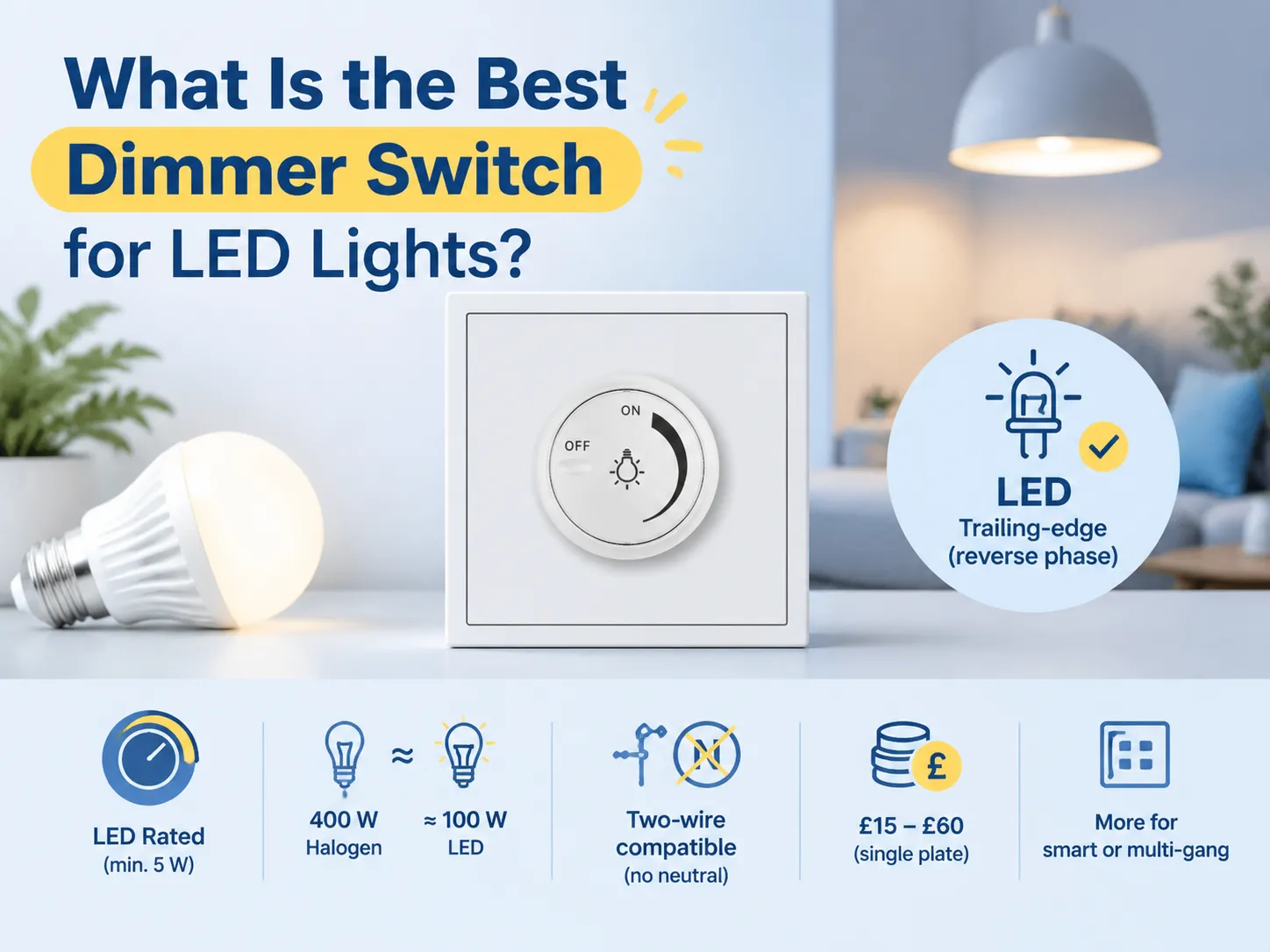
Resposta rápida: Lâmpadas LED dimmerizáveis, assim como drivers LED, necessitam de um dimmer trailing-edge capaz de controlar cargas LED conforme indicado, tendo uma carga mínima de 5 W ou menos, além de uma classificação LED feita para cargas LED especificadas em oposição às cargas halógenas. A classificação halógena de 400 W é, na realidade, cerca de 100 W de LED devido ao menor consumo de energia. Certifique-se de testar a compatibilidade do dimmer com circuitos de dois fios se o circuito puder não ter fio neutro. O preço de um dimmer de placa única deve variar entre £15 e £60, enquanto o preço de dimmers inteligentes multi-gang será consideravelmente maior.
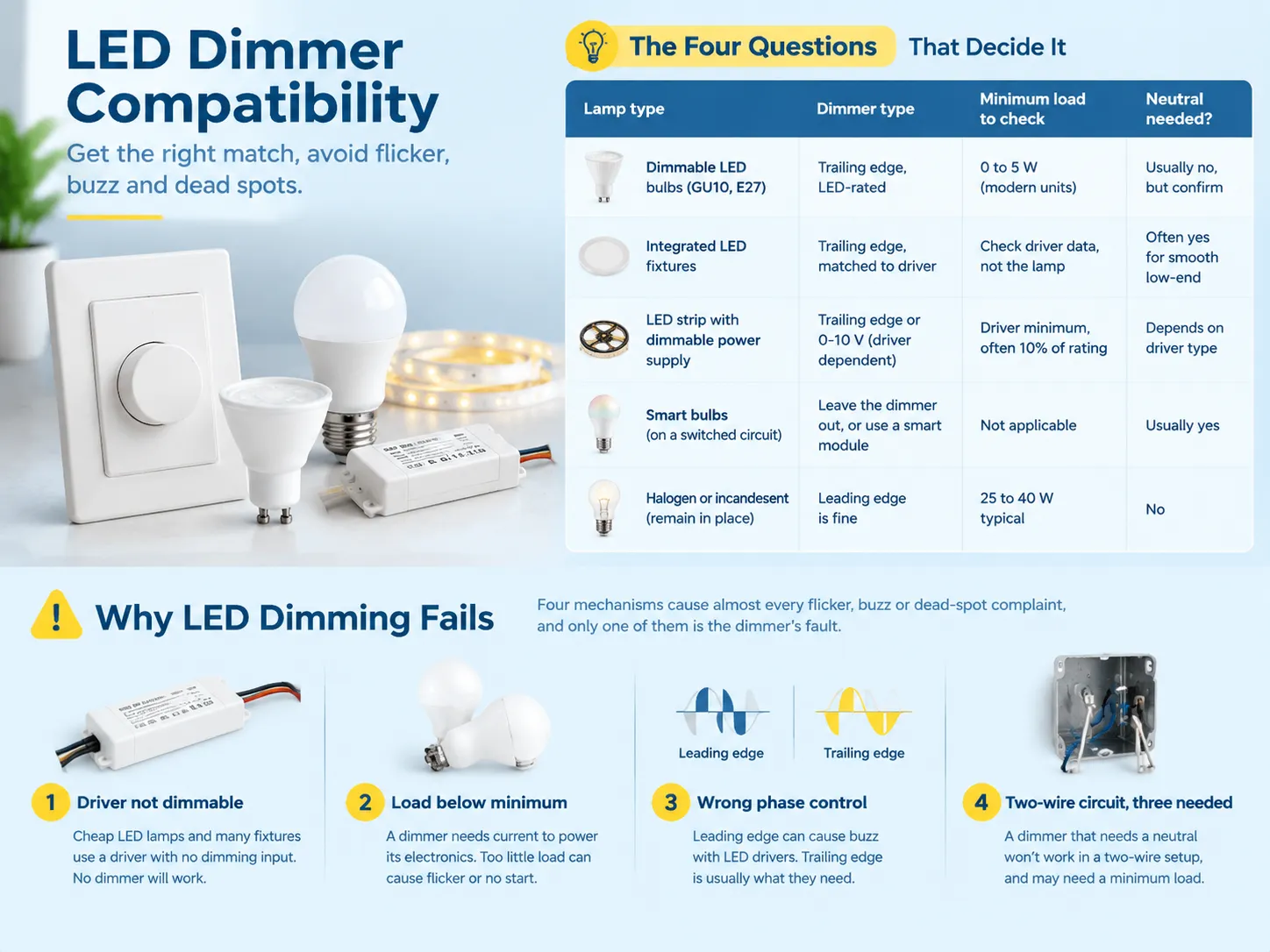
As Quatro Perguntas Que Decidem
| Tipo de lâmpada | Tipo de dimmer | Carga mínima para verificar | Neutro necessário? |
|---|---|---|---|
| Lâmpadas LED dimmerizáveis (retrofit GU10, E27) | Trailing edge, classificado para LED | 0 a 5 W em unidades modernas | Geralmente não, mas confirme |
| Luminárias LED integradas com driver dimmerizável | Trailing edge, compatível com o driver | Verifique os dados do driver, não da lâmpada | Frequentemente sim para suavidade na faixa baixa |
| Fita LED com fonte de alimentação dimmerizável | Trailing edge ou 0-10 V, dependendo do driver | Mínimo do driver, frequentemente 10% de classificação | Depende do tipo de driver |
| Lâmpadas inteligentes em circuito com interruptor | Deixe o dimmer de fora ou use um módulo dimmer inteligente | Não aplicável | Geralmente sim |
| Halógeno ou incandescente permanecendo no local | Leading edge é adequado | 25 a 40 W típico | Não |
As informações na tabela referem-se à lâmpada que você está instalando agora e não à lâmpada usada na sala em 2005. A causa da confusão é o uso de detalhes confusos de duas situações diferentes: dimmers trailing-edge usados com carga halógena podem agir de forma inadequada quando seu alcance está no extremo superior, enquanto dimmers leading-edge usados com LEDs causam problemas de zumbido.
Por Que a Dimerização de LED Falha
Existem quatro razões que explicam todos os problemas de piscar, zumbido ou pontos mortos, apenas uma das quais é atribuível especificamente ao dimmer.
- Driver inadequado. O driver em questão não é dimmerizável. Existem muitas lâmpadas e luminárias LED baratas que dependem de drivers que operam sem funções de dimerização. Portanto, a dimerização é impossível e o piscar, pontos mortos e faíscas brilhantes podem se tornar características principais das lâmpadas.
- Carga inadequada. A carga conectada ao dimmer deve corresponder aos padrões do dimmer. Por exemplo, um determinado módulo de dimerização é classificado para 400 W de saída, mas tem uma carga mínima aceitável de 40 W. Portanto, usar apenas duas lâmpadas incandescentes de 5 W cria problemas, pois o dimmer não será capaz de ligá-las ou elas não acenderão.
- Controle de fase inadequado. O ruído produzido ao escurecer o driver deve-se ao fato de que alguns dimmers utilizam controle de fase para os processos. Tecnologias de borda de ataque cortam as ondas frontais, enquanto as de borda de fuga cortam as ondas finais. Uma configuração incorreta do driver resultará em zumbido e uma faixa limitada de níveis disponíveis para escurecimento.
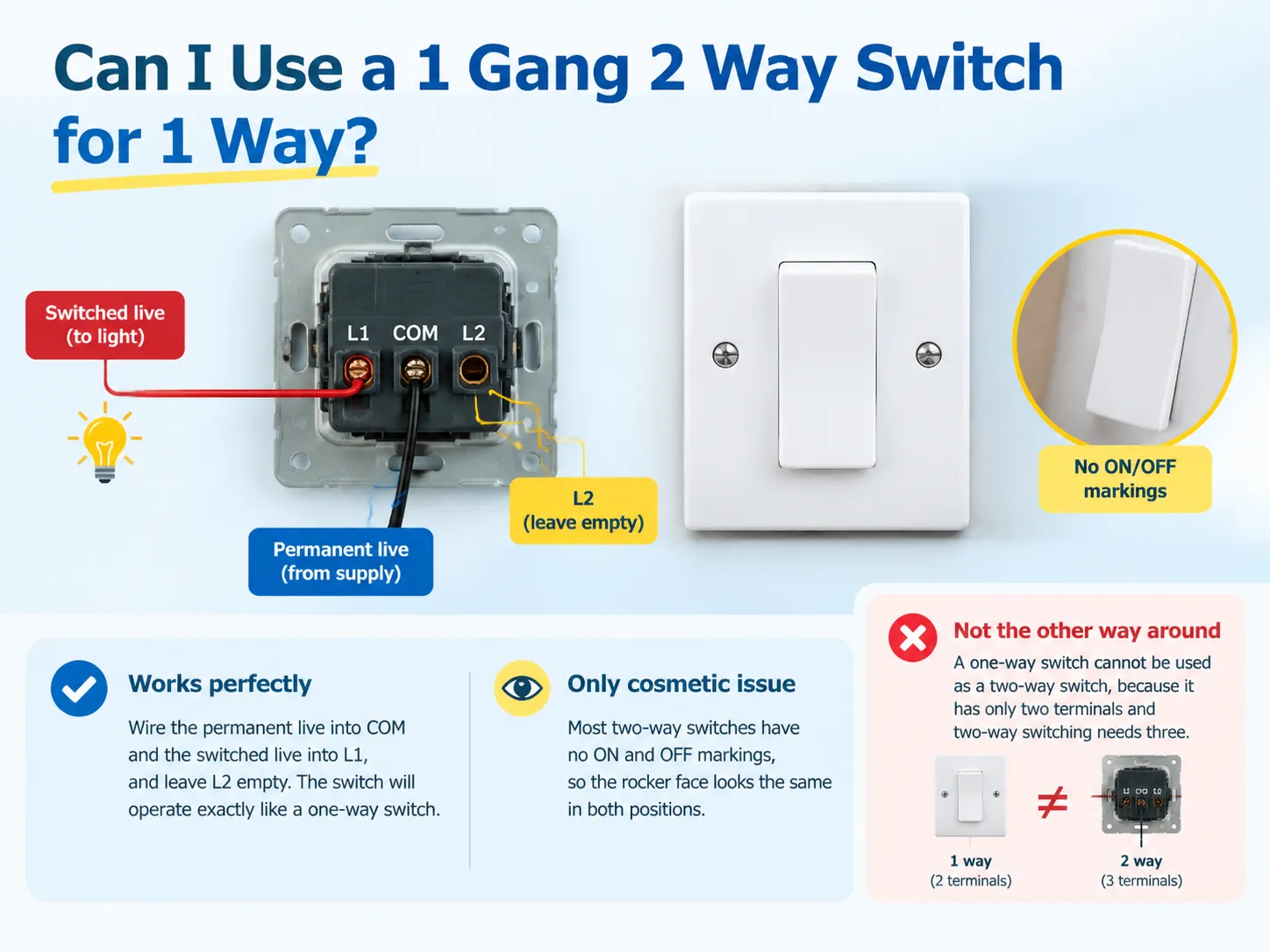
- Fiação incorreta. Em algumas situações, as funções não funcionarão simplesmente pelo fato de um dimmer ser projetado como um dispositivo de três fios, enquanto um circuito de fiação específico é de dois fios.
A questão da compatibilidade é mais profunda do que uma soma de potência, e a interação entre o design do driver e o tipo de dimmer está descrita neste guia para Restaure a energia, teste e ajuste o brilho mínimo.
Borda de Ataque e Borda de Fuga, Explicado Simplesmente
A tecnologia de borda de ataque (fase direta ou TRIAC) é um método de escurecimento acessível, robusto e compatível com lâmpadas incandescentes e halógenas de tensão de linha. Em sistemas de borda de ataque, a corrente é ligada na metade do ciclo, o que causa um aumento súbito na tensão. Esta é uma tecnologia que produz sons típicos de zumbido.
A tecnologia de borda de fuga é um sistema avançado que funciona com o princípio de fase reversa usando MOSFET. É mais cara que a borda de ataque e funciona silenciosa e eficientemente com sistemas LED e transformadores eletrônicos. A corrente é desligada na metade do ciclo, o que não é tão prejudicial para os circuitos do driver e proporciona melhor qualidade sonora.
Existe um método adicional que não pode ser chamado de dimmer: controle 0-10 V ou DALI. Neste caso, o dimmer comunica o nível necessário de luz ao driver que executa as tarefas. Esta é uma tecnologia comumente usada em instalações comerciais, pois pode ser implementada usando centenas de luminárias e integrada aos sistemas de controle de iluminação. Em uma residência, pode funcionar apenas se a instalação possuir luminárias com driver dimmable com entrada de controle.
O que Procurar na Embalagem
- A classificação para LED está claramente listada. Um exemplo disso é uma embalagem com “400 W” escrito, pois este é simplesmente um dimmer para halógenas com um novo nome.
- Carga mínima: para unidades recentes classificadas para LED, varia de 0 a 5 W; unidades mais antigas exigirão uma carga mínima de 20 W ou mais.
- Redução de carga para interruptores múltiplos: interruptores de dois, três ou quatro módulos normalmente passam por uma redução de carga de 10 a 20%.
- Requisito de neutro, claramente indicado: precisa ser avaliado, e o fio deve ser verificado caso não esteja especificado.
- Brilho mínimo ajustável: este recurso realmente vale o investimento, pois resolve o problema de cintilação em baixos níveis de brilho.
- Norma e marcação: BS EN 60669-2-1 deve ser especialmente marcada conforme os requisitos do selo UKCA ou CE e tomadas feitas para condutores com seção de 1,5 mm².
The declared ratings, derating tables and terminal capacities are the part of the specification that settles arguments on site, and our centro de downloads holds the datasheets for the ranges we build.
Brands and Price Bands
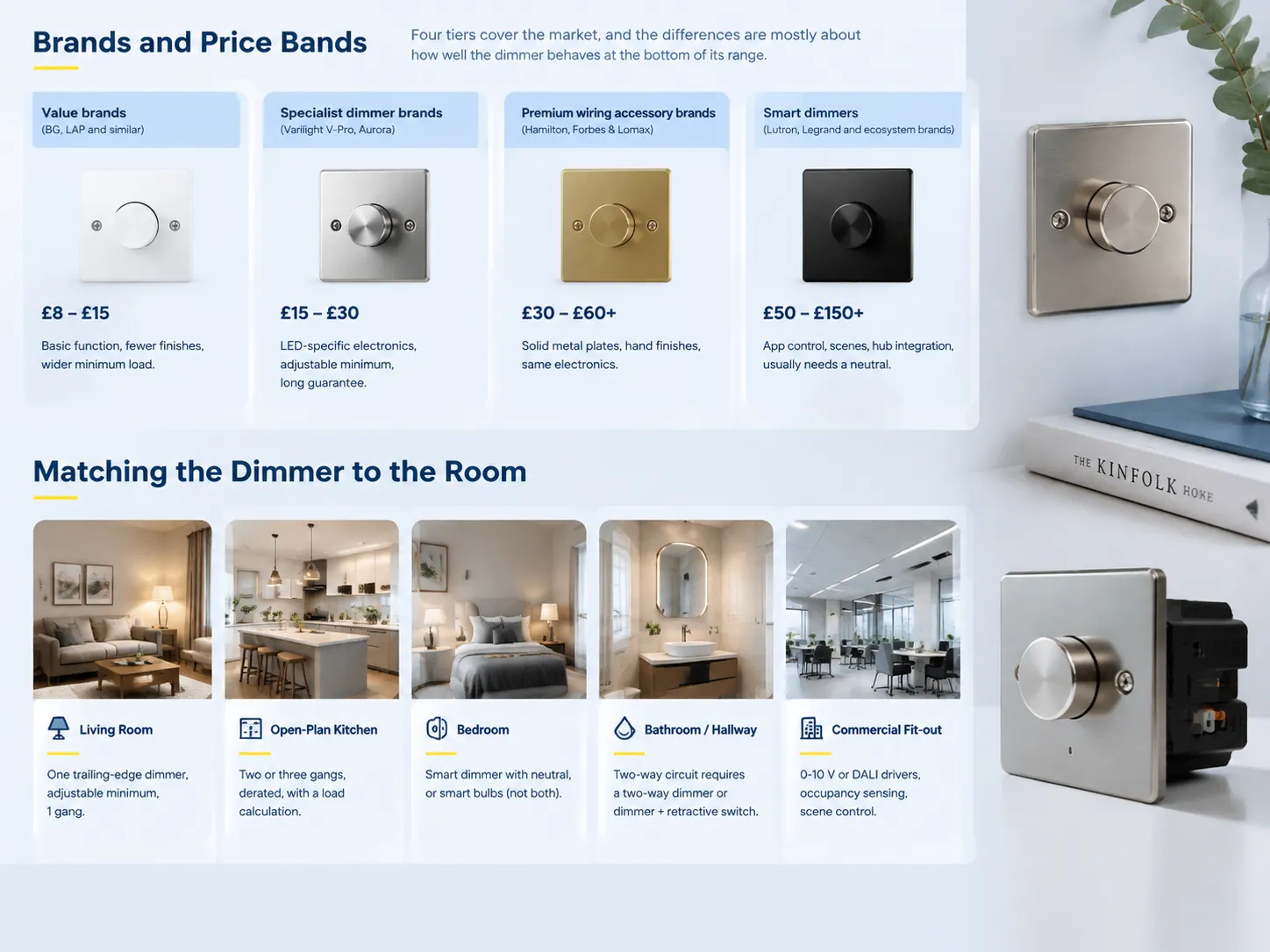
Four tiers cover the market, and the differences are mostly about how well the dimmer behaves at the bottom of its range.
| Nível | Typical price, 1 gang | What you get |
|---|---|---|
| Value brands (BG, LAP and similar) | £8 to £15 | Basic function, fewer finishes, wider minimum load |
| Specialist dimmer brands (Varilight V-Pro, Aurora) | £15 to £30 | LED-specific electronics, adjustable minimum, long guarantee |
| Premium wiring accessory brands (Hamilton, Forbes & Lomax) | £30 to £60+ | Solid metal plates, hand finishes, same electronics |
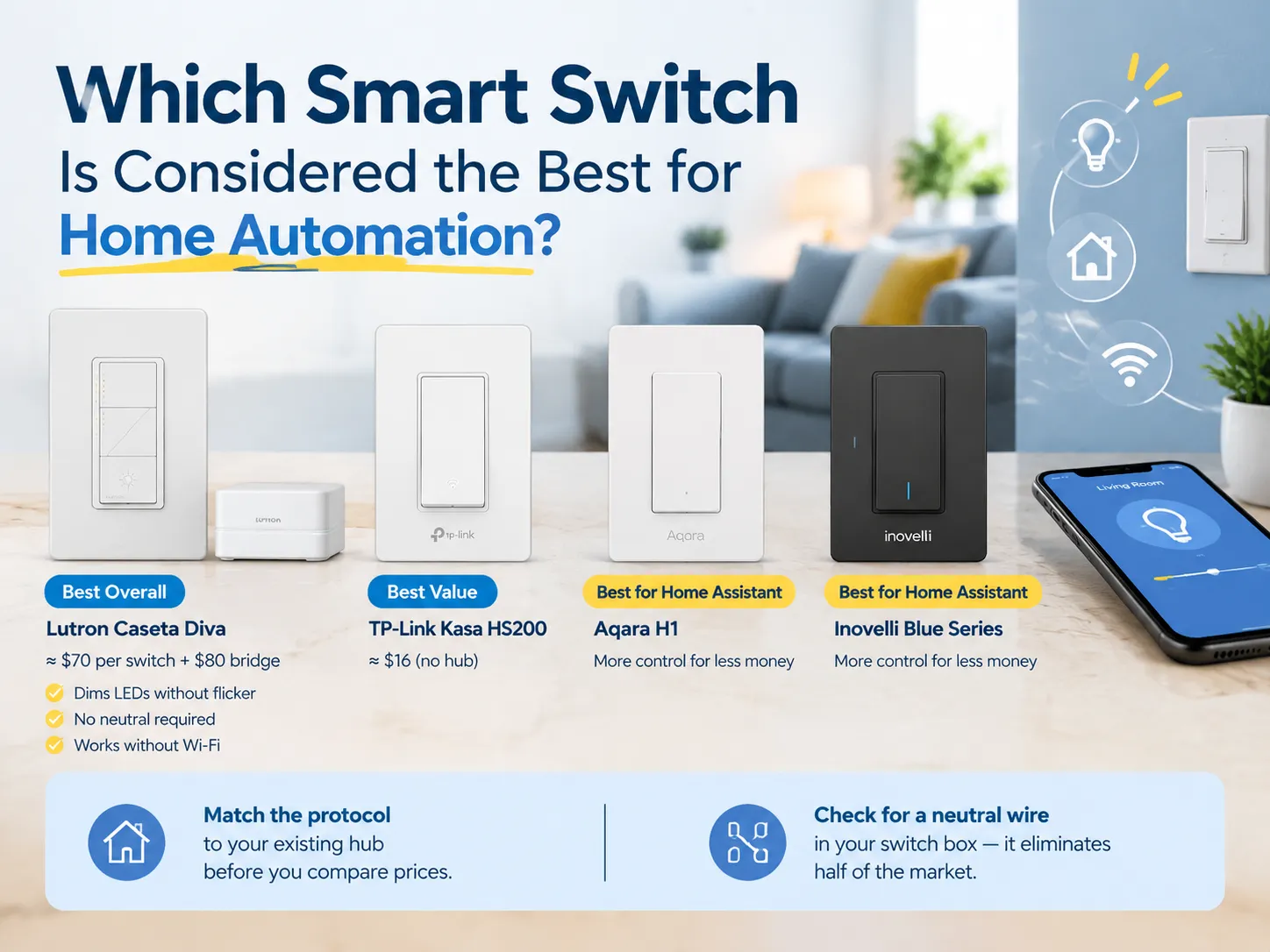
| Smart dimmers (Lutron, Legrand and ecosystem brands) | £50 to £150+ | App control, scenes, hub integration, usually needs a neutral |
One remark from this table. The electronic circuitry responsible for the smooth dimming operation of LEDs has hardly changed in the second and third tiers of the market and therefore an £18 dedicated dimmer often performs better than a £50 plate with standard internals. The cheapest tier is not dangerous, but rather less forgiving, meaning that the minimum load should be greater and the working range – narrower.
The manufacturing side of the same question is what our wall switch factory is built around, because a dimmer module and a switch plate have to be designed together if the plate is not going to buzz.
Matching the Dimmer to the Room
As soon as the technological match is perfect, the decision is about application.
- For the sitting area with few dimmable lamps. Only 1 trailing edge dimmer, which is adjustable for minimum setting and has only one gang. Here, the wattage shouldn’t be overrated and the smaller module should be bought, because the application of 400 W device for the load of 20 W is the case of wrong application.
- How about an open-plan kitchen with more than six fixtures? There must be either two or three gangs, with de-rating and load calculation beforehand, as in this case, the single dimmer rated by the whole load doesn’t work, since in case of three gangs the current reaches less than connected load.
- Bedroom with a smart speaker. It can be either a smart dimmer that has neutral or a traditional dimmer with bulbs that are always turned on. The mix causes the usual problem when the wall switch and the application work against each other.
- Bathroom or corridor. The two-way circuit exists if two switches are installed, which means that either the two-way dimmer or the dimmer and the retractive switch should be used. The wiring differs in this case and should be calculated before plastering.
- Business installation. Not a wall dimmer, rather it is a lighting control system with 0–10V or DALI drivers, occupancy detecting and scene control. Thus, the plates act as control panels, rather than energy sources.
Instalação e Comissionamento
Turning a dimmer into a quality device requires three checks.
- First, set the minimum. Most LED-friendly dimming solutions come with a small adjuster at the back of the cover plate. The key is to set it to just above the point where the flickering stops; it is worthwhile to check again after dark, as the flicker is much more noticeable after dusk.
- Test from maximum to minimum both ways. Turn the dimmer slowly from maximum to minimum and back again while listening. If there is a buzz at high level only it indicates a leading edge dimmer with LED; if there is a buzz at low level, the driver is the culprit.
- Lastly, check the earthing and the torque. The metal cover plate has to be earthed, and loose terminals create a lot of heat that can shorten the life of the dimmer. The wiring sequence and terminal details are in this guide to instalação de um interruptor dimmer.
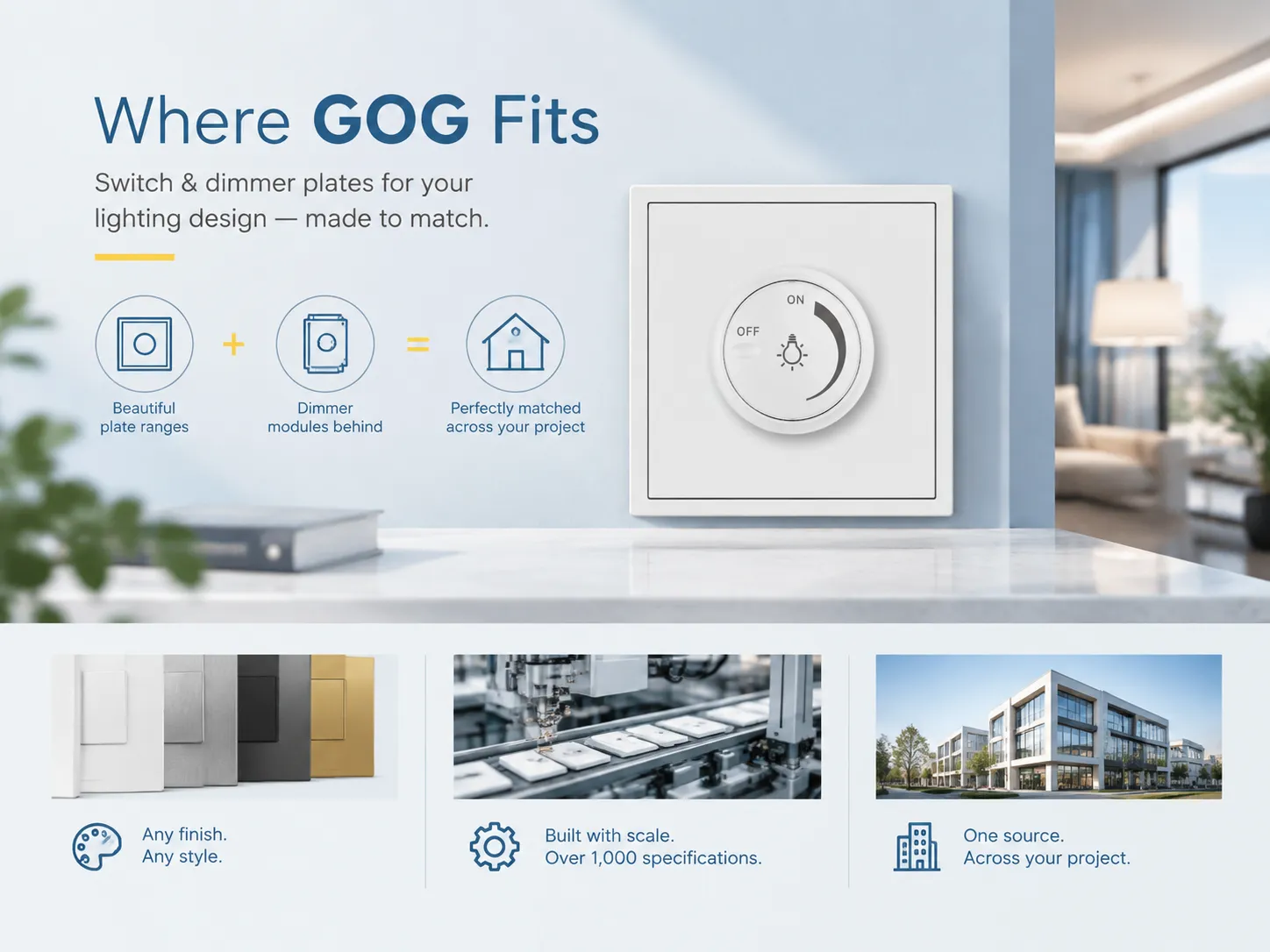
Where GOG Fits
We focus on the production of switch and dimmer plates, rather than dimmer electronics for the general populace, and that is why our true meaning about our status is as follows: If the need is for a comprehensive lighting system, buy it from one of the companies mentioned above. If the requirement is a plate system with a dimmer module behind it, created especially for an entire building and available in the required finishes specified by the designer, that is what we do.
There are more than fifty types of products and more than one thousand types of specifications that are under production in three automation shops, which is the reason behind a project being able to take one dimension of a plate, one size of a screw and one color standard from one supplier rather than three.The engineering side of that is described on our fabricação de interruptores de iluminação página.
Perguntas Frequentes
Do LED lights need a special dimmer?
Yes. In order to use LEDs, it is necessary to have a dimmer that has been specifically made for LED load. This means that it must be a trailing edge dimmer and one that has a minimum low load. A regular dimmer for halogen may work, but it is not the best choice.
Why does my LED dimmer flicker?
Usually non-dimmable driver, load less than dimmer minimum, or incorrect phase control. Verify whether the lamp is dimmable first, then confirm the load is more than minimum, and lastly ensure the correct dimmer type.
Can I use a normal dimmer with LED bulbs?
You can try it, and it might work if you’re using dimmable bulbs and the wattage of the load is adequate. However, results vary from lamp brand to lamp brand; this is part of the reasoning behind the existence of dimmers designed for use with LED bulbs that include adjustable minimum brightness settings.
What wattage dimmer do I need for LED lights?
To find an equivalent halogen rating, multiply the total LED wattage figure by roughly four and select a dimmer whose LED rating more than offsets this figure. A 60 watt LED will require a dimmer rated at around 250 watts LED, rather than the 60 watts rating.
Referências
- Varilight — V-Pro LED Dimming Technology
- Signify — LED Lamps and Dimming Compatibility
- Legrand — Dimmer Selection and Load Ratings
- U.S. Department of Energy — Lighting Controls and Energy Savings
- NEMA — Lighting Systems and Dimming Standards
Conclusão
It has a trailing edge, LED compatible, low load below 5W, and neutral check before purchasing. Everything else boils down to the finish and app functions.
If the project requires a specific type of module, finish or gang configuration, get in touch with us with the load per circuit and plate series and we will suggest the corresponding module.