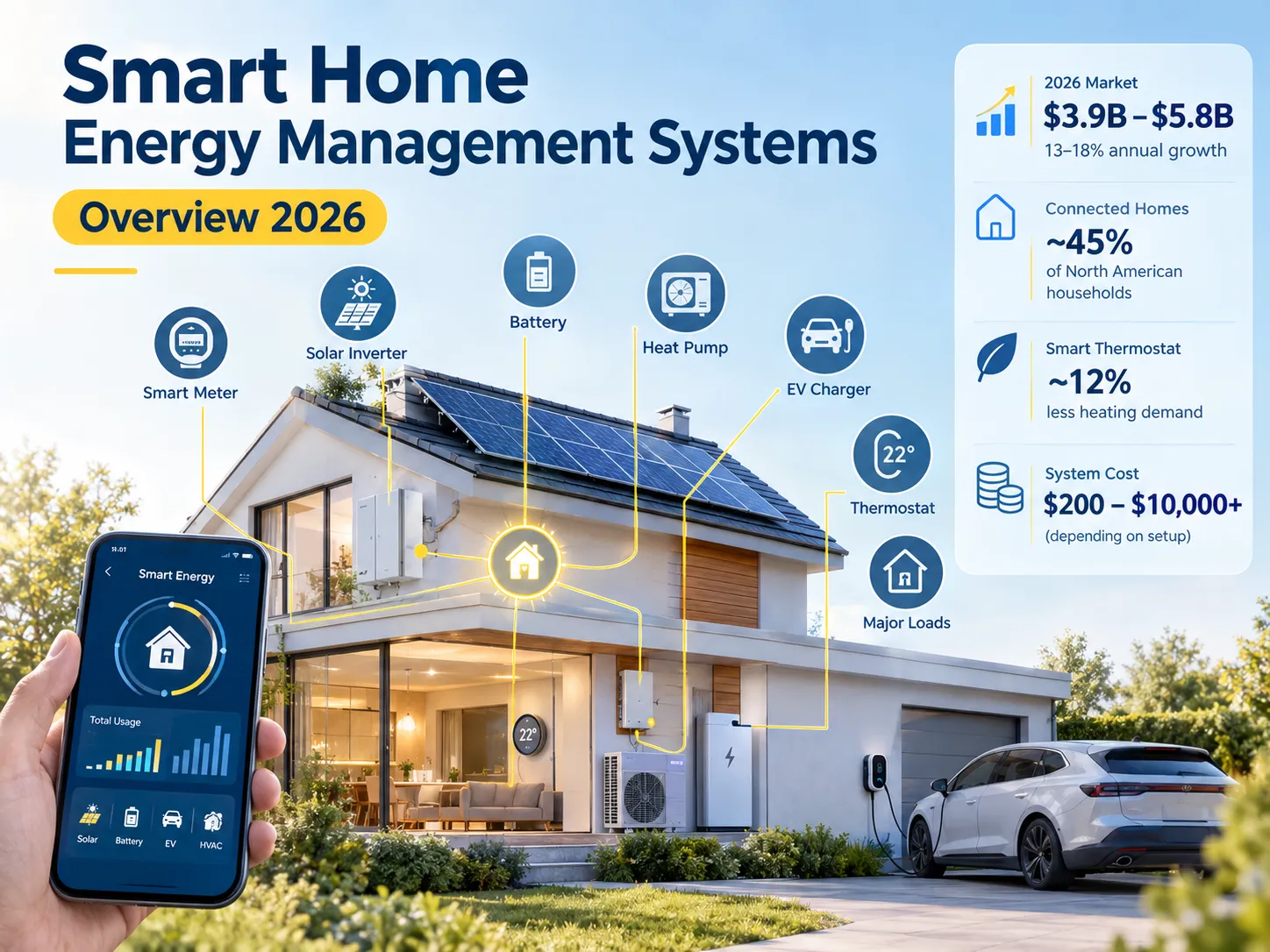
Durante mucho tiempo, las casas inteligentes se asociaron con el lujo; era como tener una herramienta en el bolsillo para encender o apagar la luz. Pero podemos decir con orgullo que, al acercarnos a 2026, estamos avanzando hacia algo mucho más difícil de mostrar pero más sencillo de explicar: su casa inteligente no solo sabrá cuándo encender un dispositivo, sino que también tomará decisiones inteligentes sobre qué energía usar y cuándo adquirirla o almacenarla. En el contexto de la evolución de los precios de la electricidad causada por el progreso técnico y la aparición de nuevas cargas energéticas debido al uso de bombas de calor y cargadores de vehículos eléctricos, así como paneles solares y baterías domésticas que convierten su casa de una unidad consumidora de energía a una productora, podemos ver claramente un progreso desde la gestión de dispositivos separados hacia la idea de tomar el control de todos los dispositivos. En este artículo, revisaremos qué son los sistemas de gestión de energía doméstica, cómo se han desarrollado a lo largo de los años, de qué principios y capas constan, qué ahorros puede obtener al usarlos y por qué algunos casos no pueden presumir de ser exitosos.
HEMS, que significa Home Energy Management System, ayuda a diferentes electrodomésticos, como inversores solares, cargadores de vehículos eléctricos, termostatos, baterías, etc., a comunicarse eficazmente entre sí. Esto hace posible operar los electrodomésticos juntos como un solo sistema en lugar de usar cada uno por separado. Se predice que el mercado de HEMS tendrá un valor entre 3.9 mil millones y 5.8 mil millones en 2026, dependiendo del proveedor o analista. En el mercado, se espera que el aumento general del sistema HEMS esté entre 131% y 181%. Se estima que el 45% de los hogares en Norteamérica tienen sistemas domésticos conectados. Un termostato inteligente puede ayudar a reducir la demanda de calefacción en alrededor del 12%. Pero los ahorros más importantes provienen de la vinculación de diferentes dispositivos.
Qué es realmente un sistema de gestión de energía doméstica
Técnicamente preciso según su definición, HEMS es un término técnico para el hardware, software y comunicaciones que permiten la capacidad de rastrear y gestionar la totalidad de la actividad energética de un hogar, tanto medida a través del servicio como optimizada colectivamente a través de múltiples cargas mientras interactúa cada vez más con la red eléctrica. Esta definición es intencionalmente más amplia que el término “aplicación de casa inteligente”. La distinción no es semántica; un enchufe inteligente proporciona control sobre un electrodoméstico, mientras que un HEMS registra el consumo total de un hogar en un momento dado, mantiene información sobre estructuras tarifarias, producción de paneles solares, estado de carga de baterías y tiempos de salida de vehículos eléctricos, y luego utiliza esa información para iniciar una acción coordinada que abarca todos los aspectos del consumo energético del hogar.
Hay tres factores que diferencian un verdadero HEMS de un conjunto de dispositivos conectados: Primero, un sistema de medición integral; la medición del consumo ocurre en la entrada del servicio o a través de las alimentaciones del servicio y no mediante estimaciones basadas en dispositivos individuales. Segundo, un componente de acción automatizada; además de reportar, el HEMS toma decisiones y ejecuta acciones basadas en la información que ha recibido y analizado. Tercero, un objetivo de coordinación general; el objetivo principal de un HEMS es minimizar los costos totales de energía y maximizar la producción en sitio y el uso autogenerado, minimizar la intensidad de carbono de la generación y mantener la cantidad total de demanda por debajo de un umbral predeterminado mientras se asegura niveles adecuados de confort.
El mercado 2026 en cifras
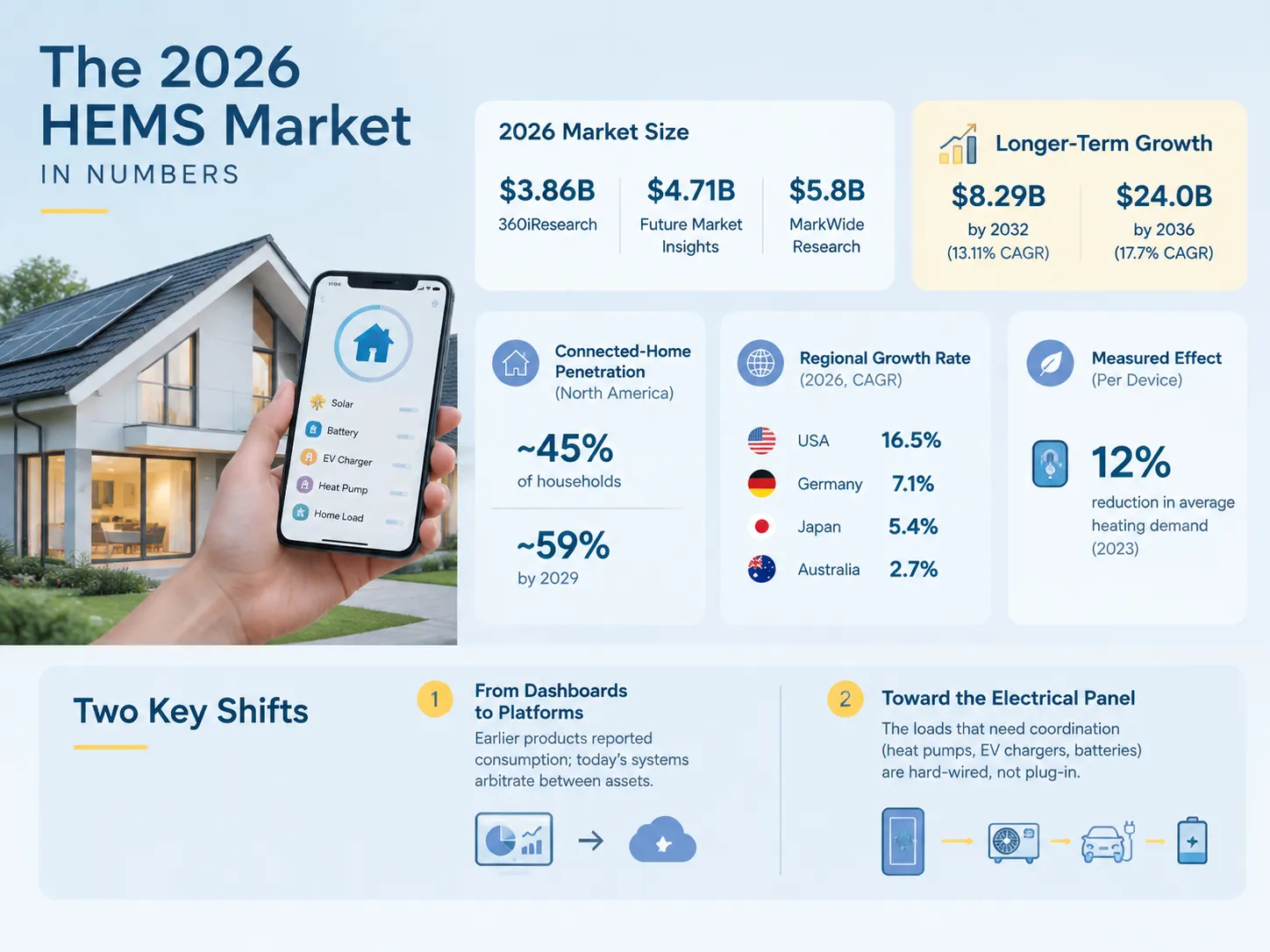
Las estimaciones del mercado HEMS (Home Energy Management System) varían significativamente, y debe señalarse que existen muchas opiniones diferentes sobre la mejor manera de definir los parámetros de este mercado. Diferentes firmas de investigación de mercado tendrán diversas definiciones de lo que debe incluirse dentro del mercado HEMS. Por lo tanto, las opiniones más ampliamente aceptadas dentro de la comunidad investigadora creen que el mercado HEMS estará entre aproximadamente $3,900 millones y $5,800 millones para 2026. Dadas estas diferencias en cómo diferentes firmas definen HEMS, es seguro decir que las tasas de crecimiento estimadas para HEMS continuarán siendo porcentajes bajos a medios en los adolescentes.
| Medir | Estimación publicada para 2026 | Proyección a largo plazo |
|---|---|---|
| Mercado global HEMS, 2026 | $3.86 mil millones (360iResearch); $4.71 mil millones (Future Market Insights); $5.8 mil millones (MarkWide Research) | $8.29 mil millones para 2032 (13.11% CAGR); $24.0 mil millones para 2036 (17.7% CAGR) |
| Penetración de hogares conectados, Norteamérica | Aproximadamente 45% de hogares | Casi 59% de hogares para 2029 (CE Pro / Parks Associates) |
| Tasa de crecimiento regional | EE.UU. 16.5% CAGR; Alemania 7.1%; Japón 5.4%; Australia 2.7% (FMI) | Crecimiento en volumen en Asia-Pacífico liderado por China, India y solar más batería en Australia |
| Efecto medido de un solo dispositivo | Termostatos inteligentes asociados con una reducción del 12% en la demanda promedio de calefacción en hogares encuestados (2023) | Materialmente mayor cuando los dispositivos están coordinados en lugar de operados independientemente (ACEEE) |
De dos maneras, las observaciones estructurales son más significativas que los números principales. La primera observación es la transición de la categoría de Dashboards a Plataformas. La generación original de productos reportaba el consumo, pero la generación actual es una plataforma que permite la ‘arbitraje de Activos’. Segundo, el centro de gravedad dentro del mercado para esta categoría se ha desplazado hacia el panel eléctrico. Las cargas más grandes que requieren la mayor cantidad de coordinación (es decir, bombas de calor, cargadores de vehículos eléctricos y baterías) están cableadas y no pueden conectarse a un enchufe inteligente.
Las cuatro capas de un sistema funcional
Todos los Sistemas de Gestión de Energía para el Hogar (HEMS) reconocidos contienen cuatro capas de tecnología. Al identificar estas cuatro capas, un cliente puede comparar más fácilmente diferentes proveedores de HEMS porque las capas revelan más sobre lo que incluye un producto HEMS.
- Sensado – Un HEMS proporciona mediciones de consumo de energía en toda la vivienda. En un hogar, las mediciones pueden provenir de un medidor inteligente, transformadores de corriente sujetos a los conductores principales del sistema o un medidor de energía comunicante. La capacidad de monitorear submedidores en dispositivos individuales (por ejemplo, bombas de calor, cargadores de vehículos eléctricos, calentadores de agua, etc.) permite la optimización del uso de energía a nivel de electrodomésticos.
- Orquestación – Esta capa comprende el controlador o hub que gestiona toda la lógica del sistema HEMS integrando información de múltiples fuentes, incluyendo: horarios tarifarios, patrones de ocupación (por ejemplo, cuando hay personas en casa), estado de carga y descarga de baterías, pronósticos meteorológicos y cualquier prioridad conflictiva para múltiples objetivos.
- Actuación – La capa de actuación se refiere a los dispositivos que ejecutan las decisiones tomadas por el controlador. Los dispositivos incluyen puntos de ajuste de temperatura para calefacción y refrigeración, módulos de relé para controlar el calentamiento de agua, control para optimizar la carga de vehículos eléctricos, carga/descarga de baterías y, cada vez más, control de iluminación y cargas en enchufes.
- Los optimización La capa es donde el HEMS aprende y pronostica la producción solar basada en el clima, la ocupación basada en rutinas pasadas y la tarificación basada en el horario tarifario publicado. El controlador utiliza estos tres factores al programar el consumo y/o almacenarlo en baterías.
La capa de actuación es donde las instalaciones eléctricas en un hogar se intersectan con las aplicaciones de software que controlan un HEMS. Aquí es también donde la mayoría de las instalaciones HEMS se estancan. Un controlador solo puede optimizar cargas sobre las que tiene control o puede modular (es decir, control encendido/apagado). La mayoría de las cargas controlables en la mayoría de los hogares ya tendrán alguna forma de interfaz para controlarlas. Por eso, los circuitos de iluminación y enchufes eléctricos suelen estar dentro del alcance de un HEMS, incluso cuando el proyecto inicial es solo para proveer baterías.
Lo que un HEMS controla: cargas, generación y almacenamiento
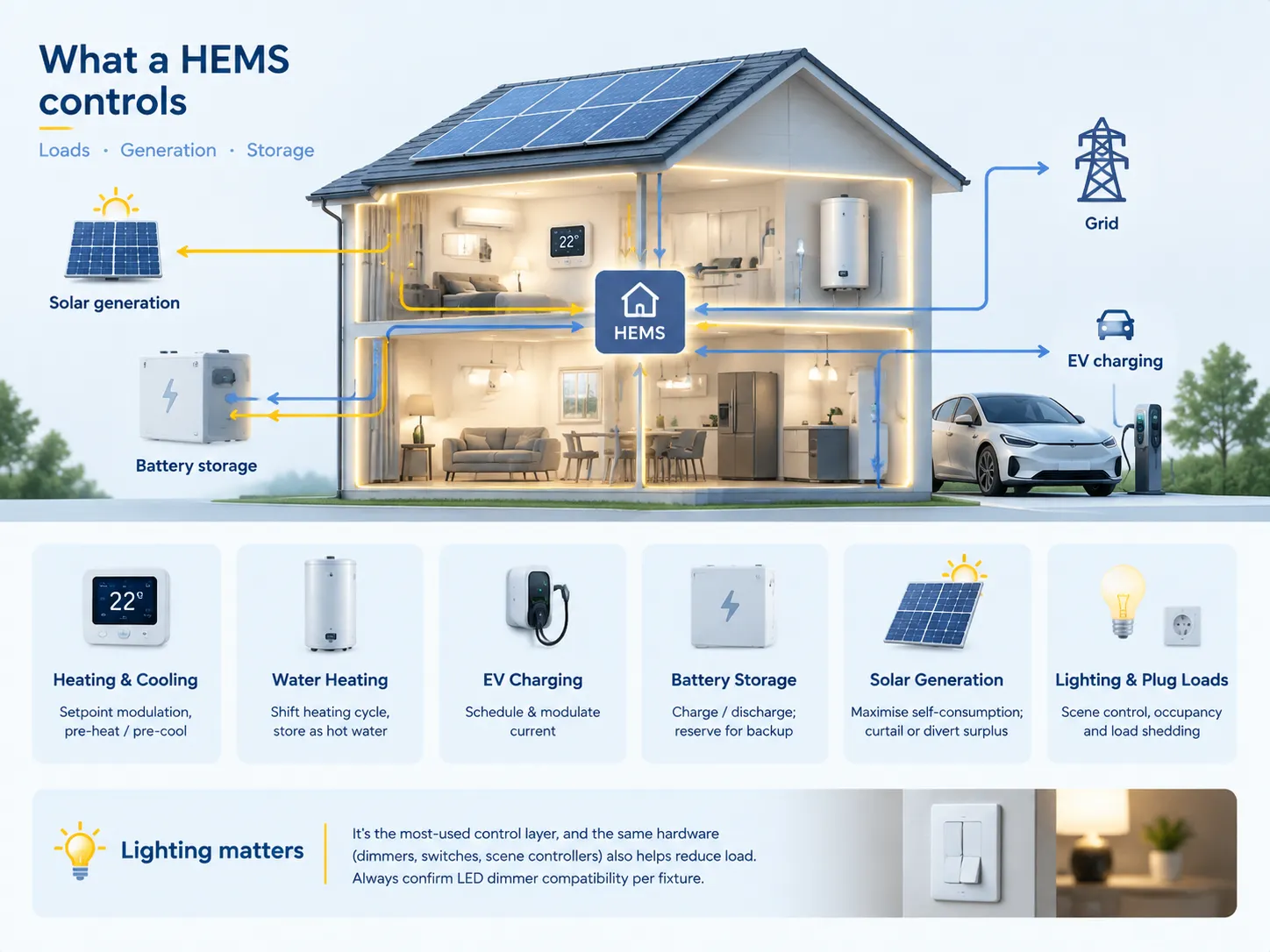
| Activo | Cómo lo gestiona el HEMS | Restricción práctica |
|---|---|---|
| Calefacción y refrigeración | Modulación del punto de ajuste y precalentamiento o precooling antes de tarifas pico, usando masa térmica como almacenamiento | Requiere un termostato comunicante o una bomba de calor con interfaz de control abierta |
| Calentamiento de agua | Desplazar el ciclo de calentamiento a horas de tarifa baja o excedente solar; almacenar energía como agua caliente | Necesita un relé o una bomba de calor con programación; el tamaño del tanque establece el límite de almacenamiento |
| Carga de vehículo eléctrico | Programar a horas fuera de pico o excedente solar, y modular la corriente para mantenerse por debajo de un límite del sitio | Depende de que el cargador soporte control externo de corriente, por ejemplo, mediante una señal piloto de control |
| Almacenamiento en batería | Cargar con energía barata o excedente, descargar en pico; reservar capacidad para respaldo en caso de corte | El acceso a despacho suele ser vía API del fabricante o un protocolo de control certificado |
| Generación solar | Maximise self-consumption; curtail or divert surplus to hot water or the battery | Inverter communication is the bottleneck; not all inverters expose real-time output |
| Lighting and plug loads | Scene and schedule control, occupancy-based switching, and load shedding of non-critical circuits | Smart devices need stable power and, for switches, a neutral conductor |
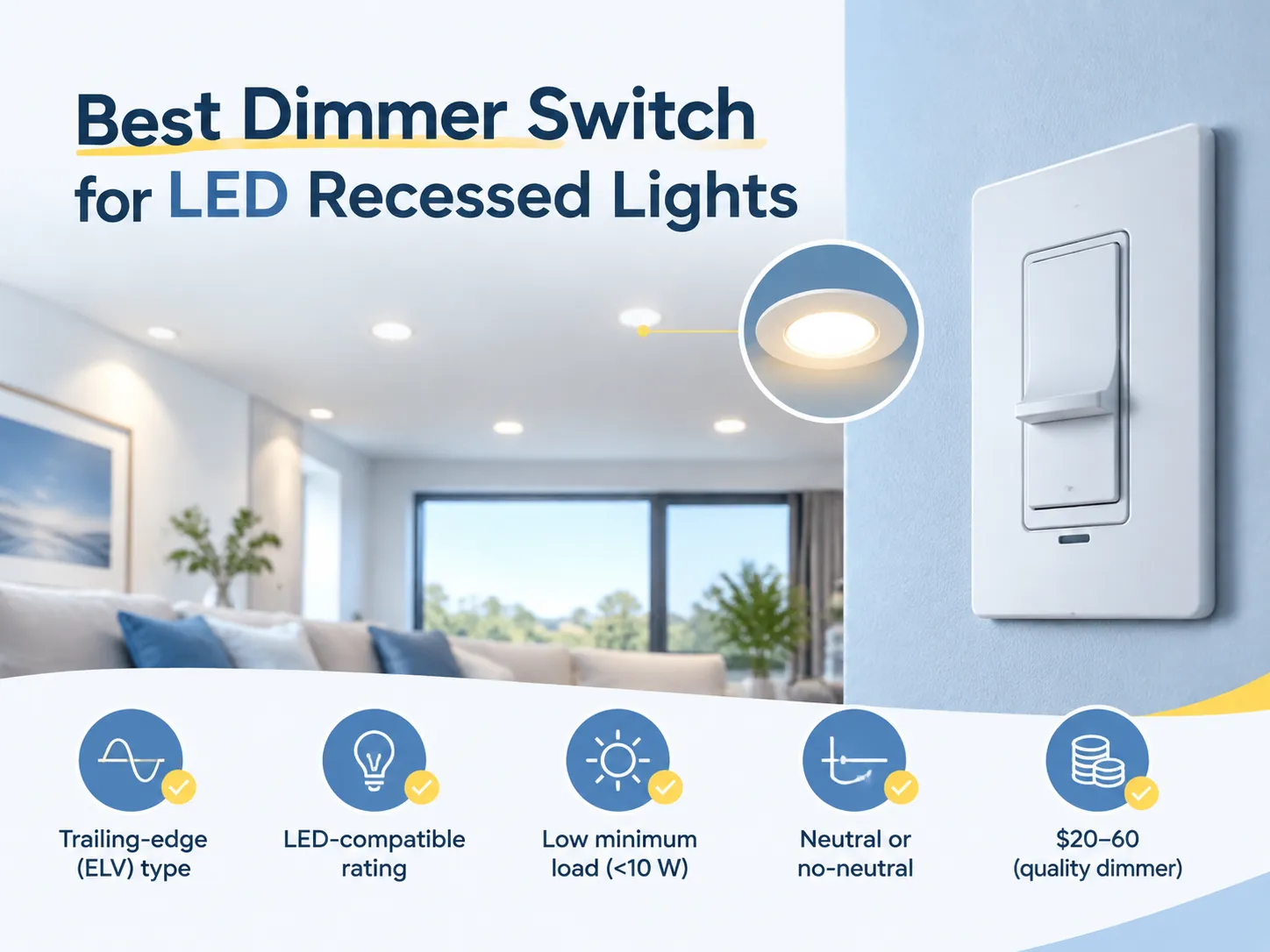
Although modern all-LED homes may not have much of an effect on lighting, the most common mechanism (known as actuation) the household uses to activate electric lighting is through lighting control systems. The most significant means of activating electric lighting are through dimmers and switches, and these are also used by the energy layer when it is trying to reduce loads.LED loads are also electrically different from the incandescent lamps that dimming circuits were originally designed for: the driver electronics inside a lamp misread the waveform from an incompatible dimmer, which is why Compatibilidad de dimmers LED has to be confirmed per fixture before a control platform is finalised, not discovered afterwards.
Tariffs, demand response and virtual power plants
How much money homeowners save by using all-electric heating is really determined by the electricity tariffs (the amount the utility charges for electricity use), as well as whether or not a utility has a peak period and what it’s charging for that peak.Electricity tariffs have historically been determined based on when the utility has excess capacity and wants homeowners to use that capacity to help smooth out their peaks. Currently, with the changing nature of the electricity market and utilities’ use of smart grid technologies, many tariffs are becoming more and more closely aligned to actual wholesale prices of electricity.Utilities in most areas of the U.S. have historically charged homeowners the same tariff for all use, but in regions with a peak load, they increasingly charge homeowners more to use electricity at peak times and less for using the same amount of electricity at off-peak times, since the utility using its own generation and transmission system has to continually monitor and control the peak load to ensure the system remains stable.
In addition to the electricity tariff, utilities have begun to use some of the technological advancements of the smart grid to offer homeowners incentives to reduce their consumption of electricity at times when system use is at a maximum. For example, a utility can pay homeowners to decrease their demand during a system peak to reduce the amount of utility-generated power needed to meet customer electric demand. Utilities can also aggregate many homes into what is known as a virtual power plant, which, like a traditional peaking plant, has a large quantity of battery and heat pump capacity that utilities can call upon to help smooth out their electric demand peaks. As such, utilities now place more value on the ability to integrate the numerous types of devices that residential customers may have installed in their homes — so a virtual power plant can be created from a variety of types of electric devices.
The regulatory environment is also having an effect on what direction utilities are heading regarding demand response programs. The implementing of “smart” efficiency programs, the adoption of rebates and tax incentives for homeowners making energy-efficient upgrades, and the upcoming rollout of electricity consumption-based rebate programs in the U.K. will collectively help lower the cost of the hardware associated with demand response programs for homeowners.In conclusion, the concern for homeowners is whether or not the tariff offered by their local utility is actually advantageous for controlling enhanced performance hardware and devices (e.g., heat pumps, smart appliances), and whether or not the utility or aggregator will compensate homeowners for providing flexibility through the use of such devices.
Interoperability: Matter, OpenADR and the wiring that still has to exist
Fragmentation has long hindered this product area. Solutions that help eliminate fragmentation exist at two levels. One layer is the Device layer where Matter acts as a universal Application Layer above Thread, Wi-Fi, and Ethernet. Therefore, a light, lock, and thermostat from three separate manufacturers can all work together within one broader ‘eco-system’. The underlying connection between the devices is Thread, a low-power mesh network technology. The other level is the Utility Interface layer, where two standards, OpenADR and IEEE 2030.5, are often used to provide price and dispatch signals, while inverter and battery integration is usually performed via Modbus or a proprietary Manufacturer API. A good specification of a Home Energy Management System (HEMS) will define which of these two layers it works at, as well as whether or not any of them will operate when the Internet is down.
The presence of software layer Interoperability does not result in the physical aspect of installation, which constrains many more projects than any existing protocols do. For example, the majority of smart switches and smart controllers require a neutral wire at the switch box, since these devices continually consume some power from the mains to operate and maintain communication with their radios. Any dwelling constructed prior to 1980 typically did not have a neutral wire in the switch loop; therefore, there is no amount of commissioning available that will replicate a missing wire. The compatibility check between neutral and non-neutral smart switches is therefore a survey step, not a purchasing detail — and it is the single most common reason a whole-home control plan has to be revised after the electrician opens the first box.
Why coordinated systems save more than single devices
Research on efficiency continues to show that independent smart devices have minor impacts on energy savings and that coordinated devices provide significantly greater savings. The reason is simple; an independent smart thermostat will simply save energy by not heating a cold home. A smart thermostat as part of a home energy management system will instead allow the home to be warmed with the excess energy from cheap afternoon solar energy so that it can remain at a comfortable temperature for the peak rate evening, taking advantage of the thermal properties of the home itself as storage. While the physical device has not changed, the value derived from the device is greater due to the capability to make decisions about when to operate the device based upon availability and costs rather than based upon a predetermined time for operation.
Hence, the best way to determine whether a proposal is viable is by examining what it coordinates rather than examining what it simply installs. A listing of ten independent smart devices that do not coordinate with one another is nothing more than ten different apps.The same hardware behind one controller that knows the tariff, the forecast and the household’s routine is a system — and increasingly the difference between devices is less about the hardware itself than about whether the device exposes its state to something else. Any discussion of what a smart switch is worth in a home ends up at the same place: the individual benefit is real, and it is the smaller half of the story.
Choosing the hardware at the switch plate
The foundation of a Home Energy Management System (HEMS) may not have glitz or glamour, but it contains the definitive components: the switches, dimmer switches, electrical outlets and modules that the control logic actuates. There are four criteria that will determine which hardware is going to be useful in the future and which hardware will become an orphan of a platform change.
- To be viable in the future local control capability is essential; a piece of hardware must be able to operate physically locally (at the plate) even when there is no communication with the hub, the internet or the local area network (LAN) available. A switch that requires an API Call/ Web API/ HTTP Post to be able to turn on a light is a liability in the room it is installed in.
- Devices that utilize standards-based protocols such as Matter or Zigbee will outlast any proprietary protocol. Therefore, certification from either considers long-term value of the device because it indicates that a product will have the option to connect to devices manufactured by other companies as well as have a longer service life than the App it is packaged with.
- Load rating and dimming type are critical to ensuring that the proper device is selected to operate correctly. For example, LED lighting, ceiling fan and inductive motor loads require different devices. An LED load should only be operated using trailing edge dimming, and to control speed of a ceiling fan requires a specific, dedicated controller.
- Safety certification and thermal design should supersede any other criteria for purchasing a device; Devices that operate directly from line voltage and typically have an embedded radio create heat (due to the power required to operate the radio). Therefore, safety certification and thermal margins are more important than the feature set of the product.
The market for these devices splits into platform brands, consumer brands and specialist manufacturers who supply through distribution and private label. Robust comparisons of the leading smart light switch families turn on the same criteria above rather than on features, and for projects specifying at volume the deciding questions are rating, certification and repeatability across a batch.
What it costs and what it returns
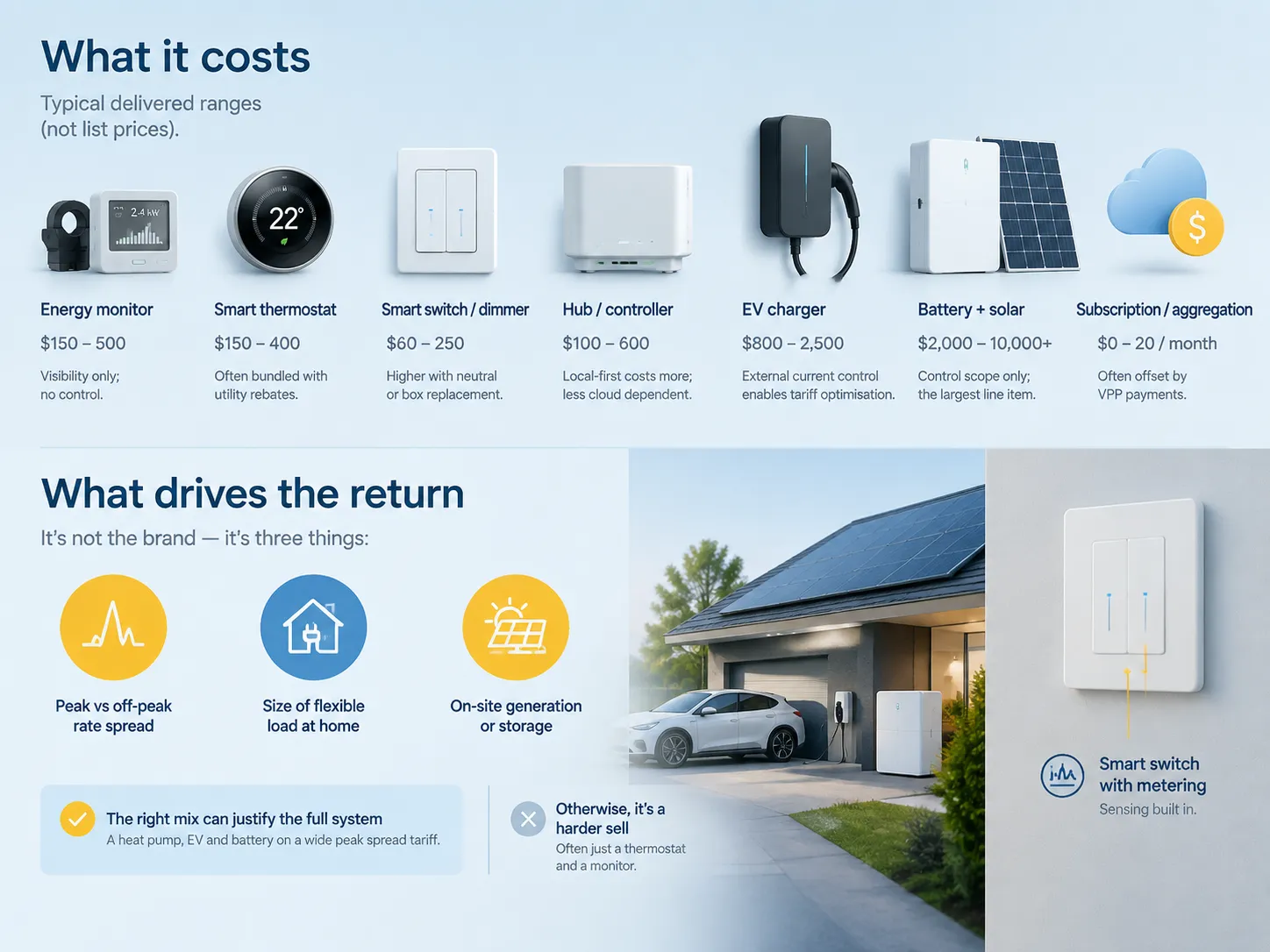
Hardware, integration labour and subscription costs are three types of costs involved in the purchase of an Energy Management System. The typical cost ranges of each type of system and the range of subscription fees are listed below:
| Componente | Typical delivered cost | Notes |
|---|---|---|
| Whole-home energy monitor (CT clamp or meter based) | $150-500 | Consumption visibility only; no control |
| Smart thermostat | $150-400 installed | Often the entry point and frequently bundled with utility rebates |
| Smart switch or dimmer, per location | $60-250 installed | Higher where a neutral must be pulled or a box replaced |
| Hub or controller | $100-600 | Local-first controllers cost more and depend on the cloud less |
| EV charger with managed charging | $800-2,500 installed | External current control is the feature that enables tariff optimisation |
| Battery plus solar integration and commissioning | Quoted per project; commonly $2,000-10,000+ for the control scope alone | The largest single line item, and the one that justifies the rest |
| Subscription or aggregation service | $0-20 per month, sometimes revenue-shared | Increasingly offset by VPP participation payments rather than charged outright |
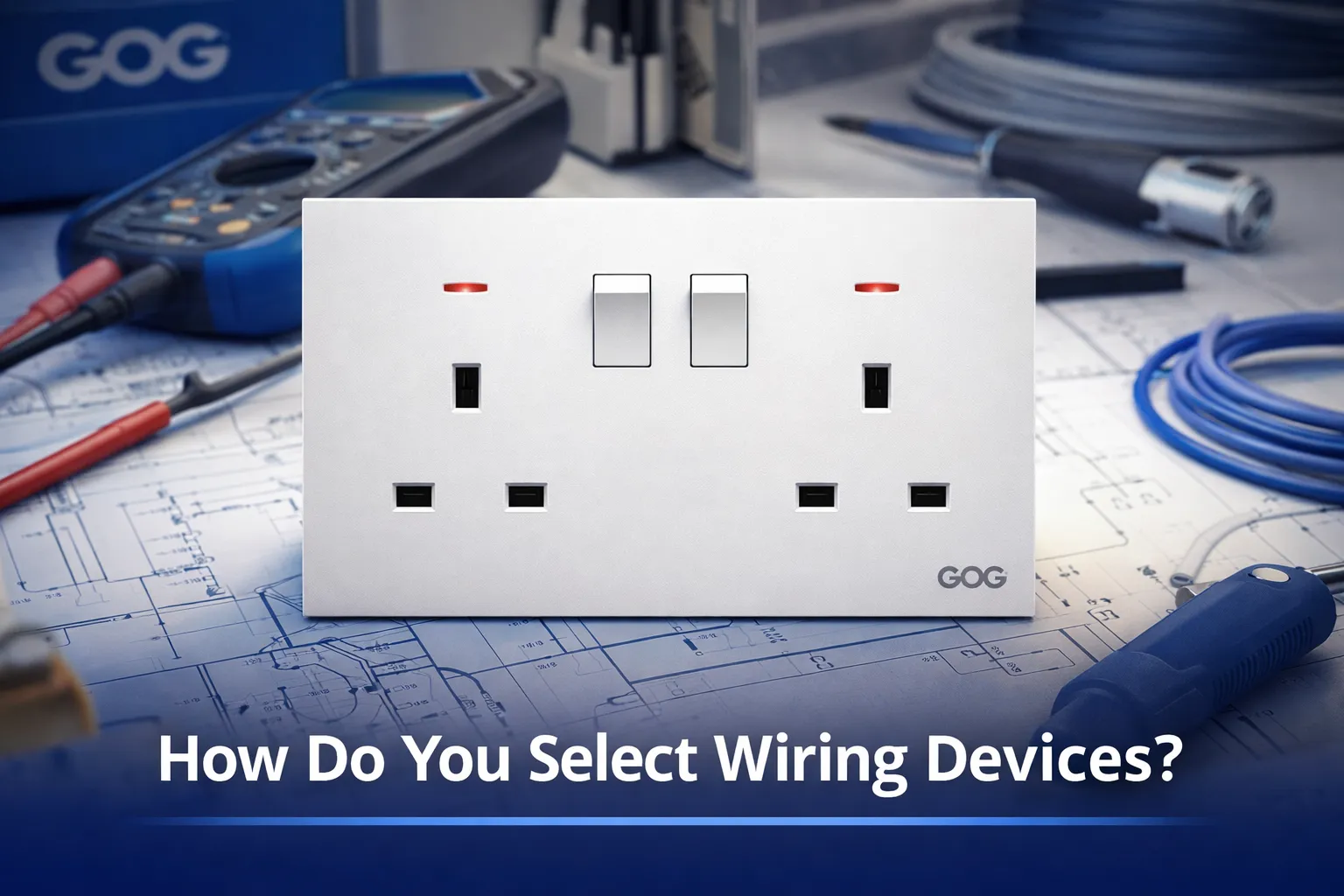
The return on investment for an Energy Management System will be influenced by three independent factors unrelated to the manufacturer or supplier of the Energy Management System – The difference in energy prices between peak and off-peak times; the amount of flexible load (capacity) available from the home’s electrical system; and the presence of on-site generation or storage capacity (i.e., solar panels or battery bank). A home that utilizes a heat pump, an electric vehicle, and a battery charger along with a tariff with a high peak/off-peak price spread will have sufficient justification to purchase a complete energy management system. Conversely, a home that does not have any of these systems will only have justification for purchasing a thermostat and a monitor for its energy management needs.Devices that carry the energy data themselves are part of this picture, which is why monitoring is increasingly built into the wiring device rather than added as a separate box — a current-generation two-gang smart light switch with metering illustrates how much of the sensing layer now ships inside the hardware that was going on the wall anyway.
What goes wrong: five real limitations
- The first major challenge in every survey of all markets is the upfront cost versus uncertain future savings. Although the individual hardware pieces have a low cost, collectively they are expensive, and the payback for the collective hardware depends more heavily on the shape of the utility rate structure than on the equipment itself.
- In addition to these first two challenges, there are several less significant challenges, including legacy appliances and wiring. If appliances do not have communication capabilities, they cannot be coordinated with each other, and the cost of retrofitting them to include such capabilities usually outweighs the perceived value. The missing neutral challenge discussed in this paper is an example of the wiring equivalent to this same issue.
- The fragmentation of compatibility between various brands of appliances and solar inverters, which has not yet been completely addressed by Matter. While Matter has improved interoperability between devices at the application level, it continues to be true that battery dispatch, inverter data, and utility signals usually exist in separate, proprietary formats.
- There is a significant lack of qualified installers. The majority of the technical work involved in installing HEMS comes from two trades: electrical and IT integration. Therefore, there is a shortage of technicians who possess skill sets in both fields. This increases the amount of time spent on each project and therefore increases the labour costs of doing so. The addition of a site survey process prior to design will help to eliminate most of the rework associated with HEMS installations.
- The issues surrounding data privacy, security, and trust in automation continue to be of great concern. The HEMS stores considerable amounts of information about each consumer’s occupancy patterns, appliance usage, and grid identity in some cases. Thus, despite the need for privacy by design, transparent and fully informed consent to provide individual data and trust that automation will not create erroneous outcomes, it is still the case that these should all be conditions of procurement rather than optional benefits, and this becomes particularly true when there are established consumer data rights being implemented or enforced.
Preguntas frecuentes
Is a smart home the same as a home energy management system?
That’s incorrect. Smart homes are collections of connected devices (such as thermostats, lights, appliances) that you can control anytime, anywhere via an internet connection. The HEMS provides coordination for all of the smart devices within the home, allowing users to monitor the home’s total energy use, billing information (tariff) and anticipate future energy generation, using all available smart devices to optimize performance based on a user-defined goal (cost-savings or self-consumption). While most smart homes do not have a HEMS, every HEMS includes at least one smart device.
Do I need solar or a battery for a HEMS to be worth it?
You do not have to be concerned about this; however, using a time-varying tariff along with a flexible load will make paybacks much more compelling than the other combination of EV chargers and heat pumps that rely on TOU rates because in this case, the scheduling and monitoring hardware may be justified by just these two pieces of equipment working together. Without these two pieces of equipment working together, you will have only limited value through the benefits of consumption visibility and a small amount of load shifting, and therefore, you will likely only need to have a thermostat and a monitor rather than the full platform that would provide the most benefit.
Will a HEMS still work if the internet goes down?
Without a doubt, how a vendor structures their system will have the greatest impact on your ability for your users to be optimised and to retain full real-time manual control via their application. For cloud-based systems (e.g. anything running in a data centre), there is often a loss of the ability for manual intervention and optimisation as a result of their reliance on cloud infrastructure. Local-first systems on the other hand allow you to keep all of your scheduled programs, scenes and operation of physical switches within the confines of your own home. If you plan on using any of your systems for safety-critical or comfort-critical purposes, you should always require that there is a local control of the core functionality of that system to ensure that you can execute your system at any time in the exact manner you choose to fit your needs.
Can a HEMS be installed in an older house?
In general, smart switches should work on existing wiring and be easy to install; however, there are two things to consider before purchasing your equipment. First, many smart switches require a neutral wire in the switch box. Some homes built before 1980 may not have this neutral wire available in the switch boxes; therefore, you may need to conduct a home survey prior to ordering your hardware (smart switch). Secondly, some older HVAC systems and hot water heaters lack a control interface, and thus, you will need to provide control of these systems using relays at their respective circuit positions instead of via a smart switch or smart device.
Referencias
- Connectivity Standards Alliance — Matter Specification and Ecosystem Overview
- OpenADR Alliance — OpenADR 2.0 and 3.0 Demand Response Standards
- International Energy Agency — Buildings and Electricity Demand Analysis
- American Council for an Energy-Efficient Economy — Smart Home Energy Management Savings Research
- US Department of Energy — Residential Demand Response and Grid-Interactive Efficient Buildings
- European Commission — Energy Performance of Buildings Directive and Ecodesign Requirements
- Smart Energy GB — Time-of-Use Tariffs and Smart Meter Data in Great Britain
Conclusión
The market for energy management smart home devices is about to become more than a mere product; it will soon become a fundamental part of a business. According to estimates, the market size in 2026 is expected to be between $3.9 billion and $5.8 billion, and it may double or triple in the next 10 years. The simple process for creating an energy management product for smart homes in 2026 is not that exciting. First, it will be necessary to examine the entire wiring in the house, starting with the neutral connections in the switchboard. Then, it is better to apply local control instead of cloud control. Third, all the instruments in the energy management system should be checked as to their suitability for the load and environment they are meant for. And fourthly, decide how much intelligence is required. If you do these four things correctly, you do not need to be worried that your home will not work after your choice is replaced.