For a long time, smart homes were all about luxury; it was like having a tool in your pocket to turn your light on or off. But we can proudly say that as we approach 2026, we are making progress towards something much harder to show but simpler to explain: your smart home will not only know when to switch on a device but will also make intelligent decisions about what energy to use and when to acquire or store it. In the context of the evolving electricity prices caused by the technical progress and the emergence of new energy loads due to the usage of heat pumps and EV chargers as well as solar panels and home batteries turning your house from an energy-consuming unit to an energy-producing one, we can clearly see a progress from managing separate devices to an idea of taking control over all the devices. In this article, we will review what home energy management systems are, how they developed over the years, which principles and layers they consist of, what savings you can get while using them, and why some cases can’t boast being successful.
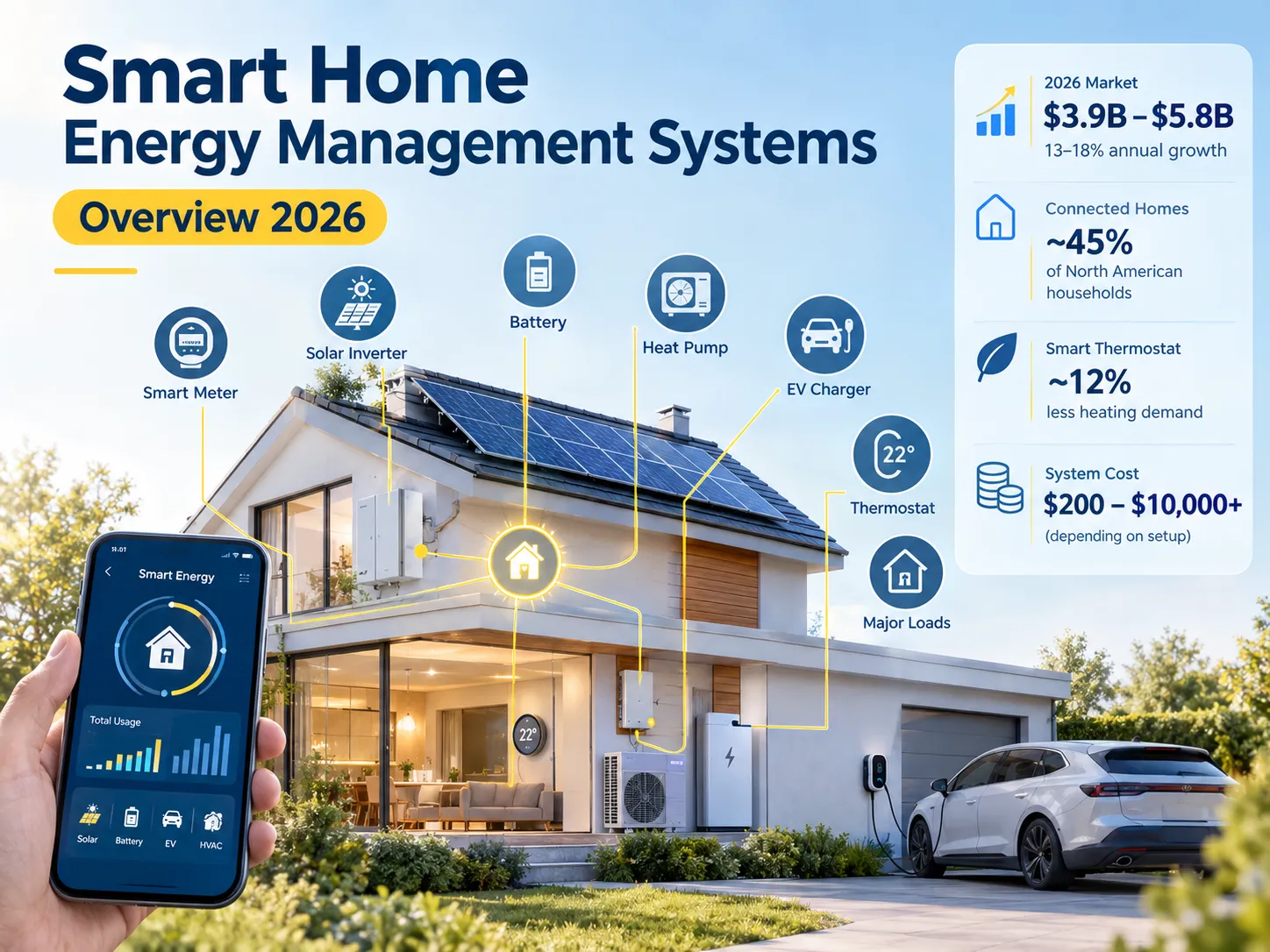
HEMS, which stands for Home Energy Management System, helps different appliances, like solar inverters, electric vehicle chargers, thermostats, batteries, etc., to communicate with each other effectively. This makes it possible to run the appliances together as one system instead of using each of them separately. The HEMS market is predicted to be valued between $3.9 billion and $5.8 billion in 2026, depending on the supplier or analyst. In the market, the increase of the overall HEMS system is expected to be between 13% and 18%. It is estimated that 45% of homes in North America have connected home systems. A smart thermostat can help cut down heating demand by around 12%. But the most important savings come from the linkage of different devices.
What a home energy management system actually is
Technically accurate as defined, HEMS is a technical term for the hardware, software and communications which enable the ability to track and manage the entirety of a household’s energy activity, both measured through service and collectively optimized across multiple loads while increasingly interacting with the electric utility grid. This definition is intentionally broader than the term “smart home app.” The distinction is not semantic; a smart outlet provides control over one appliance while a HEMS records a home’s total consumption at a point in time, maintains information about tariff structures, solar array production, battery charge status and electric vehicle departure timing, then utilizes that information to initiate a coordinated action that encompasses all facets of home energy consumption.
There are three factors that differentiate true HEMS from an assortment of connected devices: First, a comprehensive metering system; metering of consumption occurs at the service entrance or via the service feeds and not through estimations based on individual devices. Second, an automated action component; in addition to reporting, the HEMS makes decisions and executes based on the information it has received and analyzed. Third, an overarching coordination goal; the primary goal of a HEMS is to minimize total energy costs and maximize on-site production and self-generated use, minimize the carbon intensity of generation and hold the total amount of demand below a predetermined threshold while ensuring adequate levels of comfort.
The 2026 market in numbers
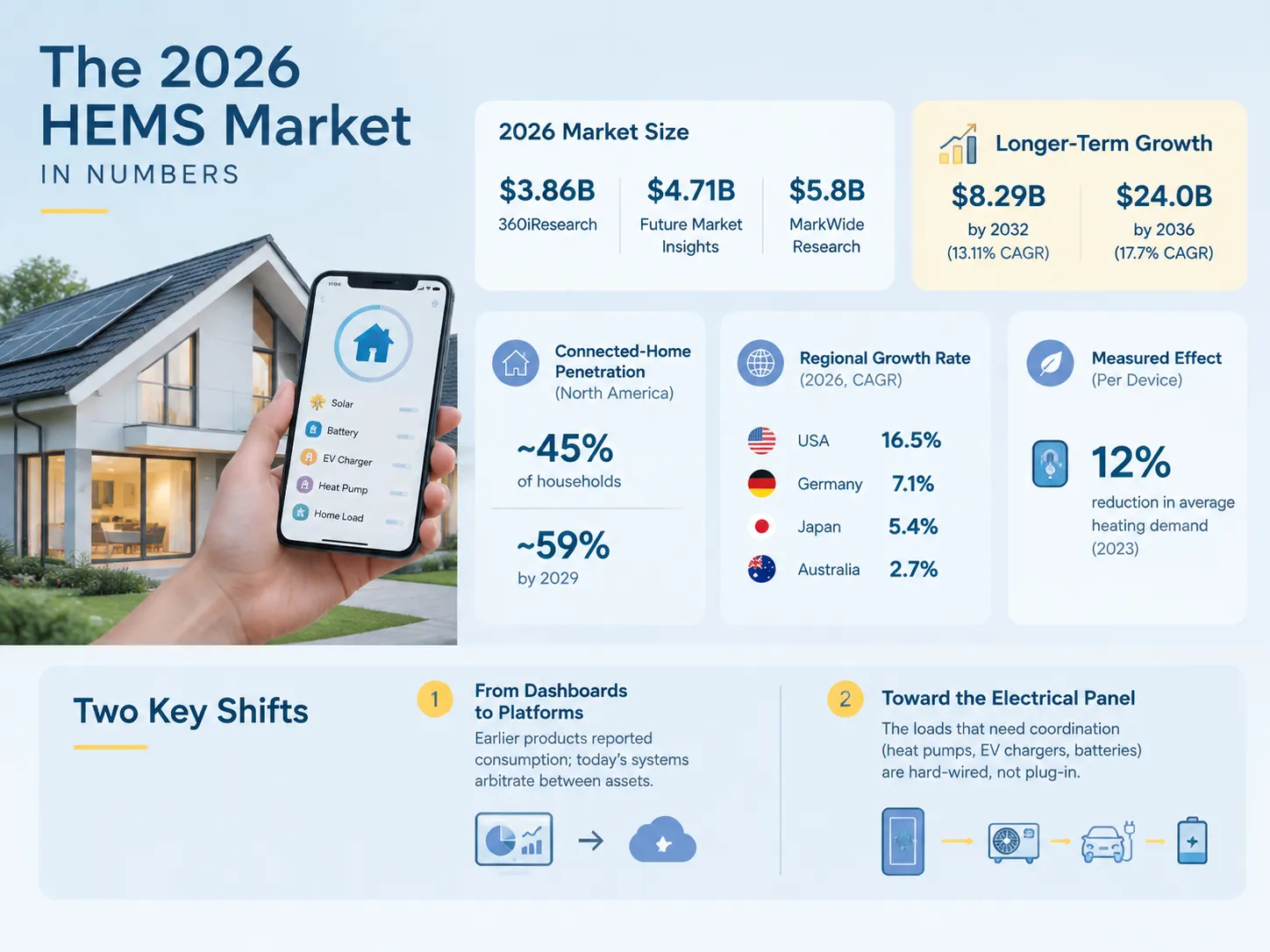
The estimates on the HEMS (Home Energy Management System) market vary significantly, and it should be noted that there are many different opinions as to the best way to define the parameters of this market. Different market research firms will have various definitions of what should be included within the HEMS market. Therefore, the most widely held views within the research community believe that HEMS will be between approximately $3,900 million and $5,800 million by 2026. Given these differences in how different firms define HEMS, it is safe to say that the estimated growth rates of HEMS will continue to be low-mid teen percentages.
| Measure | Published 2026 estimate | Longer-term projection |
|---|---|---|
| Global HEMS market, 2026 | $3.86 billion (360iResearch); $4.71 billion (Future Market Insights); $5.8 billion (MarkWide Research) | $8.29 billion by 2032 (13.11% CAGR); $24.0 billion by 2036 (17.7% CAGR) |
| Connected-home penetration, North America | Approximately 45% of households | Nearly 59% of households by 2029 (CE Pro / Parks Associates) |
| Regional growth rate | USA 16.5% CAGR; Germany 7.1%; Japan 5.4%; Australia 2.7% (FMI) | Asia-Pacific volume growth led by China, India and Australian solar-plus-battery |
| Measured effect of a single device | Smart thermostats associated with a 12% reduction in average heating demand across surveyed homes (2023) | Materially larger when devices are coordinated rather than operated independently (ACEEE) |
In two ways, structural observations are more significant than the headline numbers. The first observation is the category’s transition from Dashboards to Platforms. The original generation of products reported on consumption, but the current generation is a platform that allows for the ‘arbitration of Assets’. Second, the centre of gravity within the market for this category has shifted towards the electrical panel. The largest loads requiring the greatest amount of coordination (i.e. heat pumps, EV chargers, and batteries) are hard-wired and cannot be plugged into a smart outlet.
The four layers of a working system
All recognised Home Energy Management Systems (HEMS) contain four layers of technology. By identifying these four layers, a customer can more easily compare different HEMS vendors because the layers reveal more about what a HEMS product includes.
- Sensing – A HEMS provides whole home measurements of energy consumption. In a home, measurements could come from a smart meter, current transformers clamped onto the main conductors of the system, or a communicating energy meter. The ability to monitor sub-meters on individual devices (e.g., heat pumps, electric vehicle chargers, hot water heaters, etc.) enables appliance-level optimisation of energy usage.
- Orchestration – This layer comprises the controller or hub that manages all of the logic for the HEMS system by integrating information from multiple sources, including: tariff schedules, occupancy patterns (e.g., when people are home), battery state of charge and discharge, weather forecasts and any conflicting priorities for multiple objectives.
- Actuation – The actuation layer refers to the devices that carry out the decisions made by the controller. Devices include heating and cooling temperature set points, relay modules to control hot water heating, control to optimise electric vehicle charging, battery charging/discharging and, increasingly, light and plug load control.
- The optimising layer is where the HEMS learns and forecasts solar output based on the weather, occupancy based on past routines and pricing based on the published tariff schedule. The controller uses these three factors when scheduling consumption and/or storing it in batteries.
The actuation layer is where the electrical installations in a home intersect with the software applications that control a HEMS. This is also where most HEMS installations stall. A controller can only optimise loads that it has control over or can modulate (i.e., on/off control). The majority of controllable loads in most homes will already have some form of interface for controlling them. This is why lighting and electrical socket circuits usually fall within the scope of a HEMS, even when the initial project brief is to provide batteries.
What a HEMS controls: loads, generation and storage
| Asset | How the HEMS manages it | Practical constraint |
|---|---|---|
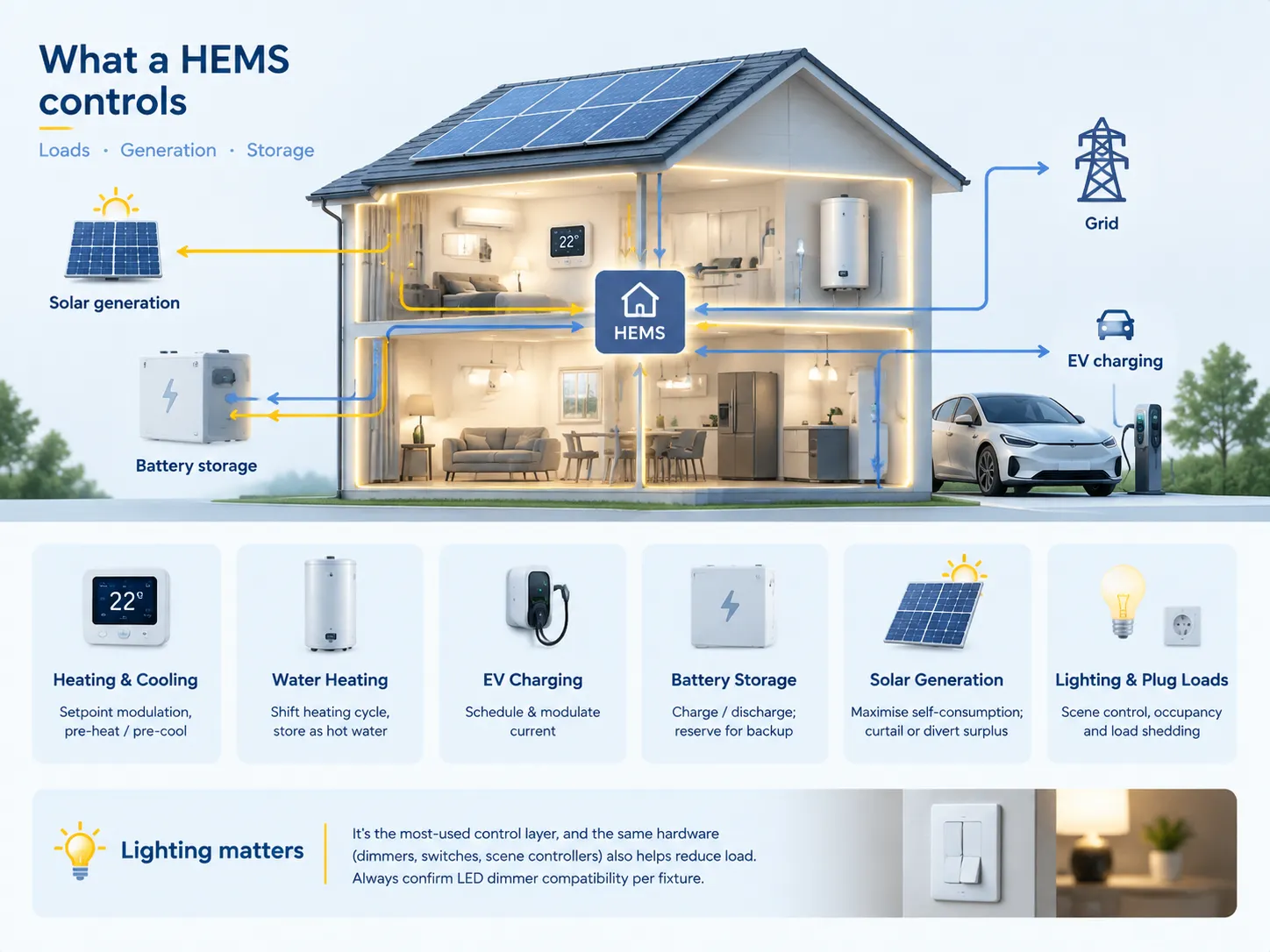
| Heating and cooling | Setpoint modulation and pre-heating or pre-cooling ahead of peak tariffs, using thermal mass as storage | Requires a communicating thermostat or a heat pump with an open control interface |
| Water heating | Shift the heating cycle to cheap or surplus-solar hours; store energy as hot water | Needs a relay or a heat pump with scheduling; tank size sets the storage limit |
| EV charging | Schedule to off-peak or solar surplus, and modulate current to stay below a site limit | Depends on the charger supporting external current control, e.g. via a control pilot signal |
| Battery storage | Charge on cheap or surplus energy, discharge at peak; reserve capacity for outage backup | Dispatch access is usually via the manufacturer’s API or a certified control protocol |
| Solar generation | Maximise self-consumption; curtail or divert surplus to hot water or the battery | Inverter communication is the bottleneck; not all inverters expose real-time output |
| Lighting and plug loads | Scene and schedule control, occupancy-based switching, and load shedding of non-critical circuits | Smart devices need stable power and, for switches, a neutral conductor |
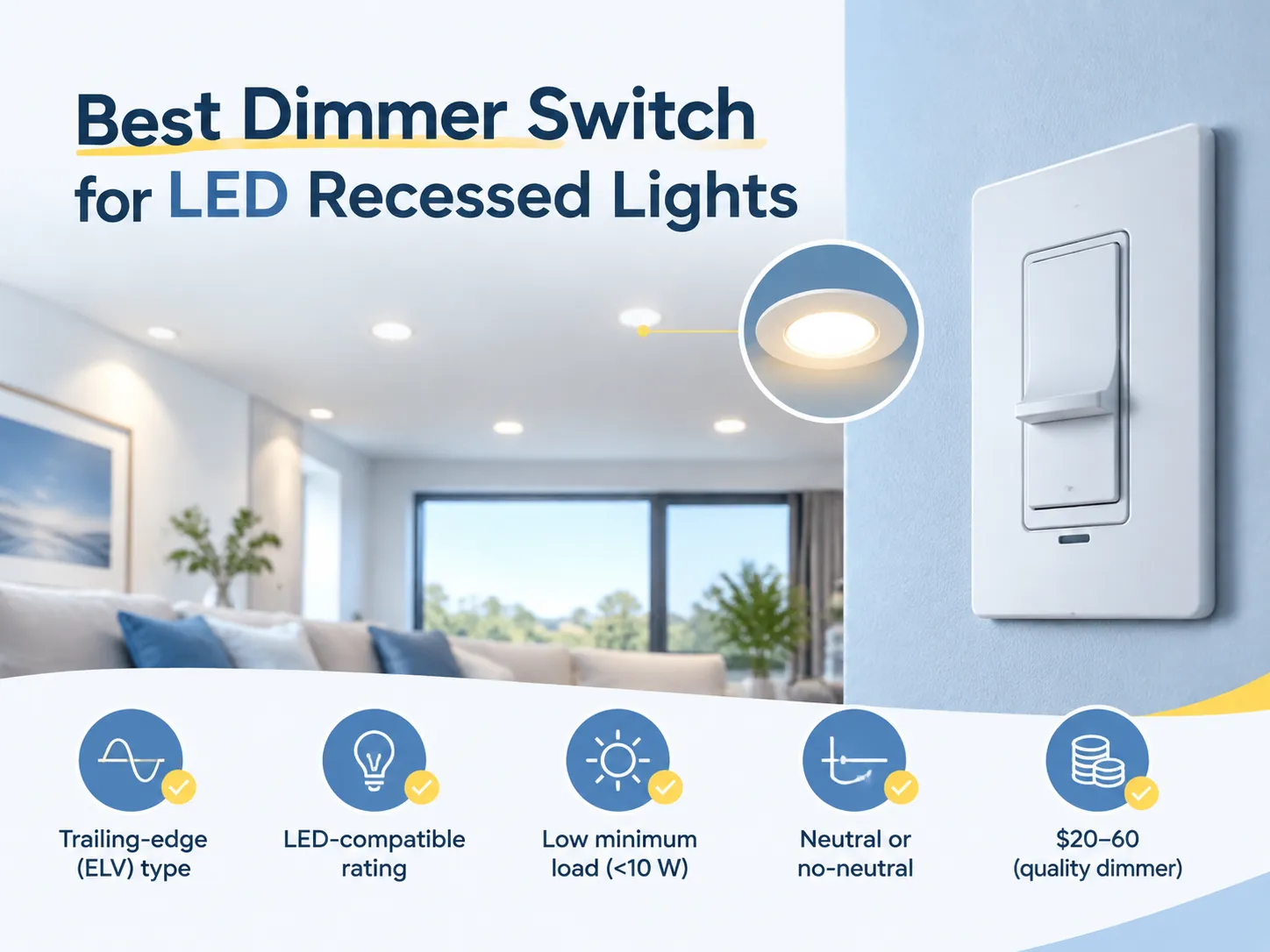
Although modern all-LED homes may not have much of an effect on lighting, the most common mechanism (known as actuation) the household uses to activate electric lighting is through lighting control systems. The most significant means of activating electric lighting are through dimmers and switches, and these are also used by the energy layer when it is trying to reduce loads.LED loads are also electrically different from the incandescent lamps that dimming circuits were originally designed for: the driver electronics inside a lamp misread the waveform from an incompatible dimmer, which is why LED dimmer compatibility has to be confirmed per fixture before a control platform is finalised, not discovered afterwards.
Tariffs, demand response and virtual power plants
How much money homeowners save by using all-electric heating is really determined by the electricity tariffs (the amount the utility charges for electricity use), as well as whether or not a utility has a peak period and what it’s charging for that peak.Electricity tariffs have historically been determined based on when the utility has excess capacity and wants homeowners to use that capacity to help smooth out their peaks. Currently, with the changing nature of the electricity market and utilities’ use of smart grid technologies, many tariffs are becoming more and more closely aligned to actual wholesale prices of electricity.Utilities in most areas of the U.S. have historically charged homeowners the same tariff for all use, but in regions with a peak load, they increasingly charge homeowners more to use electricity at peak times and less for using the same amount of electricity at off-peak times, since the utility using its own generation and transmission system has to continually monitor and control the peak load to ensure the system remains stable.
In addition to the electricity tariff, utilities have begun to use some of the technological advancements of the smart grid to offer homeowners incentives to reduce their consumption of electricity at times when system use is at a maximum. For example, a utility can pay homeowners to decrease their demand during a system peak to reduce the amount of utility-generated power needed to meet customer electric demand. Utilities can also aggregate many homes into what is known as a virtual power plant, which, like a traditional peaking plant, has a large quantity of battery and heat pump capacity that utilities can call upon to help smooth out their electric demand peaks. As such, utilities now place more value on the ability to integrate the numerous types of devices that residential customers may have installed in their homes — so a virtual power plant can be created from a variety of types of electric devices.
The regulatory environment is also having an effect on what direction utilities are heading regarding demand response programs. The implementing of “smart” efficiency programs, the adoption of rebates and tax incentives for homeowners making energy-efficient upgrades, and the upcoming rollout of electricity consumption-based rebate programs in the U.K. will collectively help lower the cost of the hardware associated with demand response programs for homeowners.In conclusion, the concern for homeowners is whether or not the tariff offered by their local utility is actually advantageous for controlling enhanced performance hardware and devices (e.g., heat pumps, smart appliances), and whether or not the utility or aggregator will compensate homeowners for providing flexibility through the use of such devices.
Interoperability: Matter, OpenADR and the wiring that still has to exist
Fragmentation has long hindered this product area. Solutions that help eliminate fragmentation exist at two levels. One layer is the Device layer where Matter acts as a universal Application Layer above Thread, Wi-Fi, and Ethernet. Therefore, a light, lock, and thermostat from three separate manufacturers can all work together within one broader ‘eco-system’. The underlying connection between the devices is Thread, a low-power mesh network technology. The other level is the Utility Interface layer, where two standards, OpenADR and IEEE 2030.5, are often used to provide price and dispatch signals, while inverter and battery integration is usually performed via Modbus or a proprietary Manufacturer API. A good specification of a Home Energy Management System (HEMS) will define which of these two layers it works at, as well as whether or not any of them will operate when the Internet is down.
The presence of software layer Interoperability does not result in the physical aspect of installation, which constrains many more projects than any existing protocols do. For example, the majority of smart switches and smart controllers require a neutral wire at the switch box, since these devices continually consume some power from the mains to operate and maintain communication with their radios. Any dwelling constructed prior to 1980 typically did not have a neutral wire in the switch loop; therefore, there is no amount of commissioning available that will replicate a missing wire. The compatibility check between neutral and non-neutral smart switches is therefore a survey step, not a purchasing detail — and it is the single most common reason a whole-home control plan has to be revised after the electrician opens the first box.
Why coordinated systems save more than single devices
Research on efficiency continues to show that independent smart devices have minor impacts on energy savings and that coordinated devices provide significantly greater savings. The reason is simple; an independent smart thermostat will simply save energy by not heating a cold home. A smart thermostat as part of a home energy management system will instead allow the home to be warmed with the excess energy from cheap afternoon solar energy so that it can remain at a comfortable temperature for the peak rate evening, taking advantage of the thermal properties of the home itself as storage. While the physical device has not changed, the value derived from the device is greater due to the capability to make decisions about when to operate the device based upon availability and costs rather than based upon a predetermined time for operation.
Hence, the best way to determine whether a proposal is viable is by examining what it coordinates rather than examining what it simply installs. A listing of ten independent smart devices that do not coordinate with one another is nothing more than ten different apps.The same hardware behind one controller that knows the tariff, the forecast and the household’s routine is a system — and increasingly the difference between devices is less about the hardware itself than about whether the device exposes its state to something else. Any discussion of what a smart switch is worth in a home ends up at the same place: the individual benefit is real, and it is the smaller half of the story.
Choosing the hardware at the switch plate
The foundation of a Home Energy Management System (HEMS) may not have glitz or glamour, but it contains the definitive components: the switches, dimmer switches, electrical outlets and modules that the control logic actuates. There are four criteria that will determine which hardware is going to be useful in the future and which hardware will become an orphan of a platform change.
- To be viable in the future local control capability is essential; a piece of hardware must be able to operate physically locally (at the plate) even when there is no communication with the hub, the internet or the local area network (LAN) available. A switch that requires an API Call/ Web API/ HTTP Post to be able to turn on a light is a liability in the room it is installed in.
- Devices that utilize standards-based protocols such as Matter or Zigbee will outlast any proprietary protocol. Therefore, certification from either considers long-term value of the device because it indicates that a product will have the option to connect to devices manufactured by other companies as well as have a longer service life than the App it is packaged with.
- Load rating and dimming type are critical to ensuring that the proper device is selected to operate correctly. For example, LED lighting, ceiling fan and inductive motor loads require different devices. An LED load should only be operated using trailing edge dimming, and to control speed of a ceiling fan requires a specific, dedicated controller.
- Safety certification and thermal design should supersede any other criteria for purchasing a device; Devices that operate directly from line voltage and typically have an embedded radio create heat (due to the power required to operate the radio). Therefore, safety certification and thermal margins are more important than the feature set of the product.
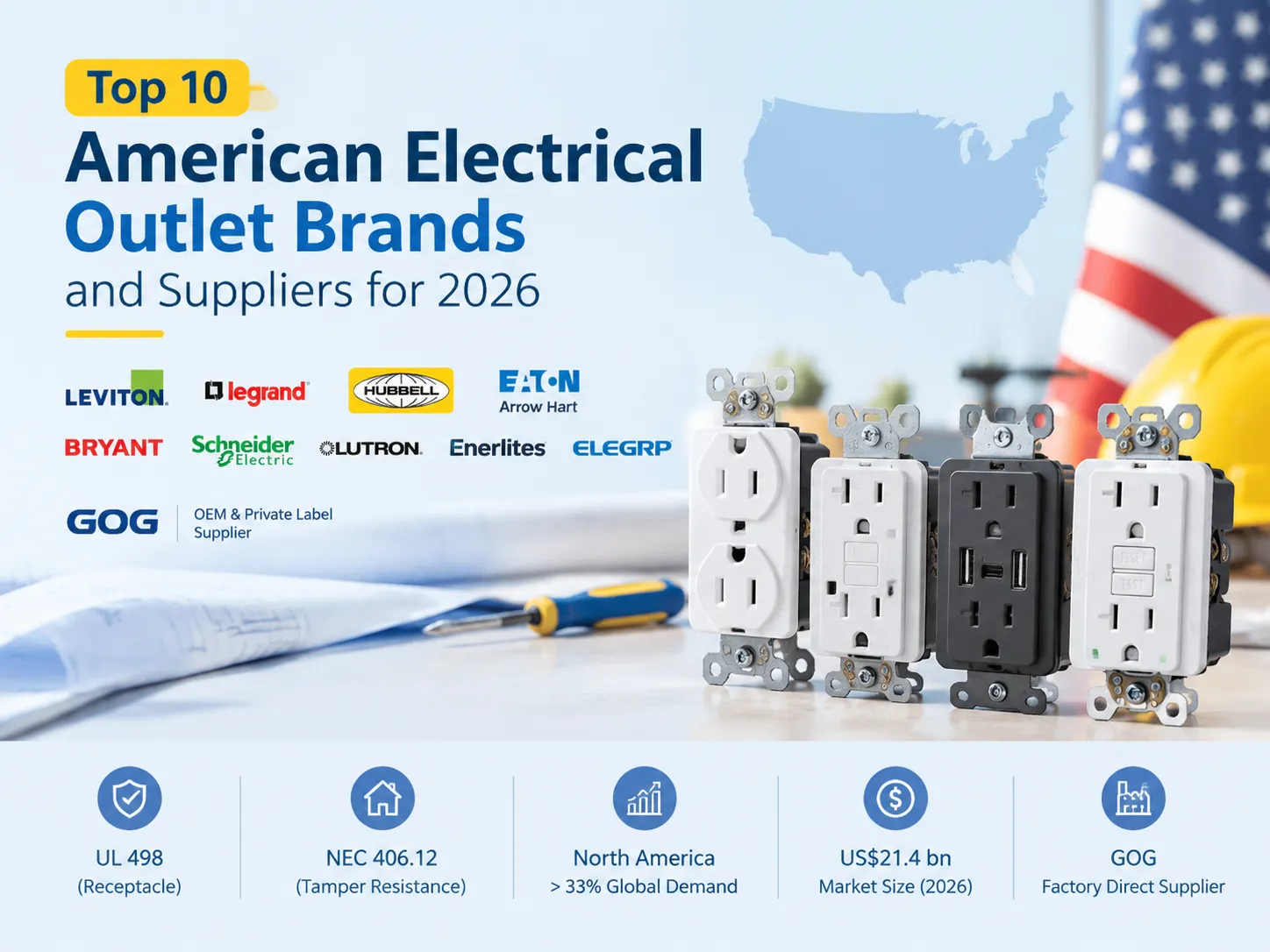
The market for these devices splits into platform brands, consumer brands and specialist manufacturers who supply through distribution and private label. Robust comparisons of the leading smart light switch families turn on the same criteria above rather than on features, and for projects specifying at volume the deciding questions are rating, certification and repeatability across a batch.
What it costs and what it returns
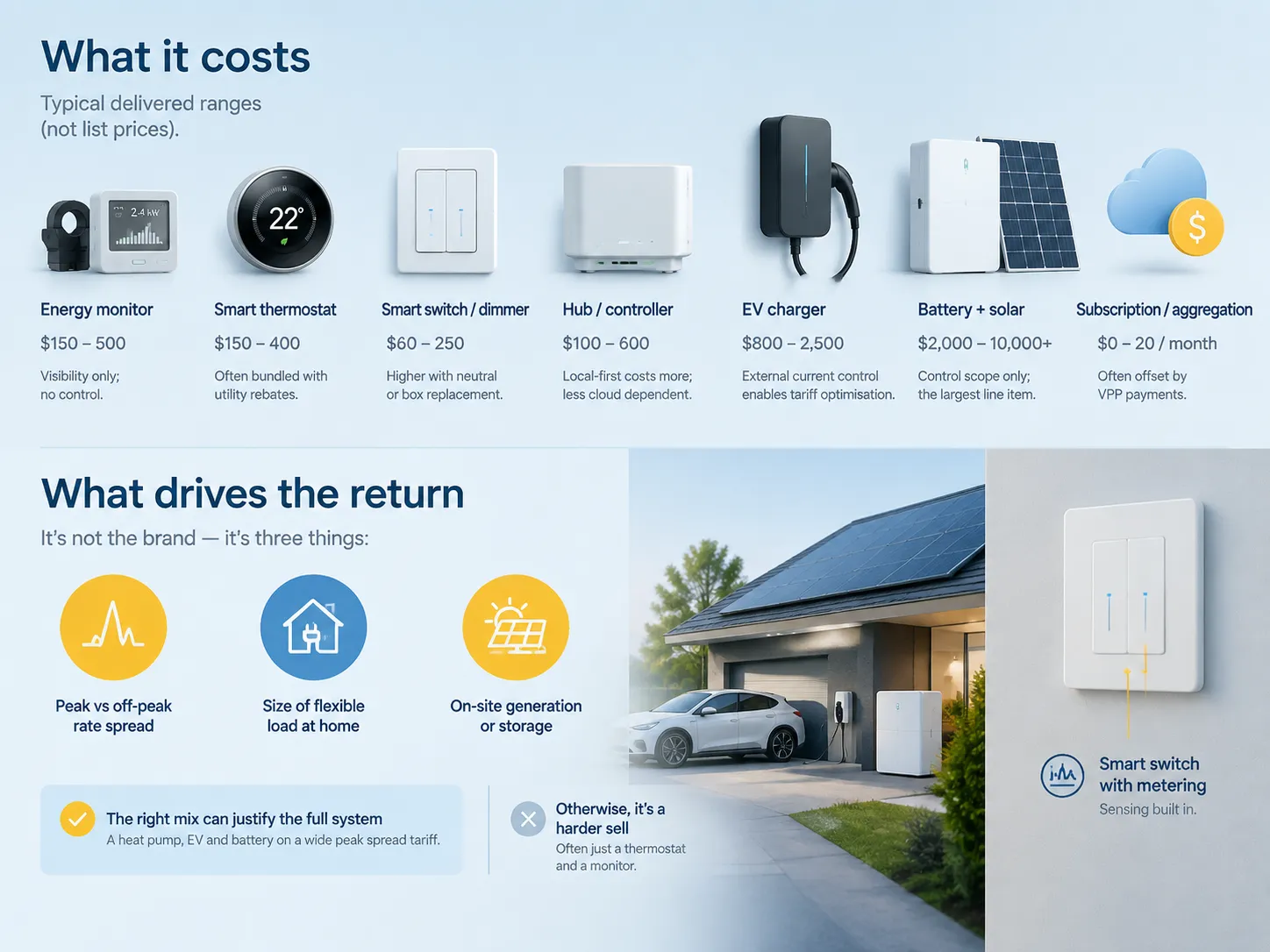
Hardware, integration labour and subscription costs are three types of costs involved in the purchase of an Energy Management System. The typical cost ranges of each type of system and the range of subscription fees are listed below:
| Component | Typical delivered cost | Notes |
|---|---|---|
| Whole-home energy monitor (CT clamp or meter based) | $150-500 | Consumption visibility only; no control |
| Smart thermostat | $150-400 installed | Often the entry point and frequently bundled with utility rebates |
| Smart switch or dimmer, per location | $60-250 installed | Higher where a neutral must be pulled or a box replaced |
| Hub or controller | $100-600 | Local-first controllers cost more and depend on the cloud less |
| EV charger with managed charging | $800-2,500 installed | External current control is the feature that enables tariff optimisation |
| Battery plus solar integration and commissioning | Quoted per project; commonly $2,000-10,000+ for the control scope alone | The largest single line item, and the one that justifies the rest |
| Subscription or aggregation service | $0-20 per month, sometimes revenue-shared | Increasingly offset by VPP participation payments rather than charged outright |
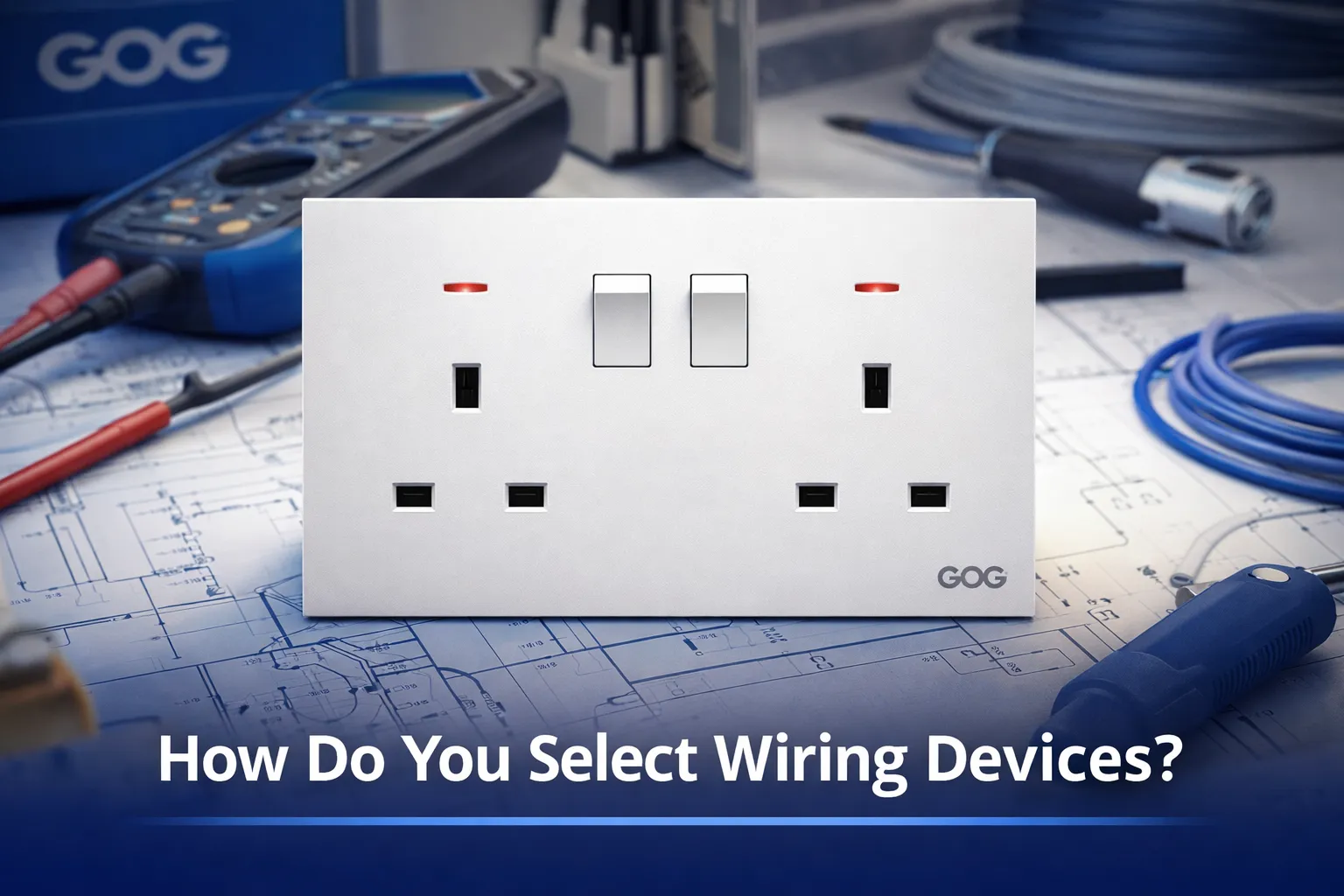
The return on investment for an Energy Management System will be influenced by three independent factors unrelated to the manufacturer or supplier of the Energy Management System – The difference in energy prices between peak and off-peak times; the amount of flexible load (capacity) available from the home’s electrical system; and the presence of on-site generation or storage capacity (i.e., solar panels or battery bank). A home that utilizes a heat pump, an electric vehicle, and a battery charger along with a tariff with a high peak/off-peak price spread will have sufficient justification to purchase a complete energy management system. Conversely, a home that does not have any of these systems will only have justification for purchasing a thermostat and a monitor for its energy management needs.Devices that carry the energy data themselves are part of this picture, which is why monitoring is increasingly built into the wiring device rather than added as a separate box — a current-generation two-gang smart light switch with metering illustrates how much of the sensing layer now ships inside the hardware that was going on the wall anyway.
What goes wrong: five real limitations
- The first major challenge in every survey of all markets is the upfront cost versus uncertain future savings. Although the individual hardware pieces have a low cost, collectively they are expensive, and the payback for the collective hardware depends more heavily on the shape of the utility rate structure than on the equipment itself.
- In addition to these first two challenges, there are several less significant challenges, including legacy appliances and wiring. If appliances do not have communication capabilities, they cannot be coordinated with each other, and the cost of retrofitting them to include such capabilities usually outweighs the perceived value. The missing neutral challenge discussed in this paper is an example of the wiring equivalent to this same issue.
- The fragmentation of compatibility between various brands of appliances and solar inverters, which has not yet been completely addressed by Matter. While Matter has improved interoperability between devices at the application level, it continues to be true that battery dispatch, inverter data, and utility signals usually exist in separate, proprietary formats.
- There is a significant lack of qualified installers. The majority of the technical work involved in installing HEMS comes from two trades: electrical and IT integration. Therefore, there is a shortage of technicians who possess skill sets in both fields. This increases the amount of time spent on each project and therefore increases the labour costs of doing so. The addition of a site survey process prior to design will help to eliminate most of the rework associated with HEMS installations.
- The issues surrounding data privacy, security, and trust in automation continue to be of great concern. The HEMS stores considerable amounts of information about each consumer’s occupancy patterns, appliance usage, and grid identity in some cases. Thus, despite the need for privacy by design, transparent and fully informed consent to provide individual data and trust that automation will not create erroneous outcomes, it is still the case that these should all be conditions of procurement rather than optional benefits, and this becomes particularly true when there are established consumer data rights being implemented or enforced.
FAQ
Is a smart home the same as a home energy management system?
That’s incorrect. Smart homes are collections of connected devices (such as thermostats, lights, appliances) that you can control anytime, anywhere via an internet connection. The HEMS provides coordination for all of the smart devices within the home, allowing users to monitor the home’s total energy use, billing information (tariff) and anticipate future energy generation, using all available smart devices to optimize performance based on a user-defined goal (cost-savings or self-consumption). While most smart homes do not have a HEMS, every HEMS includes at least one smart device.
Do I need solar or a battery for a HEMS to be worth it?
You do not have to be concerned about this; however, using a time-varying tariff along with a flexible load will make paybacks much more compelling than the other combination of EV chargers and heat pumps that rely on TOU rates because in this case, the scheduling and monitoring hardware may be justified by just these two pieces of equipment working together. Without these two pieces of equipment working together, you will have only limited value through the benefits of consumption visibility and a small amount of load shifting, and therefore, you will likely only need to have a thermostat and a monitor rather than the full platform that would provide the most benefit.
Will a HEMS still work if the internet goes down?
Without a doubt, how a vendor structures their system will have the greatest impact on your ability for your users to be optimised and to retain full real-time manual control via their application. For cloud-based systems (e.g. anything running in a data centre), there is often a loss of the ability for manual intervention and optimisation as a result of their reliance on cloud infrastructure. Local-first systems on the other hand allow you to keep all of your scheduled programs, scenes and operation of physical switches within the confines of your own home. If you plan on using any of your systems for safety-critical or comfort-critical purposes, you should always require that there is a local control of the core functionality of that system to ensure that you can execute your system at any time in the exact manner you choose to fit your needs.
Can a HEMS be installed in an older house?
In general, smart switches should work on existing wiring and be easy to install; however, there are two things to consider before purchasing your equipment. First, many smart switches require a neutral wire in the switch box. Some homes built before 1980 may not have this neutral wire available in the switch boxes; therefore, you may need to conduct a home survey prior to ordering your hardware (smart switch). Secondly, some older HVAC systems and hot water heaters lack a control interface, and thus, you will need to provide control of these systems using relays at their respective circuit positions instead of via a smart switch or smart device.
References
- Connectivity Standards Alliance — Matter Specification and Ecosystem Overview
- OpenADR Alliance — OpenADR 2.0 and 3.0 Demand Response Standards
- International Energy Agency — Buildings and Electricity Demand Analysis
- American Council for an Energy-Efficient Economy — Smart Home Energy Management Savings Research
- US Department of Energy — Residential Demand Response and Grid-Interactive Efficient Buildings
- European Commission — Energy Performance of Buildings Directive and Ecodesign Requirements
- Smart Energy GB — Time-of-Use Tariffs and Smart Meter Data in Great Britain
Conclusion
The market for energy management smart home devices is about to become more than a mere product; it will soon become a fundamental part of a business. According to estimates, the market size in 2026 is expected to be between $3.9 billion and $5.8 billion, and it may double or triple in the next 10 years. The simple process for creating an energy management product for smart homes in 2026 is not that exciting. First, it will be necessary to examine the entire wiring in the house, starting with the neutral connections in the switchboard. Then, it is better to apply local control instead of cloud control. Third, all the instruments in the energy management system should be checked as to their suitability for the load and environment they are meant for. And fourthly, decide how much intelligence is required. If you do these four things correctly, you do not need to be worried that your home will not work after your choice is replaced.