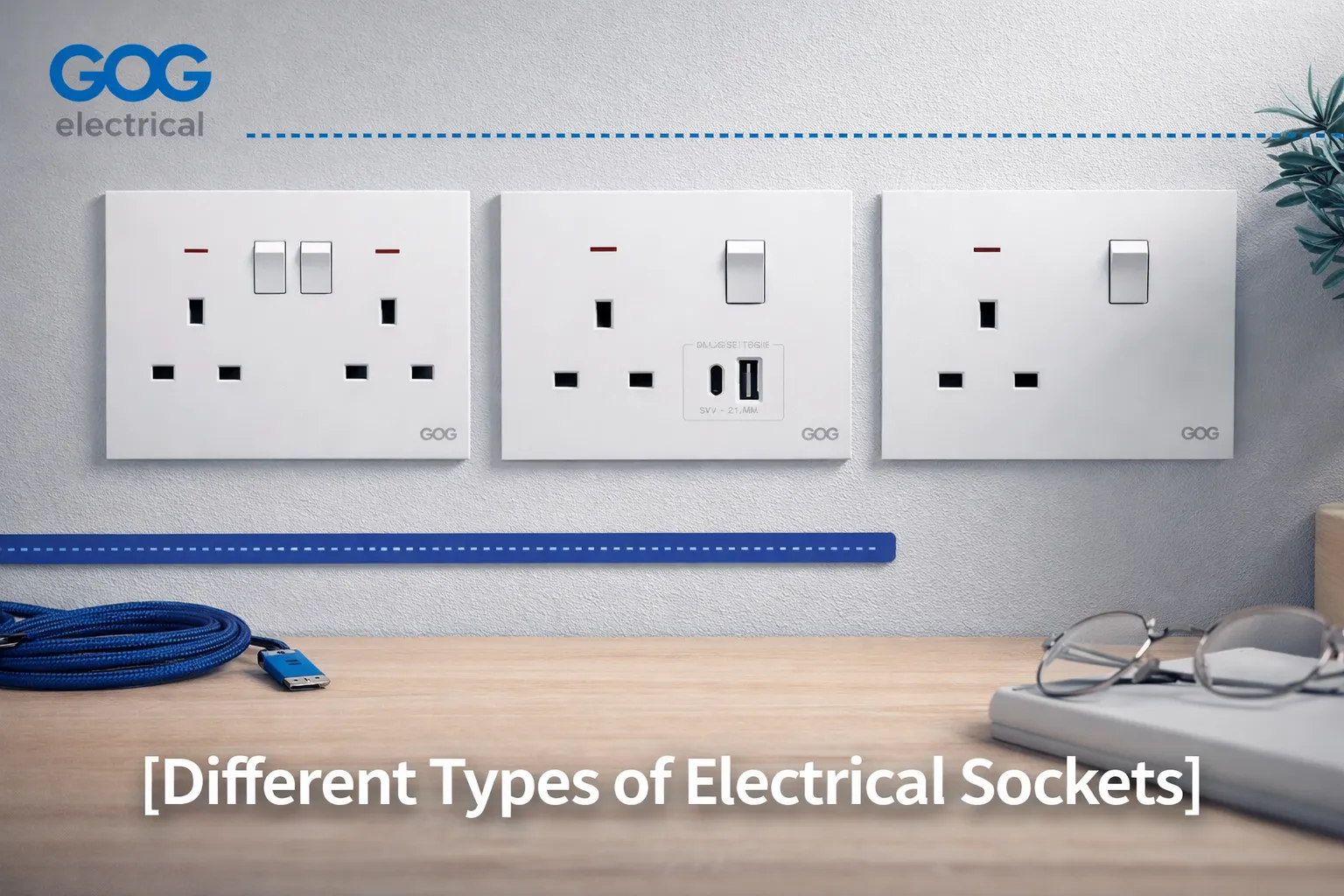
When choosing wiring devices there is much more to consider than simply selecting a basic switch or plug from a shelf. The selection of your device will impact directly on safety, performance and long term reliability. This will have significance to all customers, be they contractors, distributors, or homeowners upgrading to a new product. Having knowledge of what to consider when choosing electrical wiring components will help avoid costly errors and will help you conform to electrical codes.
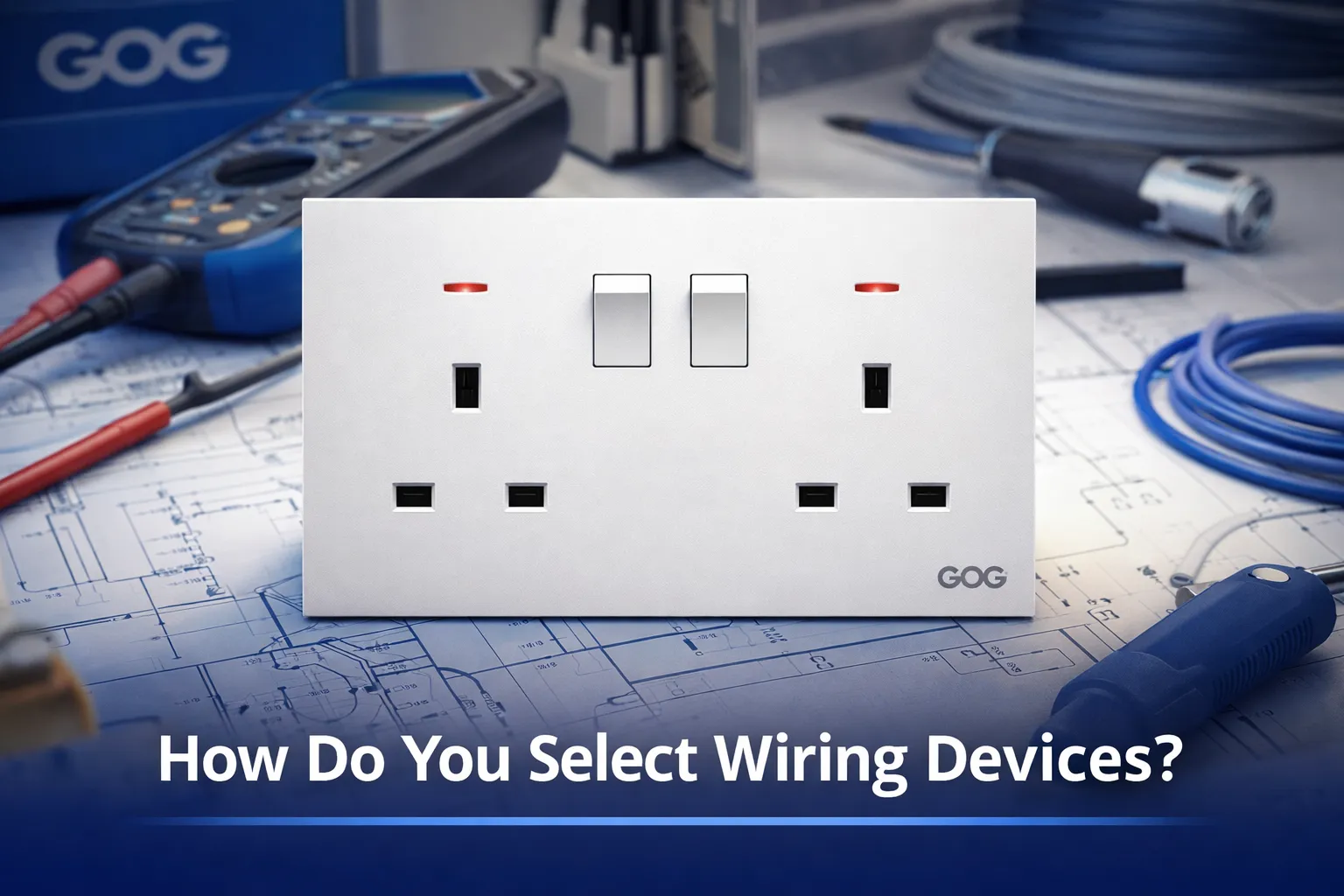
What Are Wiring Devices And Why Are They Significant?
Wiring devices are a category of products that allow you to control or deliver electrical energy throughout a system. Examples of wiring devices include switches, receptacles, dimmers, plugs, connectors, and accessories such as wall plates. By selecting the correct wiring device, you can enhance safety while providing for an improved user experience, durability, and ease of operation.
If you select the wrong device, you could create hazards such as overheating, short-circuits, and/or fire. So when choosing your electrical wiring device it is important to assess the intended application use, loading requirements, and environmental conditions.
Considerations When Selecting Wiring Devices
1. Application Environment
Different applications require different specifications. For example, if you are choosing an outdoor or industrial device, you may need a heavy-duty device or a weather-resistant device; whereas with residential applications, you may need to focus more on aesthetics or ease of installation.
2. Electrical Load and Rating
Make sure the rating of the device (in amperage and voltage) matches the needs of the circuit. If not, this can create overheating or failure of the device.
3. Compliance and Certification
Select devices that have met the criteria established by UL, NEC, or IEC. Certified products ensure safety and reliability.
4. Quality of Materials
The durability of thermoplastics and metals makes them suitable for high-traffic or heavy-use applications.
5. Ease of Installation
Modern wiring devices provide the ease of installation with a back-wiring feature and push-in terminals, which minimize installer errors.
Types of Wiring Devices
There are many different types of wiring devices on the market, designed for specific functions. These include:
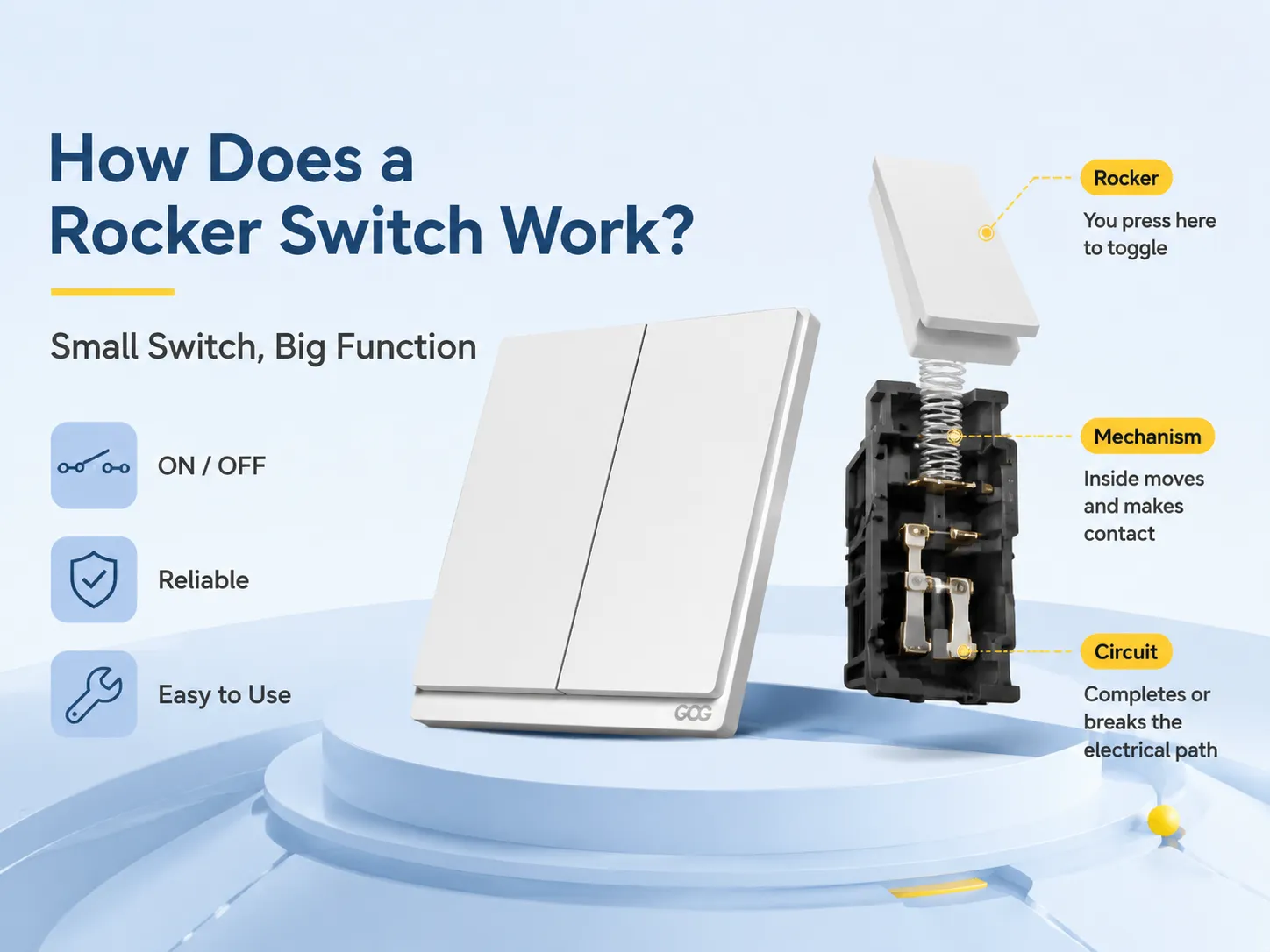
- Switches (toggle, rocker, smart switches)
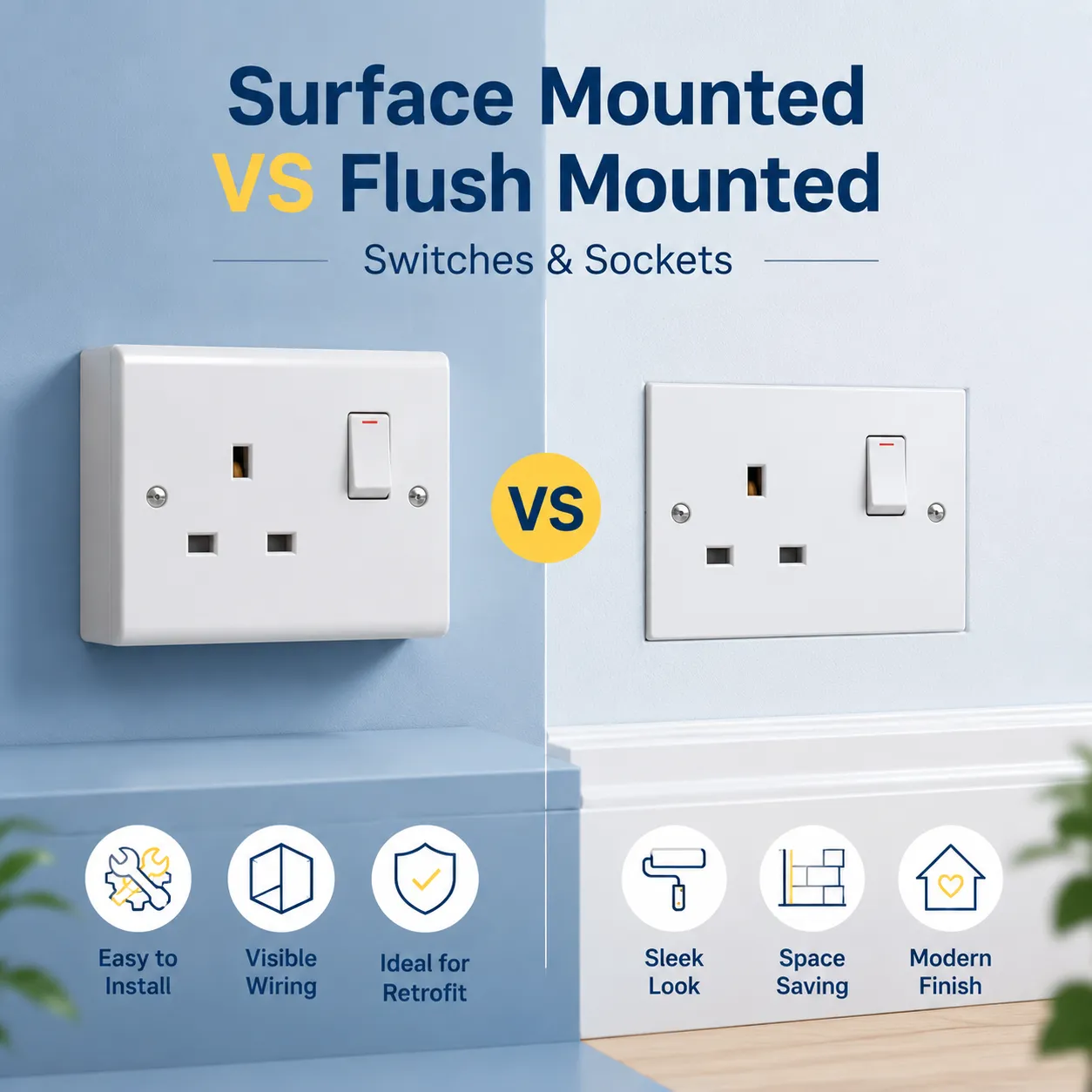
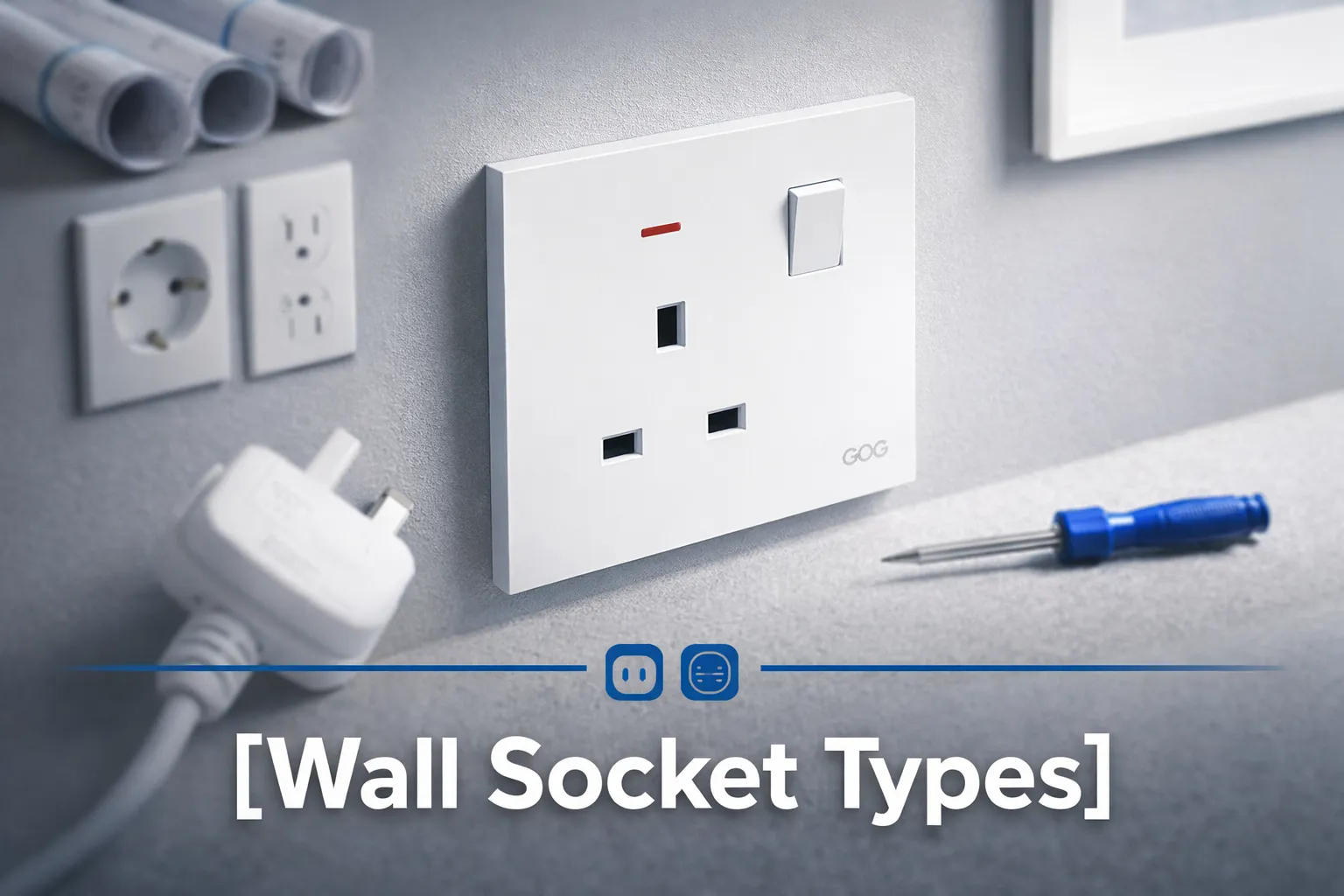
- Receptacles (standard, GFCI, AFCI, USB outlets)
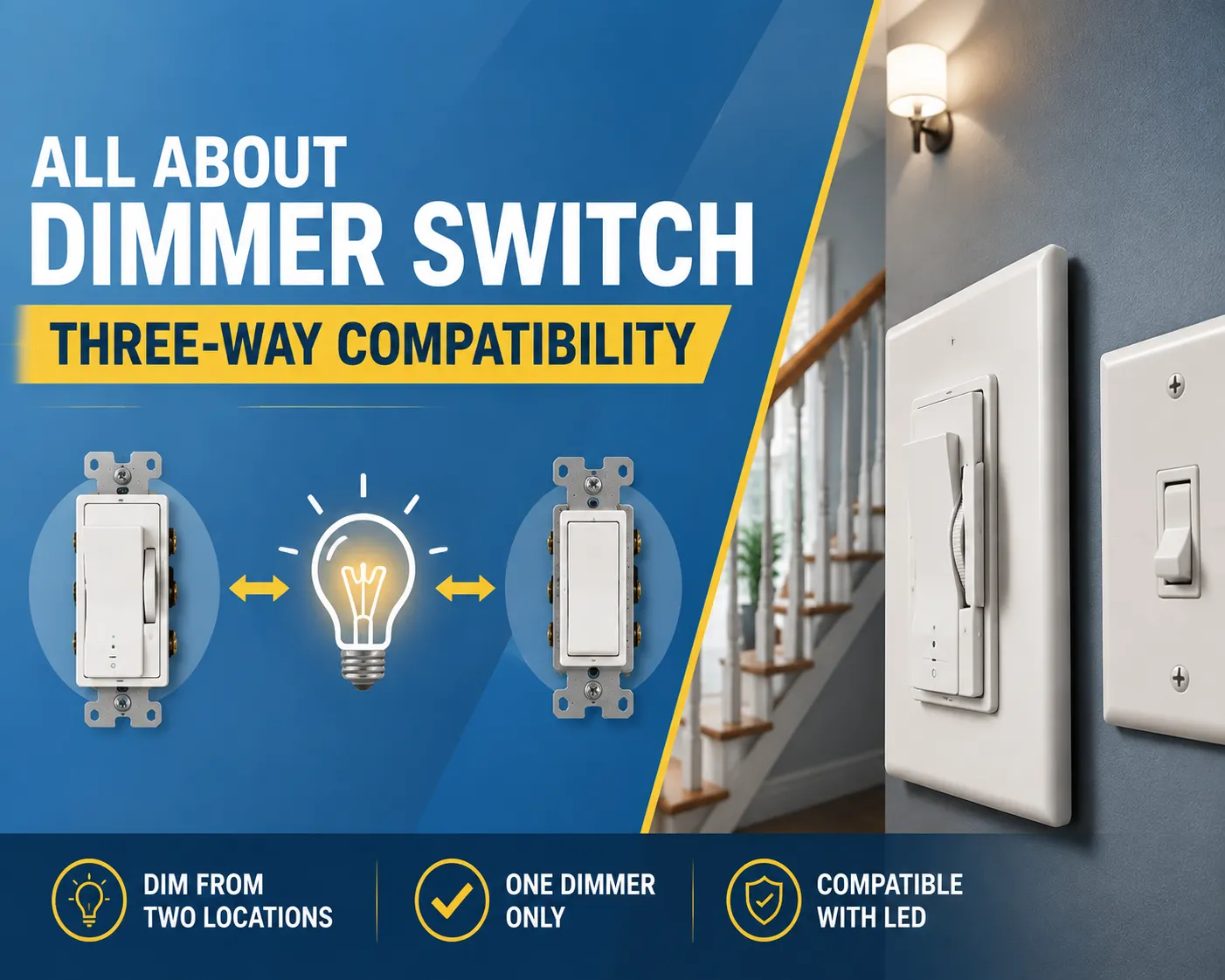
- Dimmers and lighting controls
- Plugs and connectors
- Wall plates and covers
To select the right wiring device, you need to understand your project’s specific requirements.
Understanding Wiring Types
To properly select a wiring device, you’ll need a working knowledge of the types of wires and cables that the device will connect with.
Types of Wire
Electrical wire types are classified by the type of insulation and application, such as THHN, non-metallic (NM), and underground feeder (UF). Each type has specific conditions and load capacities it can handle.
Types of Cable
Cables are composed of multiple wires bundled together. Common types of cable include armored cable (AC), coaxial cable, and fiber optic cable. The devices and cables being connected need to be compatible to operate safely and efficiently.
12-Gauge vs. 14-Gauge Wire: What Are They?
Understanding wire gauge is key for choosing compatible devices:
12-gauge wire supports up to 20 amps and is generally used in kitchens, bathrooms, and high-load circuits.
14-gauge wire supports up to 15 amps and is typically used for lighting and general outlets.
Using the appropriate wire gauge ensures efficiency and reduces risks of overheating.
The Four Rules of Wiring
There are four fundamental rules that electricians must observe for safety and effective installation:
- Always turn off electric power before working on any electrical circuit.
- Use the proper wire size and device rating.
- Ensure that all devices are properly grounded.
- Comply with local electrical codes and standards.
These principles should always be followed when installing or selecting electrical wiring devices.
Common Mistakes
Many people prioritize cost over quality, but purchasing non-certified or incompatible devices can lead to hazards and higher maintenance costs. Mixing different quality-rated devices within the same system can also cause inconsistent performance.
Investing in high-quality wiring devices from reputable manufacturers ensures safety and long-term savings.
Choosing a Supplier
Partnering with a reliable supplier is critical for ensuring quality and consistency. Look for suppliers that offer:
- Consistent product quality.
- Compliance with international electrical standards.
- Technical support and customization options.
- A stable supply chain with fast delivery.
This is essential for contractors and distributors who rely on dependable sourcing.
FAQ
What types of electrical wires are there?
Different types include THHN, NM cable, UF cable, and armored cable, each designed for specific conditions and uses.
What are the four rules of wiring?
Turn off power, use the correct wire size, ensure proper grounding, and comply with local electrical codes.
What types of cables are there?
Common cable types include armored cable, coaxial cable, fiber optic cable, and multi-conductor cables.
What are the electrical ratings of 12-gauge versus 14-gauge wire?
12-gauge wire supports up to 20 amps, suitable for heavy-load circuits, while 14-gauge wire supports up to 15 amps and is ideal for lower-load applications.
The right selection of electrical wires and devices depends on your specific needs, the compatibility of components, and choosing a trusted supplier. Doing so ensures safety, efficiency, and long-term durability in your electrical systems.