The first thing that people don’t think about when installing light switches is how the height of the light switches will affect the look of the electrical components in your home. The height of the light switch is an important part of how the overall design and function will work for your home. It is important to be familiar with how the height should be when constructing a new home, remodeling an existing home, or just knowing where the standard heights for light switches should be.
What Are the Standard Heights for Outlets and Light Switches?
The United States standard light switch height from the finished floor level to the middle of the light switch is generally 48 inches. The standard was determined based on functionality and is within reach of both adults and children and doesn’t compromise on ergonomics. The installation height of the receptacle outlet is also very similar to the height of the light switch. The standard is typically 12 inches from the finished floor level to the middle of the outlet receptacle.
In other public or commercial buildings where the building needs to be ADA (Americans with Disabilities Act) compliant, light switch height generally needs to be in the range of 15 – 48 inches from the finished floor level to the center of the switch for a person to use who is in a wheelchair or has some other type of disability affecting their ability to stand or walk normally. Before you move forward with any installation of light switches verify with local governing bodies the requirements for compliance with the current rules.
Factors that Affect the Location of Light Switches
Even though the height of light switches typically is the same there may be instances when it’s necessary to adjust the height of a switch so that it is comfortable and functional.
Examples of circumstances which could require varying switch heights:
- Room Type: For instance, the height of the light switch in a bathroom or kitchen will often be higher than in other types of rooms since the countertop and/or backsplashes, and/or other fixtures would interfere with the continued use of the switch.
- User Needs: People may have varying physical limitations, which would necessitate switching locations. An example would be elderly family members or family members in wheelchairs who would need to have a switch that they could easily access.
- Design needs/considerations: Homeowners sometimes vary the height of their switches without concern for its anticipated use; rather it is strictly related to aesthetics and aligning the light switches to something else, such as framed photographs.
| Circumstance | Why Height Might Change | Visual Example / Note |
|---|---|---|
| Room Type | Switch height adjusted due to room fixtures | Bathroom/kitchen switches placed higher to avoid countertops or backsplashes |
| User Needs | Adjusted for accessibility | Switch reachable for elderly or wheelchair users |
| Design Considerations | Adjusted for aesthetic alignment | Switch aligned with framed pictures or other design elements |
Bathroom Light Switch Height
The height of bathroom light switches will vary based on the layout/design of the bathroom. However, most commonly light switches are located at the entrance of the bathroom or just outside the bathroom door. The height of bathroom light switches must also accommodate the height of the bathroom counter and not interfere with the location of any shelving or towel racks.
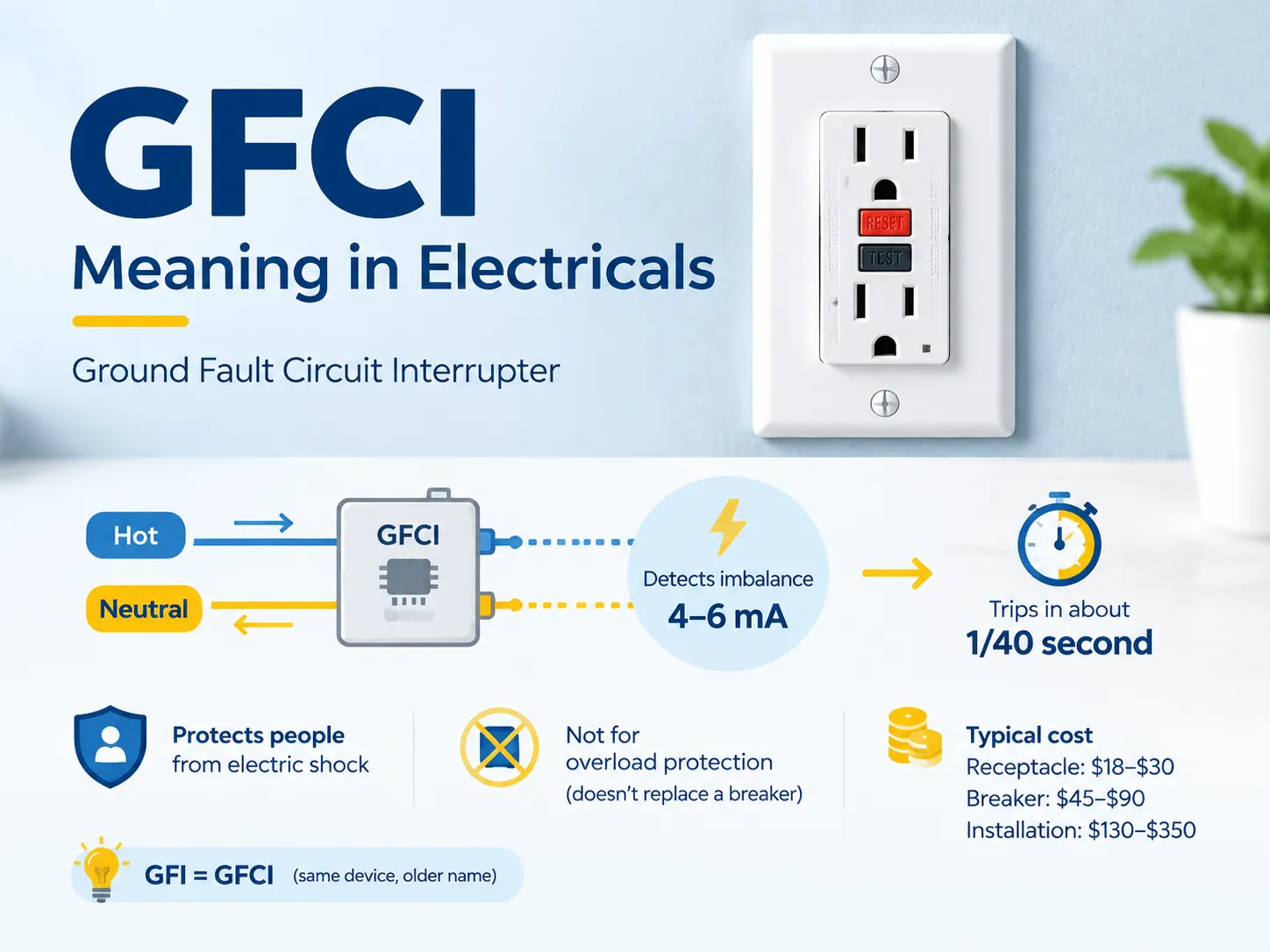
Additionally, placing bathroom switches in wet areas could create a safety hazard; therefore it is best practice to place restroom light switches away from areas that are typically wet. To reduce the risk of experiencing an electrical shock while using a bathroom outlet, you should install GFCIs.
Installation Tips for Light Switch Heights
Here are some practical tips for ensuring proper usability of light switches within homes:
- Measure accurately using a tape measuring tool to be sure that each switch is at the correct height and location according to the established standard, which is off the floor 48 inches.
- Mark where you have decided to put the light switch on your home’s wall so that you can accurately cut and drill holes.
- Test different locations of the switch height with several people in your family until you find a location that is convenient for everyone.
- Always hire a licensed electrician to install light switches to avoid wiring errors and/or code violations.
Are Smart Light Switches Affected By Height?
As smart home technology continues to rise in popularity, many homeowners wonder whether or not the same standards for placing regular light switches apply to these new products. Most long-term smart home users will generally place their smart switches according to the same standards since manual access is usually needed when first setting them or troubleshooting, as well as when using them instead of the app.
However, with the addition of features such as voice control and mobile app integration on many smart switches, the height of the switch does not factor into how you operate them daily.
Common FAQs Regarding Light Switch Height
Below are answers to some frequently asked questions regarding light switch height:
What is the Standard Height of a Light Switch?
The standard height for light switches is 48 inches from the floor to the center of the single pole; this height should work for the majority of people and is standard throughout most residential construction in the United States.
Can I Install My Light Switches at Different Heights?
Yes, you could place light switches at various heights to accommodate individual needs, but you must still adhere to local building codes and the Americans with Disabilities Act (ADA).
What is The Best Height of a Bathroom Light Switch?
The height of bathroom light switches typically complies with national standards of around 48 inches in places that have the most risk of water damage, but your specific situation will determine where to actually install the switch.
Are There Regulations for Light Switches Installed In Commercial Construction?
Commercial construction will generally follow ADA regulations for light switches installed. Specifically, light switches must be installed no less than 15 inches and no more than 48 inches above the finished floor to comply with ADA requirements.
Light switches must be placed in accordance with local building codes; however, placement should be ideal from both a safety and usability standpoint as well as aesthetics. Following established standards or customizing your installation based upon your needs will create functional, safe, and aesthetically pleasing living spaces. You will have established a solid foundation to build upon for comfort and practicality through your understanding of light switch heights and considering additional factors such as room type and accessibility to enhance the quality function and safety of your home.