على الرغم من أن نقل غسالة الصحون إلى المطبخ قد يبدو مهمة بسيطة، إلا أن الواقع قد يكون أكثر تعقيدًا من ذلك بكثير. تم تركيب الجهاز بشكل مريح تحت منضدة المطبخ ووصل القابس إلى المقبس فوق المنضدة. بعد عدة أشهر من العمل دون أي مشكلة، تعرضت الغسالة لعطل مفاجئ بعد أن تلامس الماء من خرطوم غسالة الصحون المتسرب مع المقبس المسطح في المطبخ. ونتيجة لذلك، انقطع قاطع الدائرة الكهربائية، وتم تجنب حريق كان من الممكن أن يحدث بسبب عطل في الغسالة. يمكن لتجربة واحدة أن تعلمنا أن الناس قد لا يأخذون في الاعتبار جميع جوانب وضع منتج جديد—سواء كانت غسالة أو أي جهاز آخر متصل بمصدر المياه. هذه المسألة المتعلقة بما هو آمن وما هو غير آمن من حيث وضع الغسالة تعتبر معقدة، لأن الإجابة بسيطة، ولكن هناك العديد من العوامل المختلفة التي يجب أخذها في الاعتبار في نفس الوقت.
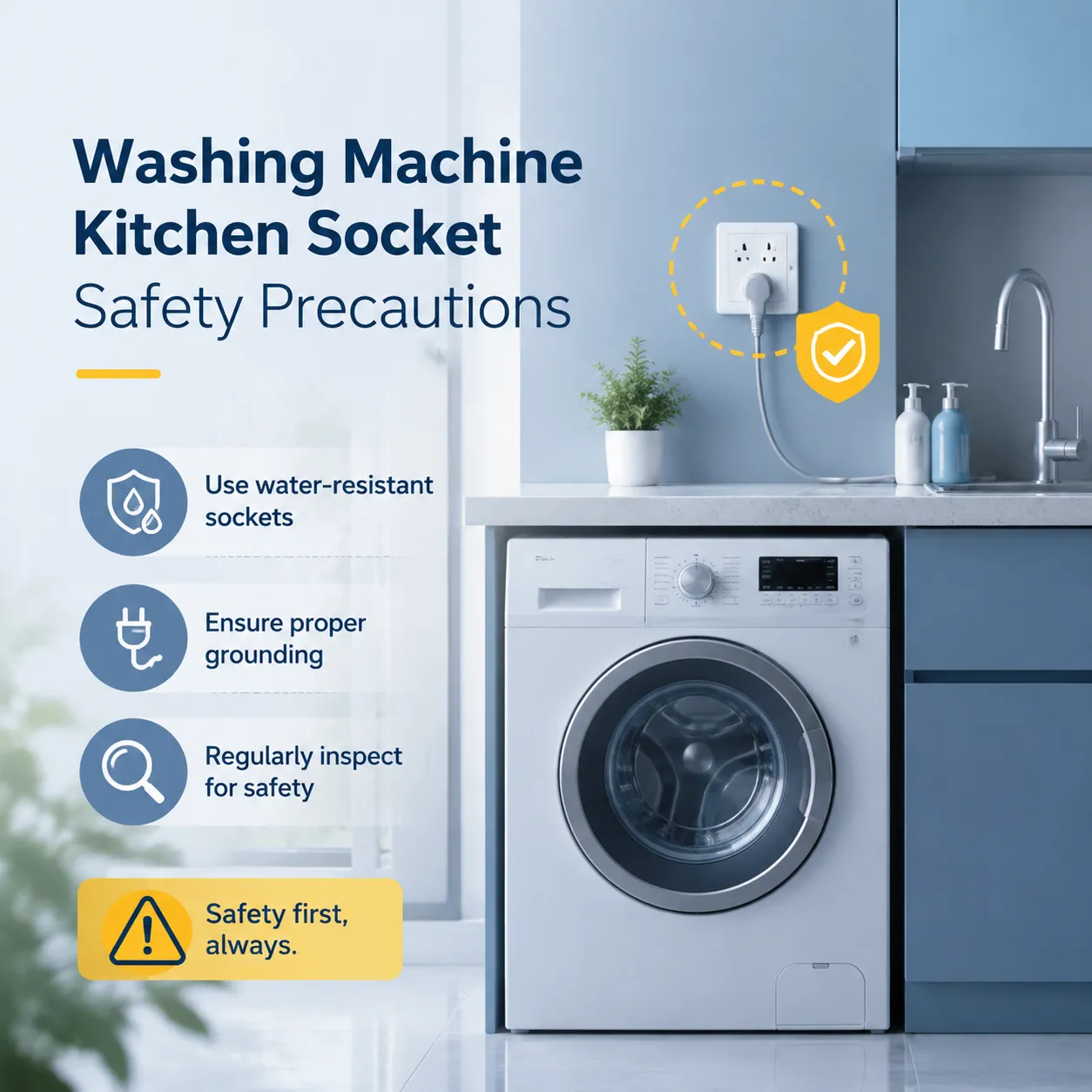
ملخص: فيما يتعلق بنصائح السلامة لغسالة متصلة بمقبس المطبخ، إليكم أهم النقاط التي يجب مراعاتها: يجب أن يكون المقبس على بعد لا يقل عن 30 سم من الحوض أو أي مصدر ماء؛ يجب ألا يُسحب القابس والسلك الخاص بالغسالة عبر أرضية المطبخ، ولا يجب تحميل المقبس بأي حمل؛ يجب أن يكون المقبس من النوع المزود بمفتاح، مما يتيح فصل الغسالة عن المقبس على الحائط دون فصل القابس. هذا إلزامي في المملكة المتحدة (BS 1363) ويوصى به عالميًا. يجب أن يكون الدائرة مزودة بجهاز تيار متبقي (RCD) بقيمة 30 مللي أمبير قادر على فصل الدائرة في حالة التحميل الزائد خلال جزء من الثانية في حال حدوث تسرب كهربائي عبر الماء أو إلى الإنسان.
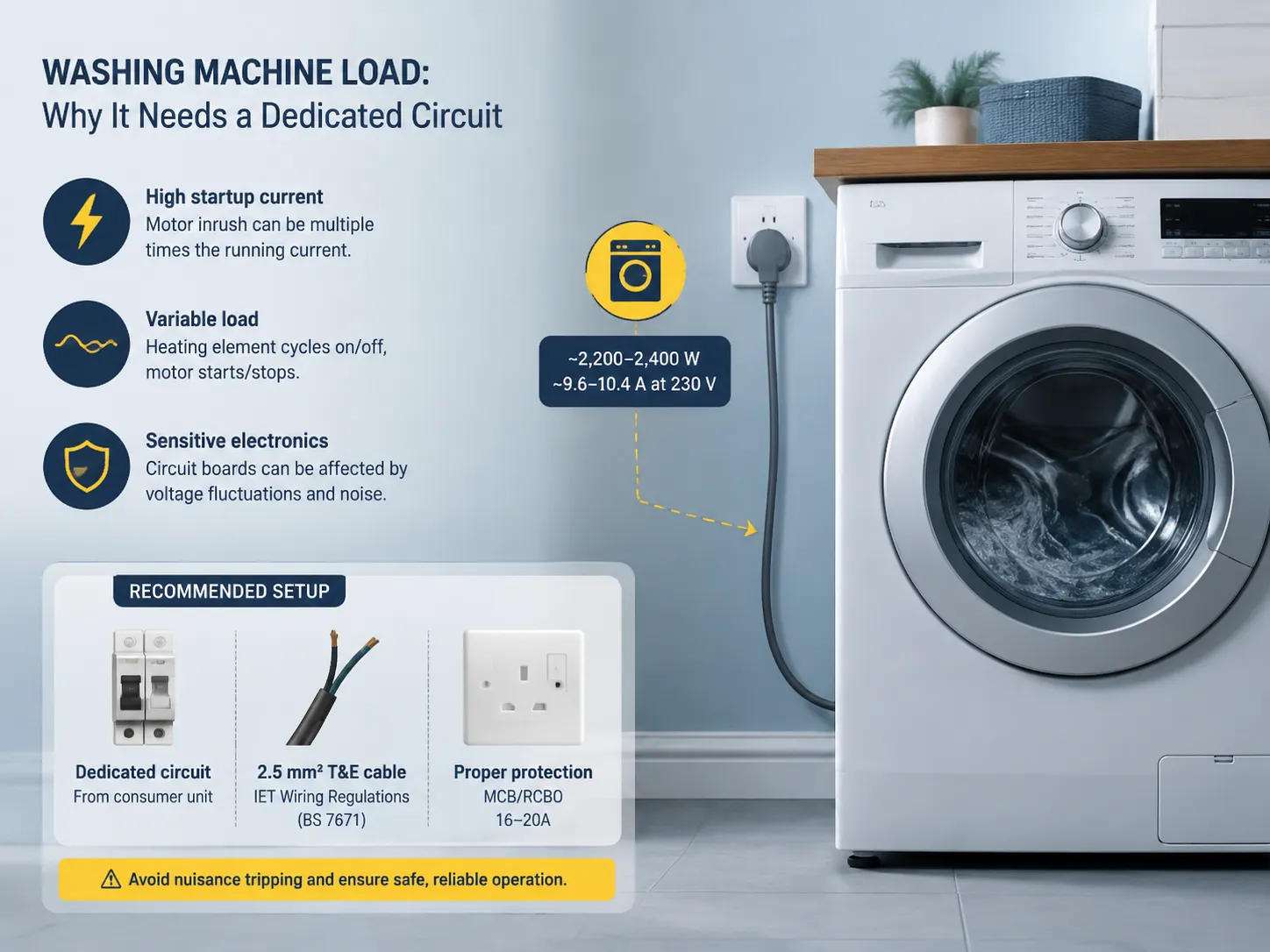
الحمل الكهربائي: لماذا تحتاج الغسالة إلى اعتبار خاص للدائرة الكهربائية
تختلف الغسالة عن الأحمال المقاومة البسيطة مثل المحمصة أو الغلاية. تحتوي على محرك يخلق تيار بدء عالي الجهد عند التشغيل. تستهلك الغسالة عنصر تسخين عالي خلال دورات الغسيل والشطف بالإضافة إلى لوحة دائرة كهربائية تتفاعل مع عدم استقرار الجهد وكذلك الضوضاء الكهربائية القادمة من أجهزة أخرى متصلة بنفس الدائرة. يمكن لغسالة بريطانية نموذجية أن تستهلك حوالي 2200 إلى 2400 واط، مما يعني حوالي 9.6 إلى 10.4 أمبير عند أعلى جهد 230 فولت. على الرغم من أن هذه القيمة تتوافق مع المعايير المحددة في BS 1363 التي تسمح باستخدام المقبس والقابس العادي بسعة 13 أمبير، يجب فهم أن الاستهلاك ليس ثابتًا، مما يعني أن عنصر التسخين يتم تشغيله وإيقافه، ويبدأ المحرك ويتوقف محدثًا تيار بدء عالي جدًا عند التشغيل يمكن أن يكون مضاعفًا لقوة الاستهلاك في وضع التشغيل. إذا شارك جهاز آخر يعمل بمحرك الدائرة مع الغسالة، فهناك خطر من انقطاع القاطع بسبب التداخل.
أفضل طريقة كما نصحت بها لوائح التوصيلات الكهربائية IET (BS 7671) ومنتجو الأجهزة هي توفير دائرة شعاعية مخصصة تنشأ من وحدة المستهلك مع الحماية اللازمة للدائرة والجهاز بواسطة MCB أو RCBO بمدى من 16 إلى 20 أمبير وتوصي لوائح التوصيلات الكهربائية IET باستخدام كابل توأم وأرضي 2.5 مم². من خلال ذلك نلغي التداخل مع الأجهزة الأخرى التي تُستخدم على الدائرة المشتركة مع غسالة الملابس. في حال كان تركيب دائرة جديدة يبدو مستحيلاً من الناحية اللوجستية، فمن المستحسن تركيب أحمال منخفضة فقط على الدائرة المدروسة ثم التأكد من خلال الحساب أن إجمالي قدرة الدائرة يسمح باستخدام استهلاك غسالة الملابس البالغ 10 أمبير. للمساعدة في حساب الحمل، يوفر دليلنا على عدد الواط الذي يمكن للمقبس تحمله الصيغ وقواعد الحمل المستمر التي تنطبق.
موقع المقبس: هندسة الماء والكهرباء
أهم عامل أمان هو المسافة بين المقبس وغسالة الملابس والحوض ومصدر المياه، والتي تحددها كل من لوائح التوصيلات الكهربائية والمنطق السليم. المبدأ الأساسي هنا هو أن يكون المقبس بعيدًا عن مصادر المياه مثل الصنبور وخراطيم غسالة الملابس وأي جهاز يمكن أن يتسرب منه الماء. في المملكة المتحدة، وفقًا لـ BS 7671، يجب أن يكون مخرج المقبس في المطبخ مواجهًا للحوض ويجب أن يكون على بعد لا يقل عن 300 مم (30 سم) منه. هذه هي المسافة الدنيا، وفي حالة المقبس الذي سيخدم غسالة الملابس، والتي تتصل بالماء عبر خراطيم قد تتسرب، فإن المسافة الأكبر أفضل إذا سمح تصميم المطبخ بذلك. يجب أن يفي ارتفاع المقبس بشرط سهولة الوصول إليه، والذي يُفهم عادةً على أنه تركيب فوق سطح العمل على ارتفاع قياسي (450 مم من الأرض) أو على ارتفاع مقابس المطبخ الأخرى. من المهم أيضًا أن يصل قابس وكابل غسالة الملابس بسهولة إلى المقبس. مؤسسة الهندسة والتكنولوجيا (IET) تقدم إرشادات حول وضع المقابس في المطابخ وفي الغرف التي تحتوي على حوض استحمام أو دش، وتنطبق نفس مبادئ الفصل عن مصادر المياه على غسالة الملابس كما هو الحال مع أي معدات كهربائية أخرى في موقع رطب أو مبلل.
حماية RCD: الجهاز المنقذ للحياة الذي لا يجب أن يغيب
أي مقبس أو منفذ قابس الذي يتعلق بأي شيء له علاقة بغسالة ملابس تقع إما داخل المطبخ أو خارجه، في غرفة خدمات، أو في مكان آخر في المبنى يجب أن يكون مُدارًا تلقائيًا بواسطة جهاز التيار المتبقي (RCD). في عام 2008، وضع BS 7671 تنظيمًا يحكم استخدام أجهزة التيار المتبقي في التركيبات السكنية ليتم تطبيقه على مآخذ التوصيل الموجودة في المنازل، وحتى اليوم، يُعتبر الجهاز الأكثر أهمية في سلامة الكهرباء المنزلية. يقوم جهاز التيار المتبقي بمقارنة تدفق التيار عبر السلك الحي والسلك المحايد باستمرار. في حالة تسرب حتى 30 ملي أمبير من التيار إلى الأرض عبر إنسان، أو عبر الماء، أو عبر كسر في الكابل، فإنه سيحدث خللًا لجهاز التيار المتبقي ليقوم بفصل التيار. بالنسبة لغسالة الملابس التي تتكون من الماء والهيكل المعدني بالإضافة إلى المكونات الكهربائية عالية الجهد، فإن وجود جهاز التيار المتبقي هو ضرورة.
سواء لم يكن هناك جهاز التيار المتبقي على دائرة المقبس من وحدة المستهلك، أو كان جهازًا قديمًا قد لا يكون قد منع التيارات الخاطئة بنجاح، فمن الضروري ترقية الجهاز قبل استخدامه. قد يوفر محول التيار المتبقي القابل للتوصيل حماية مؤقتة، على الرغم من أنه ليس بديلاً عن أجهزة التيار المتبقي الثابتة. لفهم كامل لكيفية عمل أجهزة التيار المتبقي وأجهزة RCBO و RCCB ذات الصلة، وكيف تختلف عن قواطع الدائرة القياسية، مقالنا عن الفرق بين RCCB و RCBO يغطي الوظائف الوقائية ومعايير الاختيار.
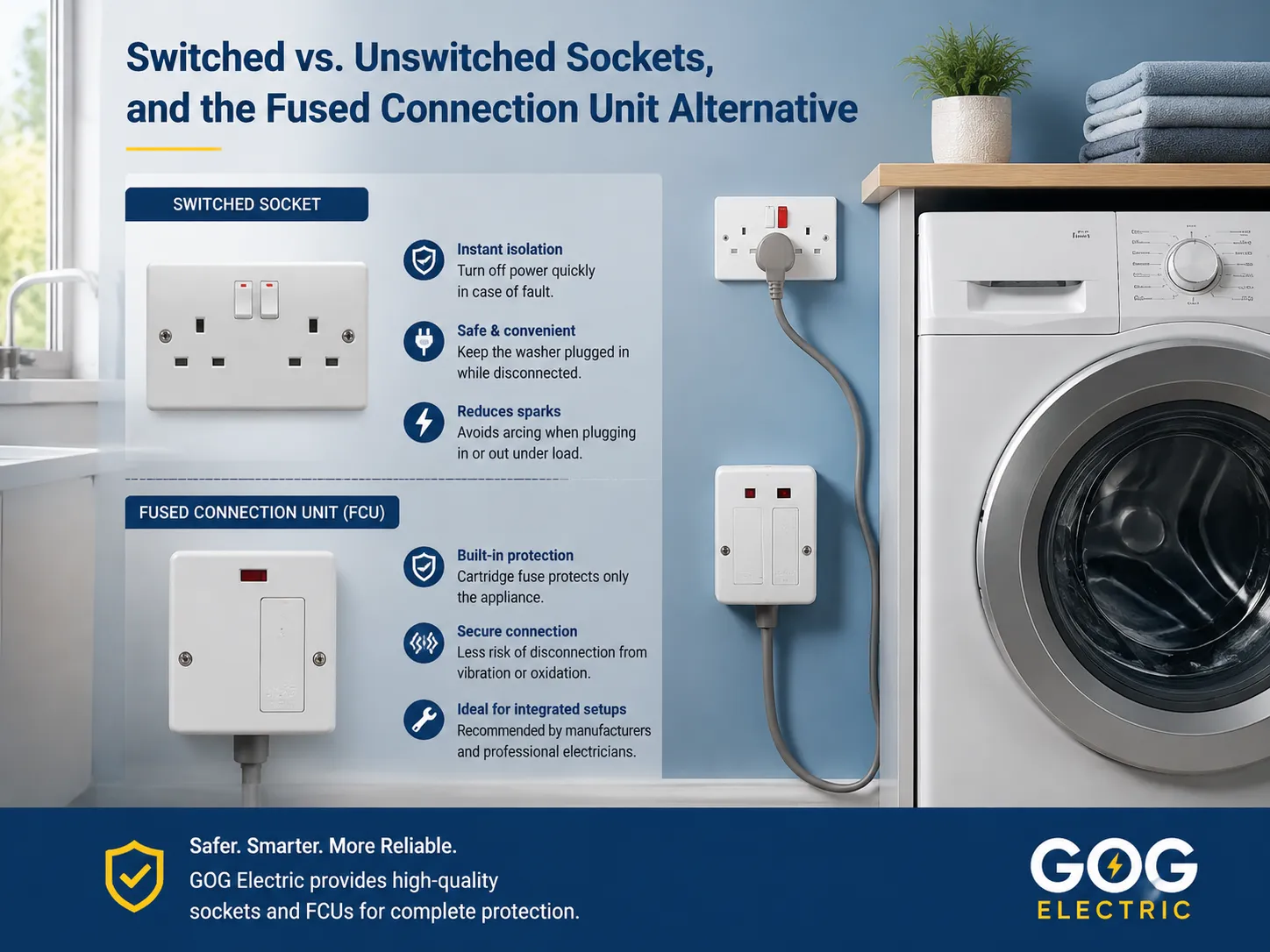
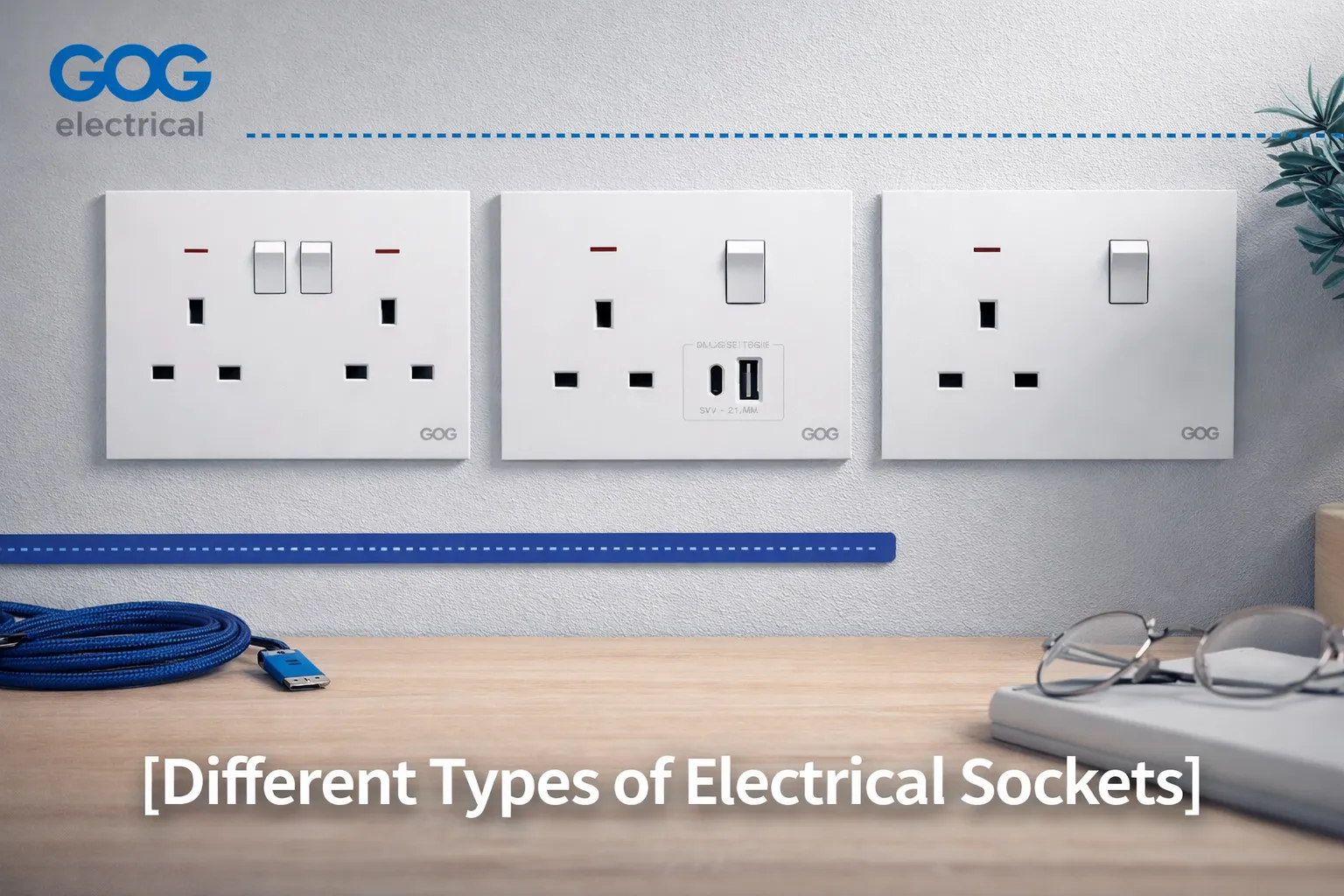
المقابس ذات المفتاح مقابل المقابس بدون مفتاح، وخيار وحدة الاتصال المدمجة ذات الفيوز
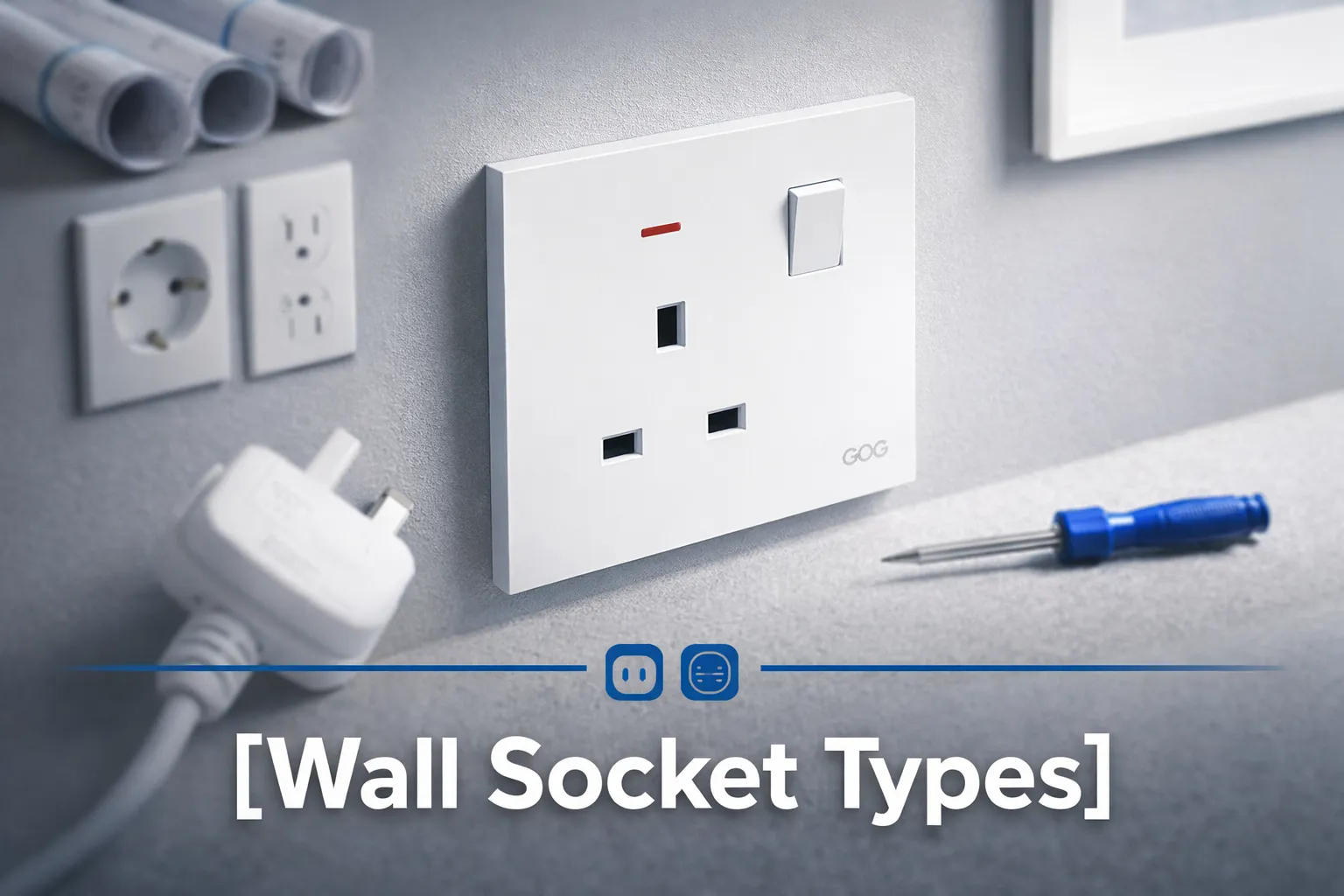
وفقًا لـ BS 1363، يجب أن يكون كل مقبس في مطبخ المملكة المتحدة مزودًا بمفتاح – مفتاح الروكر القياسي الذي يفصل الجهاز عن مصدر الطاقة دون الحاجة إلى فصله. مع غسالة الملابس، يلعب هذا المفتاح دوره التالي. فهو مصمم لإيقاف الجهاز فورًا في حالات الفشل. لن يضطر المستخدم إلى لمس القابس أو المقبس في حالة قد تعرضه للخطر. بالإضافة إلى ذلك، هناك دائمًا شرارة خفيفة عند إخراج القابس أو إدخاله أثناء التحميل، وهذا المفتاح يجعل من الممكن بقاء الغسالة موصولة بالكهرباء، لكنها مفصولة عن مصدر الطاقة أثناء غياب المالك لفترة طويلة. وحدة الاتصال المدمجة ذات الفيوز والمفتاح هي خيار آخر لتوفير العزل، حيث تبسط هذه التركيبة الحاجة إلى أي استبدال محتمل للوحدة، لأن هذا النوع من التركيب يتضمن فيوز خرطوشة. لذلك، في حالة حدوث أي خلل، ستتأثر الغسالة فقط.
كما تقلل وحدة الاتصال المدمجة من احتمال فصل القابس بسبب الاهتزازات أو أكسدة التلامس. يوصي معظم المصنعين والكهربائيين المحترفين بهذا التطبيق خاصة لتصاميم المطابخ المدمجة حيث لا يوجد وصول لفصل أو توصيل الجهاز. تنتج شركة GOG Electric جميع أنواع الأجهزة المذكورة أعلاه مع حماية كافية ضد الأفعال العرضية للمستخدم.
الفحوصات اليومية والدورية للسلامة: ما الذي يجب ملاحظته
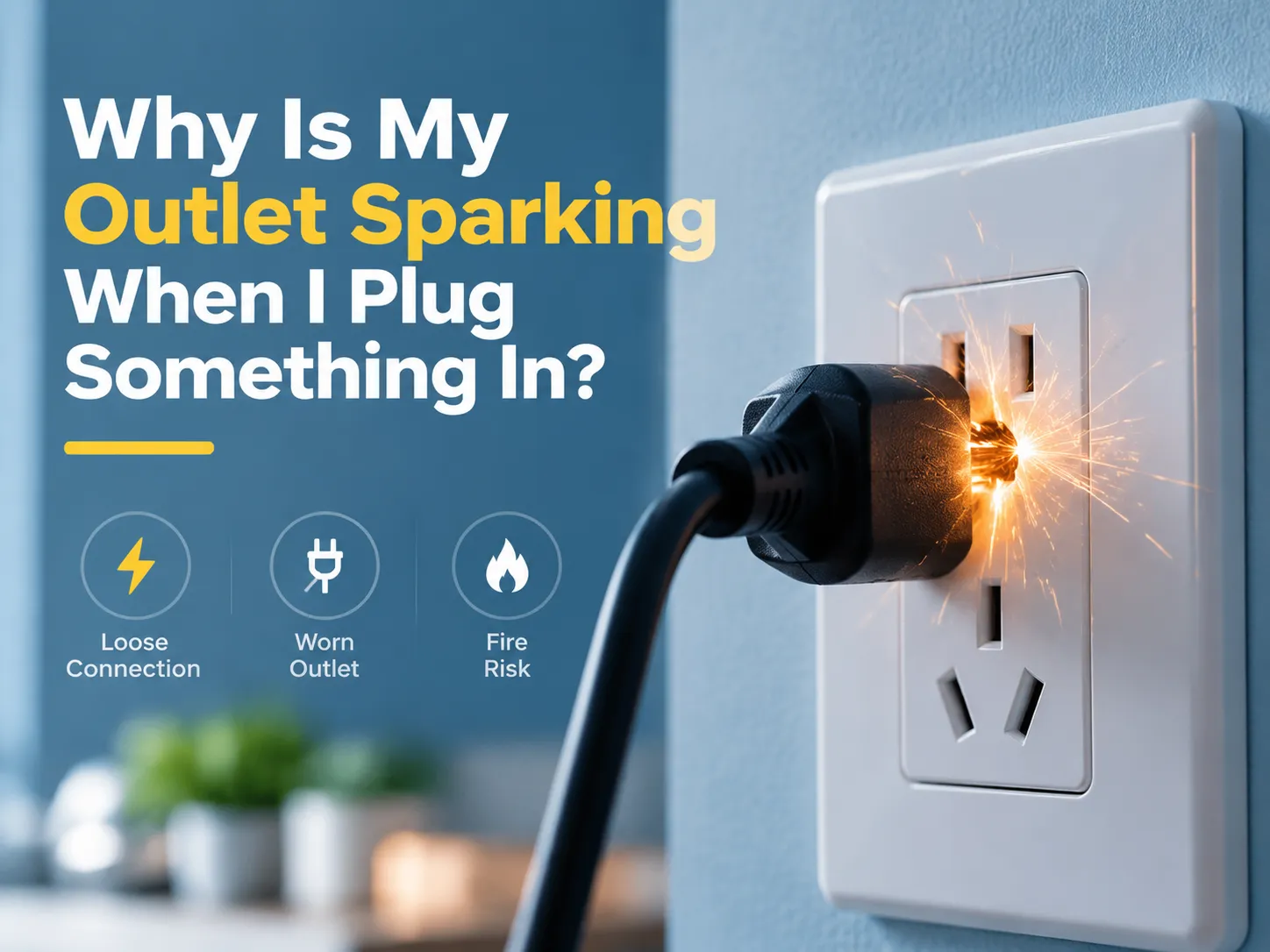
يُنصح بفحص مقبس غسالة الملابس وأسلاكها بانتظام، ويفضل كل بضعة أشهر، ولكن بالتأكيد عند نقل الغسالة أو صيانتها. قد تكون علامات وجود مشكلة ناشئة بصرية أو صوتية أو لمسية، ويجب التعامل معها جميعًا دون تأخير. إذا كان قابس أو لوحة المقبس دافئًا عند اللمس أثناء أو بعد دورة الغسيل، فهذا يعني وجود مقاومة كهربائية، مما يشير إلى وجود اتصالات فضفاضة، أو تلف في اتصالات المقبس، أو إدخال غير صحيح للقابس. بسبب المقاومة الكهربائية، يصبح الاتصال ساخنًا، والحرارة تزيد من سوء الاتصال، مما يؤدي في النهاية إلى احتمال ذوبان المقبس أو حدوث حريق. يعني الصوت الطنين أو الفرقعة من المقبس أو القابس وجود قوس كهربائي محتمل (تفريغ كهربائي بين طرفي فجوة في اتصال الدائرة)؛ للاستمرار في استخدام الجهاز، يجب إيقاف تشغيل المقبس، وإزالة القابس، وتغيير المقبس.
علامات تغير اللون أو رائحة حرق حول أو عند المقبس أو القابس هي حالات طارئة: يجب إيقاف تشغيل المنتج ولا يُسمح إلا للكهربائيين المرخصين بفحص المقبس والأسلاك والجهاز قبل إعادة تشغيله. القابس الذي يبدو فضفاضًا جدًا في المقبس أو الذي يسقط من تلقاء نفسه من المقبس يدل على أن المقبس فقد التوتر ويجب إصلاحه. للحصول على دليل خطوة بخطوة لعملية الاستبدال، يغطي مقالنا على كيفية استبدال مأخذ حائط تالف الإجراء الآمن من العزل إلى الاختبار النهائي.
ماذا لو كانت الغسالة في بلد مختلف؟ الجهد، نوع القابس، ومعايير المقبس
إذا كنت تريد توصيل غسالتك التي اشتريتها في المملكة المتحدة، تحقق أولاً من الجهد (230 فولت)، التردد (50 هرتز)، ونوع القابس (BS 1363) الذي تستخدمه. تستخدم غسالة الملابس في أمريكا الشمالية فقط 120 فولت، ويستخدم قابسها الكهربائي تكوين NEMA 5‑15P (شائع ذو شفرات مزدوجة مع تأريض)، أو NEMA 5‑20P (قابس 20 أمبير يشمل شفرة محايدة). يجب أن يكون المقبس الكهربائي المستخدم من نوع NEMA 5‑15R أو 5‑20R، وعلى دائرة كهربائية خاصة توفر ضغط 20 أمبير، محمية بواسطة GFCI (قاطع دائرة خطأ الأرض، جهاز مكافئ لـ RCD في أمريكا الشمالية)، إذا كان المقبس موجودًا في غرفة الغسيل أو القبو أو في أي مكان مرتبط بالماء. في أوروبا القارية، الجهد القياسي هو 230 فولت والقابس الكهربائي المستخدم من النوع C أو E أو F حسب البلد المحدد.
يتطلب المقبس هنا تصنيف 16 أمبير، ويجب حمايته عبر RCD مصنف 30mA. هناك عدة تفاصيل على لوحة اسم الغسالة مهمة قبل محاولة تبديل مثل هذه الأجهزة. للحصول على دليل كامل حول اختلافات الجهد بين المملكة المتحدة والولايات المتحدة وكيف تؤثر على الأجهزة، يشرح مقالنا على جهد المملكة المتحدة مقابل جهد الولايات المتحدة الأسباب التاريخية للمعايير المختلفة والتطبيقات العملية لكل جهاز في المنزل.
الأسئلة المتكررة
أين توضع مقبس لغسالة الملابس؟
يجب تركيب مقبس غسالة الملابس بحيث يكون على بعد 30 سم أفقيًا من الحوض أو أي مصدر للماء، فوق منطقة العمل لسهولة الوصول، وأن يكون موضعه بحيث لا يحتاج سلك طاقة الغسالة إلى التمدد للوصول إلى المقبس. يجب ألا يوضع المقبس خلف الغسالة أو في أي خزانة أو مكان غير قابل للوصول حيث يمكن لتسرب المياه من أي مصدر أن يؤثر عليه مباشرة. في المملكة المتحدة، يُفضل تركيب وحدة توصيل مدمجة مفصولة ومزودة بصمام أمان (FCU) فوق منطقة العمل، مع توصيل الجهاز بشكل ثابت.
ما هي احتياطات السلامة للمقبس والقابس؟
فيما يلي تدابير السلامة المهمة التي يجب مراعاتها عند استخدام القابس والمقبس. أولاً، يجب وضع القابس بشكل صحيح وتأمينه؛ ثانيًا، يجب عدم تحميل المقبس بأكثر من اللازم باستخدام محولات وأسلاك تمديد متعددة؛ ثالثًا، يجب فحص كل من القابس والمقبس دوريًا بحثًا عن علامات ارتفاع درجة الحرارة أو تغير اللون أو رائحة احتراق؛ رابعًا، يجب تركيب نظام RCD على المقبس؛ وخامسًا، يجب استبدال أي مقبس معطل أو مرتخي أو يصدر صوت طنين أو به تلف ظاهر. عند إزالة القابس من المقبس، تأكد من الإمساك بجسم القابس فقط ولا تسحب السلك.
ما هي احتياطات السلامة لغسالة الملابس؟
تشمل تدابير السلامة الرئيسية عند استخدام غسالة الملابس: توصيل الجهاز بدائرة كهربائية منفصلة مزودة بنظام RCD؛ وضع المقبس أو وحدة التوصيل المدمجة في مكان جاف وآمن بعيدًا عن الماء؛ فحص أنابيب التعبئة والتصريف بحثًا عن أي تشققات أو تسربات؛ تجنب استخدام الجهاز بدون إشراف متى أمكن؛ فحص القابس والمقبس والكابل بحثًا عن علامات ارتفاع الحرارة أو التلف. عند ترك المنزل خاليًا لفترة، يجب عزل الغسالة بواسطة المفتاح أو وحدة المستهلك.
هل يمكن توصيل غسالة الملابس بمقبس عادي في المملكة المتحدة؟
بالتأكيد، في المملكة المتحدة، يمكن توصيل غسالة الملابس بأي مقبس عادي BS 1363 بقدرة 13 أمبير، طالما أنه محمي بشكل صحيح بنظام RCD، وموجود في مكان آمن بعيدًا عن مصادر الماء، وآمن وفعال، وليس على سلك قد يتحمل حملًا زائدًا بسبب تشغيل الغسالة. ومع ذلك، فإن الوضع المثالي هو استخدام دائرة مخصصة لغسالة الملابس، أو على الأقل عدم توصيلها على نفس الدائرة مع أجهزة أخرى تستهلك تيارًا عاليًا في نفس الوقت، لتجنب حدوث انقطاعات خاطئة.
المراجع
- IET — BS 7671 متطلبات التركيبات الكهربائية (لوائح الأسلاك IET). المعيار الوطني في المملكة المتحدة الذي يحكم تركيب مآخذ التوصيل، وحماية RCD، وموقع المعدات الكهربائية في المطابخ والغرف التي تحتوي على مصادر مياه.
- Electrical Safety Foundation International (ESFI) — السلامة الكهربائية في المطبخ وغسيل الملابس. إرشادات المستهلك حول التركيب الآمن واستخدام الأجهزة الكهربائية في المطابخ ومناطق الغسيل، بما في ذلك حماية RCD/GFCI وموقع المقابس.
- BSI — معيار BS 1363 للمقابس والمآخذ في المملكة المتحدة. المعيار البريطاني الذي يحدد مخرج المقبس المفصول والمزود بالصمامات والمزود بالستائر والذي يعد المعيار لجميع التركيبات المنزلية في المملكة المتحدة، بما في ذلك المطبخ.
- Whirlpool — تعليمات تركيب غسالة الملابس والمتطلبات الكهربائية. إرشادات الشركة المصنعة حول مصدر الكهرباء، نوع المقبس، حماية الدائرة، وموقع التركيب لغسالات الملابس السكنية.
A غسالة الملابس في المطبخ هي وسيلة راحة تعتمد عليها ملايين الأسر—ولكنها أيضًا جهاز عالي الطاقة، متصل بالماء، وينتج اهتزازات، ويتطلب مستوى من السلامة الكهربائية يتجاوز ما قد يوفره مقبس المطبخ القياسي، الذي تم تركيبه قبل عقود من أجل محمصة خبز أو غلاية. من الضروري تركيب المقبس في الموقع المطلوب الذي يبعد عن الوصول إلى الرطوبة، ووضع المقبس بشكل صحيح. يجب أن يكون التوصيل الكهربائي مناسبًا أيضًا؛ يجب أن يتصل إما مباشرة بالمقبس أو، على الأقل، يجب ألا يربط غسالة الصحون بالميكروويف. يجب التفكير أيضًا في نوع الحماية؛ قد يكون ذلك باستخدام RCD 30 mA المختبر والذي يفصل تلقائيًا إذا تعرض شخص للصعق الكهربائي أو تلامس مع تسرب كهربائي. أيضًا، يجب تركيب التوصيلات بشكل صحيح. من الأفضل وجود وحدة توصيل مزودة بصمامات متصلة بشكل دائم لتجنب أن يصبح المقبس نقطة فشل هنا. من المطلوب صيانة التجميع بأكمله وتجديده عند أول علامات على خلل قد تكون حرارة زائدة، صوت طنين، أو علامات حرق. تصنع GOG Electric مقابس مفصولة ومقابس محمية بـ RCD تتوافق مع معايير السلامة اللازمة لمعدات الإلكترونيات في حياتنا اليومية.