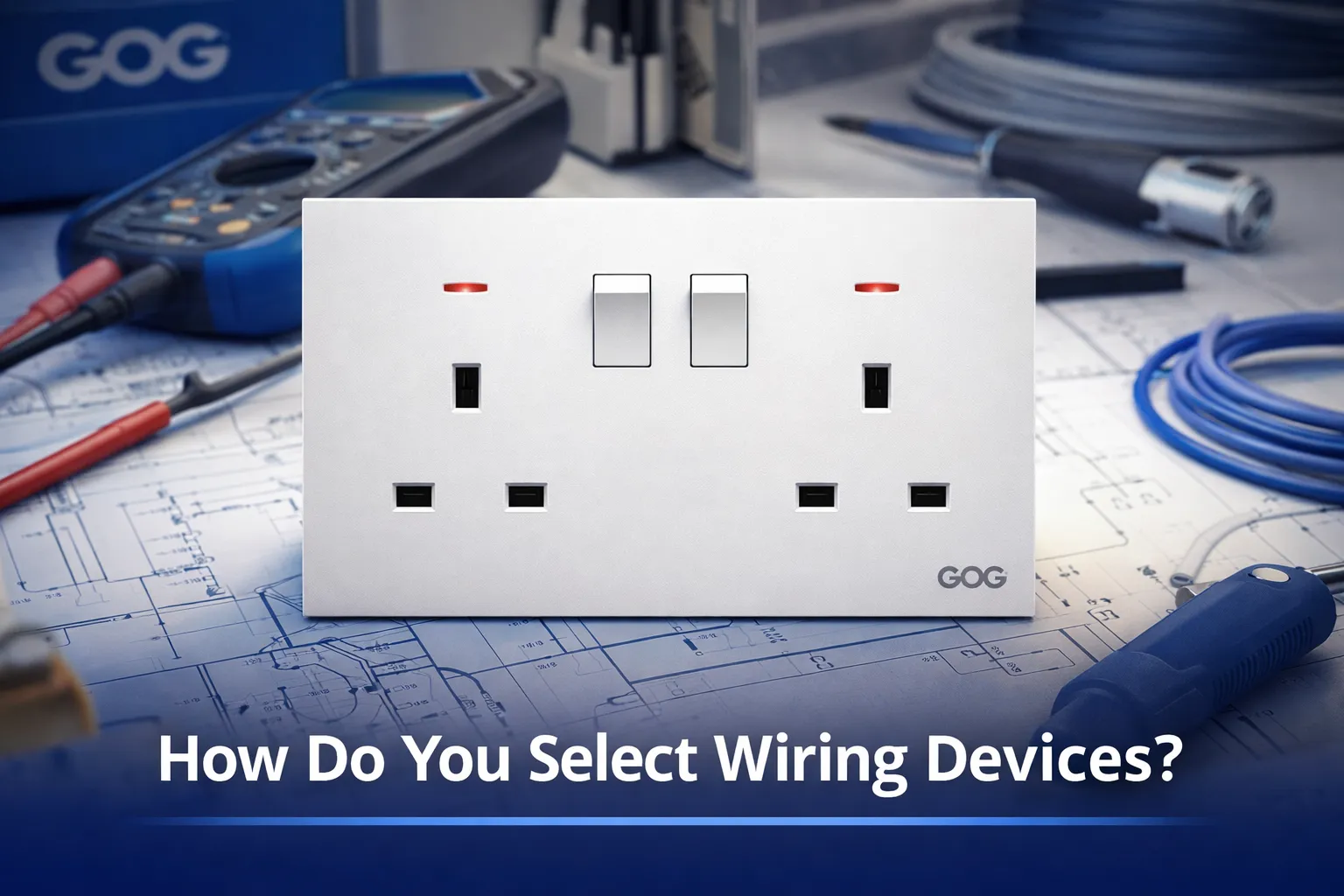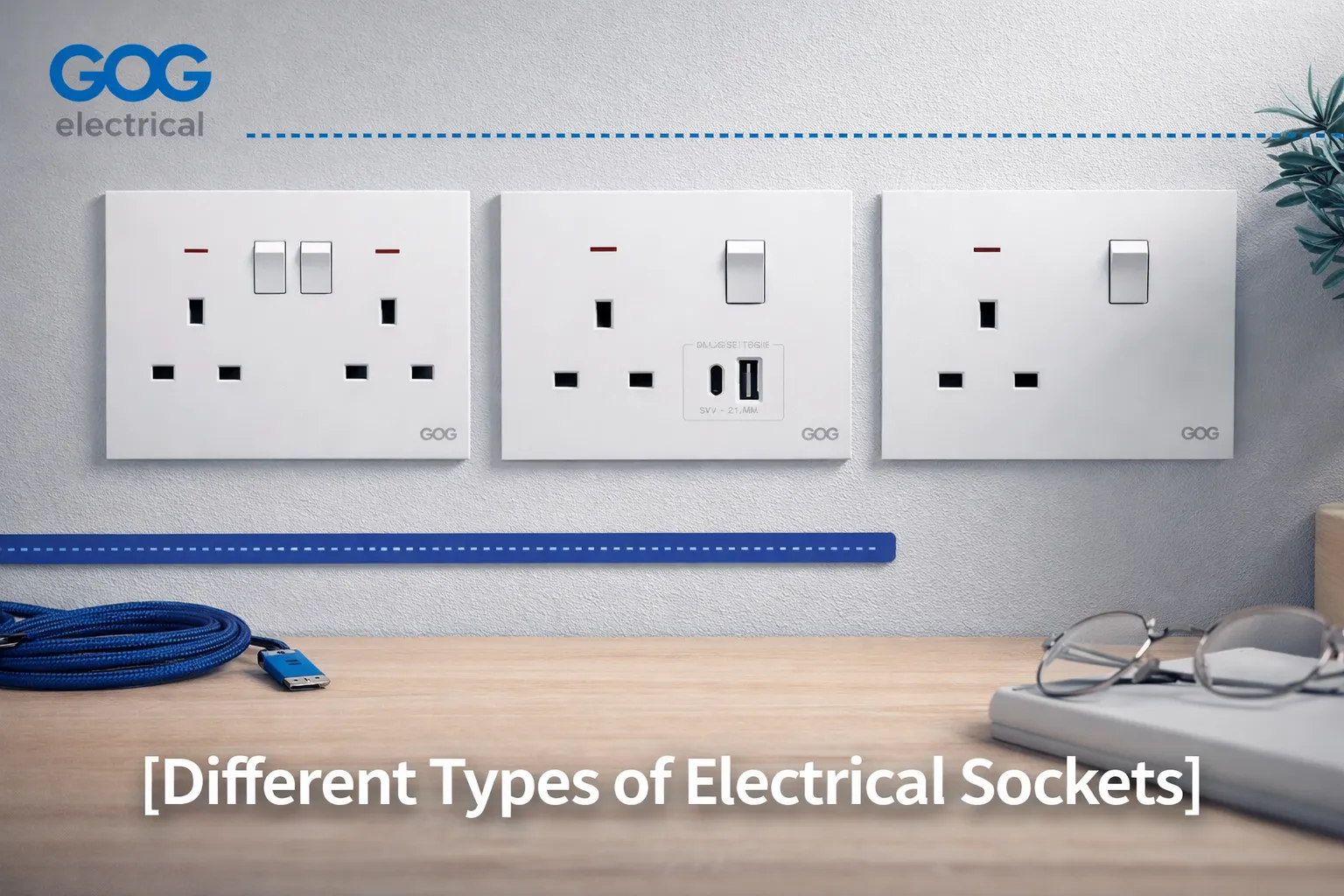
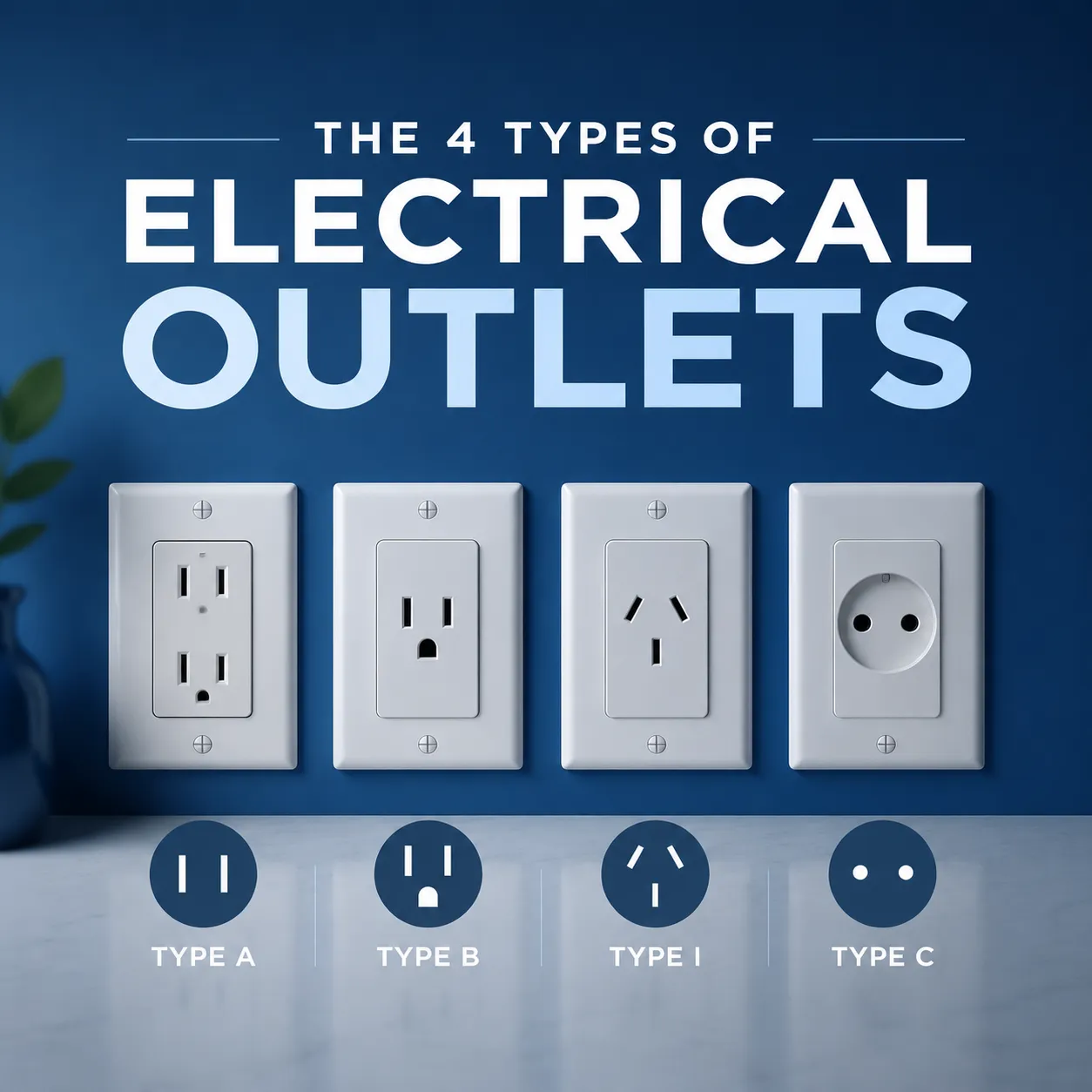
إذا دخلت قسم الكهرباء في متجر الأجهزة، ستجد مجموعة أكبر بكثير من مآخذ كهربائية أكثر من مجرد أربعة أنواع فقط. ومع ذلك، عندما يتحدث مفتش المنزل أو الكهربائي عن “الأنواع الأربعة”، فإنهم عادة ما يشيرون فقط إلى الفئات الوظيفية الأربعة الأكثر استخدامًا. معرفة ما هي هذه الأنواع الأربعة، ولماذا تختار نوعًا معينًا على آخر، هو أساس كل من السلامة الكهربائية والراحة اليومية.
عادةً، هناك أربعة أنواع أساسية من مآخذ الكهرباء وهي: المأخذ المزدوج القياسي (أو المثبت على الحائط)؛ قاطع دائرة خطأ الأرض (GFCI)؛ قاطع دائرة خطأ القوس (AFCI)؛ و شحن USB. كل نوع من هذه الأنواع المختلفة من المآخذ يخدم غرضًا معينًا. على سبيل المثال، الغرض من المآخذ القياسية هو ببساطة توفير الطاقة الكهربائية؛; أجهزة الحماية من التيار الأرضي (GFCIs) توفر الحماية من الصعق الكهربائي؛; أجهزة الحماية من التيار القوسي (AFCIs) تحمي من الحرائق؛ وتم تصميم مآخذ USB للقضاء على الفوضى الناتجة عن “محولات الحائط” المرتبطة بالعديد من الأجهزة الإلكترونية. فهم الفروقات سيساعد في تحديد أنواع المآخذ التي يتم تركيبها في مناطق منزلك، مثل الحمام، المطبخ، غرفة النوم، المكتب، إلخ.
المأخذ المزدوج القياسي: العامل اليومي
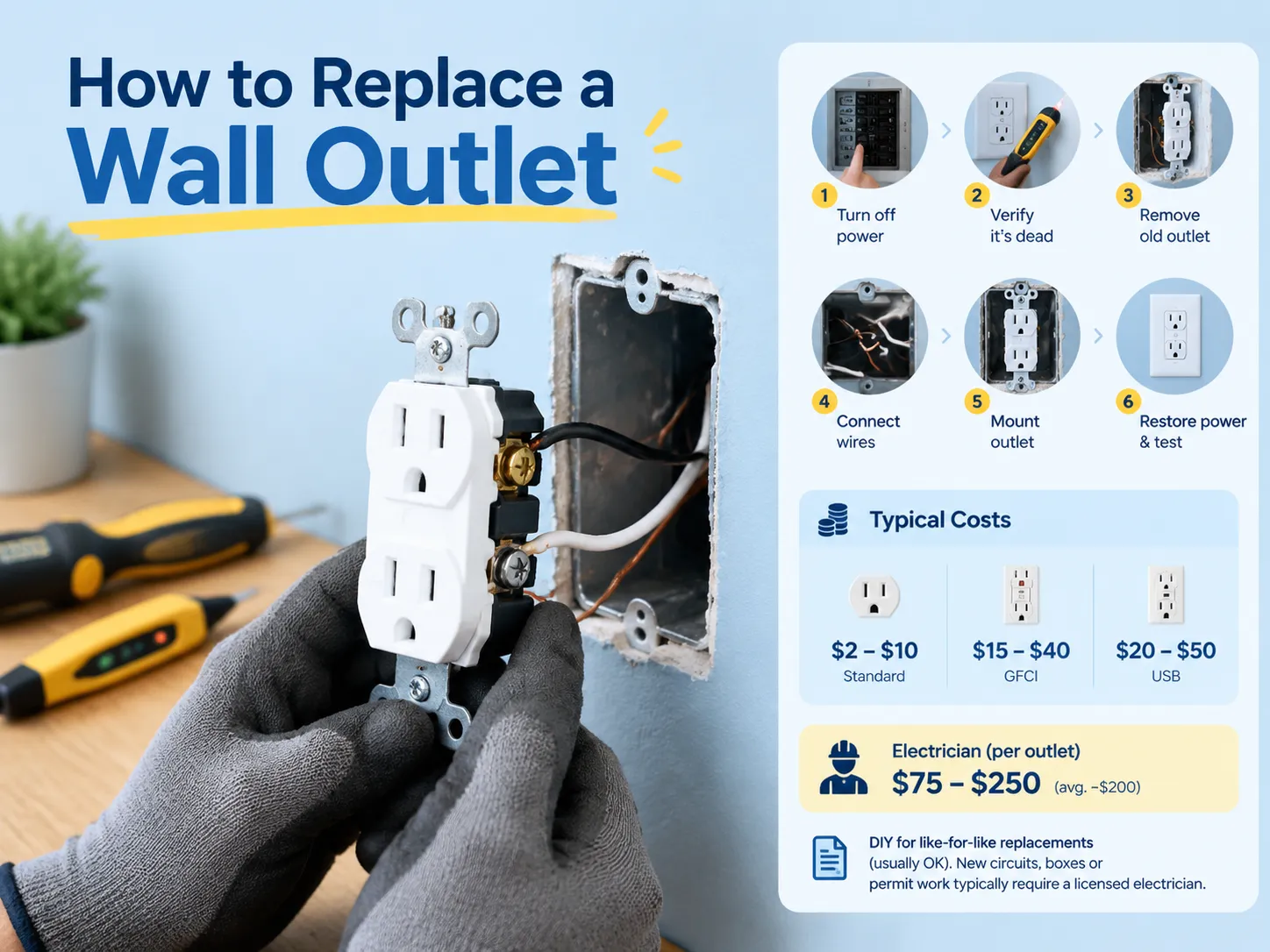
في أمريكا الشمالية، يتكون المأخذ الكهربائي النموذجي من مأخذ مزدوج بجهد 125 فولت مع 2 (خمسة عشر أمبير أو عشرين أمبير) مأخذ. وبالتالي، هناك فتحتا قابس (الساخن الضيق، المحايد العريض، الأرضي الدائري). هذا هو المأخذ لجميع المصابيح، أجهزة التلفاز، شواحن الهواتف، إلخ، وفي البناء الحديث، يجب أن يحتوي أيضًا على ميزات مقاومة للعبث (TP) (وهي تحتوي على مجموعة من الستائر الداخلية التي تمنع دخول الأجسام الغريبة إلى المأخذ حتى يتم الضغط على فتحتَي القابس معًا). إضافة الأجهزة الميكانيكية البسيطة قد قللت بشكل كبير من عدد حوادث الأطفال؛ أي حوادث الكهرباء في مرحلة الطفولة بسبب إدخال أجسام غريبة في المآخذ. للحصول على نظرة أوسع على الأجهزة التي تصاحب المآخذ القياسية في المنزل الحديث، نظرتنا العامة إلى أفضل المنافذ الكهربائية والمفاتيح للمنازل الحديثة تغطي مجموعة الخيارات الكاملة.
مأخذ GFCI: الحماية من أخطاء الأرض
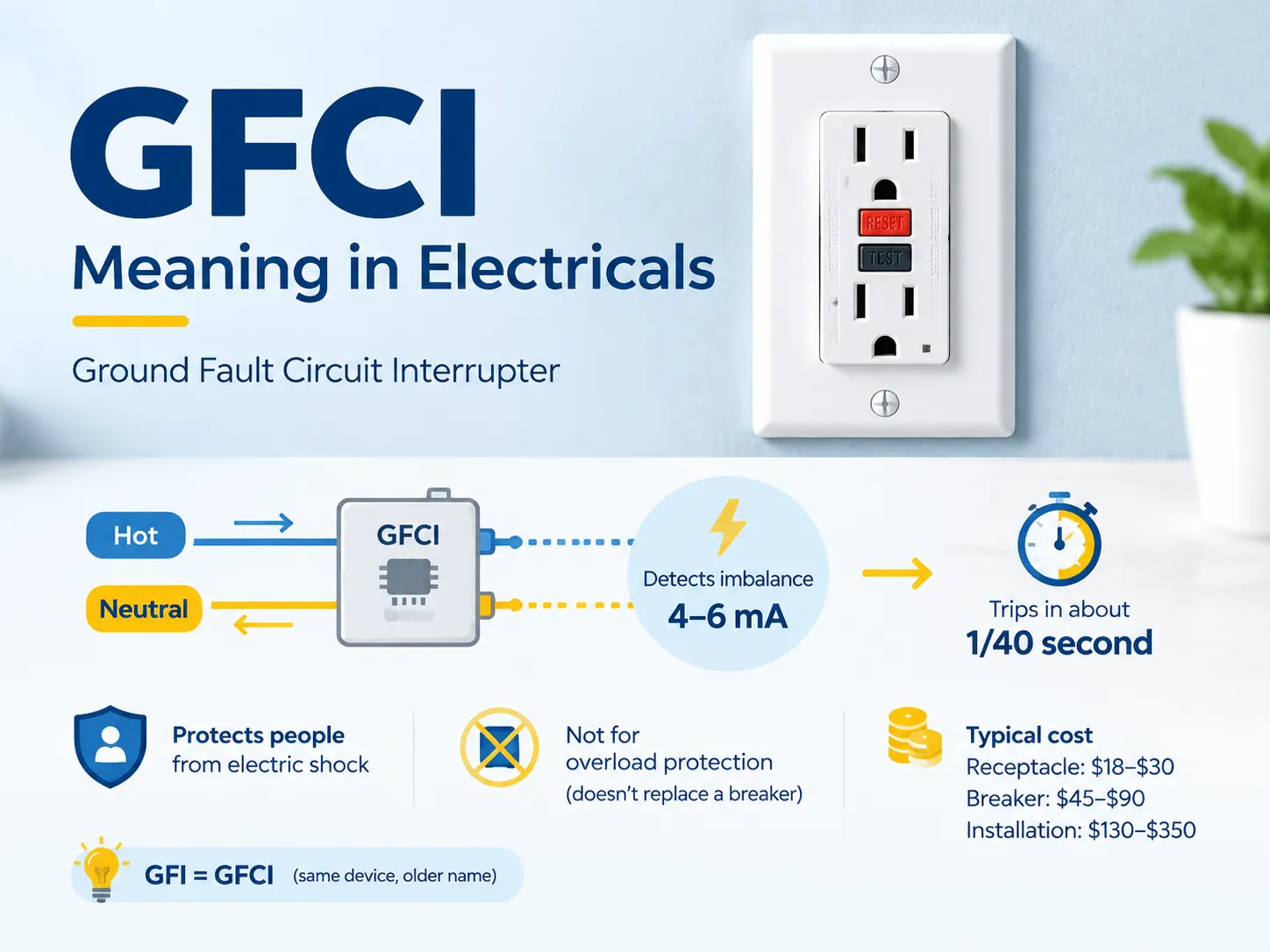
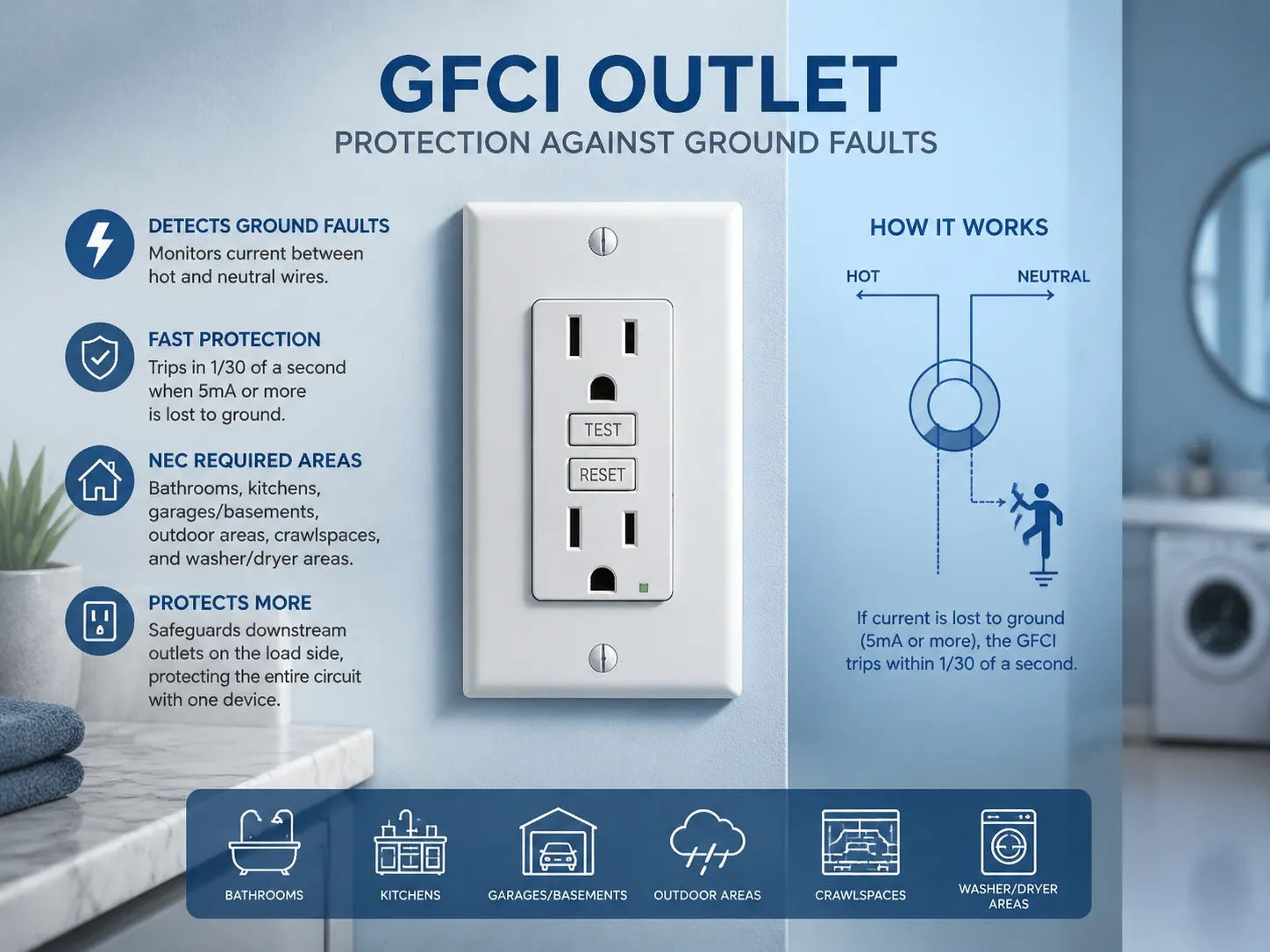
مآخذ GFCI هي أجهزة مصممة لتقليل خطر الصدمات الكهربائية الناتجة عن أخطاء الأرض. فهي تراقب باستمرار كمية التيار المتدفق على السلك الساخن والعودة عبر السلك المحايد. إذا فقد 5 ميلي أمبير أو أكثر لأن الكهرباء تتدفق عبر شخص إلى الأرض، فإن GFCI سينقطع خلال ثلث الثانية. ينص الكود الكهربائي الوطني (NEC) على أنه يجب وضع مآخذ GFCI في الحمامات، المطابخ، الكراجات/الأقبية، المناطق الخارجية، ومساحات الزحف، وكذلك في مناطق الغسالة/النشافة؛ يحتوي كل مأخذ GFCI على زرين (اختبار وإعادة ضبط) على وجه المقبس. يمكن لمأخذ GFCI أيضًا حماية المآخذ القياسية المتصلة به من جانب الحمل وبالتالي توفير حماية من أخطاء الأرض لدائرة كاملة باستخدام جهاز واحد فقط.
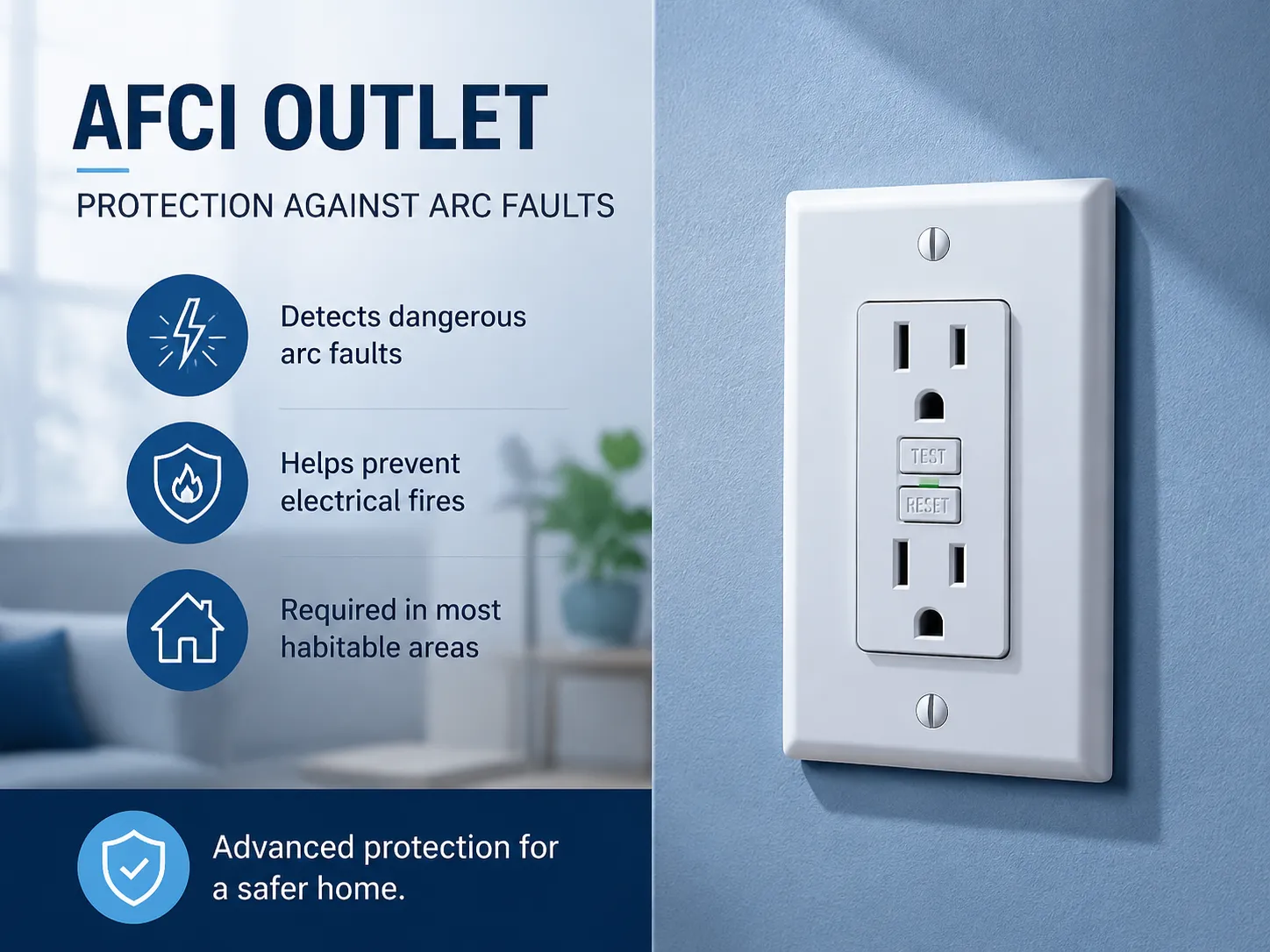
مأخذ AFCI: الحماية من أخطاء القوس الكهربائي
تحمي مآخذ قاطع دائرة قوس الكهرباء من مصدر آخر للحريق الكهربائي؛ فالقوس الكهربائي لديه القدرة على إشعال حريق.
يمكن أن يحدث القوس نتيجة لقصور في الأسلاك الكهربائية بسبب تلف، أو اتصال غير محكم، أو أسلاك مضغوطة.
دون سحب تيار كافٍ لتعطيل قاطع الدائرة العادي، يمكن للقوس أن ينتج كمية هائلة من الحرارة ويتسبب في حريق بمجرد اشتعاله. بفضل الإلكترونيات داخل AFCI، يمكنها اكتشاف الشكل الموجي الفريد للقوس وفصل الدائرة قبل أن تتاح للقوس الفرصة لإشعال المواد المحيطة. بينما يتم توفير حماية AFCI عادةً عبر قواطع AFCI في اللوحة الكهربائية الرئيسية، توفر مآخذ AFCI، التي يمكن إضافتها لحماية القوس لأي مأخذ موجود على نفس القاطع، حماية إضافية للقوس في الدائرة الكهربائية. يتطلب الكود الكهربائي الوطني أن يحتوي كل منزل جديد على مآخذ مزودة بحماية AFCI في معظم المساحات الصالحة للسكن في جميع أنحاء المنزل.
مأخذ شحن USB: توصيل الطاقة بدون محول
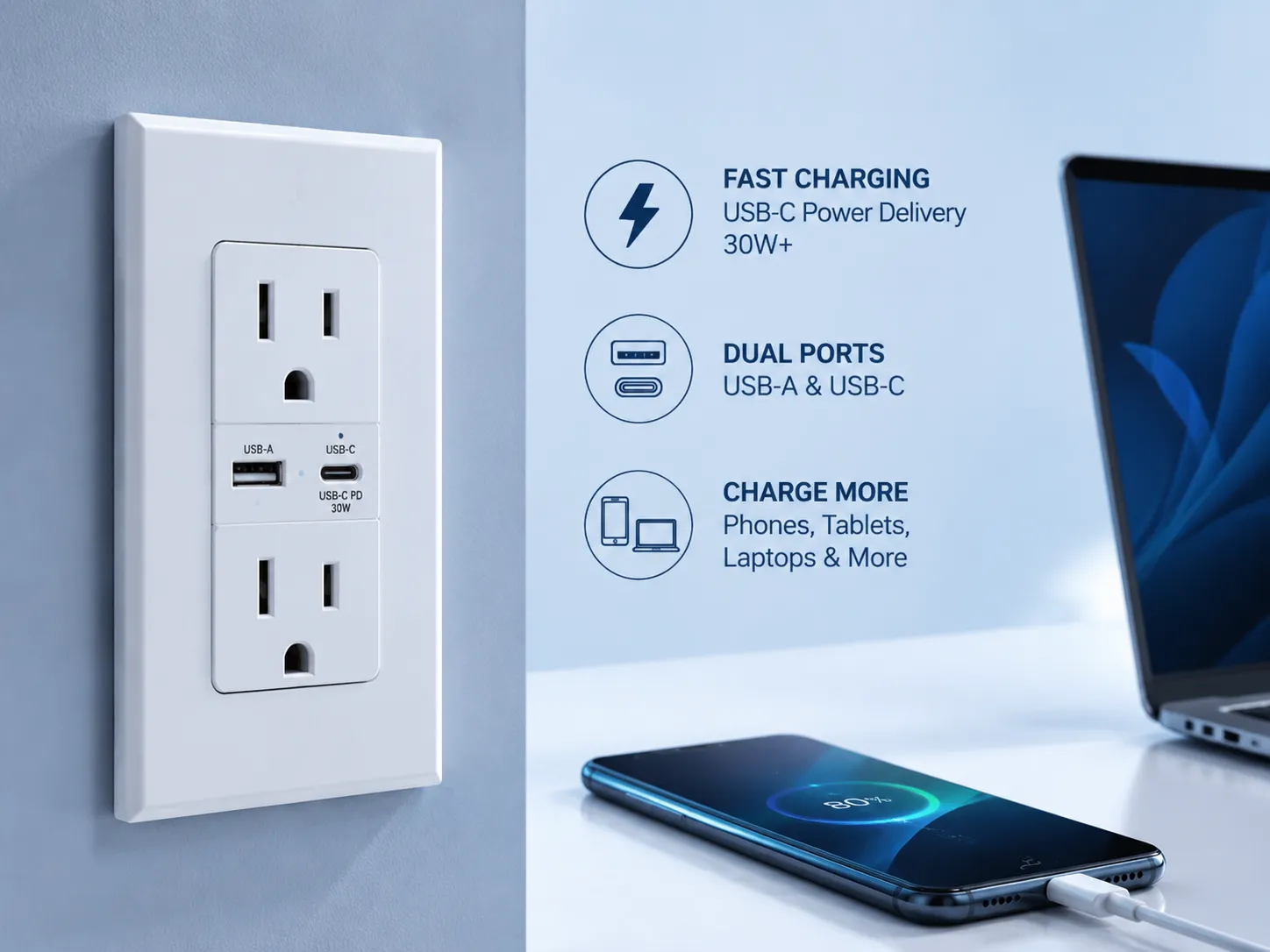
يدمج جهاز شحن USB السطحي منافذ USB مباشرة في وجه المآخذ الكهربائية التقليدية لسهولة الوصول.
تقوم مصادر الطاقة الصغيرة المتحكم بها داخليًا بتحويل خط التيار المتردد 120 فولت إلى طاقة تيار مستمر منخفض الجهد لشحن الهواتف والأجهزة اللوحية، إلخ، عبر USB.
التصنيفات المذكورة سابقًا هي أنواع وظيفية لمعيار وطني معين؛ ومع ذلك، إذا سافرت خارج بلدك أو منطقتك ستجد بسرعة أن الشكل الفيزيائي لا يمتلك معيارًا دوليًا. تصنف اللجنة الدولية للكهرباء (IEC) أنواع المقابس والمآخذ باستخدام تسميات حرفية؛ ويوجد إجمالاً اثنان وخمسون نوعًا شائعًا عالميًا.
| النوع | المظهر | المواقع الشائعة | الجهد الكهربائي |
|---|---|---|---|
| النوع A | دبوسان مسطحان متوازيان، مع أو بدون دبوس تأريض دائري (النوع B) | أمريكا الشمالية، اليابان، المكسيك | 100–125 فولت |
| النوع C | دبوسان دائريان | معظم أوروبا القارية، أمريكا الجنوبية، آسيا | 220–240 فولت |
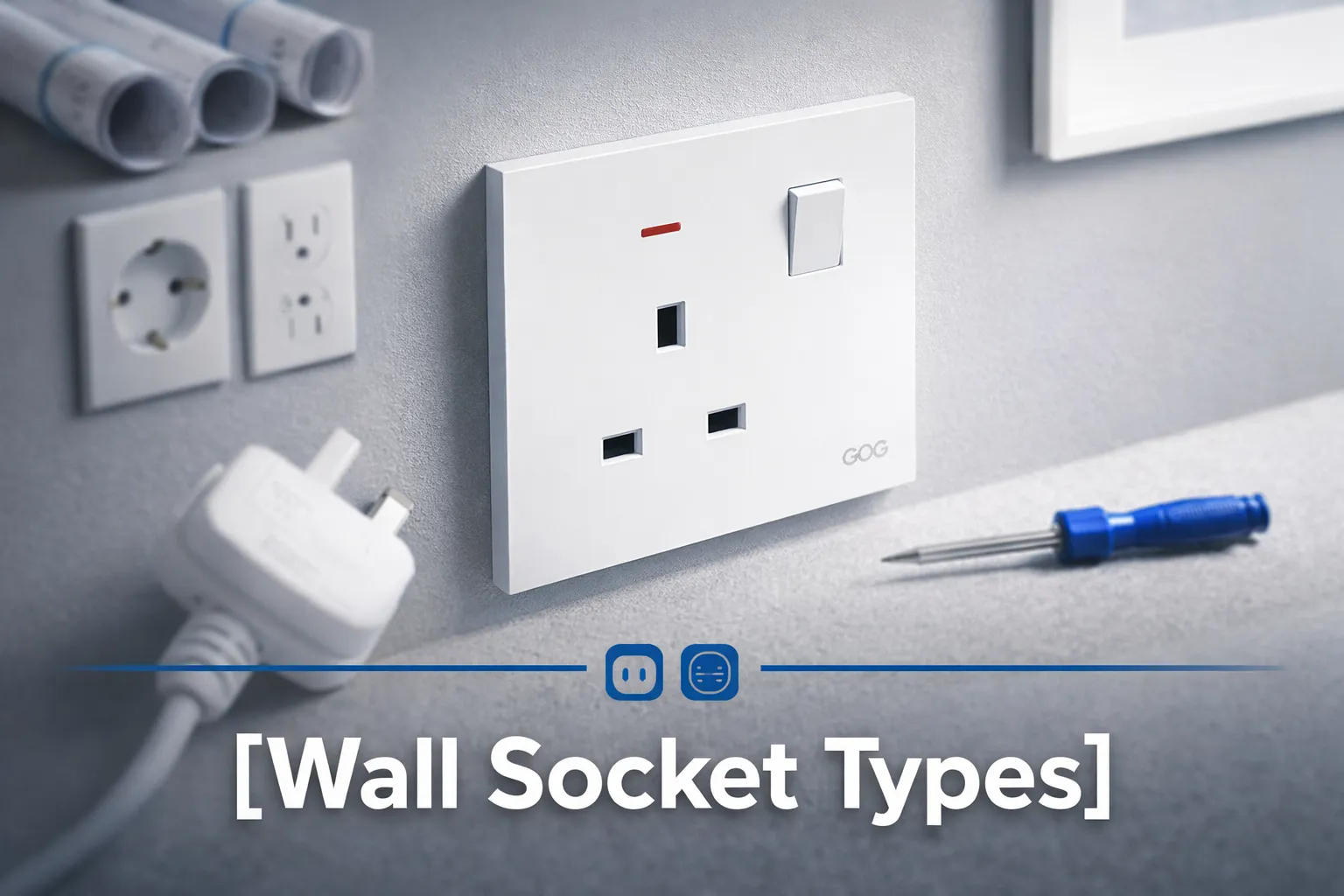
| النوع G | ثلاثة دبابيس مستطيلة في نمط مثلثي | المملكة المتحدة، أيرلندا، سنغافورة، هونغ كونغ | 230 فولت |
| النوع I | دبسان مسطحان بزاوية ودبوس تأريض عمودي | أستراليا، نيوزيلندا، الصين، الأرجنتين | 220–240 فولت |
الموارد من WorldStandards.eu و اللجنة الدولية للكهرباء الفنية توفر خرائط مفصلة وجداول الجهد لكل دولة. بالنسبة لمصنع مثل GOG Electric، الذي يورد أجهزة التوصيل لأسواق دولية متعددة، فإن إنتاج مفتاح حائط أو مقبس يتوافق مع نوع القابس المحلي ومعيار السلامة ليس خيارًا — بل هو شرط أساسي للدخول. المفتاح المصمم لصندوق مربع في المملكة المتحدة لن يناسب صندوق فردي في أمريكا الشمالية، والمقبس المصنف لـ 120 فولت سيفشل بشكل كارثي عند 230 فولت. معرفة المعيار المحلي هي الخطوة الأولى في اختيار جهاز متوافق.
كيفية تحديد نوع القابس واختيار المقبس المناسب
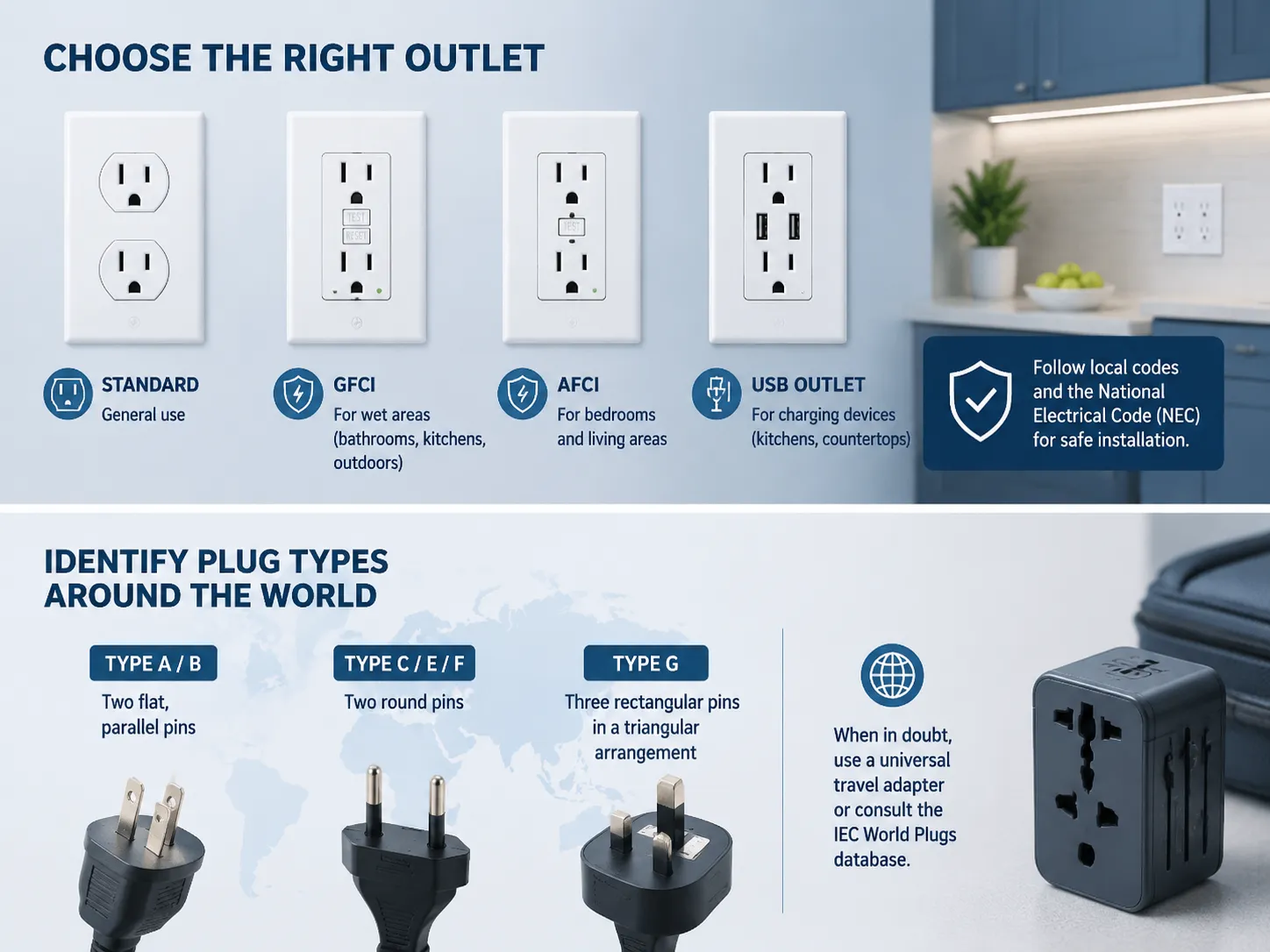
يمكن تحديد نوع المقبس الكهربائي (أو النوع الذي قد تحتاجه) من خلال النظر إلى تصميمه ومعرفة المعايير في منطقتك. في أمريكا الشمالية، على سبيل المثال، يحتوي المقبس المزدوج القياسي على فتحتين بيضاويتين وهو مستطيل الشكل. يحتوي مقبس GFCI (قاطع دائرة التيار الأرضي) على زوج من الأزرار، ويحتوي مقبس AFCI (قاطع دائرة قوس كهربائي) على زر لاختباره و/أو ضوء مؤشر. يحتوي مقبس شحن USB (ناقل تسلسلي عالمي) على فتحات مستطيلة مميزة في مركز المقبس. عند اختيار نوع المقبس لتطبيقك الخاص، يجب اتباع القوانين والإرشادات المحلية المنصوص عليها في الكود الكهربائي الوطني. على سبيل المثال، يتطلب الحمام حماية GFCI، ويستخدم غرفة النوم إما مقبس مقاوم للعبث القياسي أو AFCI، وتستخدم المطبخ كل من حماية GFCI ومقابس شحن USB على سطح العمل.
يمكن تحديد أنواع المقابس الدولية بناءً على ميزات تصميمها، مثل شكل الدبوس. يتم تحديد مقابس النوع A و B بوجود دبوسين مسطحين ومتوازيين. تحتوي مقابس النوع C و E و F على دبوسين دائريين. يمكن تحديد مقابس النوع G بوجود ثلاثة دبابيس مستطيلة مرتبة في تشكيل مثلث. إذا كنت في شك بشأن نوع القابس الذي تحتاجه أو نوع القابس الذي يجب استخدامه، فكر في الحصول على محول سفر عالمي أو استشارة جداول المراجع المنشورة من قاعدة بيانات مقابس العالم التابعة للجنة الدولية للكهرباء الفنية (IEC) لتحديد نهائي.
الأسئلة المتكررة
ما هي أسماء أربعة أنواع من المقابس الكهربائية؟
توجد اليوم أربعة أنواع مختلفة من المقابس الكهربائية تشمل المقبس المزدوج القياسي (DUP)، ومقبس GFCI، ومقابس AFCI، ومقابس شحن USB. لكل منها غرض محدد سواء كان يتعلق بالسلامة أو الراحة في المنازل الحديثة.
كيف تحدد نوع القابس؟
حدد نوع القابس بناءً على عدد الدبابيس وشكلها وترتيبها. هناك نوعان قياسيان من الدبابيس المسطحة والمتوازية (النوع A) وهناك نوع واحد قياسي من الدبابيس الدائرية (النوع C). هناك ثلاثة دبابيس مستطيلة مرتبة في تشكيل مثلث (النوع G). تحتفظ IEC بسجل محدث لجميع أنواع المقابس للدول المختلفة على صفحة مراجع مقابس العالم الخاصة بها.
ما هي قاعدة الـ 6 للمقابس؟
توفر “قاعدة الـ 6 أقدام” إرشادات عامة من NEC حول مكان وضع المآخذ: بحيث لا يزيد أي نقطة على أي جدار عن مسافة 6 أقدام إلى المقبس (المأخذ). كما هو مذكور من منظور المصنع: الحد الأقصى للمسافة بين المقبس (المأخذ) والأجهزة التي تستخدم سلكًا نموذجيًا طوله 6 أقدام هو 6 أقدام. لذلك، إذا أخذت هذا في الاعتبار عند وضع المقابس (المآخذ)، يجب أن يكون لديك تغطية كافية للمقابس (المآخذ) حول المنزل.
ما هي الأنواع المختلفة للمآخذ؟
بالإضافة إلى الأنواع الأربعة الأصلية للوظائف الأساسية (القياسي، GFCI، AFCI، USB) هناك أيضًا العديد من أنواع المقابس المتخصصة، مثل المقابس المقاومة للطقس، ومقابس درجة المستشفى، ومقابس الأرضية، والمقابس الذكية. بالإضافة إلى ذلك، تتكون تكوينات المقابس الدولية من أكثر من اثني عشر تكوينًا ماديًا مختلفًا للمقابس والمآخذ التي تحددها IEC باستخدام التسميات الحرفية من A إلى N وتُستخدم في دول مختلفة مع فولتية كهربائية مختلفة.
المراجع
- IEC — المقابس العالمية — قاعدة بيانات اللجنة الدولية للكهرباء لأنواع المقابس والمآخذ حسب البلد.
- WorldStandards.eu — مرجع لمعايير الكهرباء وأنواع المقابس والفولتية حسب البلد.
- شركة ليفيتون للتصنيع — وثائق منتجات أجهزة الأسلاك السكنية والتجارية وأدلة التطبيق.
- المؤسسة الدولية لسلامة الكهرباء (ESFI) — موارد السلامة الكهربائية المنزلية ومعلومات GFCI/AFCI.
الـ أربعة أنواع من المآخذ الكهربائية التي تهم أكثر في المنزل هي المزدوجة القياسية، وGFCI، وAFCI، وشاحن USB. معًا، تغطي الطيف الكامل للسلامة والراحة التي يتطلبها النظام الكهربائي الحديث. بالإضافة إلى ذلك، تذكرنا التنوع العالمي لأشكال المقابس والفولتية أن المأخذ مصمم دائمًا لمكان محدد، وفولتية محددة، وكود أمان محدد. تصنع GOG Electric أجهزة الأسلاك التي تلبي متطلبات الأسواق الأمريكية الشمالية والدولية، لأن المأخذ على الحائط هو النقطة النهائية حيث يلتقي النظام الكهربائي بأكمله بالشخص الذي يستخدمه — ويجب أن يكون هذا اللقاء آمنًا وموثوقًا ومتوافقًا مع الكود في كل مرة.