Floor sockets can be a stylish and functional alternative to traditional outlets when creating a contemporary home or updating a workspace. Installed in the floor, they offer an easy way to access power outlets without adding to the clutter of multiple cords. However, the question remains, are floor sockets safe to use? What will the advantages and disadvantages of using them be? We’ll cover the relevant issues in this article by examining both the Advantages and Disadvantages of using Floor Sockets as well as answers to some frequently asked questions regarding Floor Sockets and provide you with the best installation and usage practices for Floor Sockets.
Description of Floor Sockets
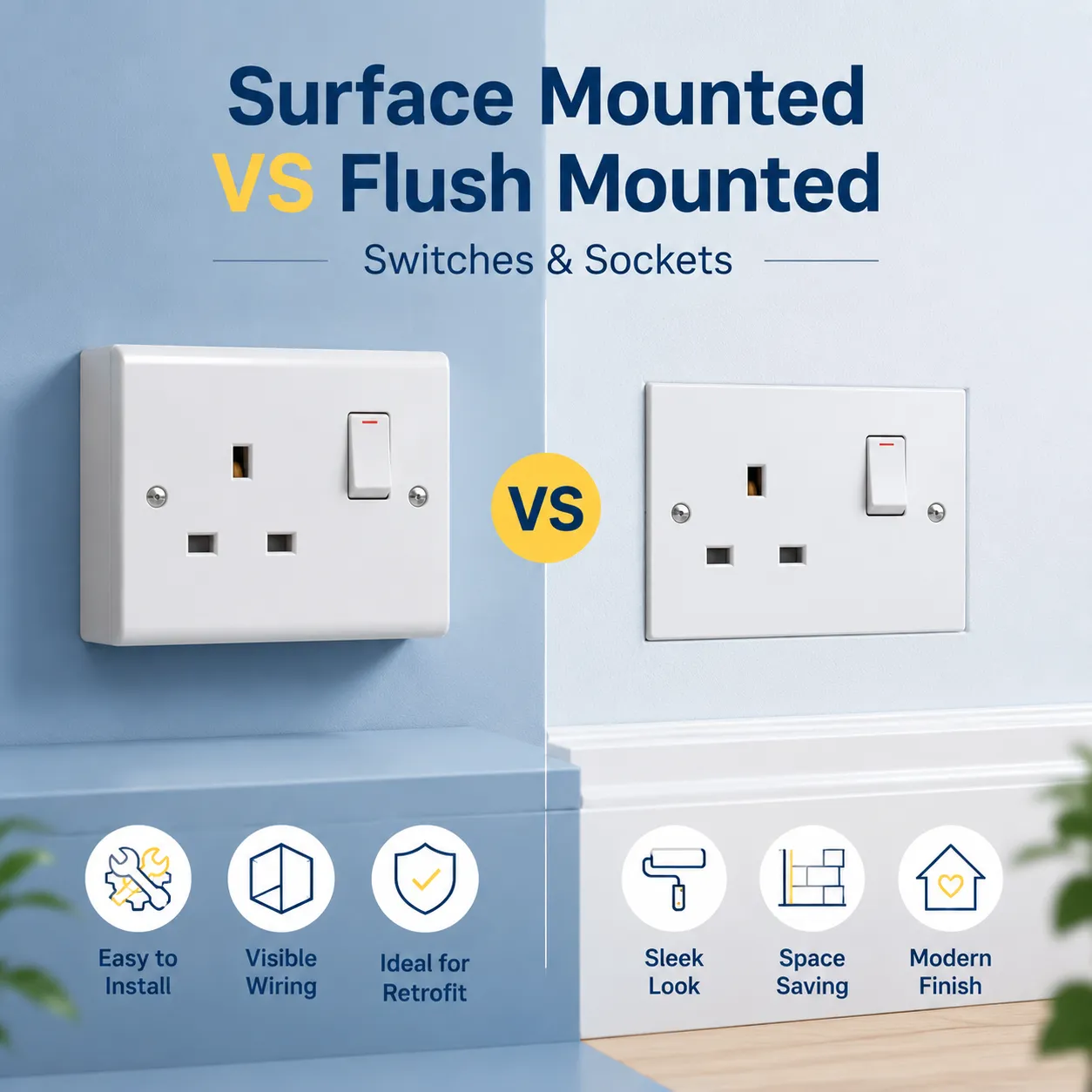
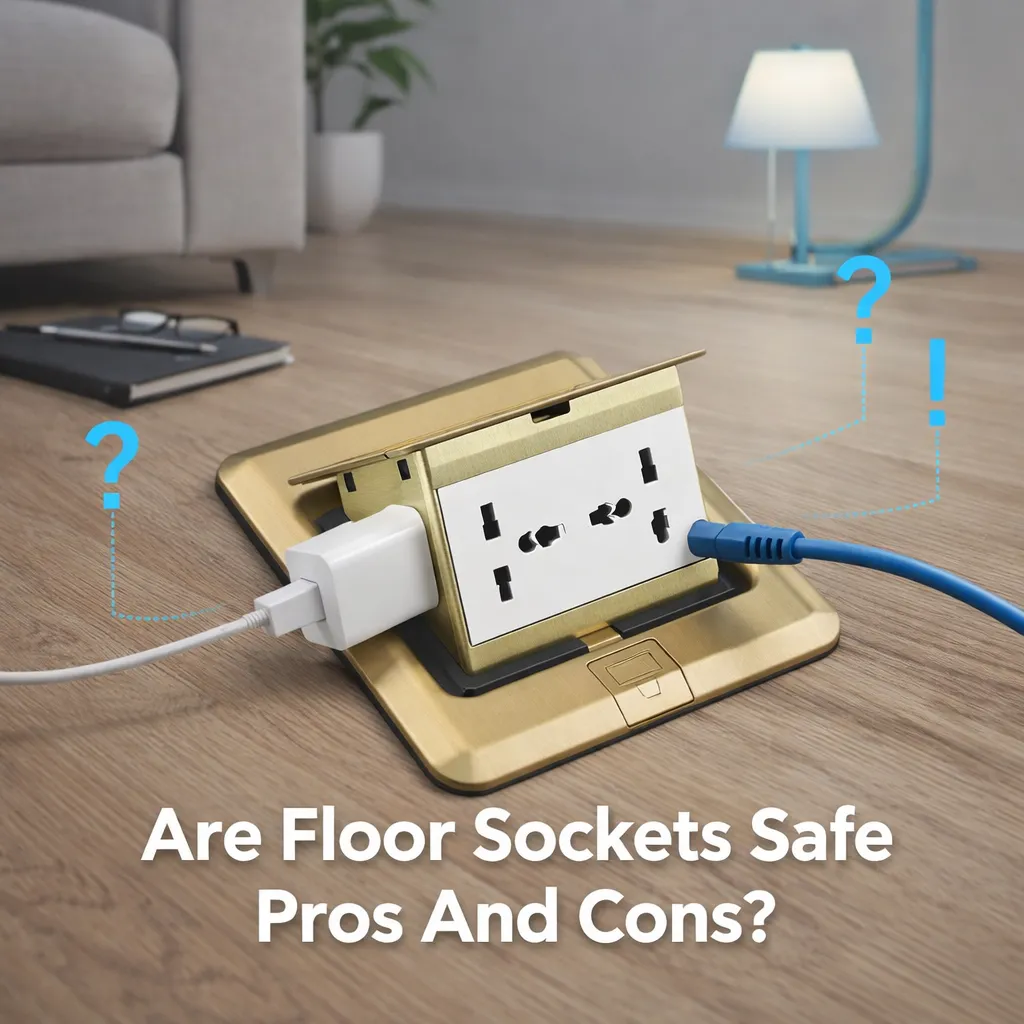
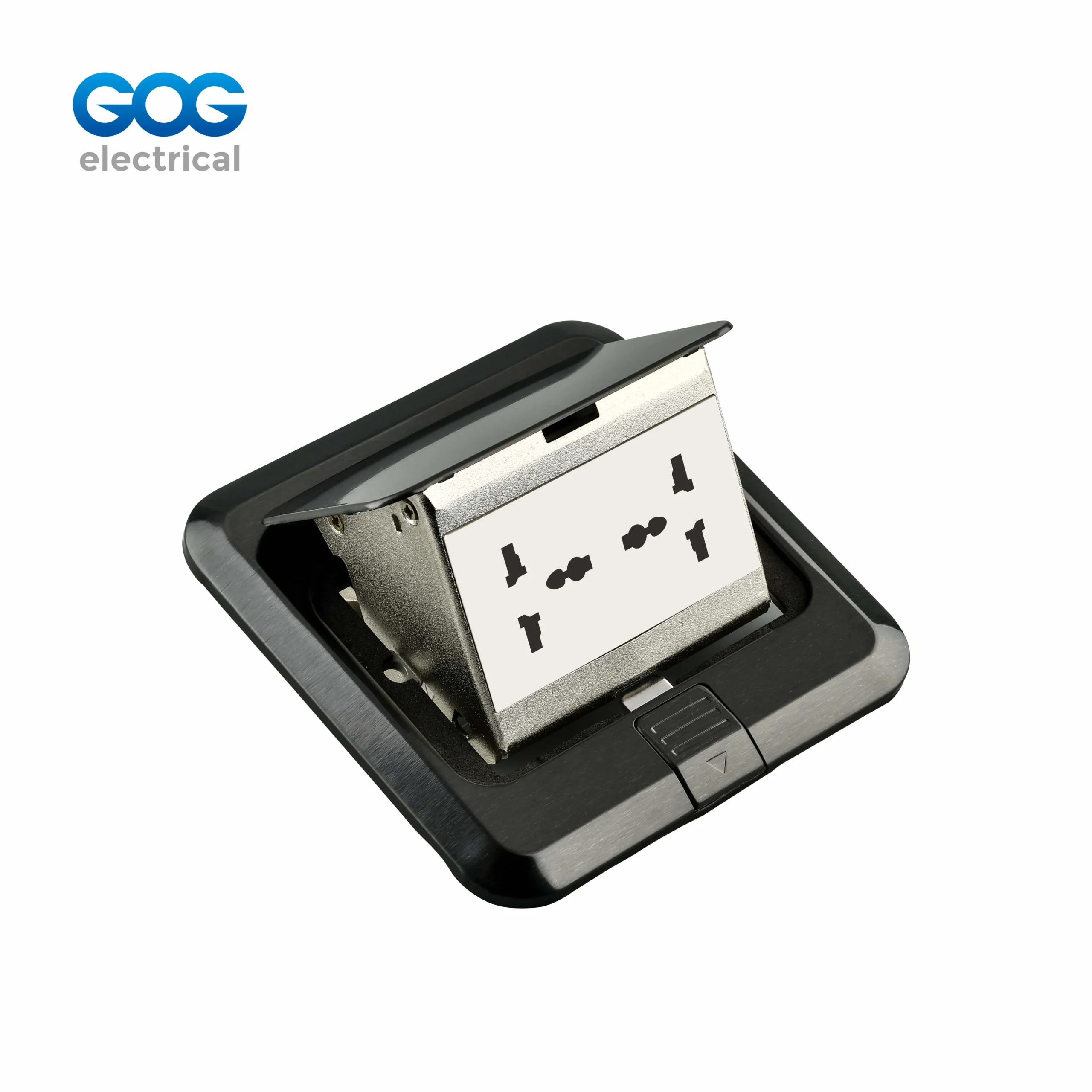
A floor socket is an electrical outlet, much like a wall outlet, that supplies electrical energy to an electrical device. Floor sockets can also be referred to as electrical floor sockets or floor outlets. Floor sockets can be used where a wall outlet would not be practical in either a residential or commercial environment (office or retail). Floor sockets can be installed flush with the finished floor surface or mounted on top of a flooring material.
Floor sockets are designed and manufactured with many different types of protection to include dirt, dust, and debris from entering through any of the openings on the device. Although there are various styles available of the product, floor sockets can be used with almost any flooring to include wood, tile, and carpet.
Are Floor Sockets Safe?
Floor sockets are safe from the standpoint of the quality of installation and the quality of the product installed; in addition, the manner of use also factors into the decision of whether floor sockets are safe. Floor sockets can be as equally safe as wall sockets as long as they are installed and maintained correctly. The following are three areas you should look at to assess the safety of a floor socket installation:
Protective Covers: Many homes have children and pets, which is why it’s crucial to have a protective cover on a newly installed floor socket. A protective cover serves two purposes; it prevents water or food spills or dirt from entering into an unused socket, and protects accidental contact from those who may have noticed the floor socket.
Installation Standards: Quality workmanship in the construction and installation of a floor socket is extremely important. Having an electrical contractor install your floor sockets will ensure secure wiring, that the floor sockets will be grounded, and that costly breakdowns due to improper installations will be avoided.
Waterproof Options: For floor sockets that will be located in high moisture or spill areas, a waterproof floor socket would be the safer option. Waterproof floor sockets reduce the risk of electrical hazards in harsh environments.
Floor sockets can be safe when installed correctly and maintained properly. However, unsafe usage, neglect or a floor socket made of poor quality materials could introduce a potential electrical hazard. Always consult with the professionals you use to ensure your floor sockets are safe and reliable.
Benefits of Floor Sockets
Convenience: With floor sockets, there’s no need for power strips or extension cords to provide access to electrical power. They also make it easier for you to arrange your furniture since you won’t be limited by the location of your wall outlets.
Aesthetic Appeal: Since floor sockets are flush with the floor, they blend seamlessly into the flooring system, creating a clean, tidy, and refined appearance that matches modern style.
Versatility: Floor sockets provide a flexible solution for connecting devices, whether in living rooms, home offices, or conference areas. Many floor sockets offer USB ports for added functionality alongside traditional outlets, making it easier to power multiple devices.
Drawbacks of Floor Sockets
Cost: The installation of floor sockets tends to be more expensive compared to standard wall outlets due to the effort and materials required for proper placement and connection.
Maintenance: Over time, floor sockets may accumulate dust, dirt, or debris, requiring regular cleaning and additional care to maintain their performance.
Placement Limitations: High-traffic areas or spots exposed to frequent moisture or spills may not be suitable for floor sockets. Additionally, spaces where furniture layouts change often may present challenges.
Best Uses for Floor Sockets
While floor sockets can be installed in different spaces, certain locations benefit the most from their functionality:
Living Room: Place floor sockets near sofas or chairs to facilitate charging electronic devices or connecting lamps without long cords.
Kitchen: If there is a kitchen island, floor sockets provide an efficient way to power appliances like blenders or toasters directly on the island.
Home Office: Floor sockets installed under desks create a neat, organized workspace without the hassle of visible cables.
Open-Plan Spaces: In large, flexible areas with movable furniture, floor sockets offer an ideal solution for powering equipment and decorative elements without wall dependence.
Installing Floor Sockets
To ensure safe and effective installation of floor sockets, follow these tips:
Choose the Right Type: For areas exposed to potential spills or heavy traffic, opt for waterproof or dustproof floor socket models.
Plan Placement: Evaluate your room’s layout and electrical requirements to determine optimal locations for socket installation.
Hire Professionals: Professional electricians can ensure the installation complies with safety standards and local regulations.
Future-Proof Your Space: Consider installing additional sockets during the initial setup to accommodate future requirements or layout changes.
Frequently Asked Questions About Floor Sockets
Are Floor Sockets Safe?
Yes, floor outlets are always safe to use when properly maintained. Floor outlets are designed to be safe, and additional safety features such as waterproofing and protective covers enhance safety.
Where Do You Install Floor Outlets in a Home?
The best places in a home for installing floor outlets would be a living room, a kitchen island, a home office, and an open-concept room.
Can You Install Floor Sockets in Locations with High Traffic?
You can install floor outlets in high-traffic areas; however, it is typically better to avoid doing so to reduce tripping hazards. When installed in such areas, flush-mounted or covered models should be used.
How Much Do Floor Sockets Cost to Install?
The price of installing floor outlets varies depending on the type, installation complexity, and region, typically ranging between $100 and $300 per unit.
Overall, floor outlets are a unique and functional addition to today’s homes. Floor outlets provide clean, functional, easily accessible power sources in homes that enable you to enjoy all that your home has to offer. Proper installation and inspection of your floor outlets can provide a secure and reliable, easy, and convenient method of maintaining a clutter-free and organized space. With careful placement, proper selection, and professional installation, you will maximize the benefits of using floor outlets in your home and improve your home’s overall efficiency and effectiveness.