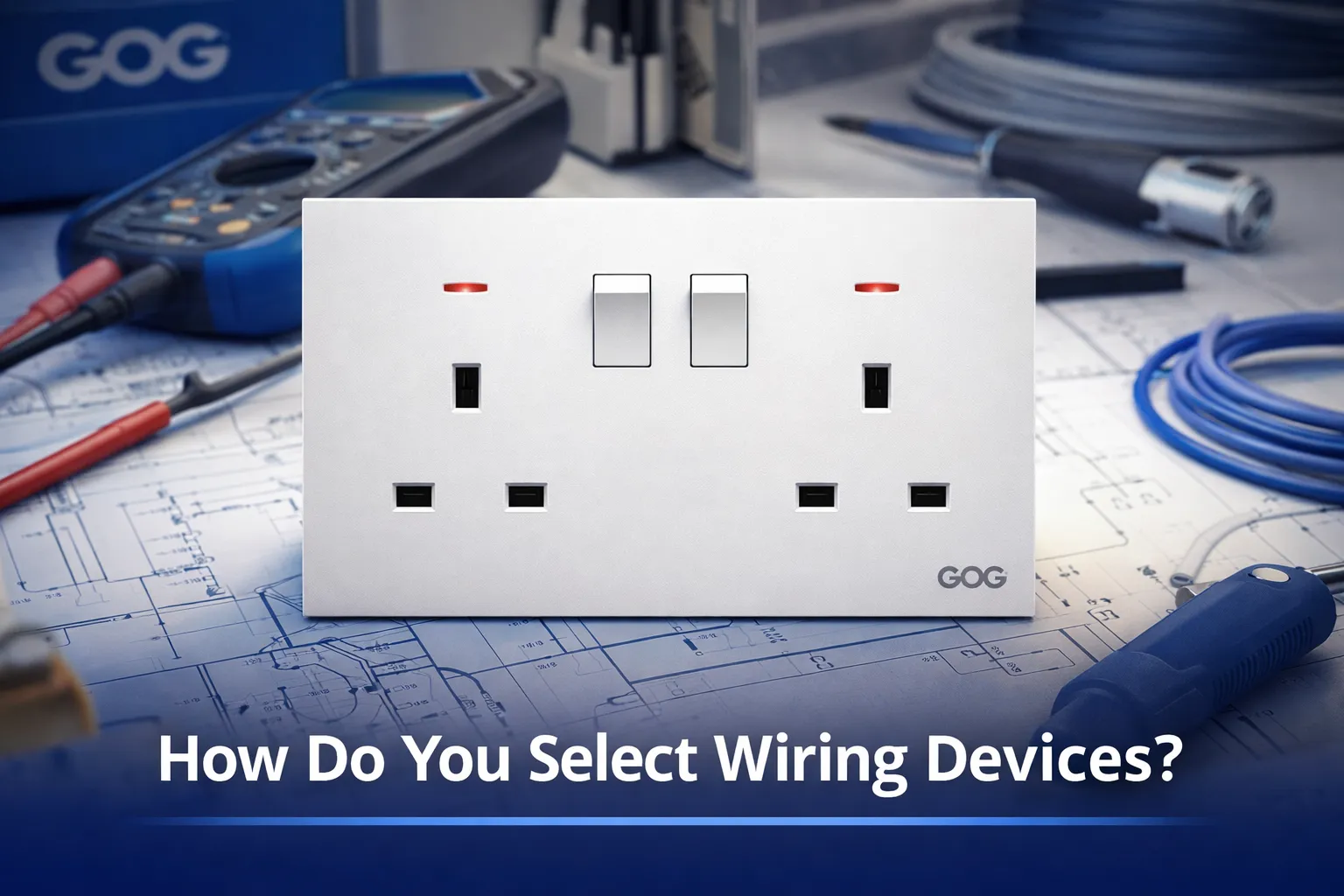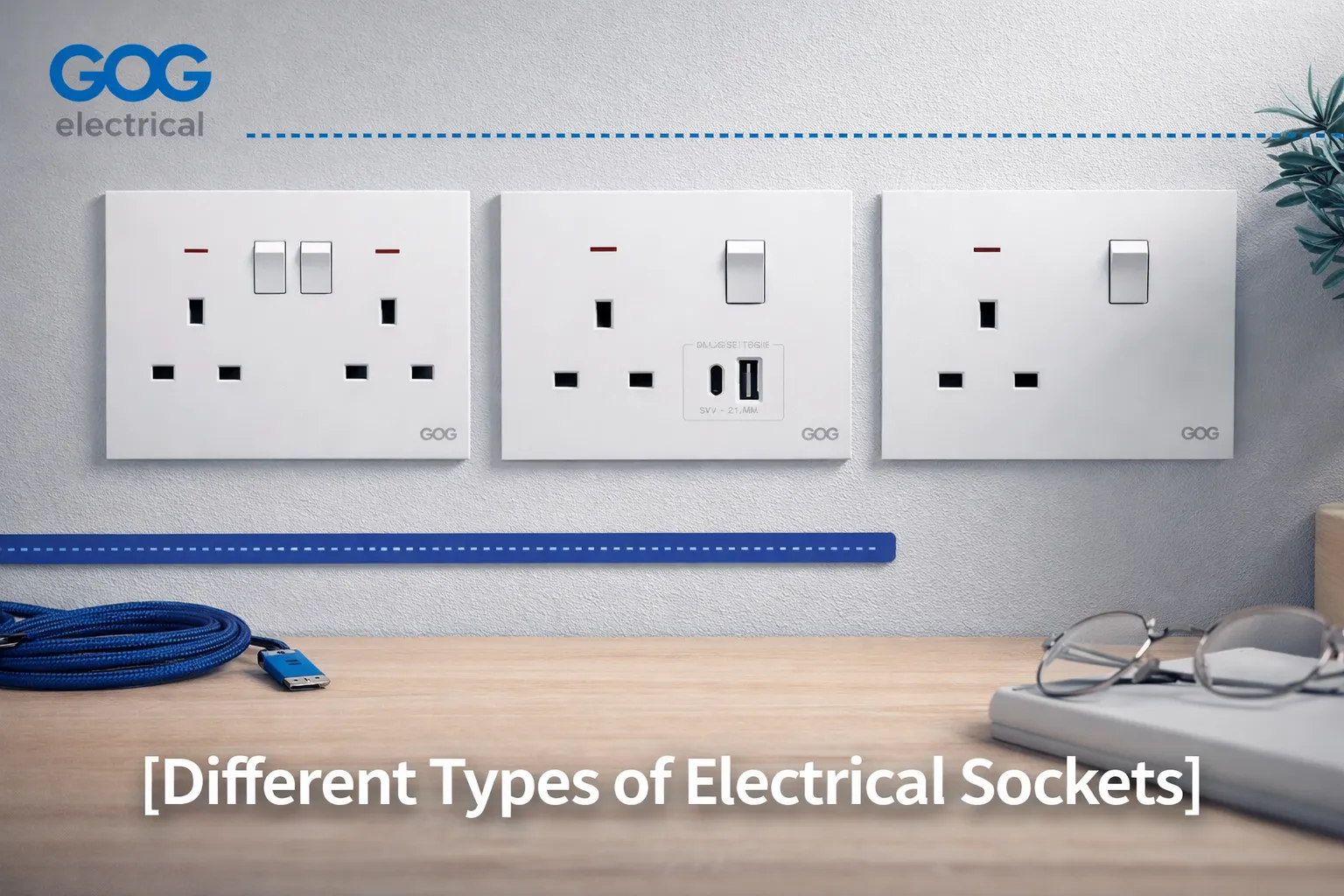
In each country, the voltage of a standard outlet (or wall outlet) differs, with many countries using either 120V (North America and Japan) or 230V (Europe, Asia, and Australia). In the United States and Canada, outlets are typically 120V, whereas in the United Kingdom, European Union, and Australia, they are 230V. This matters because travelers need to ensure their devices are compatible, and homeowners must follow electrical safety standards. Below is a regional overview of voltage standards, outlet types, and custom solutions that may be available from GOG.
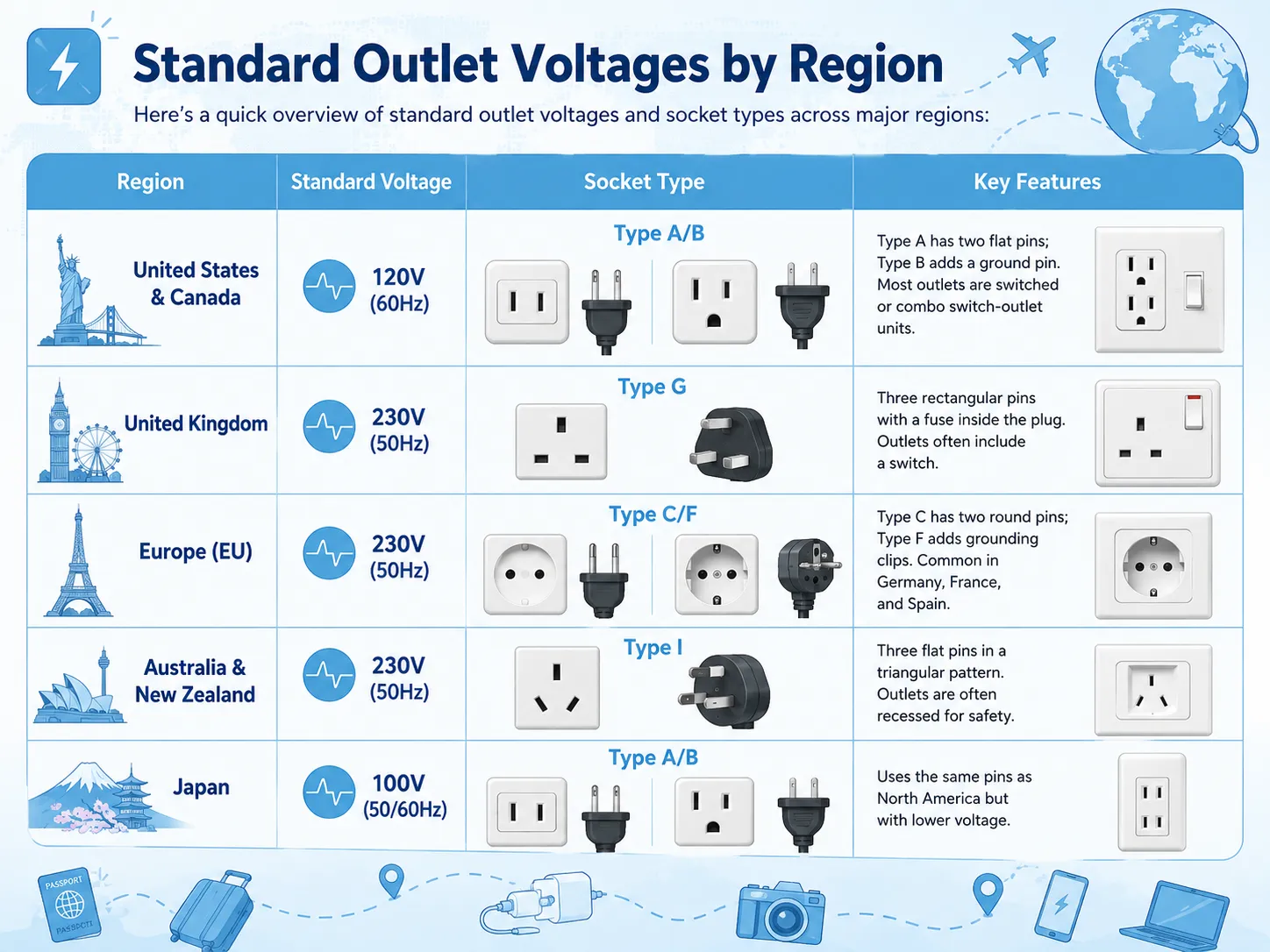
Standard Outlet Voltages by Region
The voltages of standard outlet types around the world can be found below:
| Region | Standard Voltage | Socket Type | Key Features |
|---|---|---|---|
| United States & Canada | 120V (60Hz) | Type A/B | Type A sockets have two flat pins; Type B also has a ground pin. Most outlets may be switched or used as combo switch/outlet units. |
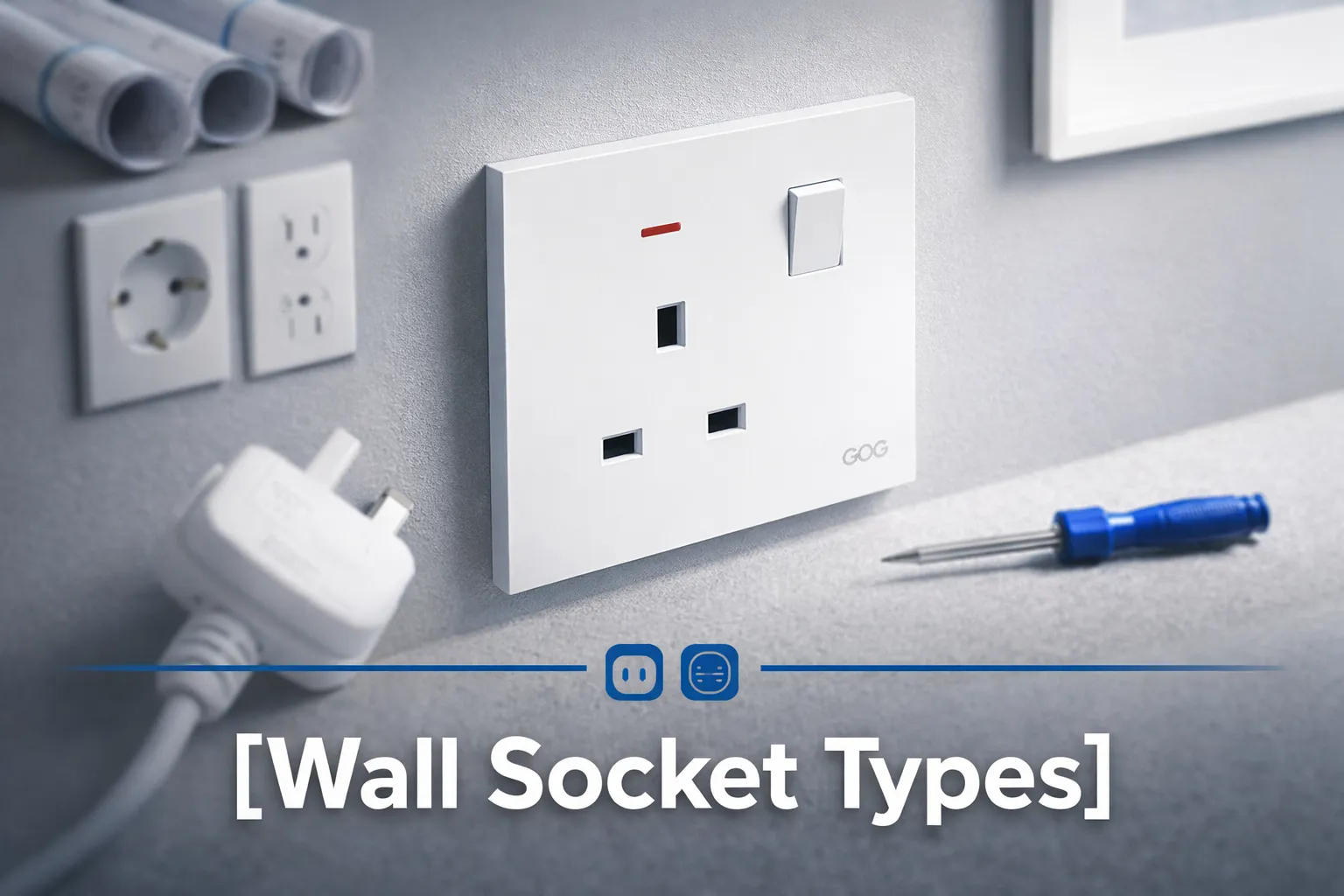
| United Kingdom | 230V (50Hz) | Type G | Three rectangular pins with a fuse in the plug. Many outlets include a switch. |
| European Union | 230V (50Hz) | Type C/F | Type C has two round pins; Type F has grounding clips. Common in Germany, France, and Spain. |
| Australia & New Zealand | 230V (50Hz) | Type I | Three flat pins in a triangular shape. Outlets are often recessed into the wall for safety. |
| Japan | 100V (50/60Hz) | Type A/B | Uses the same pins as North America, but at a lower voltage. |
Understanding 120V vs. 230V Outlets
The historical division between 120V and 230V systems stems from early electrical grid designs. The 120V electrical system is often preferred for home use because the lower voltage level reduces the possibility of electrical shock. The 230V system is more efficient because it supplies the same amount of power with less current, which can reduce wiring costs for large commercial facilities.
The terms “110V” and “120V” are often used interchangeably, but in actuality, the voltage supplied to modern outlets in the United States today is 120V. Likewise, “220V” and “230V” are synonymous across most countries in Europe.
Specialized Outlet Types & Their Uses
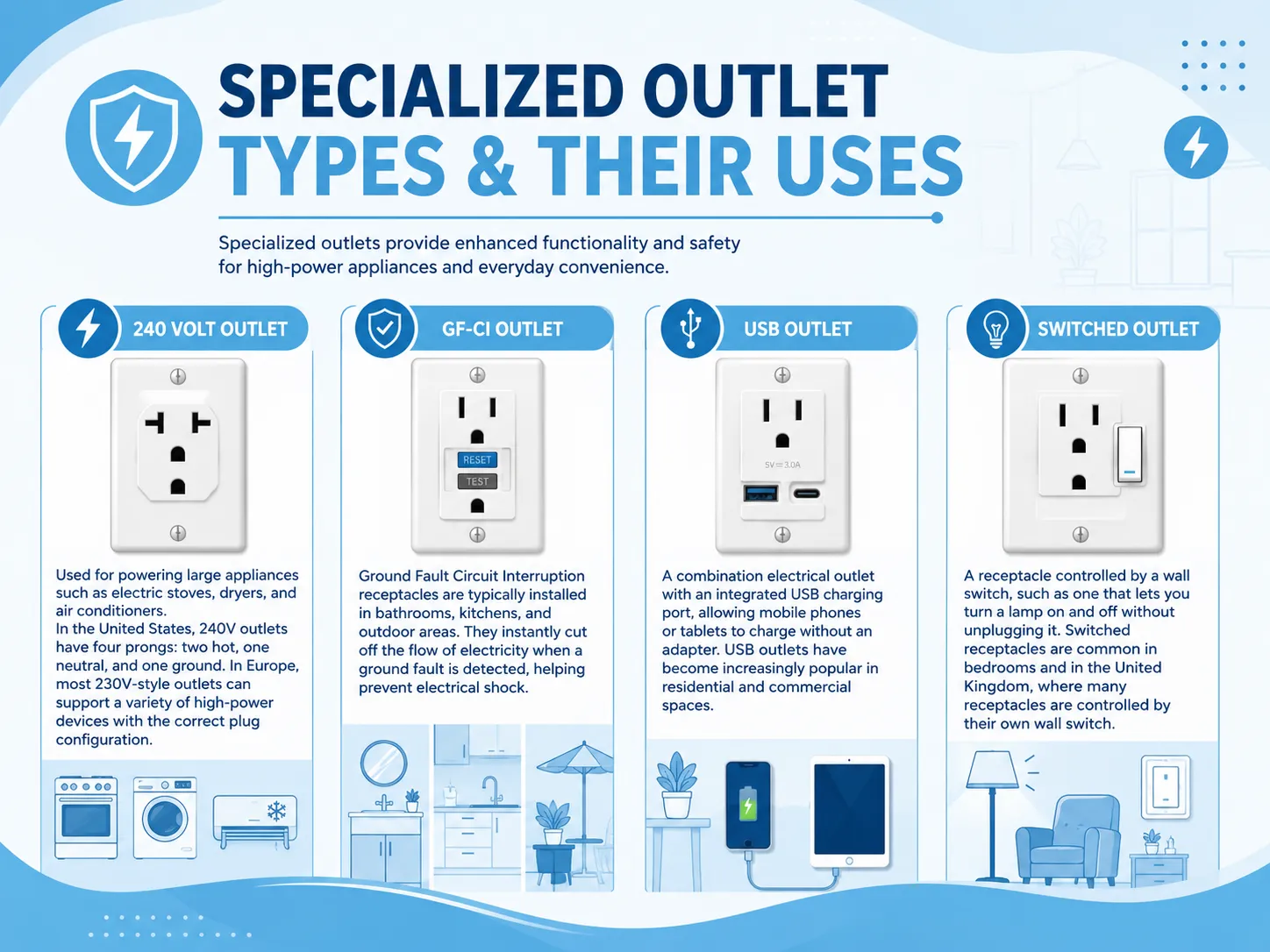
There are several types of electrical outlets that provide specialized functions beyond standard receptacles, especially for high-power devices or safety requirements:
- 240 Volt Outlet: A receptacle used for powering large appliances such as electric stoves, dryers, and air conditioners. In the United States, 240V outlets have four prongs: two hot, one neutral, and one ground. In Europe, most 230V-style outlets can support a variety of high-power devices with the correct plug configuration.
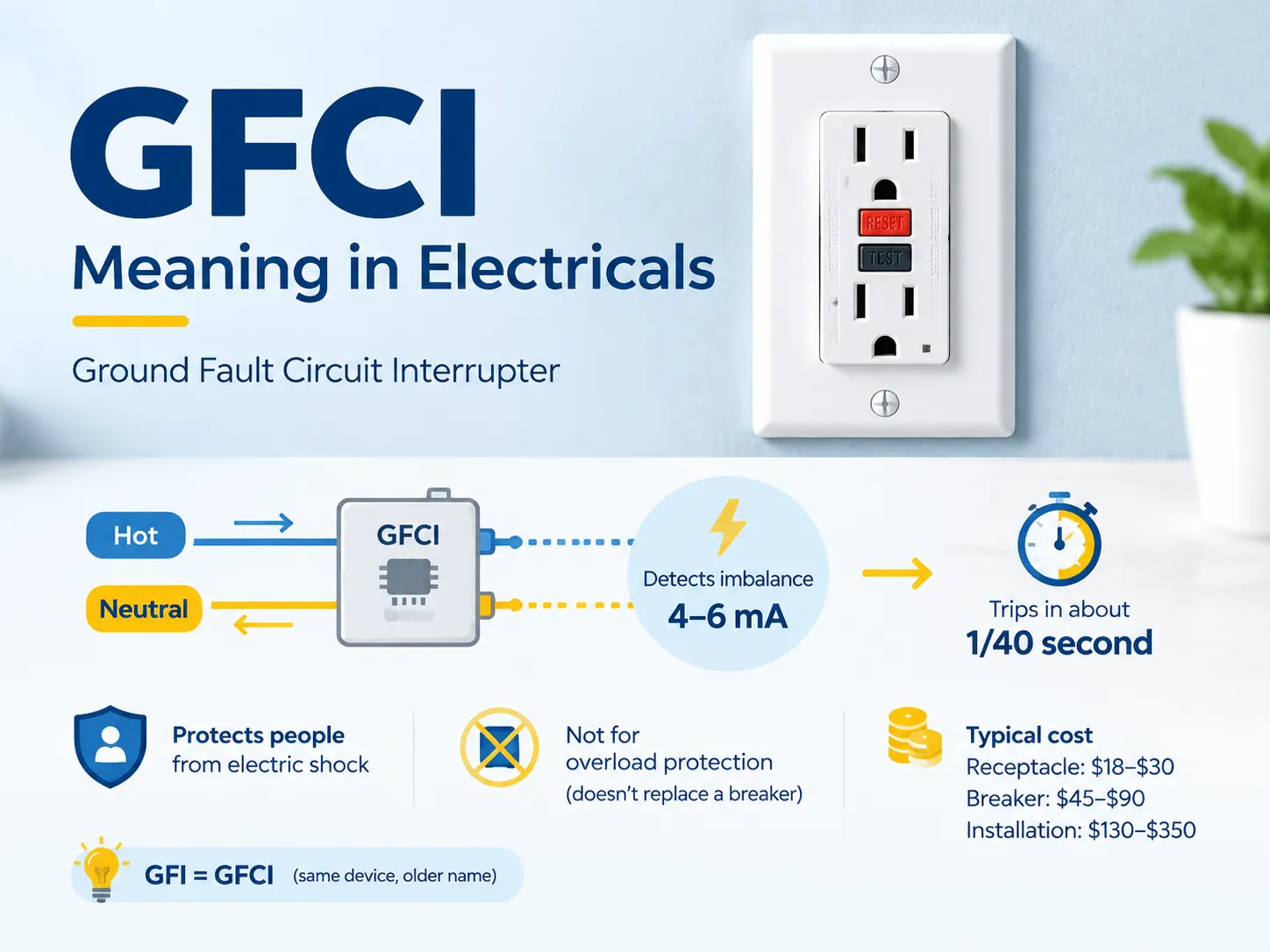
- GF-CI Outlet: Ground Fault Circuit Interruption receptacles are typically installed in bathrooms, kitchens, and outdoor areas. They instantly cut off the flow of electricity when a ground fault is detected, helping prevent electrical shock.
- USB Outlet: A combination electrical outlet with an integrated USB charging port, allowing mobile phones or tablets to charge without an adapter. USB outlets have become increasingly popular in residential and commercial spaces.
- Switched Outlet: A receptacle controlled by a wall switch, such as one that lets you turn a lamp on and off without unplugging it. Switched receptacles are common in bedrooms and in the United Kingdom, where many receptacles are controlled by their own wall switch.
Choosing the Right Outlet
If you are a homebuilder, OEM, or contractor seeking custom electrical products, GOG can fulfill a wide range of needs. GOG specializes in manufacturing and supplying wall switches, wall sockets, and electrical accessories. With OEM and ODM services, in-house research and design capabilities, and mass production capacity, GOG can provide multiple solutions, including:
- Custom-branded outlets that are specific to the regions where they are used, such as Type A/B, G, C/F, I, and more.
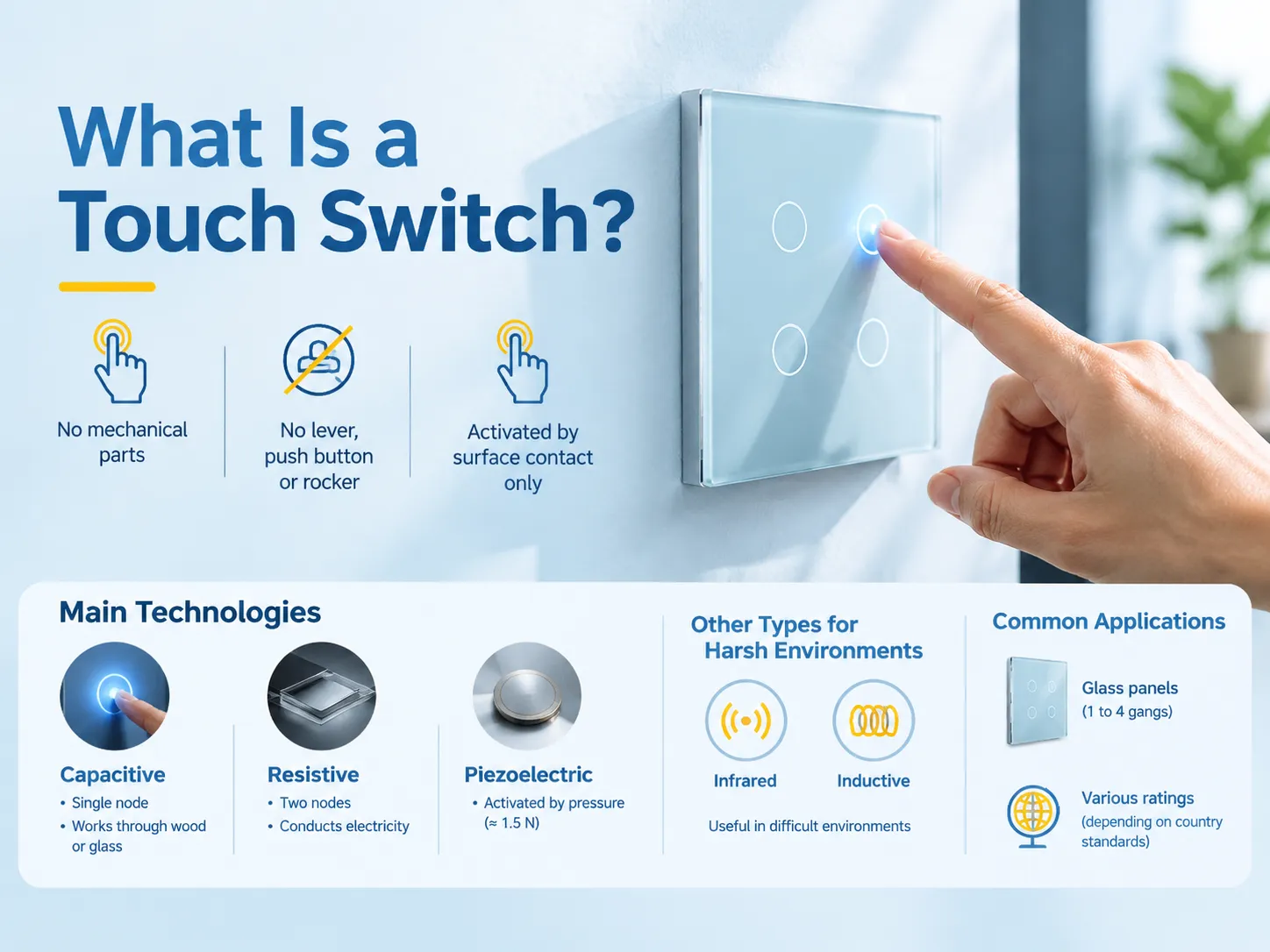
- Combined switch and outlet units, USB-integrated standard outlets, and smart wireless-controlled outlets.
- Safety-certified outlets, including UL, CE, and IEC options, to satisfy global customer requirements.
Through GOG’s end-to-end, fully integrated service model, they help ensure clients’ products comply with local voltage and safety standards. Therefore, GOG’s product offering is an excellent choice for global brands and industrial or commercial construction projects.
Installation & Maintenance Tips for Standard Outlets
Outlets must be installed properly and maintained correctly to keep them operating safely and reliably:
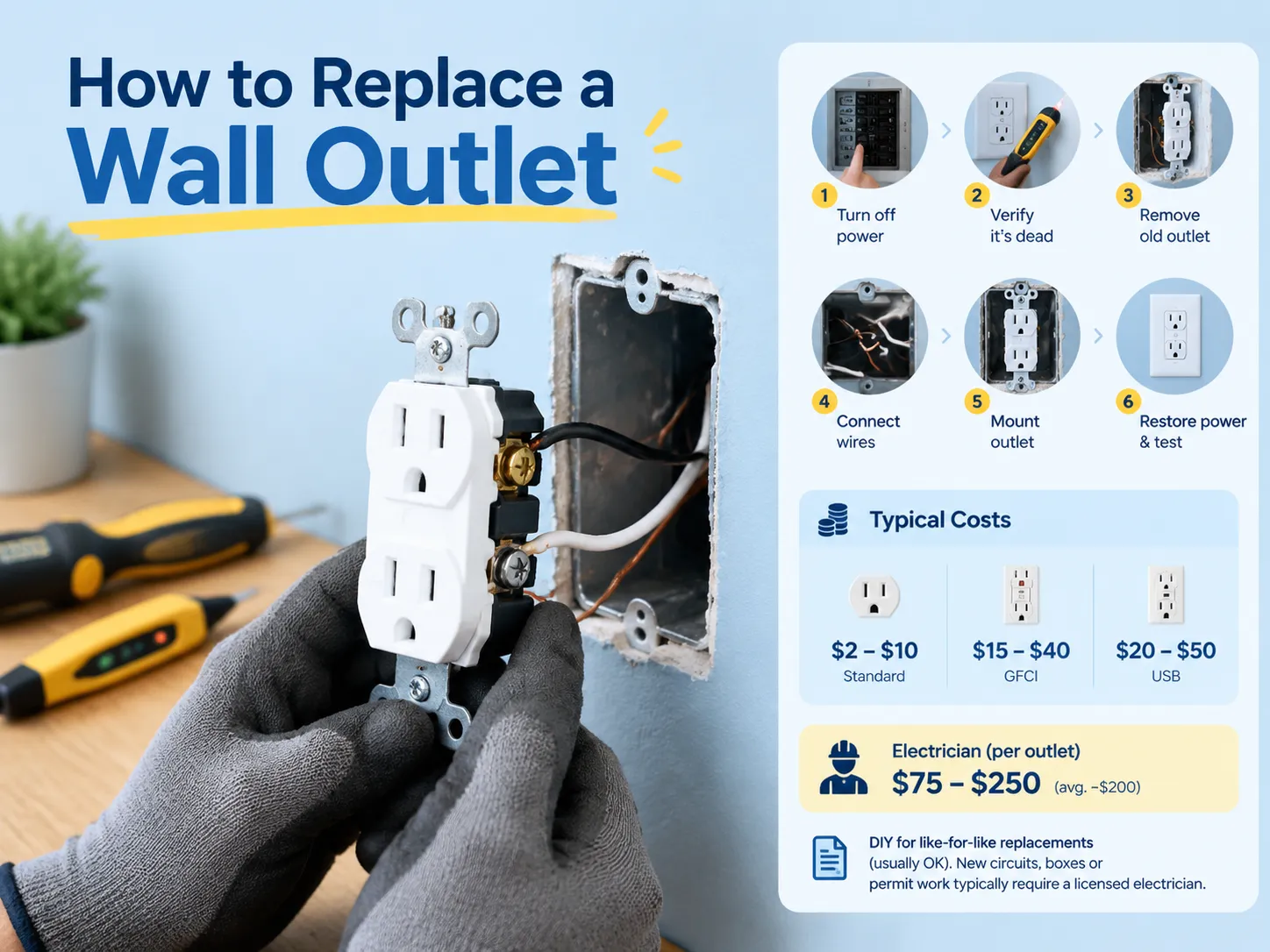
- Hire A Licensed Electrician: Outlets should be installed by qualified professionals, as they must meet local electrical regulations.
- Check Your Outlet Connection To Avoid Loose Connections: Loose connections on an outlet can lead to arcing and fires. They should be tightened, or the outlet should be replaced.
- Test Your GFCI Outlet Monthly: Press the “test” button each month to ensure the outlet is operating correctly. If your GFCI trips, reset it using the reset button.
- Replace Old Outlets: If your outlet is more than 15 years old, the contacts may be worn and more susceptible to starting a fire. You should also consider upgrading to tamper-resistant outlets in homes with children.
FAQ: Standard Outlet Voltages
Are outlets in a house 110 or 120 volts?
All outlets in a modern U.S. house are rated at 120V; however, “110V” is still a commonly used term. Outlets can accommodate a nominal voltage range depending on power demand and grid conditions, but modern U.S. outlets are designed around 120V service.
Can I plug 110V to 120V?
Yes, most 110V appliances were built to operate on 120V power, and the variation is within normal tolerances for most electrical equipment. However, you should not plug a 230V or 240V appliance into a 120V outlet, or use a 120V appliance on a higher-voltage supply, without the proper voltage converter.
How do I know if my outlet is 120 or 240?
You can often tell whether an outlet is 120V or 240V by its prong configuration. Standard 120V outlets usually have two or three contacts, while 240V outlets are larger and commonly have four contacts. You can also determine voltage with a multimeter, but this should be performed by someone with proper experience.
What is a 240 volt outlet?
A 240V outlet is capable of delivering two times the voltage provided by a 120V outlet. Large appliances such as electric stoves, dryers, and hot water heaters often require 240V or similar high-voltage power. In Europe, 230V outlets can support many high-power devices when used with the appropriate plug.
How many volts is a standard outlet in the US/Canada?
The standard voltage for outlets in the U.S. and Canada is 120V (60Hz). Most of the time, Type B outlets with a grounding pin are used, although Type A ungrounded outlets can still be found in older homes.
How many volts is a standard outlet in the UK/Australia?
In the UK and Australia, standard outlets are 230V (50Hz). The UK commonly uses Type G outlets with three rectangular pins, while Australia uses Type I outlets with three flat contacts positioned in a triangular pattern.
The voltage of a standard outlet varies throughout the world. In North America, the standard voltage is 120V, while in most of Europe, Asia, and Australia, the standard voltage is 230V. Understanding these differences is essential for safe travel, appliance compatibility, and home electrical safety. Other outlet types also exist, including 240V outlets for high-power appliances and GFCI outlets for wet locations. Manufacturers of customized outlet solutions, such as GOG, provide builders and OEMs with custom outlet options for new construction and specialized installations. It is also important to hire a licensed electrical contractor and regularly test outlets for safe operation. With the proper outlet type for your geographic location and needs, you can help ensure a safe and efficient supply of electricity to all of your appliances.