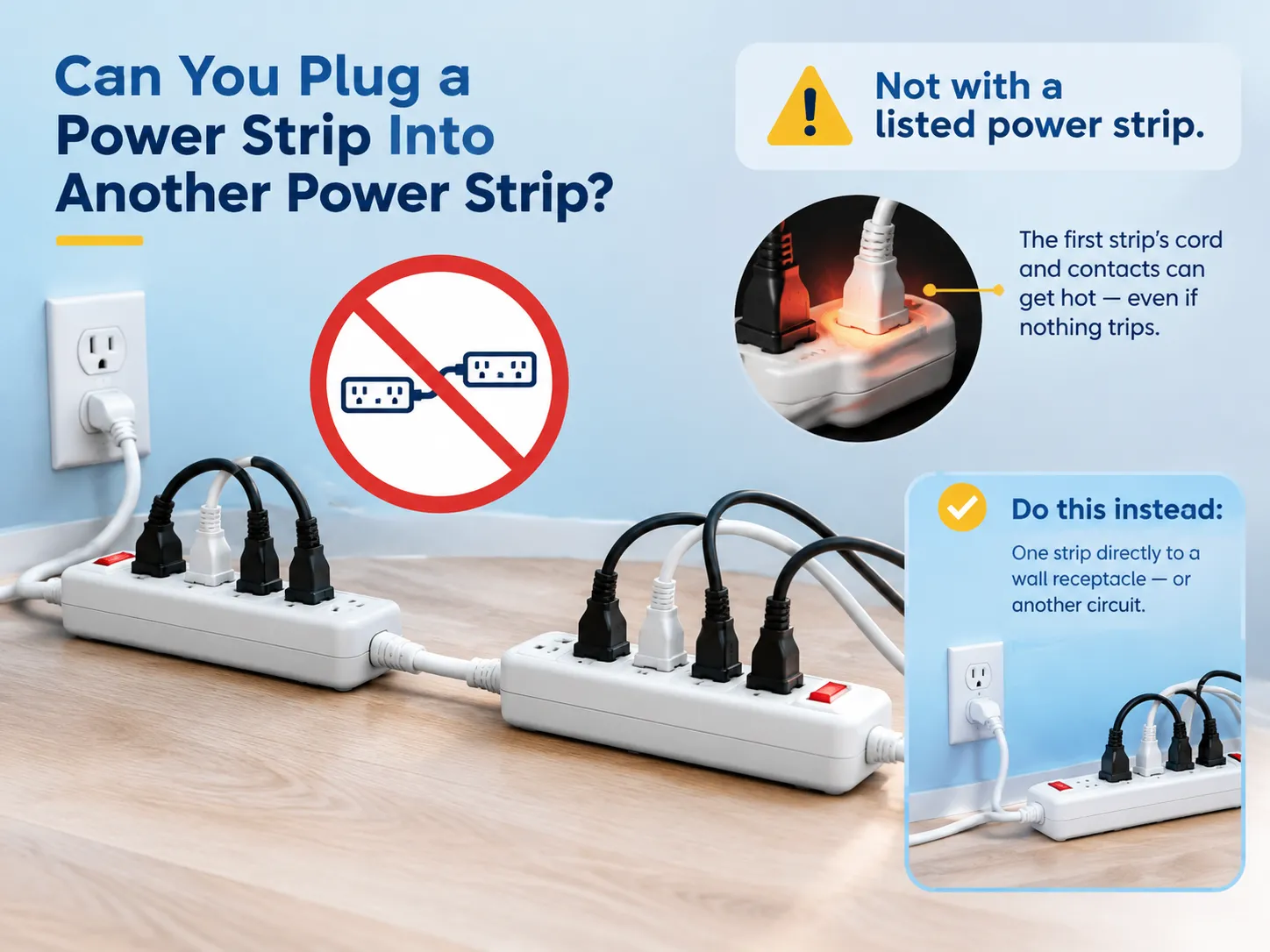
Cada oficina ha experimentado este escenario: una regleta está conectada a otra regleta, que a su vez alimenta un dispositivo como una impresora conectada a ella. A pesar de funcionar, no producir chispas y evitar que un disyuntor se dispare, genera una constante duda sobre la conveniencia de usar regletas de esta manera. Este artículo explicará qué dicen las normativas respecto al uso de regletas de esta forma, por qué no es como la mayoría piensa, qué se permite conectar a una regleta y cómo actuar si no hay enchufes disponibles en la oficina.
En resumen, la respuesta es que usar una regleta listada para esta tarea no funciona. UL 1363 menciona que un tapón de alimentación relocatable conectado mediante un cable no está diseñado para conectarse en serie. Además, OSHA se basa en lo indicado en 29 CFR 1910.303(b)(2). La apariencia es buena porque el disyuntor en la pared se instaló según las especificaciones del circuito y no las de la regleta, por lo que el disyuntor no se dispara hasta que el cable y la conexión de la primera regleta se calientan.
Qué significa realmente “Daisy Chaining”
El término técnico para una regleta es tapón de alimentación relocatable, también referido como RPT en la terminología UL 1363. Daisy chaining significa conectar una regleta a otra regleta, así como un cable de extensión conectado a una regleta o una regleta conectada a un cable de extensión para el mismo resultado. En la industria, si hay diferentes tipos de dispositivos, se llama cadena mixta.
En lenguaje cotidiano, se refiere como “piggybacking”.
No hay discriminación entre las clasificaciones anteriores en los códigos. Una cadena es una cadena en todos los casos.
Lo que dicen las Normas, en orden de fuerza
Hay cuatro documentos que tratan este asunto y se refuerzan mutuamente. Si solo debe recordar uno, es el primero:
UL 1363, Sección 1.7. Esta norma establece, sin lugar a dudas, que el tapón de alimentación relocatable (RPT) no está destinado a usarse con otro RPT. Esto se reitera en el UL White Book bajo la categoría de tapones de alimentación relocatables, que especifica que los RPT deben conectarse a un receptáculo fijo y no usarse en serie con otros RPT o cables de extensión.
OSHA 29 CFR 1910.303(b)(2). Esta regulación establece: “El equipo listado o etiquetado debe instalarse y usarse de acuerdo con las instrucciones incluidas en la lista o etiqueta.” Dado que cada regleta listada tiene instrucciones que prohíben la conexión en serie de regletas, el daisy chaining viola esta regulación. OSHA creó una interpretación aún más estricta con la ayuda de una carta que detalla su posición sobre los tapones de alimentación relocatables, estableciendo que los RPT listados por UL deben conectarse únicamente a receptáculos fijos de circuitos ramales.
NFPA 1, Capítulo 11. En el Código de Incendios, también hay una mención directa a los RPT. Deben tener polarización, conexión a tierra, protección contra sobrecorriente, estar listados, estar conectados a un receptáculo fijo, y los cables no deben pasar detrás de paredes, techos o pisos, ni bajo puertas o revestimientos.
NEC 400.12. Los cables y cordones flexibles no pueden reemplazar el cableado fijo de un edificio. Por lo tanto, una cadena larga usando cordones que cruzan la habitación es completamente ilegal.
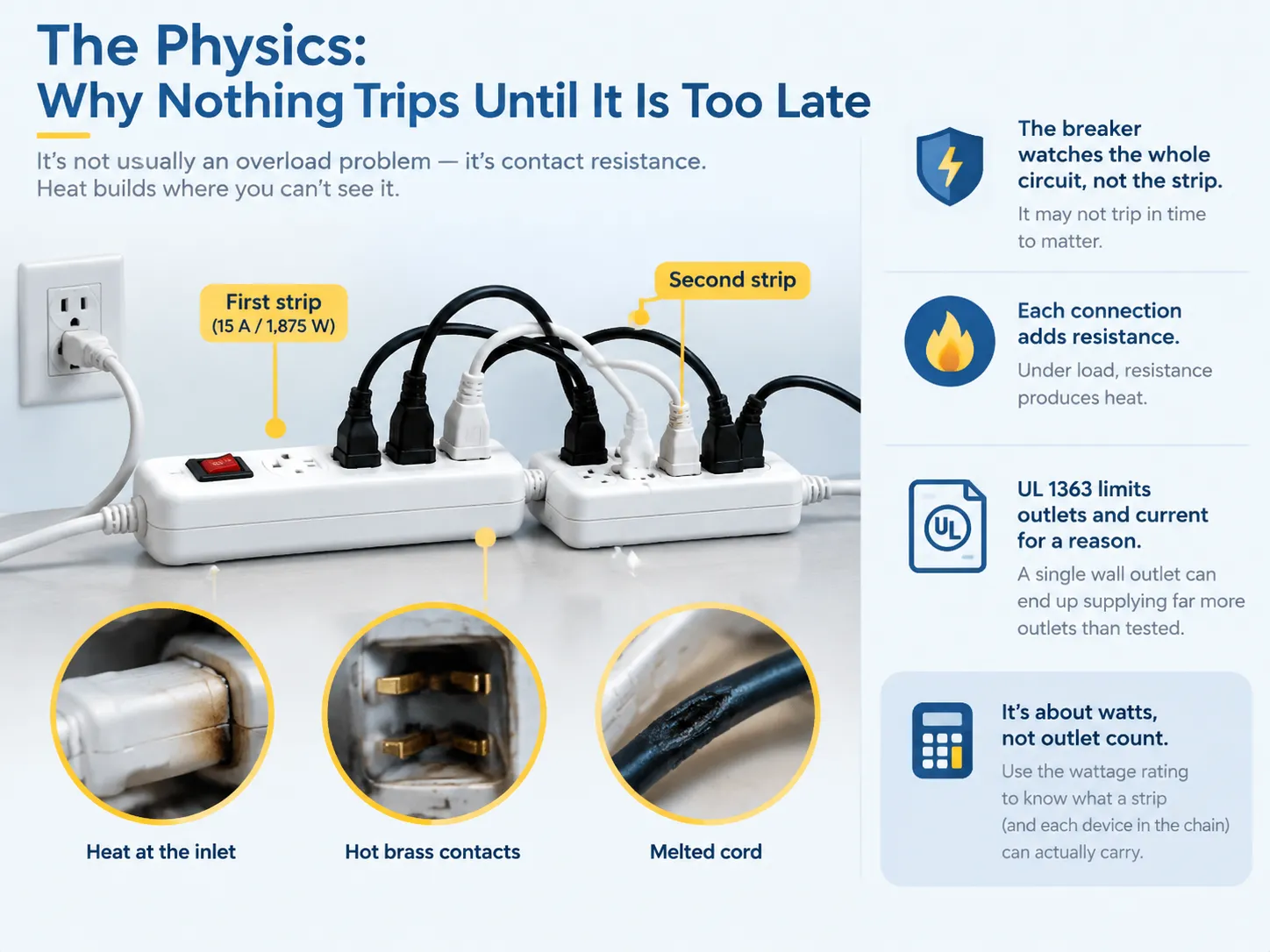
La Física: Por Qué Nada Dispara Hasta Que Es Demasiado Tarde
El concepto de “daisy chaining” es muy engañoso. La gente piensa que la falla radica en que el circuito está sobrecargado y que un interruptor automático los protegerá. Pero probablemente no sea así.
Típicamente, un circuito derivado en EE. UU. puede manejar 15 A o 20 A. Una regleta que ha pasado pruebas probablemente esté clasificada para 15 A a 125 voltios para un total de 1,875 W. Sin embargo, esta clasificación aplica a toda la regleta: el cable y el cableado interno de la regleta. Cuando conectas otra regleta a la primera, la carga en el primer circuito parece ser mayor de lo que puede detectar el interruptor automático.
El proceso que conduce a este fenómeno se llama aumento de la resistencia de contacto. La conexión enchufe-receptáculo en el dispositivo añadido incrementa la resistencia, lo que a su vez genera calor. Te sorprenderá saber que el calor se acumula en la etapa invisible del proceso: la que ocurre dentro de la entrada de la regleta inicial. La misma situación ocurre en los contactos. Este calor provocaría el derretimiento de los cables y daños en los receptáculos en lugar de disparar el interruptor automático.
Por eso la aritmética importa más que la apariencia. Calcular lo que una regleta puede realmente soportar se basa en vatios, no en la cantidad de tomas, y la misma matemática usada para cuántos vatios puede manejar una sola toma se aplica a cada dispositivo en la cadena.
Cuando Es Técnicamente Aceptable, y Por Qué Aún Así Es la Respuesta Incorrecta
Algunos argumentarán que tener dos regletas que alimentan una laptop, un monitor de computadora y un cargador de teléfono no debería afectar el sistema eléctrico ya que su consumo total no debería exceder los 200 W, pero ese argumento es irrelevante. Esencialmente, los códigos están escritos para un escenario con cargas máximas y la certificación no provee excepciones para cargas pequeñas. Por lo tanto, una cadena que puede considerarse segura puede dejar de serlo tan pronto como se conecte un calentador sin volver a verificar la regleta.
También hay un aspecto de seguros aquí, ya que la certificación UL y los requisitos OSHA son el estándar de comparación usado por la mayoría de las compañías de seguros y departamentos de bomberos al investigar incendios causados por cadenas en hogares o establecimientos.
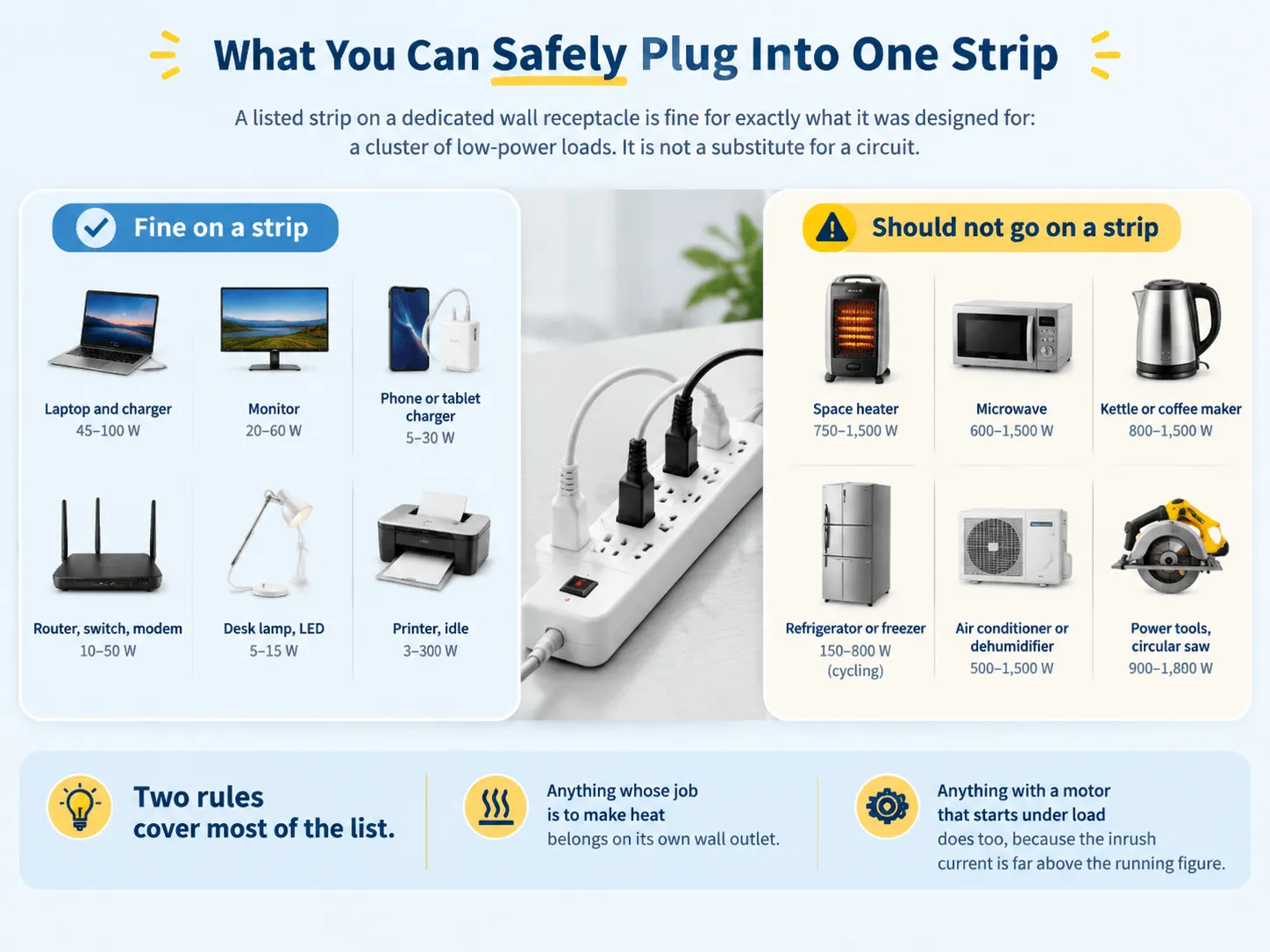
Qué Puedes Conectar de Forma Segura en Una Regleta
Una regleta listada en un receptáculo de pared dedicado está bien para exactamente lo que fue diseñada: un conjunto de cargas de baja potencia. No es un sustituto de un circuito.
| Aceptable en una regleta | Consumo | No debe conectarse en una regleta | Consumo |
|---|---|---|---|
| Laptop y cargador | 45–100 W | Calentador de ambiente | 750–1,500 W |
| Monitor | 20–60 W | Microondas | 600–1,500 W |
| Cargador de teléfono o tableta | 5–30 W | Hervidor o cafetera | 800–1,500 W |
| Router, switch, módem | 10–50 W | Refrigerador o congelador | 150–800 W en ciclo |
| Lámpara de escritorio, LED | 5–15 W | Aire acondicionado o deshumidificador | 500–1,500 W |
| Impresora, en reposo | 3–30 W | Herramientas eléctricas, sierra circular | 900–1,800 W |
La mayoría del resto puede regirse por dos principios. Cualquier equipo que genere calor debe conectarse a una toma aislada. Lo mismo aplica para un dispositivo que inicia su trabajo bajo carga debido a que la corriente de arranque es mayor que la cantidad operativa.
Para qué está realmente clasificada una regleta de alimentación
Prior to making a purchase, it is important to look at three figures indicated on the label: the amp rating, wire gauge, and joule rating.
A strip rated for 15A/1875W with a 14AWG wire is the standard US requirement, and it is the wire gauge that provides the true limit; 14AWG copper is good for 15A, 16AWG for 13A, and thus if the strip specifies 15A on a 16AWG wire, it exaggerates. Strips that do not possess an internal circuit breaker do not provide any safety measure beyond that offered by the branch circuit breaker. Surge protection joule rating indicates how much energy is absorbed by the metal oxide varistor before it malfunctions; a varistor that absorbed its joule rating is inoperative and will not provide indication of that failure.
GOG builds in this category as a wiring-device manufacturer rather than a consumer brand, producing switched sockets, extension sockets and the receptacles they plug into for OEM and private-label programs. The range and the OEM terms are set out on the socket manufacturing page.
Better Answers Than a Second Strip
If one strip does not suffice, consider the items mentioned below, which resolve the situation at its source instead of piling the devices on themselves.
- Get a longer strip. One 10- or 15-foot strip can take over for a whole chain of power strips and put the entire load on the one cord.
- Use a second wall outlet circuit. It is common to find outlets at the opposite wall of the room on a different breaker. This will ensure that both circuits can handle the load of a high-current-consuming desktop.
- Install additional outlets. A circuit’s output limits the number of outlets it can support, and that is how many it can run.
- Use a rack PDU. When dealing with racks, rack-mount PDUs are the solution when power strips simply cannot work.
- Use a UPS with enough outlets for the workstation. It combines a battery backup and a surge protector in the single listed unit.
US, UK and EU Strips Are Not Interchangeable
The daisy-chain concept is worldwide, but ratings are. This poses a threat to people buying online. The standard US strip is rated at 15 A and 125 V. In the UK, BS 1363 specifies 15 A and the strip is often included with a fuse also rated at 15 A. The European strip uses type F or Schuko plug; its rating is 16 A at 230 V and is usually not interrupted by any switches or circuit breakers. All British plugs are also fused.
Connecting a strip with the market where it will be used has a great value. If a 15 A US circuit is connected to a 16 A European strip using an adapter, the strip is rated higher than the fuse or circuit protection upstream of it.
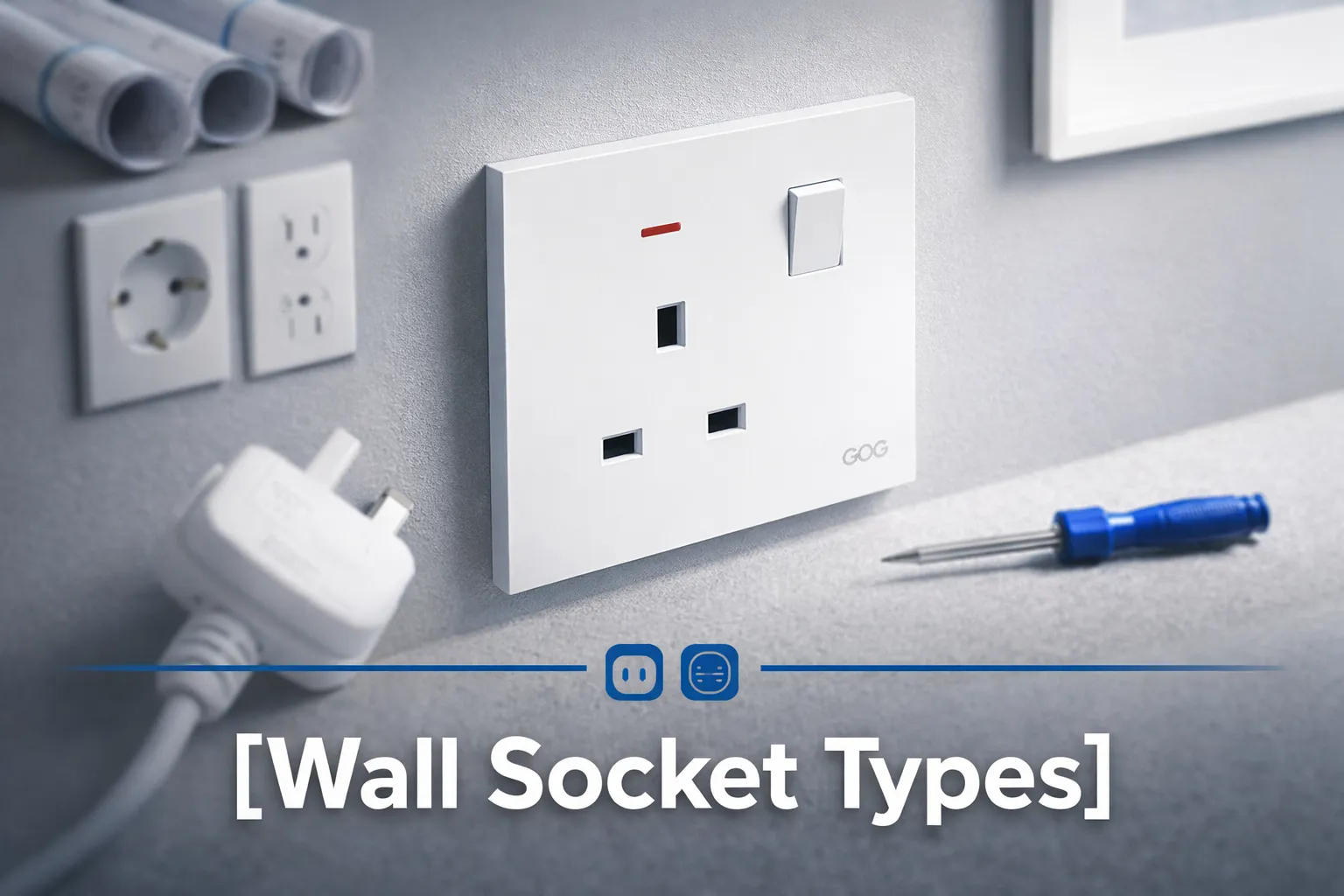
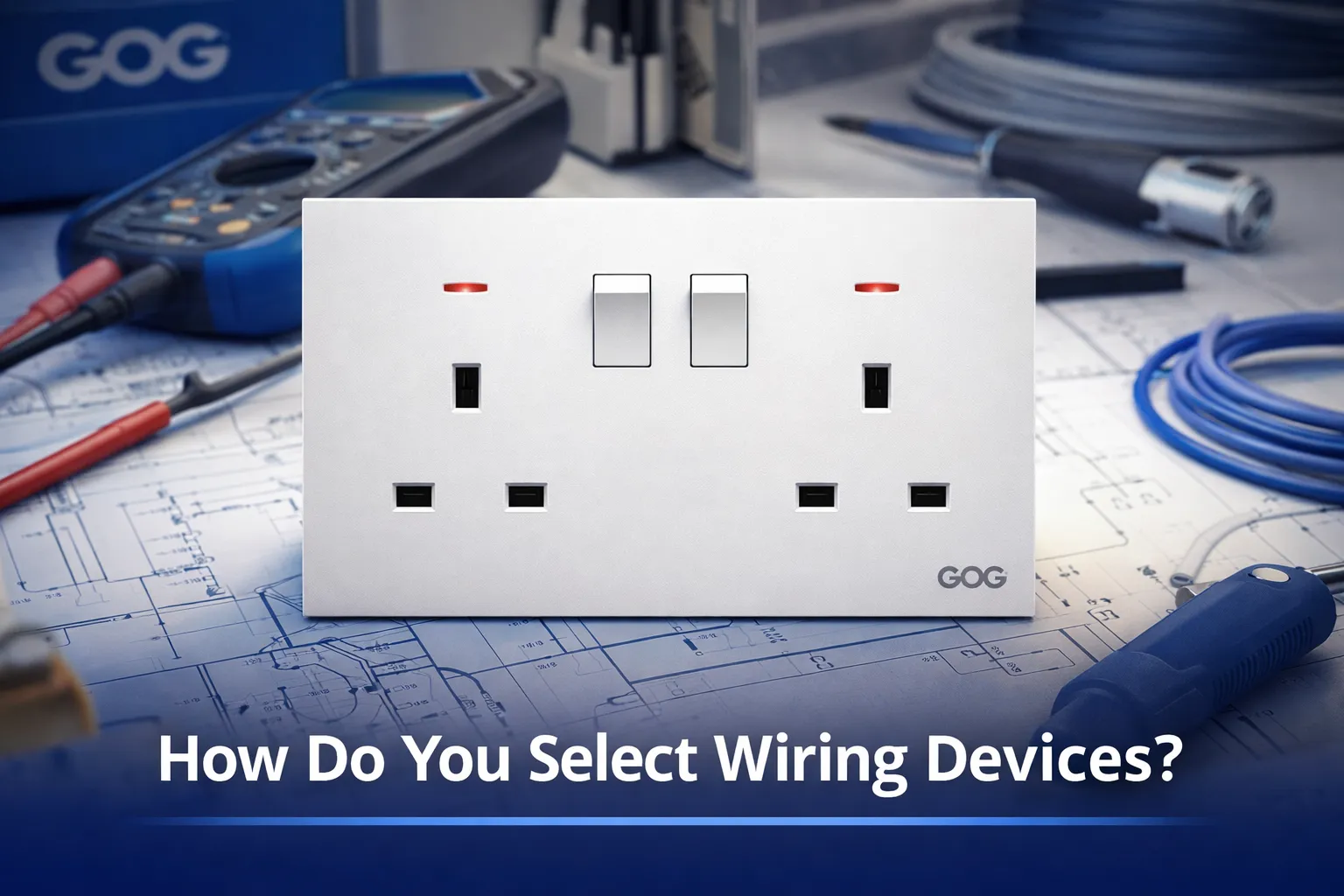
For UK and Ireland installations, a fused British Standard extension socket such as this 4-way BS extension socket with USB-C keeps the protection where the standard expects it, with the fuse in the plug rather than in the strip. In North America the same logic points to a strip with a 15 A / 125 V rating, a 14 AWG cord and its own integral breaker.
Preguntas frecuentes
Can you connect a power strip to another power strip?
Certainly, not when dealing with a product that has received certification. The specifications of UL 1363, particularly Section 1.7, indicate that a relocatable power tap which is dependent on a cord is not supposed to be linked with another relocatable power tap using a cord, and this guideline has also been confirmed by the UL White Book. The guideline by UL has been implemented by OSHA through the enactment of 29 CFR 1910.303(b)(2), which obligates the use of equipment that has a listing according to its listing guidelines.
Is it okay to plug a power strip into a power strip?
In this case, one should keep in mind that the problem of circuit protection is not limited to the prospect of branch circuit breaker malfunctioning because the reality of the situation is that protection never kicks in until the condition becomes dangerous. Recent connections only intensify resistance, with the first power strip’s wires and contacts baring the responsibility for all devices connected downstream since they are exposed to the total current supplied to the circuit with the circuit breaker only breaking down if a single circuit has overloaded.
¿Qué nunca debes enchufar en una regleta?
Any device that produces heat or comes close to the maximum capacity of the outlet: space heaters, kettles, coffee machines, microwaves, toasters, hair dryers, irons, and portable air conditioners. Be careful with heavy-duty motor devices that switch on while loaded, like circular saws and big compressors. These loads need separate dedicated outlets.
Is it okay to connect one power strip to another so you have enough outlets, or to make it long enough to reach your plug?
Regardless of the intention, the rule remains the same. If you seek to have additional plugs, buy either an extension cord of adequate rating or a long plug strip since using an extension cord together with a plug strip will result in a series connection which is against the rules. The solutions to having more plugs are additional outlets, another circuit, or a rack power distribution unit. Plug strips help create many outlets but do nothing in terms of power rating increase, which is the entire issue.
Do surge protectors make daisy chaining safe?
No. A surge protector is still an RPT under UL 1363 and therefore, the limitation on the listing remains the same. Even worse, if two surge protectors are connected together, the clamping behavior will be randomized, and no additional protection will be given, since the second device has nothing to protect that the first does not protect.
Referencias
- OSHA — Compliance requirements for relocatable power taps or “power strips” (Standard Interpretation)
- UL Standards & Engagement — UL 1363, Relocatable Power Taps
- NFPA — NFPA 1 Fire Code (Chapter 11, relocatable power taps)
- Interpower — Not Safe: Daisy Chaining Power Strips
- AZoM — Is Daisy Chaining Power Strips Safe?
Conclusión
The regulations regarding power strips, which were created to allow the devices to be marketed in the first place, do not allow connecting one power strip to another due to the fact that even though the wall switches help with the circuit control, there is still heat in the first strip wires and contacts which does not have any supervision whatsoever.
As for the practical considerations, it is recommended to opt for either another longer strip or replace the cord with the one of the necessary specifications in order to get rid of any challenges. Besides, it is important to move the power-consuming loads from the power strip before getting connected to it. Finally, when buying a product check the amperage, the wire size and whether the strip is supplied with the required breaker for proper functionality and get the idea of the capacity far better than by counting the sockets mentioned on the box.