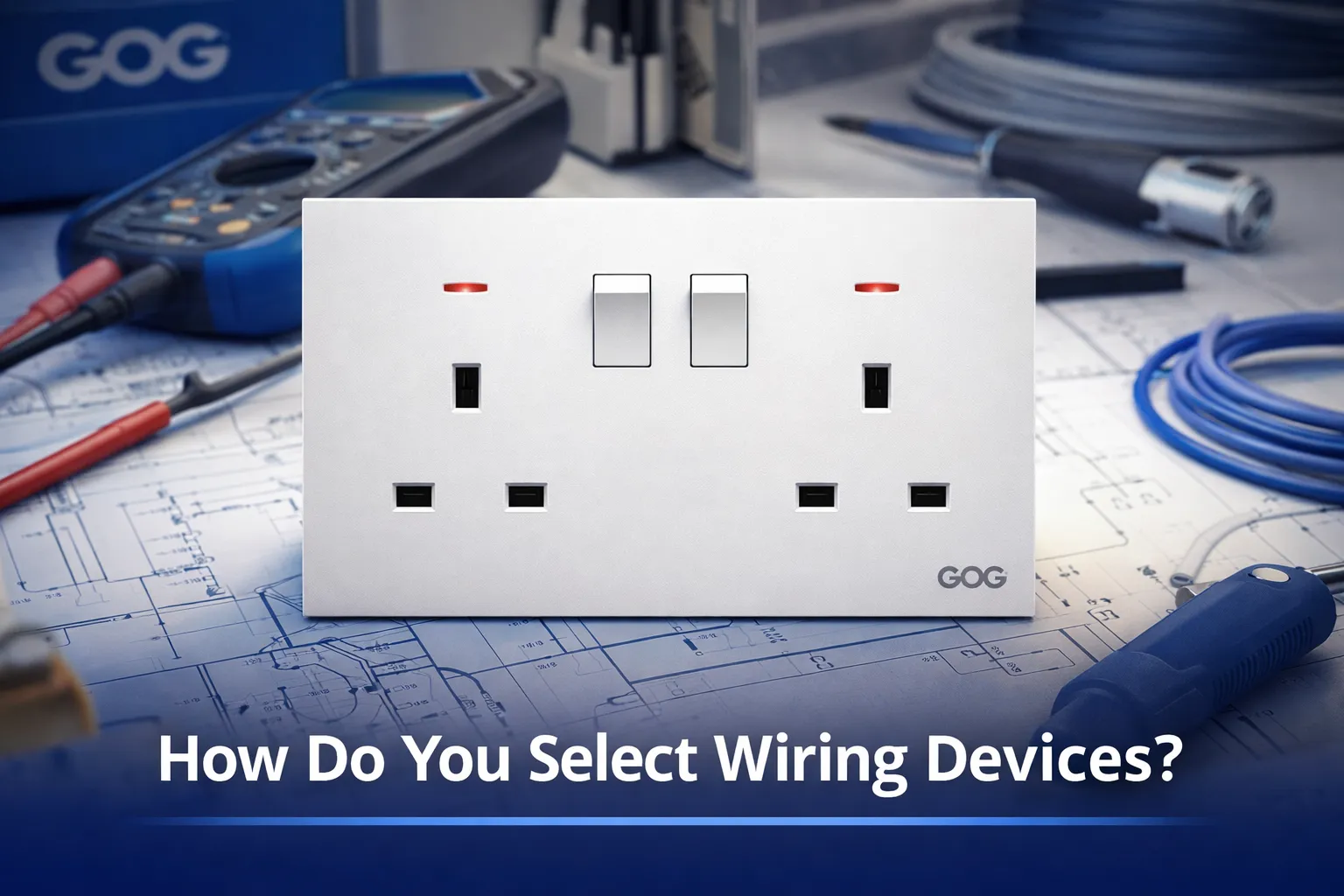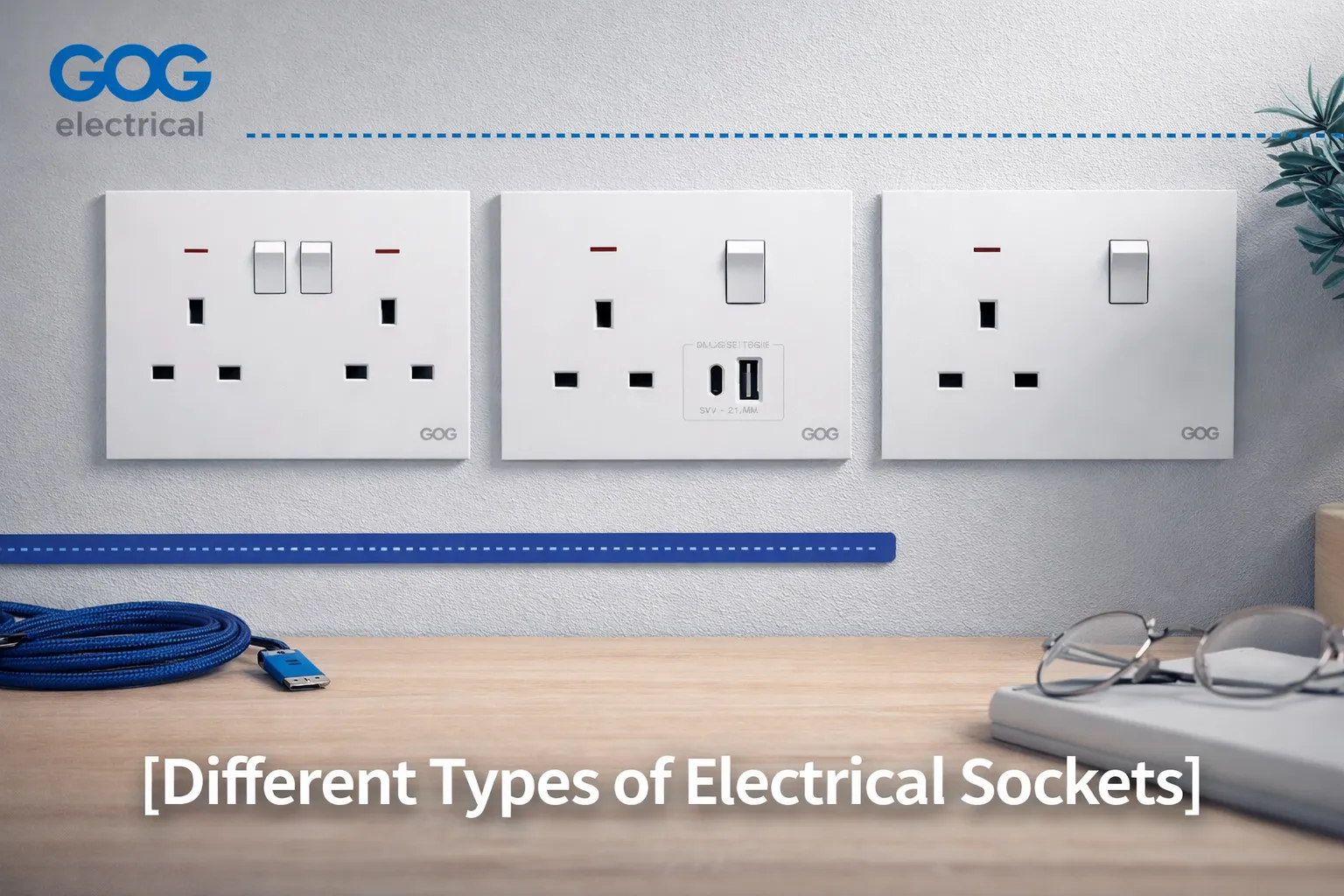
What Are Two Switchs Socket?
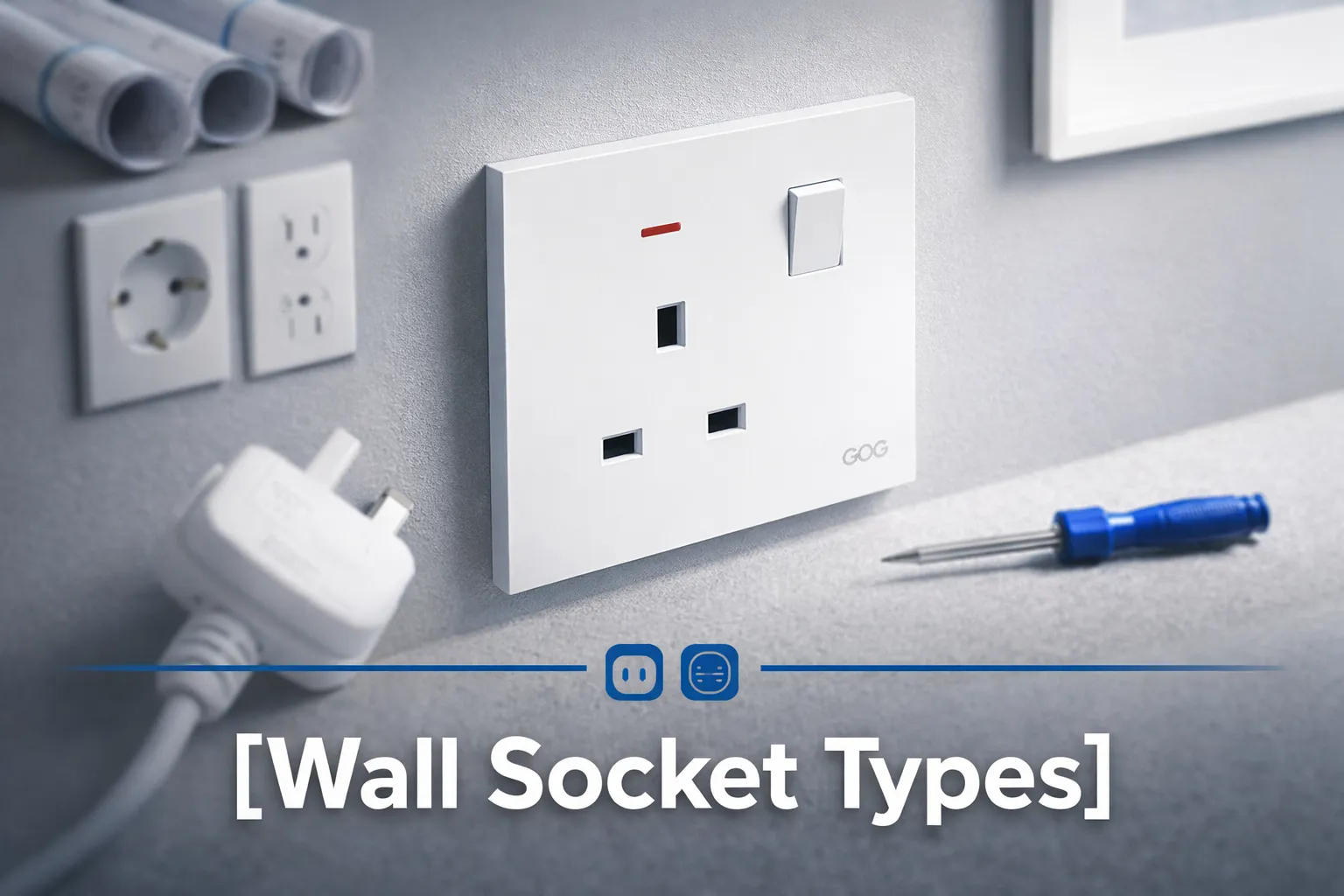
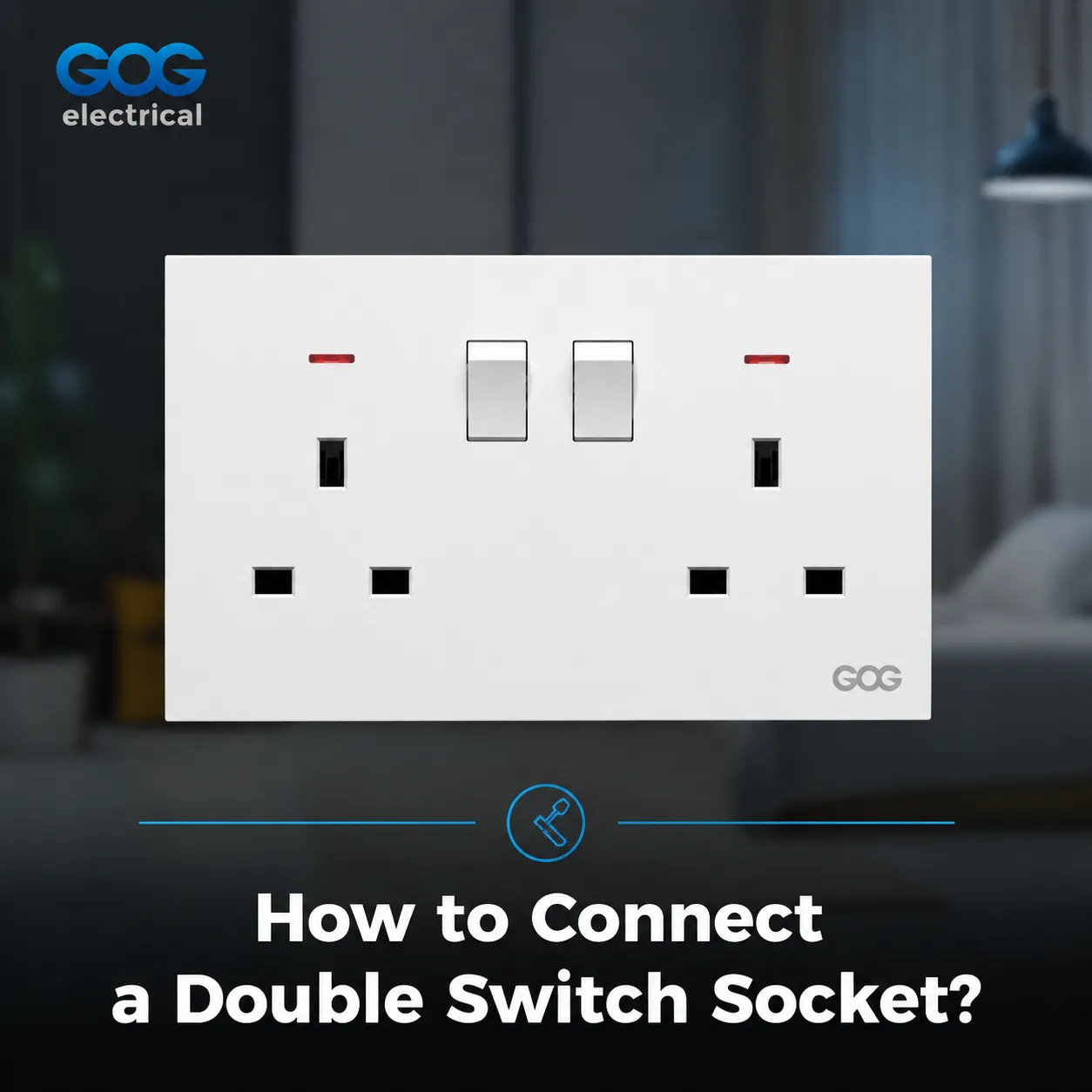
The use of a double switch socket is for two switches and an outlet all from one entry point. The two switches can be used as controls for lights and appliances (or any other type of electrical device) that are connected to the socket. The terms double socket light switch, double pole combination switch socket and light switch and outlet are all commonly used in referring to the double switch socket. Double switch sockets can be found in homes across the country; however, you will mainly find them located in places where there is some need for multiple functions of one unit versus having separate outlets and switches in those areas. Some example locations contained in most homes are kitchens, dining areas, and bedrooms.
What Tools and Materials Will You Need?
You will need the following tools and materials prior to getting started:
- Screwdrivers
- Wire Cutters / Wire Strippers
- Combination Pliers
- Voltage Tester
- Double Switch Socket Unit
- Electrical Wires of Standard Sizes For Your Installation
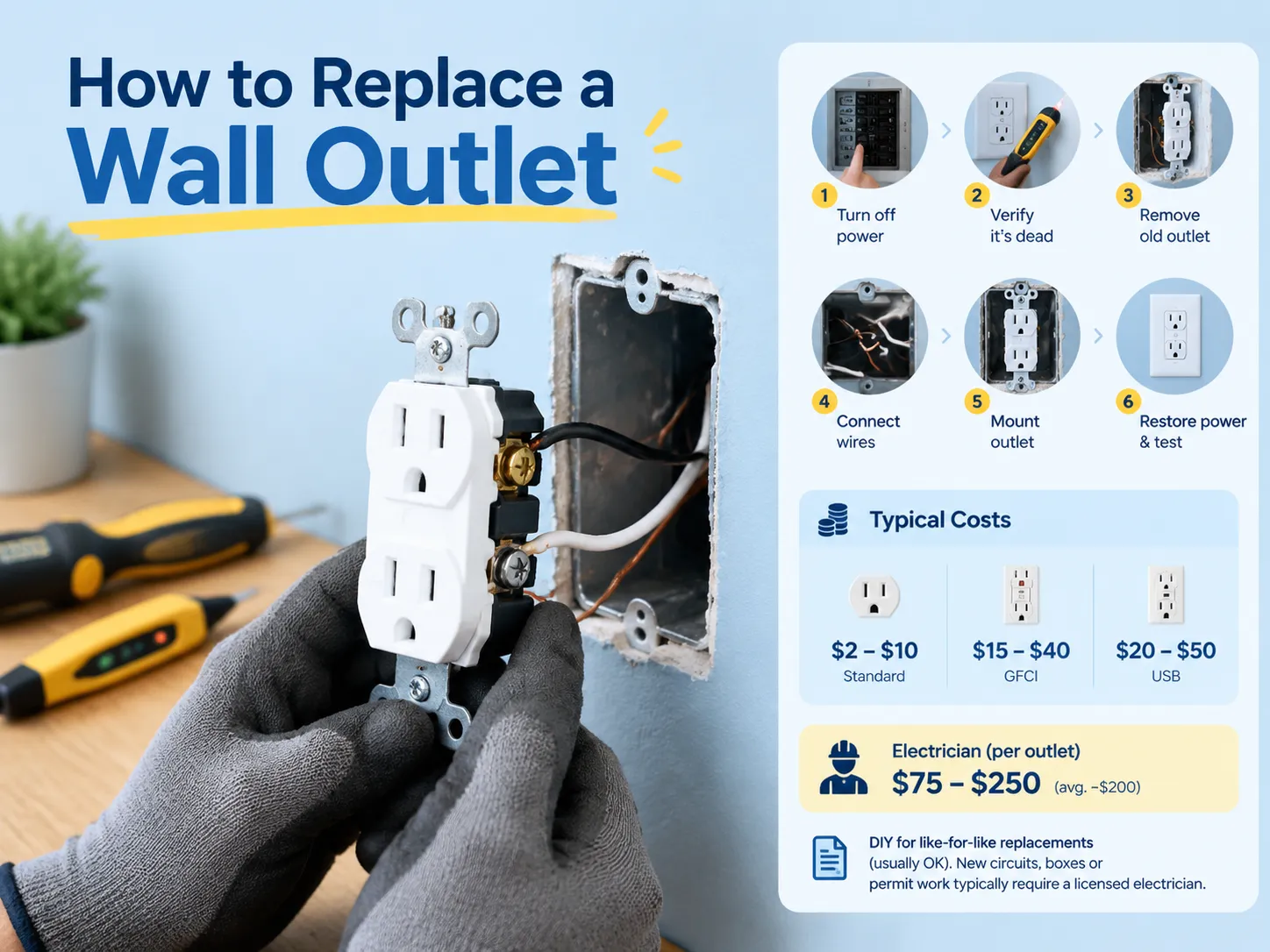
Once everything has been obtained to get started, you will also want to ensure that you turn off your breakers in order to avoid accidents while working on your double switch socket project. You can confirm if electricity is present at the location where you will be working using a voltage tester.
How To Connect A Double Switch Socket
1. Preparing To Wire The Double Switch Socket
When completing household wiring, you will use 3 different wire colors being Live (L), Neutral (N), and Earth (E). Each of these three wires will need to have enough length to connect with the terminals located at your double switch socket. You should use wire strippers to expose around 10 – 12mm of insulation on one end of each wire.
2. Wiring Diagram
A wiring diagram for your double socket should be included on the device itself or in the manual/installation guide; however, if no wiring diagram is available, you can also get one from an electrical supplier, an electrician or the manufacturer. The wiring diagram will be important since it shows how to wire the three electrical terminals on the double switch socket correctly: Live (L), Neutral (N) and Earth (E) as well as showing how to connect to the switches.
3. Outlet Wiring
When wiring your double switch socket, connect the appropriate wire (live (L), neutral (N) and earth (E)) to the associated terminal (live (L) terminal, neutral (N) terminal and earth (E) terminal). Ensure that the connection is secure but do not overtighten as doing so may cause damage to either the wire or terminal.
4. Switch Wiring
Because of the variety of lighting and/or equipment that you are controlling with your new double socket, it will depend on the specific piece of equipment as to how you will wire the switches. By controlling two separate light sources from one double switch, you also have the ability to have both switches regulate the same outlet directly, therefore refer to the installation guide to confirm how each switch is wired.
5. Securing Your Switch Socket
Ensure that all of your wires are properly organized inside of the backbox and that each wire has been firmly tightened onto its terminal, so there is no chance for any of the wires to come loose. Use the supplied mount screws to fasten the double-switch socket to the wall.
6. Testing Connections
Once all the wires are secured, you will need to turn on the power supply and test your switch and socket, to be sure you have wired everything correctly. If you find that you are having issues, then turn off the power and make sure that you have not misconnected any of the wires.
Advantages of Using a Double Switch Socket
There are numerous advantages to using a double-switch socket. By incorporating a double switch into a light fixture or appliance that will be controlled from a single location, you can substantially reduce the number of visible wall switches (and improve their impact on the appearance of the room). The use of a double switch is also valuable when controlling multiple light zones or when trying to use multiple fixtures or outlets in a single room.
Do-it-yourself Safety Tips for Double-Switch Wiring
You can wire your own double-switch socket; however, it is essential that you take all precautions necessary to do so in a safe manner. Always ensure that no power is present before you begin working on electrical components and then check with a voltage tester that no power is present after you have finished working on them. If you’re unsure of your ability level or feel overwhelmed by the number of wires, find a licensed electrician to assist you. Faulty wiring can cause devices to malfunction and can put you at risk of catching on fire or receiving an electric shock.
Switch Maintenance & Socket Care
One of the most important aspects of maintaining a switch or socket after its installation is to continue testing it periodically. You should check for loose connections, discoloration, or there should be nothing burning around the switch or socket. If there are any problems with your switches/sockets, you will need to address them immediately. You should also avoid putting multiple devices with high wattages on the same switch/socket at any time.
Double Switch Socket Applications
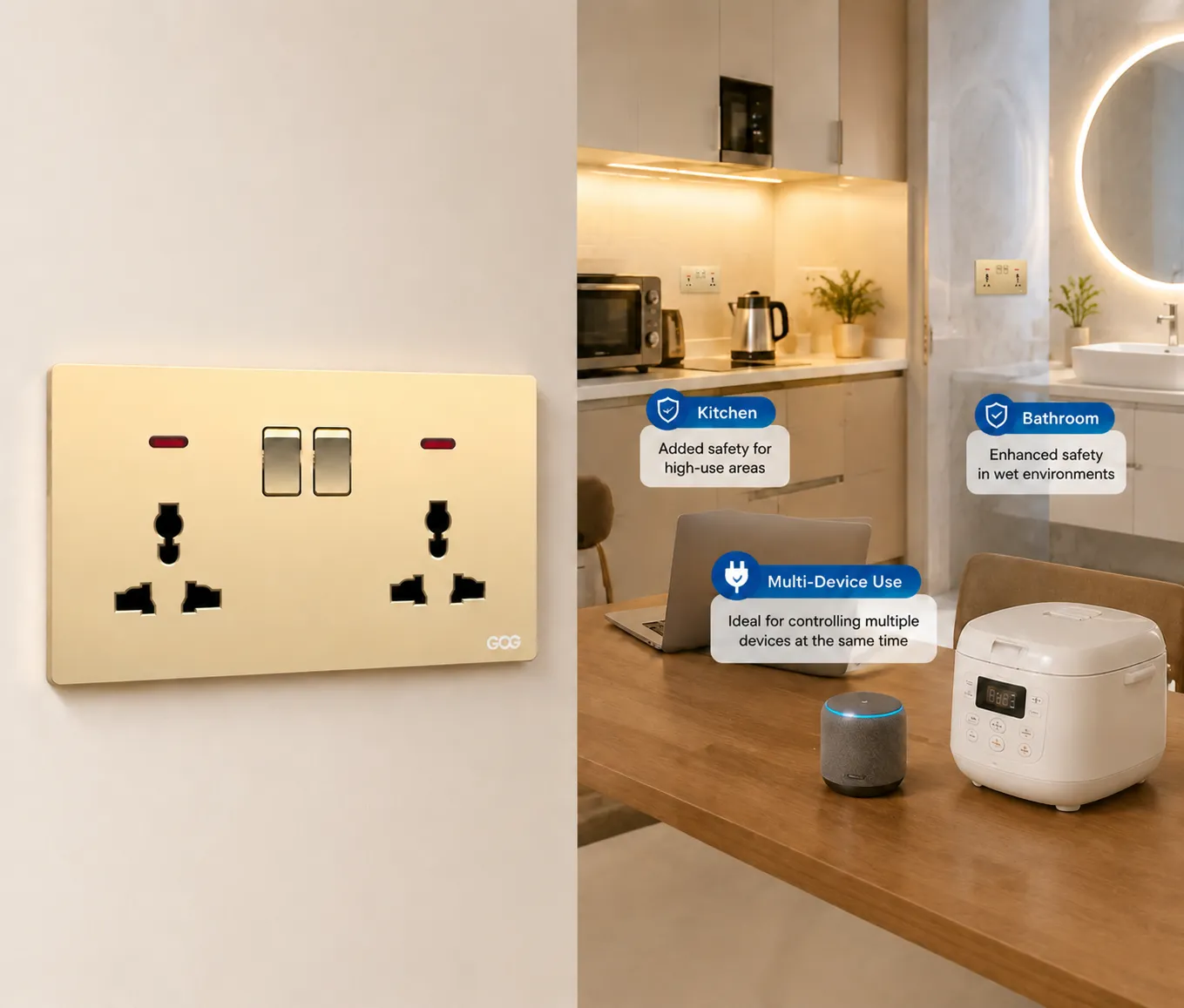
While the primary function of double switches is to control lights and power your devices, you may also use double switches as an added safety feature in rooms like kitchens and bathrooms. Additionally, you can use them in places where there are several devices being frequently operated at once to increase flexibility and ease of use of those devices. Make sure to carefully consider how and where you want to install the wall switches/sockets in the electrical design of your home so that you get the maximum benefit.
More homeowners are now choosing to use smart combination wall switches/outlets. Smart wall switches/outlets provide convenience through their ability to be controlled remotely, to be programmed to activate at specific times, and to respond to voice commands.
Frequently Asked Questions
Can a Double Pole Combination Switch Control Two Different Appliances?
Yes, a double pole combination switch is set up to control two different loads/switches/circuits. You can use the first switch to operate an overhead light and the second switch to operate a wall light or fan. Be sure to follow your wiring diagram to set the switch up properly.
What Is the Difference Between a Double Pole Socket and a Single Pole Socket?
The principal difference between the two is that a double pole socket requires two sets of contacts to disconnect both live and neutral wires at the same time, thus offering an additional layer of protection. A single pole switch only disconnects the live wire.
Can a Double Pole Combination Switch Socket Be Used for Outdoor Applications?
Yes, but you will need to use a weatherproof double pole combination switch socket. Weatherproof double pole combination switch sockets are designed to protect against moisture, cold, and other external elements. Ensure the unit is specifically rated for outdoor use.
How High Should a Wall-Mounted Switch Be Installed?
The height of wall-mounted electrical devices depends on local regulations and usage requirements. Generally, outlets are installed about 18 inches (450mm) above the floor, while switches are placed around 48 inches (1200mm). Always check your local building codes to ensure compliance.
Can I Upgrade My Existing Switch to a Double Pole Combination Switch?
Yes, but first confirm that your electrical wiring setup can handle the additional load and functionality of the new double pole combination switch. If you’re unsure, it would be prudent to have a licensed electrician consult.
As long as proper care is taken and adequate preparation is done beforehand, connecting double switch sockets is a fairly simple process. If you use the suggestions above for your installation, a double switch socket will improve the functionality and look of your home. If you have any doubt whether you can perform the work safely, call a professional for your help. A soundly-designed and correctly-installed switch and socket will provide the foundation for an effective and safe electric system in any house.