When a resident of Manchester opted to update the old toggle switches in his Victorian home, he thought it would be a straightforward task: buy several switches, wire them into position, and be done with it. But he was surprised to find out that the switch at the top of the stairs had three terminals instead of two. In addition, the switch located in the kitchen controlled not only the lights but also the large extractor fan. The switch in the hallway did not do anything unless the switch located far away from it was already in the ON position, something that he regarded as a peculiarity of the wiring and lived with for so long. In fact, all three switches were of different types. Understanding the most fundamental types of switches will help you in any lighting project.
The Four Fundamental Light Switch Types
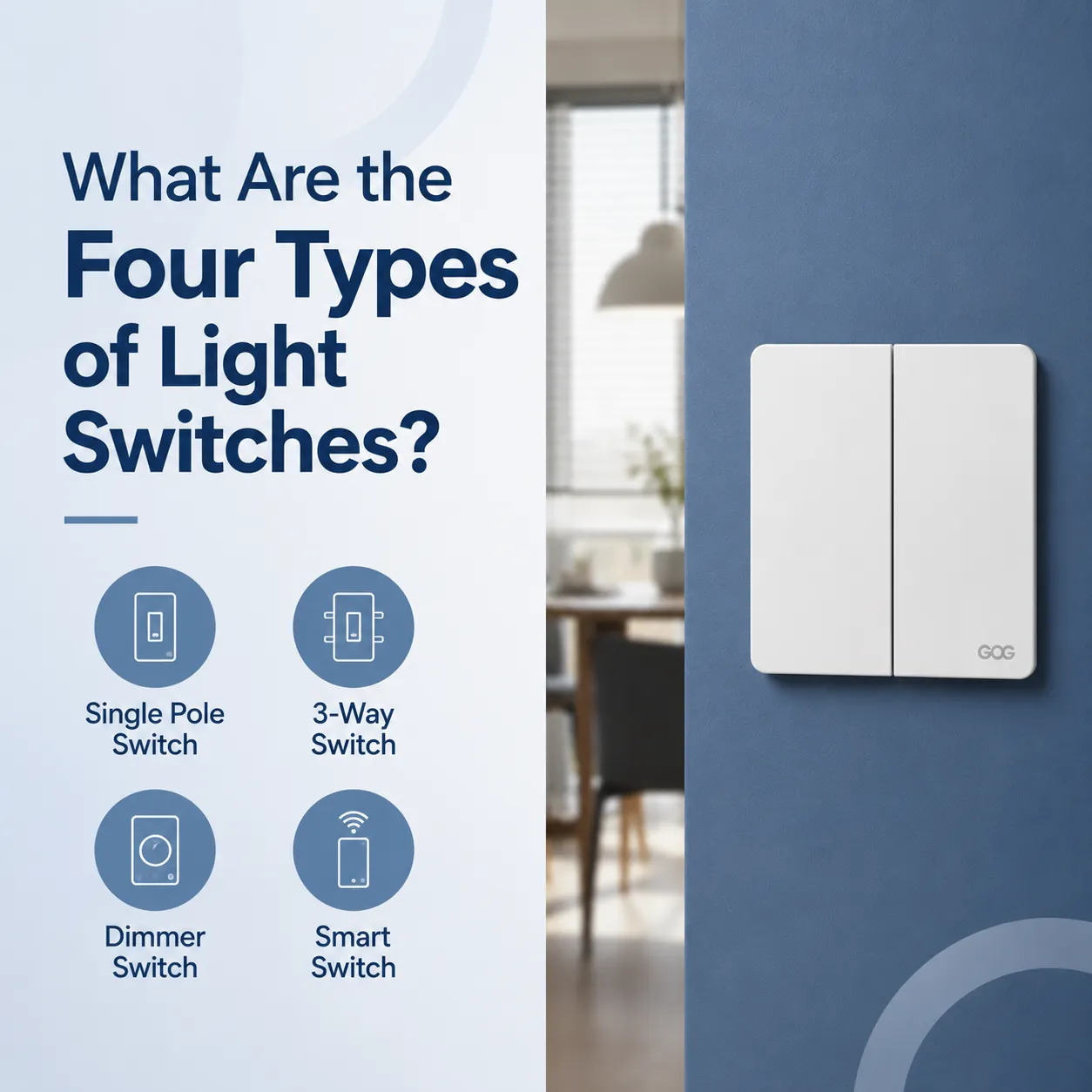
The conventional household light switch is not an implement that is designed for one use only. There are four commonly used types of light switches that differ in the number of circuits they control and their positions where they can be operated. Check the table below for an overview of the types of switches before we dive into their details.
| Switch Type | Number of Terminals (Excluding Ground) | Controls Light From | Typical Application | Approximate Cost (Basic Model) |
|---|---|---|---|---|
| Single‑Pole | 2 | 1 location | Bedroom, living room, closet — the standard room switch | $1–$5 |
| Double‑Pole | 4 | 1 location | 240‑volt appliances, heavy machinery, full‑isolation safety disconnects | $8–$25 |
| Three‑Way (Two‑Way in UK terminology) | 3 | 2 locations | Staircases, long hallways, large rooms with two entrances | $3–$10 |
| Four‑Way (Intermediate in UK terminology) | 4 | 3 or more locations | Long corridors, large open‑plan rooms, multi‑entry garages | $5–$15 |
1. Single‑Pole Switch: The Everyday Standard
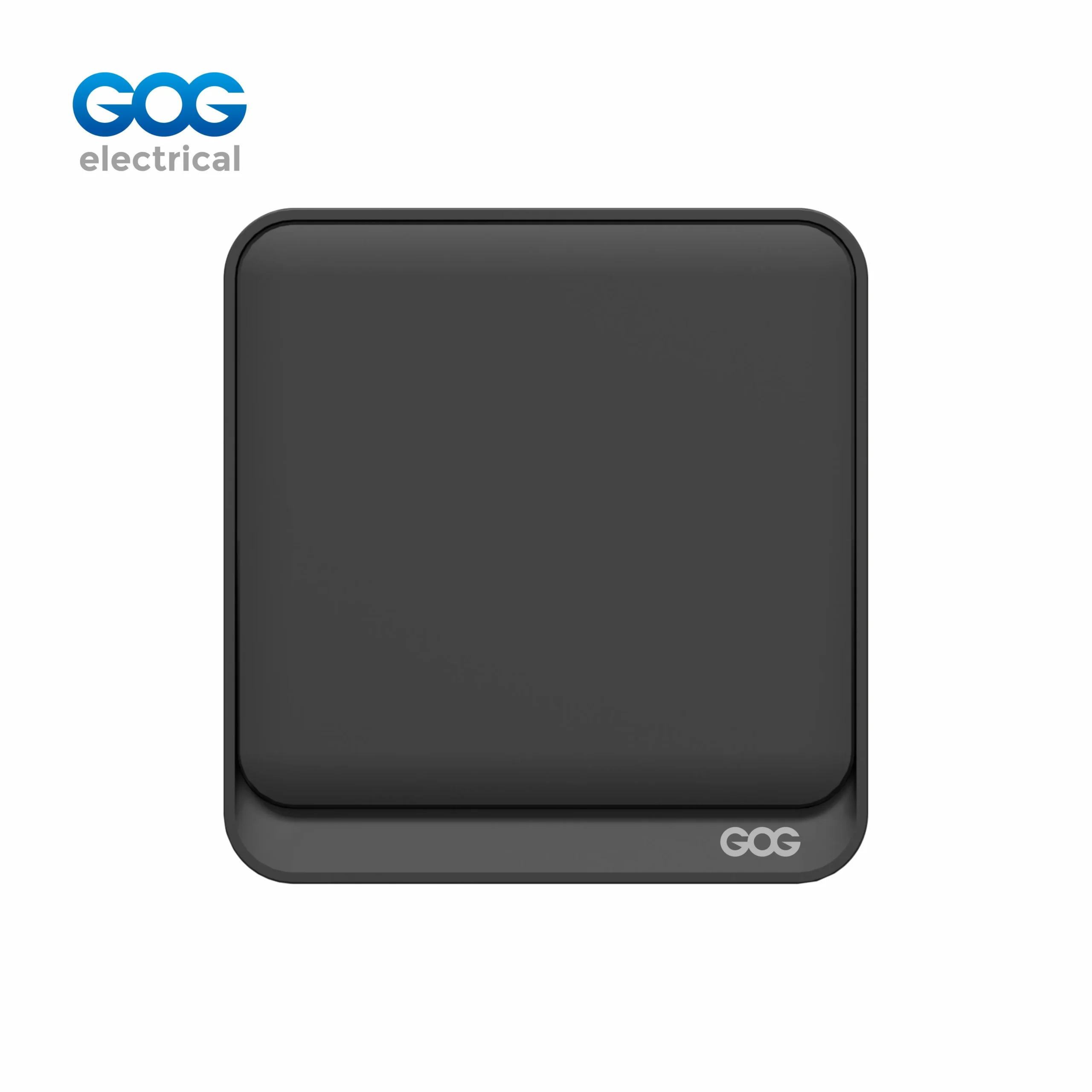
In homes, the most used light switch is a single-pole switch. It comes with two brass terminal screws and a ground screw. It only controls one light at one point. When the switch is lifted up, the circuit gets completed, and the light shines. If the switch is down, the circuit is open and the light does not shine. It simply makes a break in the hot wire. In old wiring, the neutral wire by-passes the switch box or is present but not connected to the switch in a modern wiring. For a step‑by‑step guide on installing or replacing this device, our article on how to wire a single pole switch covers the procedure in detail.
2. Double‑Pole Switch: For Heavy Loads and Full Isolation
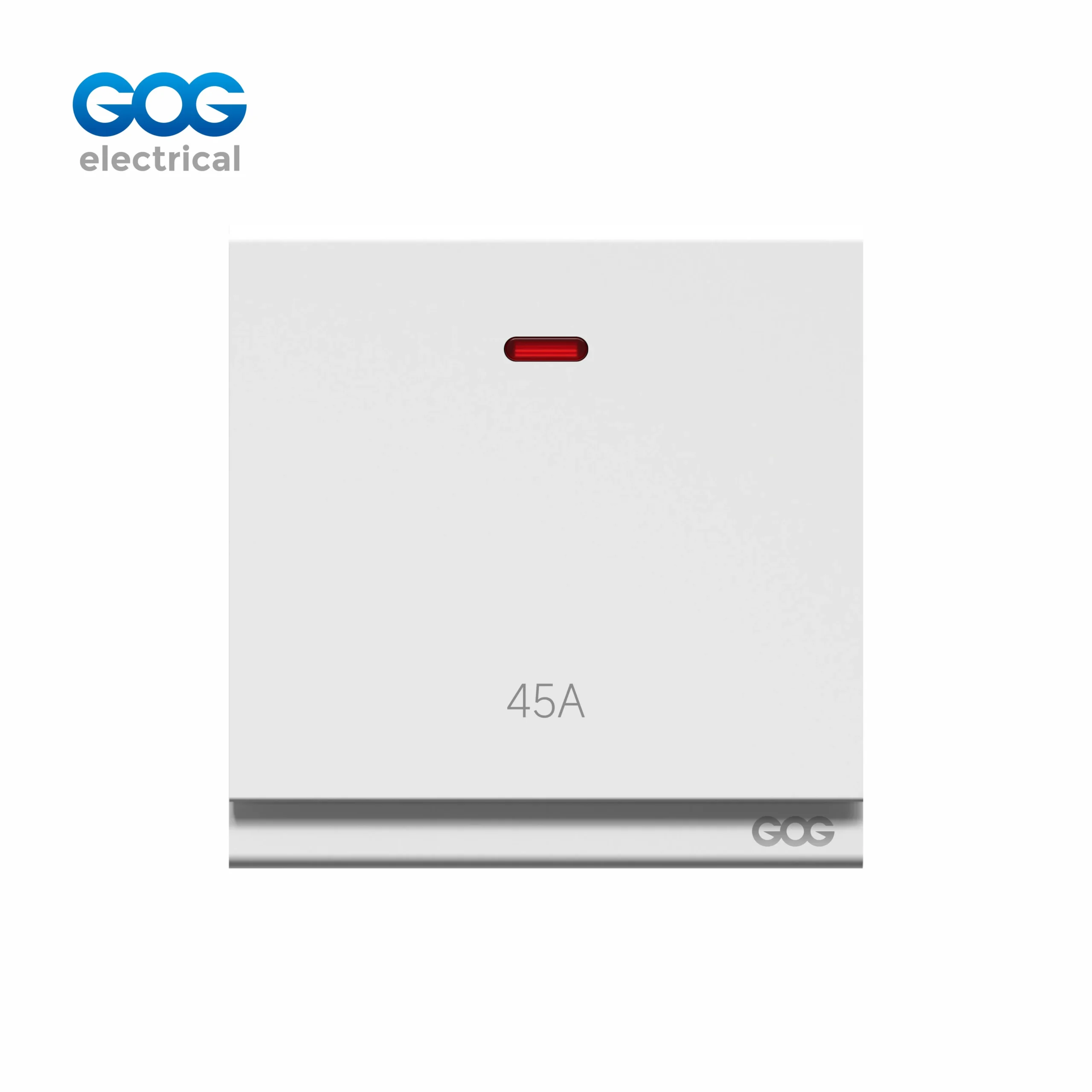
A double-pole switch is a more durable appliance that has four terminal screws (plus ground). It provides control over two independent circuits at once or both through the live and neutral side of a single circuit, which ensures complete isolation. In homes, double-pole switches can be found in the form of the local disconnect switch for a 240-volt water heater, an air conditioning system, or big workshop equipment. When the switch is in the off position, both hot legs are off, which means that all electrical machines are completely de-energised. In contrast, a single-pole switch would allow one of the legs to be live, which can result in electric shock while repairing the machines. Double-pole switches are bigger than single-pole switches, but they are needed in those areas where it is essential to ensure total isolation.
3. Three‑Way Switch: Control from Two Locations
A three-way switch — known as a two-way switch in the UK and IEC countries — has three terminals (plus ground): one dark “common” terminal and two brass “traveler” terminals. This type of switch is used in pairs to light the same light from two different locations. This is exemplified by the staircase: two switches, one at the top and one at the bottom of the stairs. In a technical sense, this switch is a single-pole double-throw (SPDT) switch as it alternates supply between the common terminal and the traveller terminals. The traveller wires connect the two switches, and one of the common terminals connects the incoming hot wire and sends it to the light fixture. This is the source of the most common wiring confusion in residential electrical work — our guide on the difference between a 2 way and 3 way switch clarifies the naming and the wiring logic.
4. Four‑Way Switch: Control from Three or More Locations
A switch that connects four terminals (and has a ground) is known as a four-way switch (also called intermediate switch in the UK) and is always used between two three-way switches. Thanks to the four-way switch, a light may be controlled by three or more switches. For instance, in case several switches are installed in a long corridor, then one switch will be located in the middle of it when the other two switches are deployed at both ends. This switch serves as a four-way switch. In fact, this device features two contact sets that connect the travellers of the first switching unit and provide connection with the travellers of the second switching unit. The four-way switch reverses the signals from one switch to another, which allows it to turn the device on. It is possible to install as many four-way switches in the conducted system as needed.
How to Choose the Right Light Switch for Your Situation
The decision-making process for choosing a lighting switch starts with one question: how many switches will be operating the light bulb and what sort of energy is in the circuit. For a single bulb that is lit from one point, we will need a single-pole switch. For a bulb that will be lit from two points, there will be a need for two three-way switches. If the bulb should be controlled from three points or more, two three-way switches will need to be used and a number of four-way switches can be used in between them. If a location has a device working at 240 volts, a double-pole switch should be the selected one.
Installation and Maintenance Tips for Long‑Term Reliability
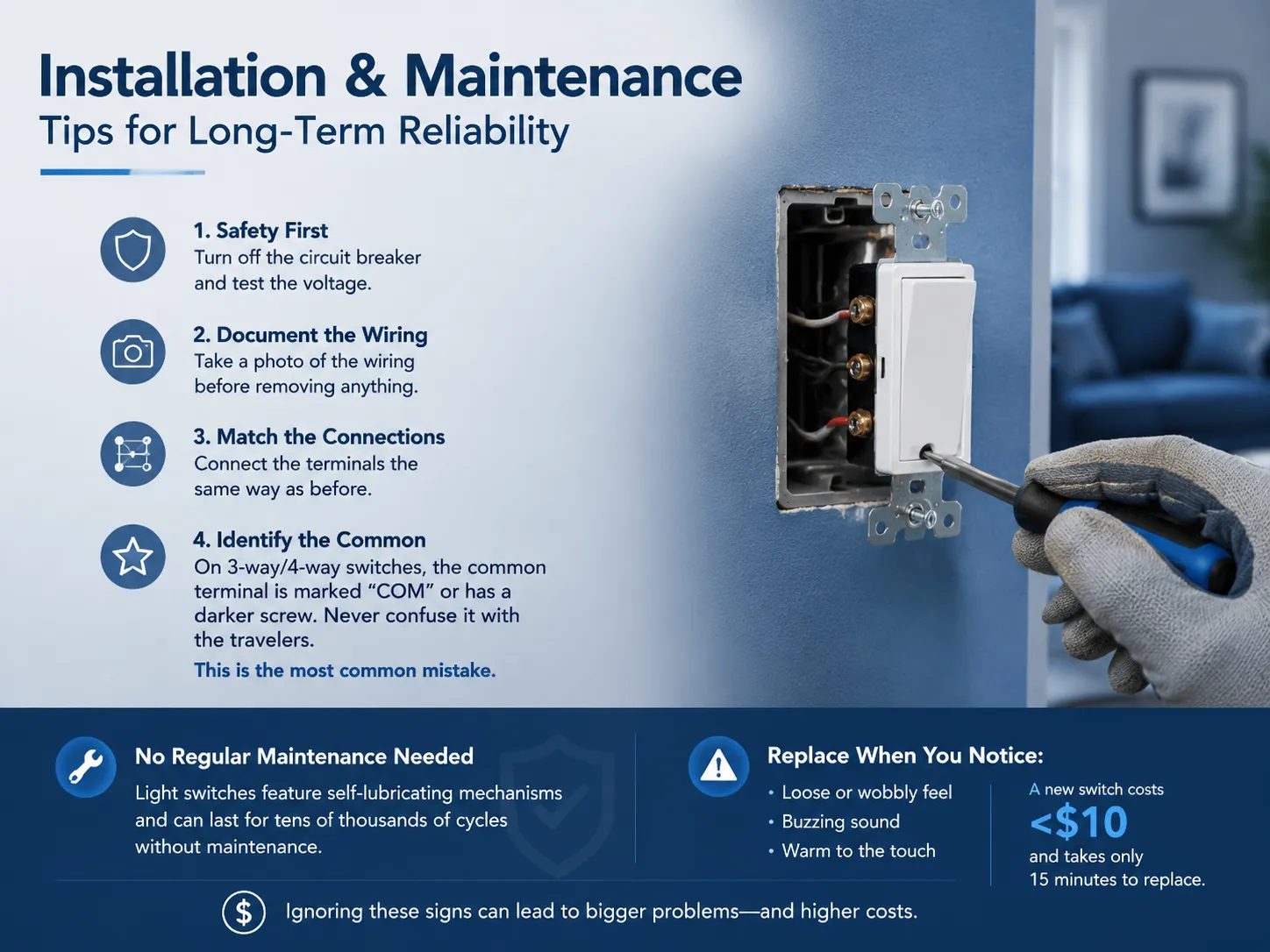
The process of installing or replacing a light switch is the same when it comes to following safety procedures. Before doing anything, you should start with turning off the circuit breaker to ensure safety. Next, test the voltage with a tester that does not require direct contact. Taking a photo of the arrangement before removing the wires is also part of the procedure. Finally, you should connect the terminals the same way they have been connected before. If you are dealing with a three-way or four-way switch, make sure to find the common terminal. You will recognize it by the darker color of the screw or by the COM mark on it. Switching the common terminal with one of the travelers is one of the most widespread mistakes, which results in having a switch that works only in one position. To fix this, the common terminal should be identified either at the switch supplying current or at the switch that draws it to the lamp from the supply.
Once you put in a light switch, you don’t have to do any maintenance after that. The light switch has the self-lubricating mechanism and can go through tens of thousands of cycles before needing repairs. If the switch feels loose while moving, buzzes or is warm to the touch, it has reached its lifespan. These are symptoms of wearing contacts or spring not functioning well. A new switch costs less than $10 and takes only 15 minutes to replace. However, it may cost you much more if the problems are ignored.
Frequently Asked Questions
What are the 4 types of switches?
The basic four types of light switches in home wiring are the single-pole (one point), double-pole (one point, two circuits or full isolation), three-way (two points), and four-way (three or more points). The number of terminals and the number of points of control differentiate them from each other.
What are the different types of light switches?
In addition to the four basic types of electrical connections, there are several types of electrical switches, namely toggle switch, decorator rocker switch, dimmer switch (rotary or sliding), timer switch, motion detector switch, smart switch, and Wi-Fi switch. These types of electrical devices can be used in one-pole, three-pole, or four-pole configurations.
How do I tell what type of light switch I need?
Count how many locations manage the lighting. If it’s one location, it is a single-pole switch. If there are two locations, use a pair of three-way switches. If there are three or more locations, use two three-way switches together with 4-way switch in between. In case the switch is used to control 240V appliance or needs complete isolation the double-pole switch has to be used.
What is the most common light switch?
In residential wiring, the single-pole switches are the most commonly used switches. With the help of two brass terminals and a ground screw, they act to control lights from one place of operation.
References
- Leviton — Residential Light Switches. Manufacturer of single‑pole, three‑way, and four‑way switches with wiring diagrams and installation guidance.
- Eaton — Wiring Devices and Light Switches. Manufacturer of standard and specialty light switches for residential and commercial applications.
- Lutron Electronics — Dimmer Switches and Lighting Control. The reference standard in dimming technology, with compatibility resources for LED bulbs.
- Family Handyman — How to Replace a Light Switch. Practical homeowner guidance on switch types, identification, and safe replacement.
The four types of light switches — single‑pole, double‑pole, three‑way, and four‑way — cover the control needs of virtually every room in a home. A single‑pole switch handles the bedroom light. A three‑way pair manages the staircase. A four‑way in the middle of a long corridor gives control where it is needed. And a double‑pole switch provides the full isolation that a heavy appliance or a workshop tool demands. Identifying which type belongs in which location is a matter of counting the control points and the conductors, and matching the switch to the circuit. GOG Electric manufactures all four types, in standard and decorative finishes, with the terminal clarity and contact durability that turn a wall switch from a commodity into a reliable, long‑term control point.